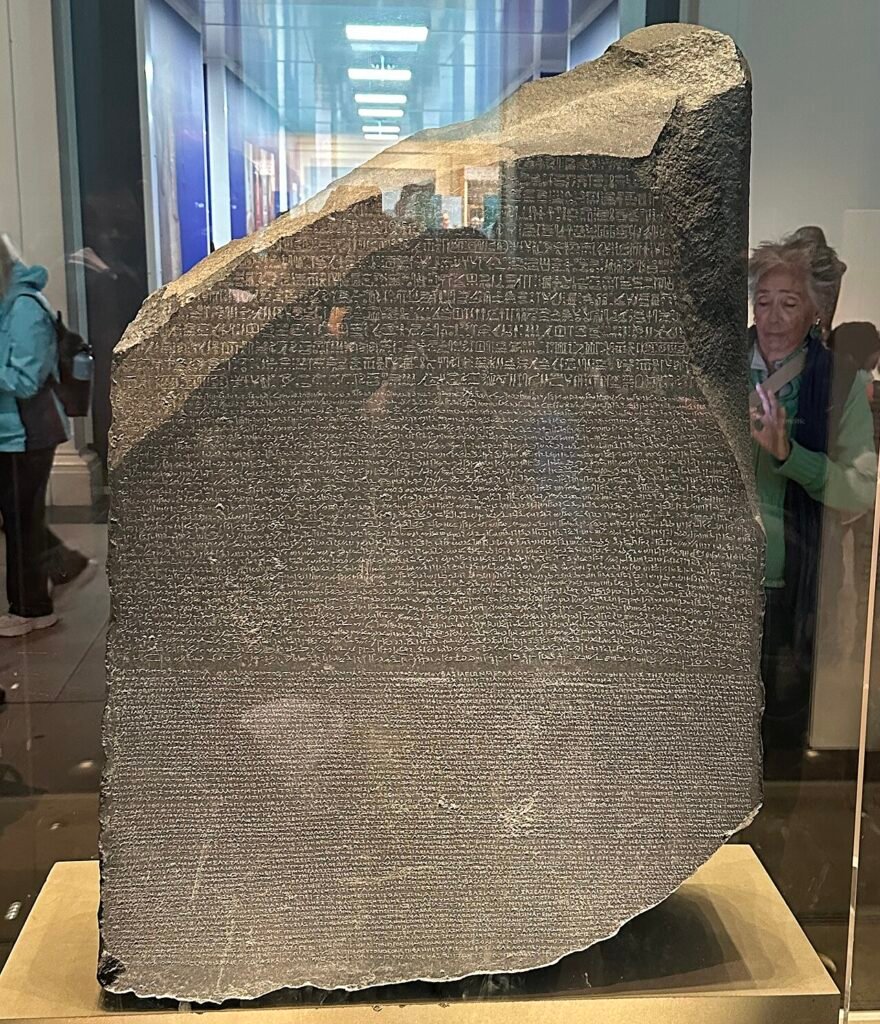
Champollion Deciphers Egyptian Hieroglyphs
A French scholar who had never set foot in Egypt spent years comparing one royal decree carved in three scripts, and gave the world back three thousand years of Egyptian history that no one alive could read.
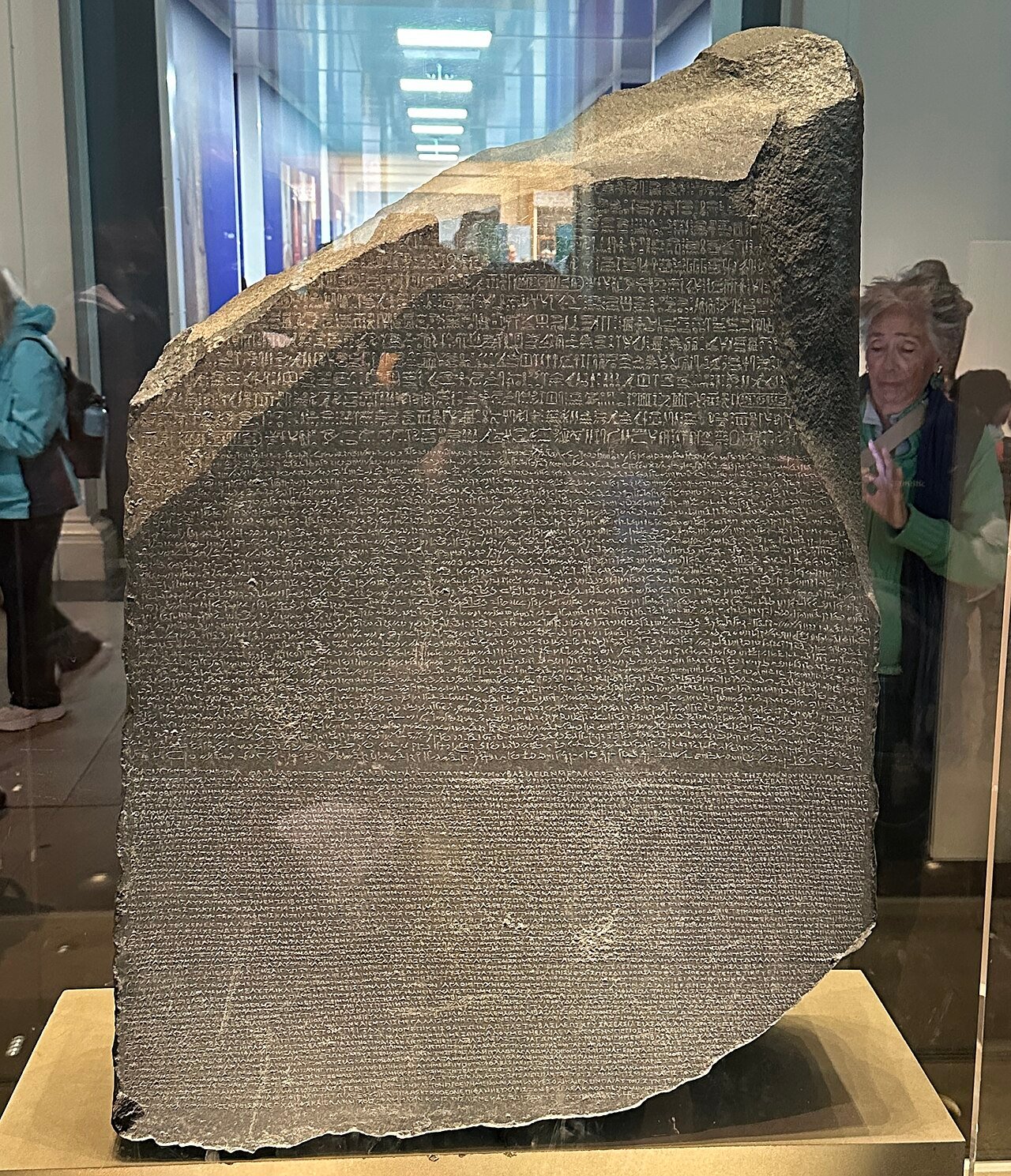
On September 27, 1822, Jean-François Champollion read his Lettre à M. Dacier before the Académie des Inscriptions et Belles-Lettres in Paris, showing that Egyptian hieroglyphs combined phonetic sounds with symbolic signs in the same script. He had reached the breakthrough just thirteen days earlier, comparing a royal name on the Rosetta Stone.
The decipherment opened thousands of original Egyptian inscriptions, papyri, and tomb walls to direct reading for the first time in over a thousand years, founding modern Egyptology and letting a civilization that had gone silent speak again in its own words.
Champollion’s real insight was refusing to treat hieroglyphs as either pictures or sounds. Egyptian writing turned out to be both at once, symbolic and phonetic within the same word, the same refusal of a false either/or choice that still guides how linguists and cryptographers approach any unfamiliar code.
People Behind the Story
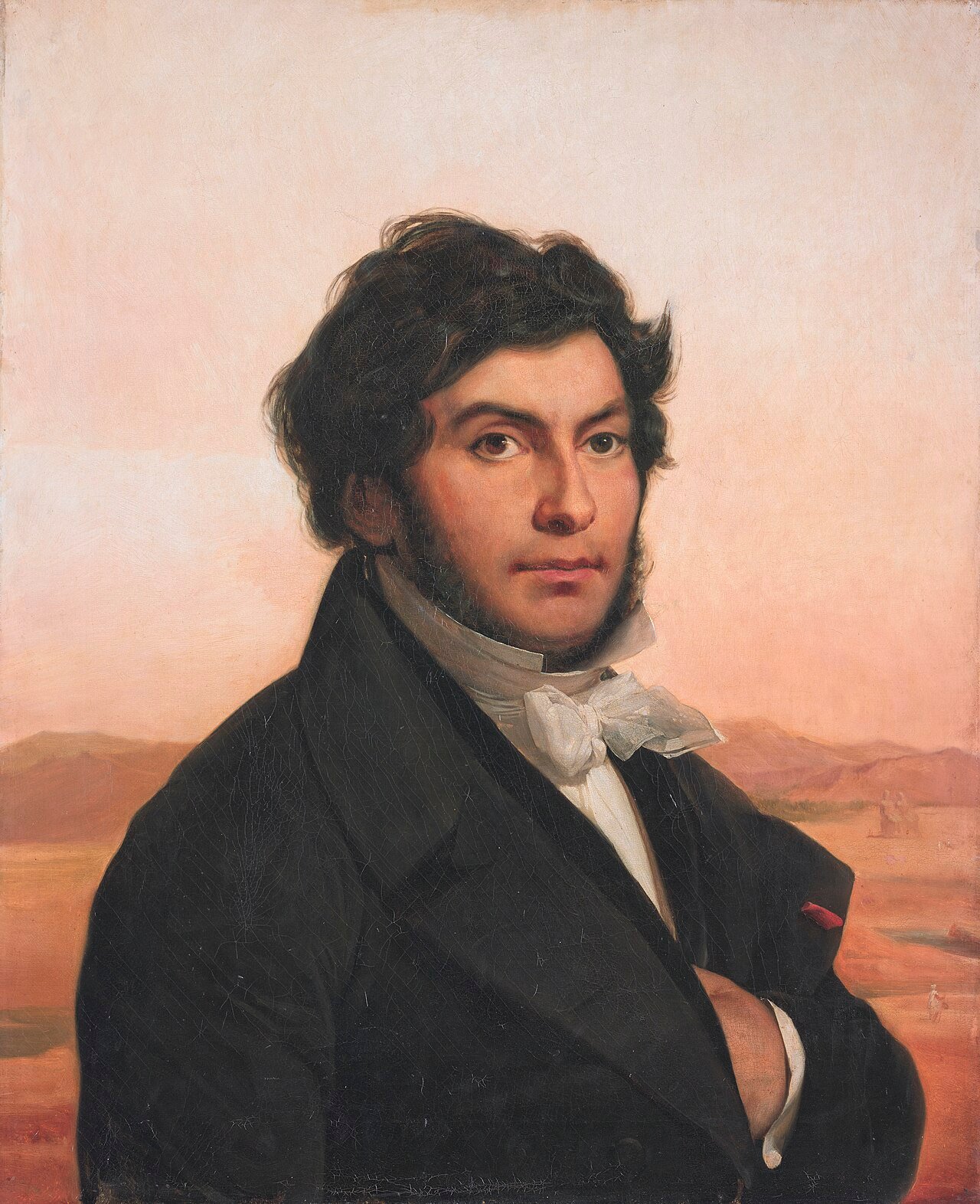
Learned Coptic, the last living descendant of the ancient Egyptian language, as a teenager, then spent over a decade testing it against hieroglyphic and Demotic texts before announcing his phonetic alphabet on September 27, 1822.
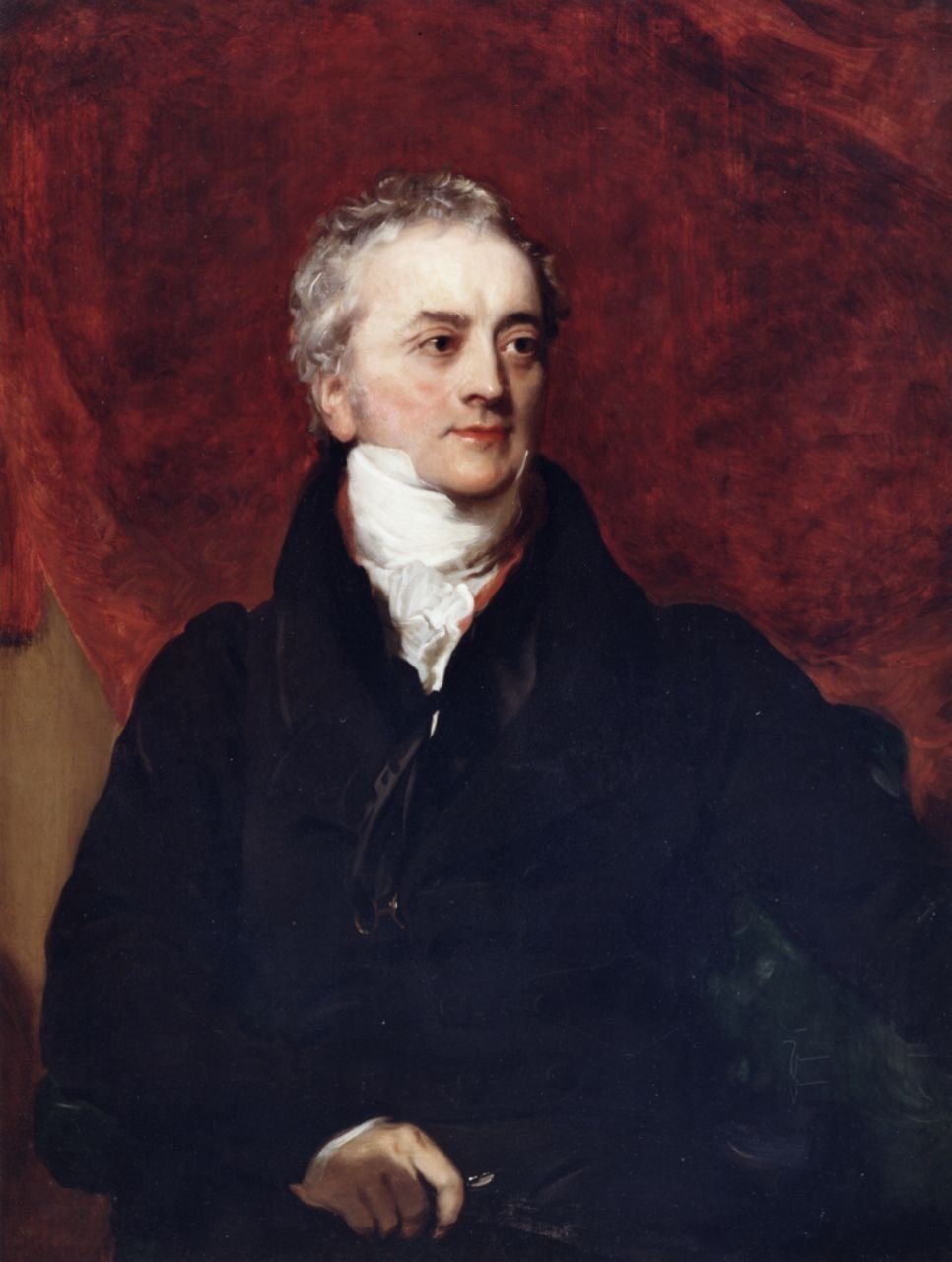
Showed years earlier that hieroglyphs inside oval cartouches could spell foreign royal names phonetically, but concluded the effect stopped there. Historians still debate how much his early work shaped Champollion’s later, more complete decipherment.
Key Moments
French soldiers rebuilding a fort near the town of Rosetta uncover a black granite slab inscribed with one decree in hieroglyphic, Demotic, and ancient Greek: the Rosetta Stone.
After Britain’s victory over France in Egypt, the stone passes into British hands and enters the British Museum in London, where it remains on public display today.
Comparing a cartouche from Abu Simbel, Champollion recognizes phonetic signs spelling a pharaoh’s name, rushes to tell his brother, and reportedly collapses from exhaustion before he can finish explaining.
Champollion reads the Lettre à M. Dacier to the Académie des Inscriptions et Belles-Lettres, formally announcing that hieroglyphic writing mixes phonetic and symbolic signs.
Champollion leads the Franco-Tuscan expedition to Egypt, seeing in person the monuments he had spent a decade reading about, and confirms his system directly against the inscriptions on their walls.
Did you know? Champollion counted 1,419 hieroglyphic signs on the Rosetta Stone opposite only 486 Greek words, a mismatch that first convinced him hieroglyphs could not be purely symbolic.
- “Eureka! Finding the Key to Ancient Egypt,” British Museum
- “Lettre à M. Dacier,” Wikipedia
- “Jean-François Champollion,” Wikipedia
- “Two Hundred Years Ago, the Rosetta Stone Unlocked the Secrets of Ancient Egypt,” Smithsonian Magazine
- Original 1822 “Lettre à M. Dacier” text, Bibliothèque nationale de France (Gallica)