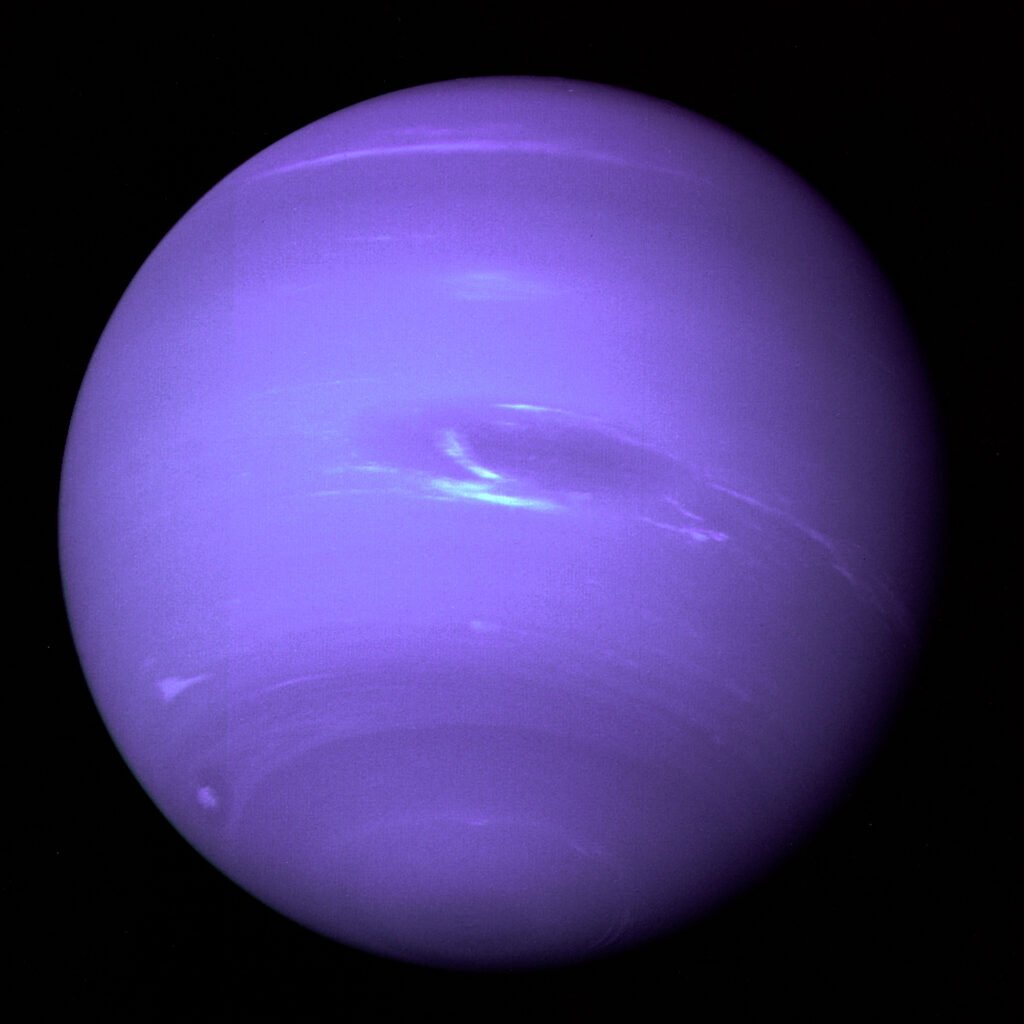
Humanity Discovers Neptune
A mathematician who never once looked through a telescope pointed two astronomers at an empty patch of sky, and they found a planet nobody had ever seen.
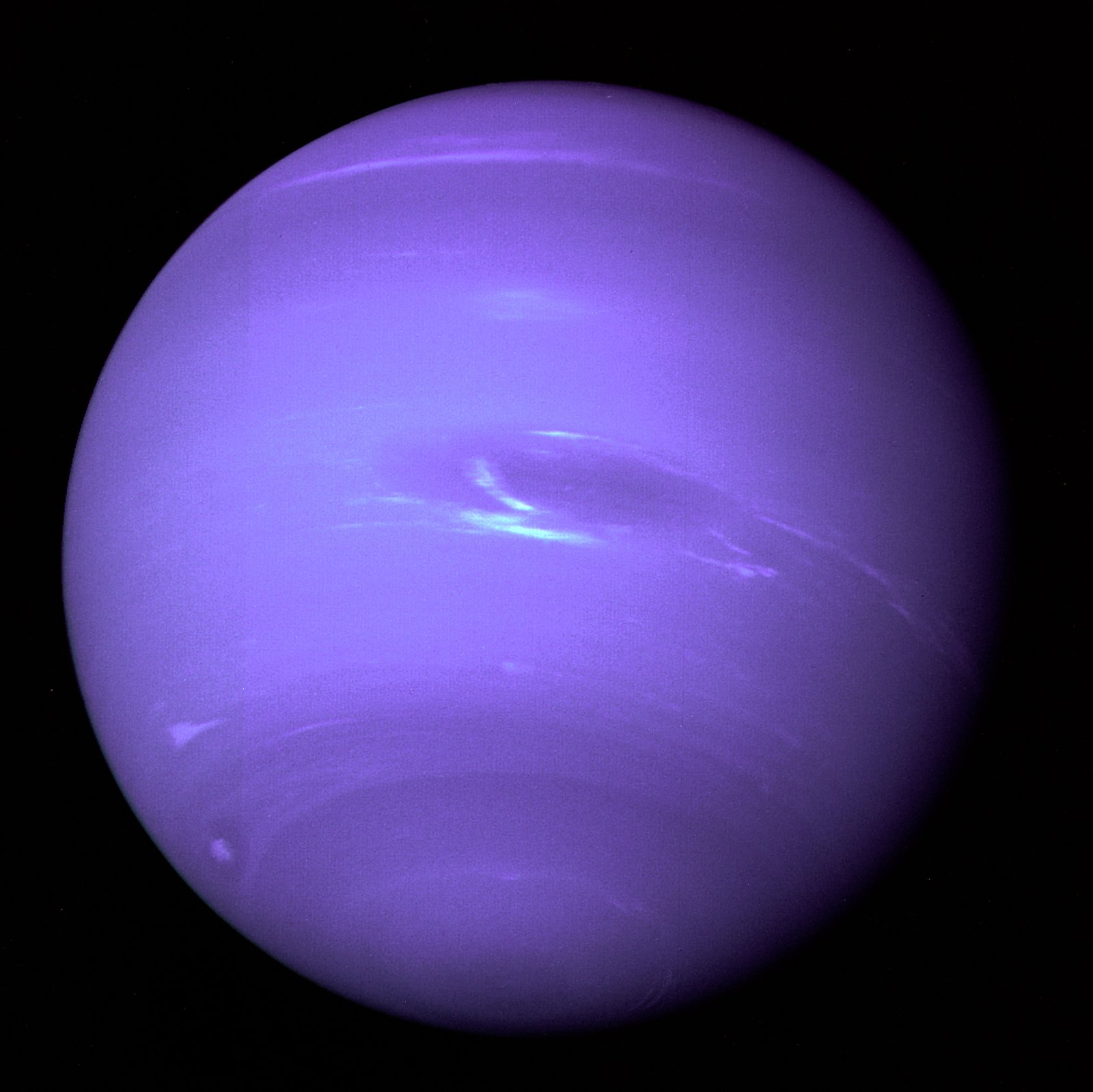
On the night of September 23–24, 1846, astronomer Johann Gottfried Galle and his student assistant Heinrich d’Arrest aimed the Berlin Observatory’s 9-inch refractor at a single patch of sky. Within an hour they found an eighth-magnitude “star” missing from their charts: Neptune, less than 1° from the position Urbain Le Verrier had calculated from Uranus’s orbital irregularities alone.
Neptune became the first planet ever found by mathematical prediction rather than by scanning the sky. It proved that Newton’s law of gravitation could reveal a world no one had observed, a founding triumph for predictive science that still underlies how astronomers hunt for exoplanets and dark matter today.
Le Verrier never pointed a telescope at Neptune. He studied the wobble in another planet’s orbit and calculated backward to the unseen cause, the same logical move later used to infer exoplanets from a star’s flicker, and dark matter from a galaxy’s spin.
People Behind the Story
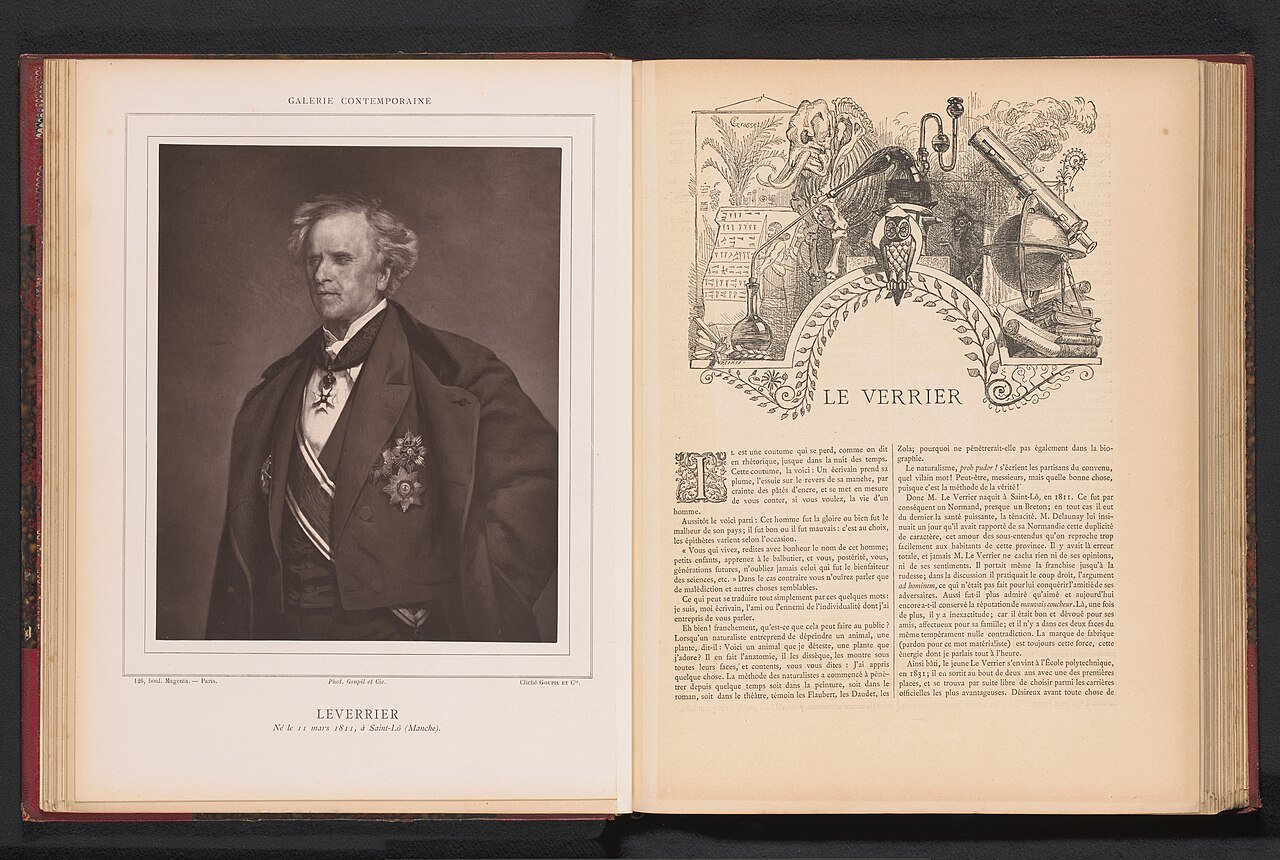
Calculated Neptune’s position from irregularities in Uranus’s orbit, without ever observing the planet himself. A contemporary called it discovering “a planet with the point of his pen.”
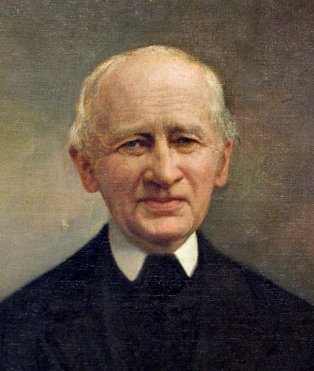
Received Le Verrier’s predicted coordinates by letter and, with student Heinrich d’Arrest, located Neptune within an hour of searching.
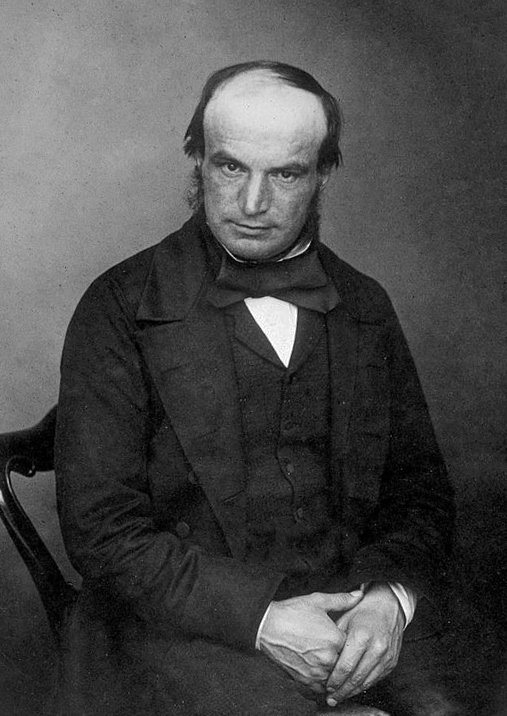
Independently worked out a similar prediction around the same time as Le Verrier, though his calculations never reached a telescope before Berlin’s did. Historians still debate how equal the two men’s claims to credit really are.
Key Moments
Galle and d’Arrest observe Neptune from the Berlin Observatory, within about 1° of Le Verrier’s predicted position.
Just 17 days later, English astronomer William Lassell discovers Triton, Neptune’s largest moon.
NASA’s Voyager 2 becomes the only spacecraft ever to fly past Neptune, revealing faint rings, the storm known as the Great Dark Spot, and active geysers on Triton.
Neptune completes its first full orbit of the Sun since the night it was discovered: one “Neptune year” lasts about 165 Earth years.
Did you know? Urbain Le Verrier died on September 23, 1877, exactly thirty-one years to the day after the planet he calculated into existence was first observed.