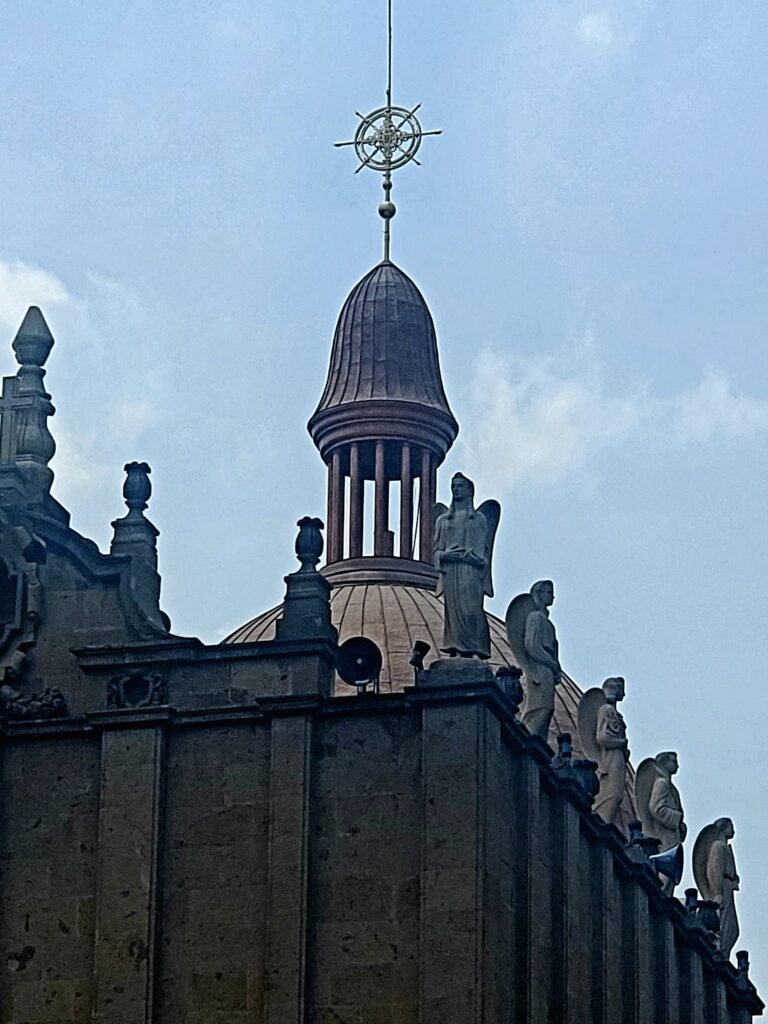
Addis Ababa is the capital of Ethiopia and, as host of the African Union’s headquarters, is often described as the diplomatic capital of Africa. Founded in 1886, the city sits on Ethiopia’s central highlands at an elevation of more than 2,300 meters, making it one of the highest capital cities in the world.
Where Is Addis Ababa Located?
Addis Ababa sits on Ethiopia’s central plateau at the edge of the Ethiopian Highlands, at an elevation that gives it a mild, temperate climate unusual for a city near the equator. Its high elevation and central position within Ethiopia have shaped both its climate and its role as a natural crossroads for the country’s diverse regions.
A Brief History of Addis Ababa
Emperor Menelik II and Empress Taytu Betul founded Addis Ababa in 1886, choosing the site in part for its hot springs and temperate highland climate; the name means “New Flower” in Amharic. The city grew into Ethiopia’s political center through the late nineteenth and early twentieth centuries as Menelik II expanded and consolidated the Ethiopian empire.
Italian Occupation and Liberation
Ethiopia, including Addis Ababa, is widely noted as one of the only African territories never subject to sustained European colonization, with the significant exception of a brief Italian occupation from 1936 to 1941 during the Second Italo-Ethiopian War and the Second World War. Emperor Haile Selassie returned to Addis Ababa after British-assisted liberation in 1941 and had the Holy Trinity Cathedral built to commemorate that liberation; the cathedral later became his and Empress Menen’s burial place.
Seat of the African Union
Addis Ababa hosted the Organisation of African Unity from 1963 and its successor, the African Union, continuing today, cementing the city’s role as Africa’s principal diplomatic capital. The African Union’s current headquarters complex, built with Chinese government funding, opened in the city in 2012.
Addis Ababa Today: Population and Economy
With about 135.9 million people as of 2025, Ethiopia is Africa’s second most populous country after Nigeria, and Addis Ababa is by far its largest city and primary economic center, even as the World Bank notes the country’s per-capita GDP, at $979, remains among the lowest in the world despite one of the region’s fastest growth rates.[1]
What Is Addis Ababa Known For?
Addis Ababa is best known internationally as the seat of the African Union, giving it a diplomatic weight in African affairs comparable to Brussels’s role in the European Union. Within Ethiopia, the city’s most recognizable landmark is the Holy Trinity Cathedral (Kidist Selassie), a large domed cathedral built to honor Ethiopia’s liberation from Italian occupation and now the resting place of Emperor Haile Selassie and other prominent Ethiopian historical figures.
Why Addis Ababa Matters
Addis Ababa matters as the political and symbolic heart of modern Pan-Africanism, hosting the African Union’s headquarters and, before it, the Organisation of African Unity. Its history as the capital of one of the few African states to avoid sustained colonization also gives it particular symbolic weight across the continent.
Key Takeaways
- Addis Ababa is Ethiopia’s capital, founded in 1886 by Emperor Menelik II and Empress Taytu Betul.
- Its elevation of more than 2,300 meters makes it one of the world’s highest capital cities.
- Ethiopia was never subject to sustained colonization except a brief Italian occupation from 1936 to 1941.
- The Holy Trinity Cathedral commemorates liberation from Italian occupation and holds Haile Selassie’s tomb.
- Addis Ababa hosts the African Union’s headquarters, making it Africa’s principal diplomatic capital.
Sources
- World Bank | “Ethiopia Overview” | 2026 | worldbank.org/en/country/ethiopia/overview
Key facts
- Addis Ababa is Ethiopia's capital, founded in 1886 by Emperor Menelik II and Empress Taytu Betul.
- At over 2,300 meters elevation, it is one of the world's highest capital cities.
- Ethiopia avoided sustained colonization except a brief Italian occupation, 1936 to 1941.
- The Holy Trinity Cathedral commemorates that liberation and holds Haile Selassie's tomb.
- Addis Ababa hosts the African Union headquarters, Africa's principal diplomatic capital. Ethiopia's population was about 135.9 million in 2025.1
Quick checkWhy is Addis Ababa called the diplomatic capital of Africa?Show answer
It has hosted the Organisation of African Unity and its successor, the African Union, since 1963, giving it a central role in continental diplomacy.
Sources
- World Bank. Ethiopia Overview. 2026 (accessed Accessed 2026-10-21)
Editorially reviewed by Specialty Digest Editorial TeamLast reviewed October 21, 2026Researched and drafted with AI assistanceReport an issue