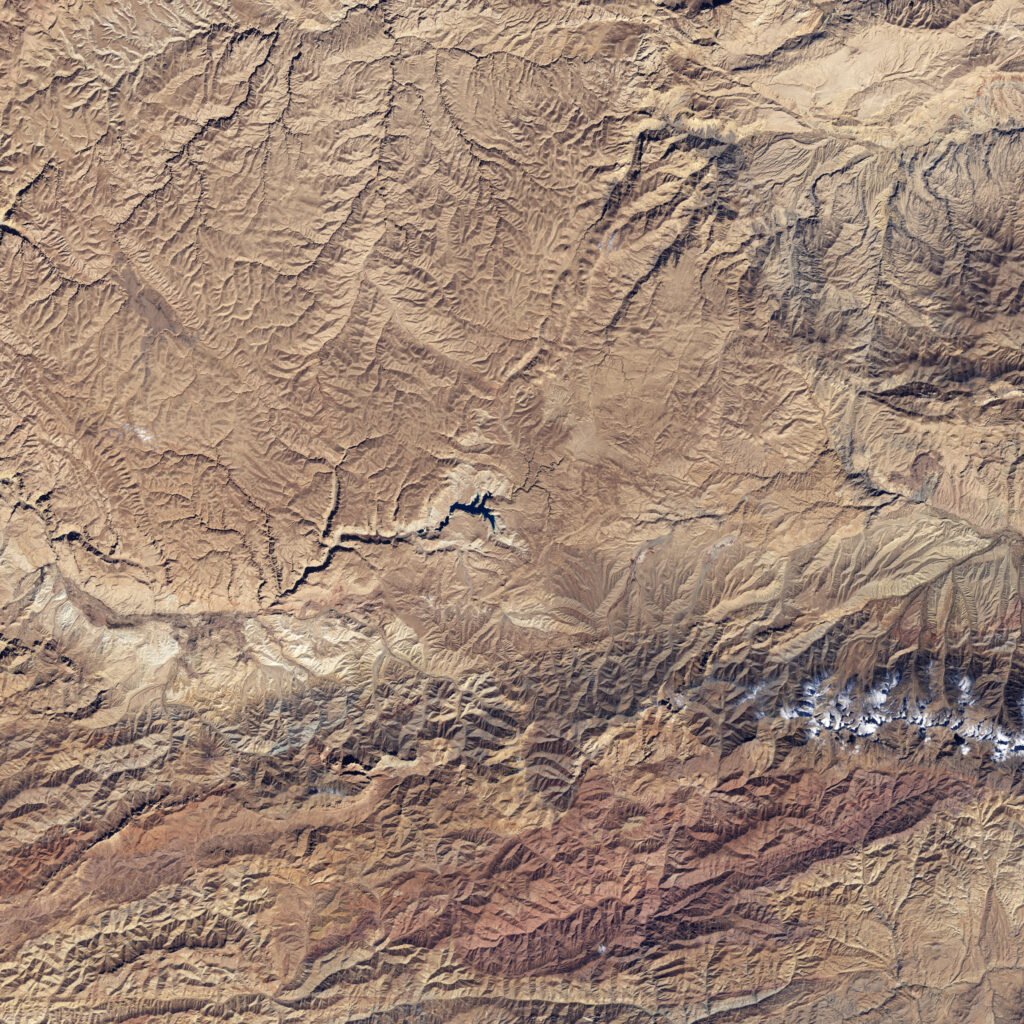
Afghanistan is a landlocked country in South and Central Asia, bordered by Pakistan to the south and east, Iran to the west, and Turkmenistan, Uzbekistan and Tajikistan to the north, with a narrow strip in the northeast, the Wakhan Corridor, touching China. Its capital and largest city is Kabul. The country’s rugged, mountainous terrain, dominated […]
Afghanistan: Geography, History, Government and Key Facts Read More »
Afghanistan is a landlocked, mountainous country in South and Central Asia, bordered by Pakistan, Iran and three Central Asian states, with Kabul as its capital.
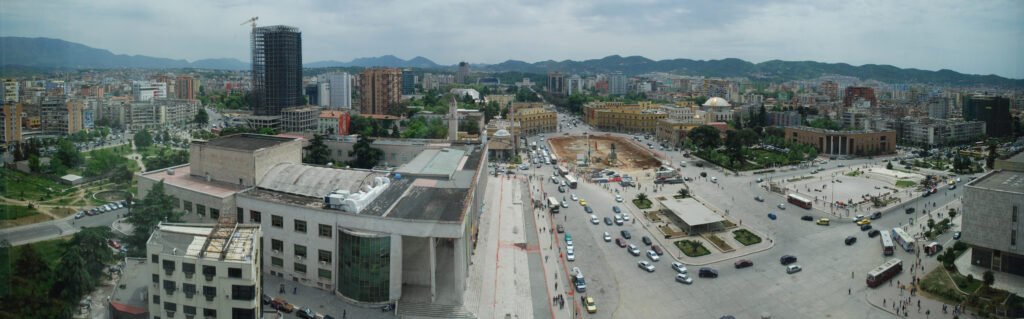
Albania is a country in Southeastern Europe on the Balkan Peninsula, bordered by Montenegro, Kosovo, North Macedonia and Greece, with a coastline along the Adriatic and Ionian Seas facing Italy. Its capital is Tirana. Once one of Europe’s most isolated states under a strict communist government, Albania has spent the past three decades opening its
Albania: Geography, History, Government and Key Facts Read More »
Albania is a Southeastern European country on the Balkan Peninsula facing Italy across the Adriatic Sea, with Tirana as its capital.
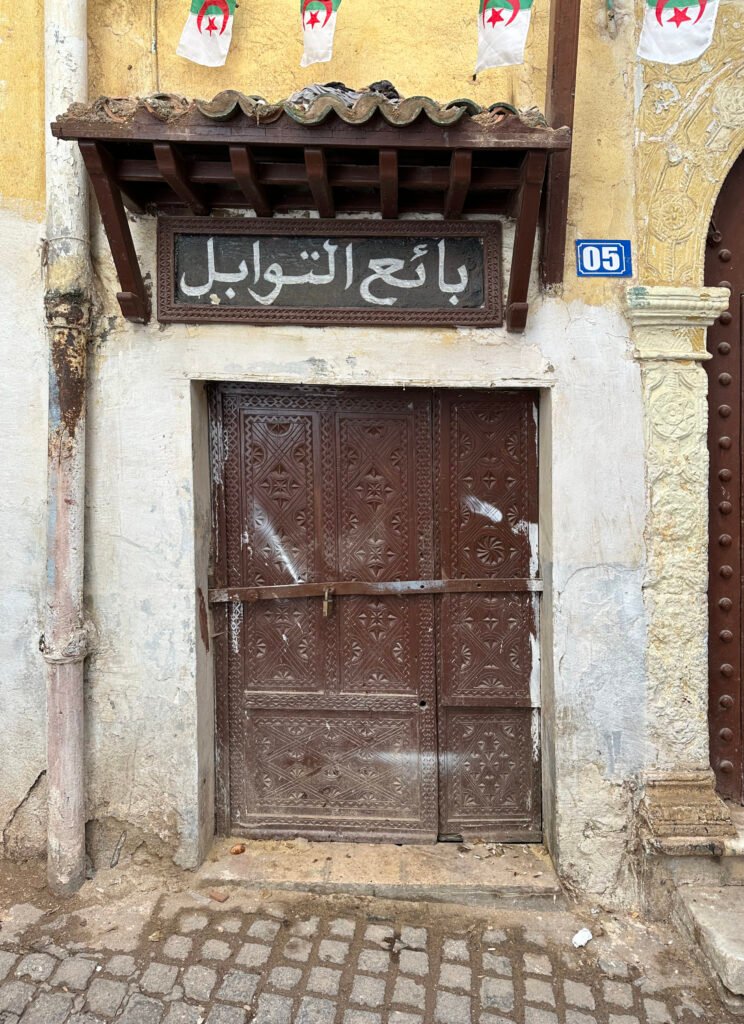
Algeria is the largest country in Africa by land area, located in North Africa on the Mediterranean coast, bordered by Tunisia, Libya, Niger, Mali, Mauritania, Western Sahara and Morocco. Its capital is Algiers. Much of Algeria’s vast southern territory lies within the Sahara Desert, while the population is concentrated along the northern coastal strip, and
Algeria: Geography, History, Government and Key Facts Read More »
Algeria is the largest country in Africa by area, stretching from a Mediterranean coastline to the Sahara Desert, with Algiers as its capital.
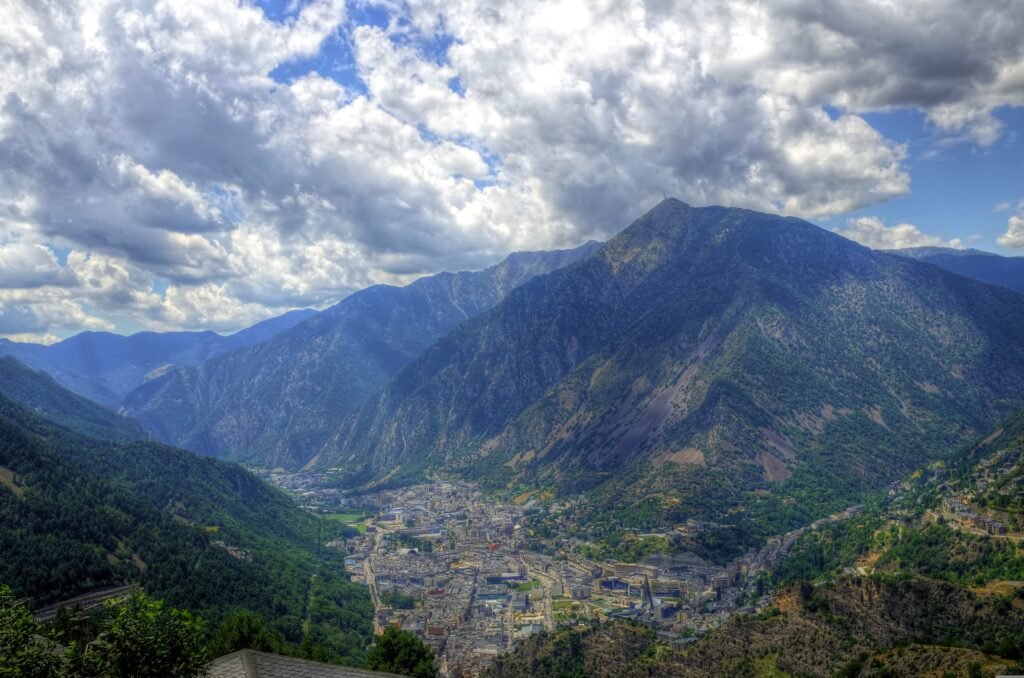
Andorra is a small landlocked co-principality in the eastern Pyrenees mountains, wedged between France and Spain. Its capital is Andorra la Vella, the highest capital city in Europe by elevation. Andorra is unusual among the world’s states in having two co-princes as joint heads of state: the President of France and the Bishop of Urgell
Andorra: Geography, History, Government and Key Facts Read More »
Andorra is a small co-principality in the eastern Pyrenees between France and Spain, with Andorra la Vella as its capital.
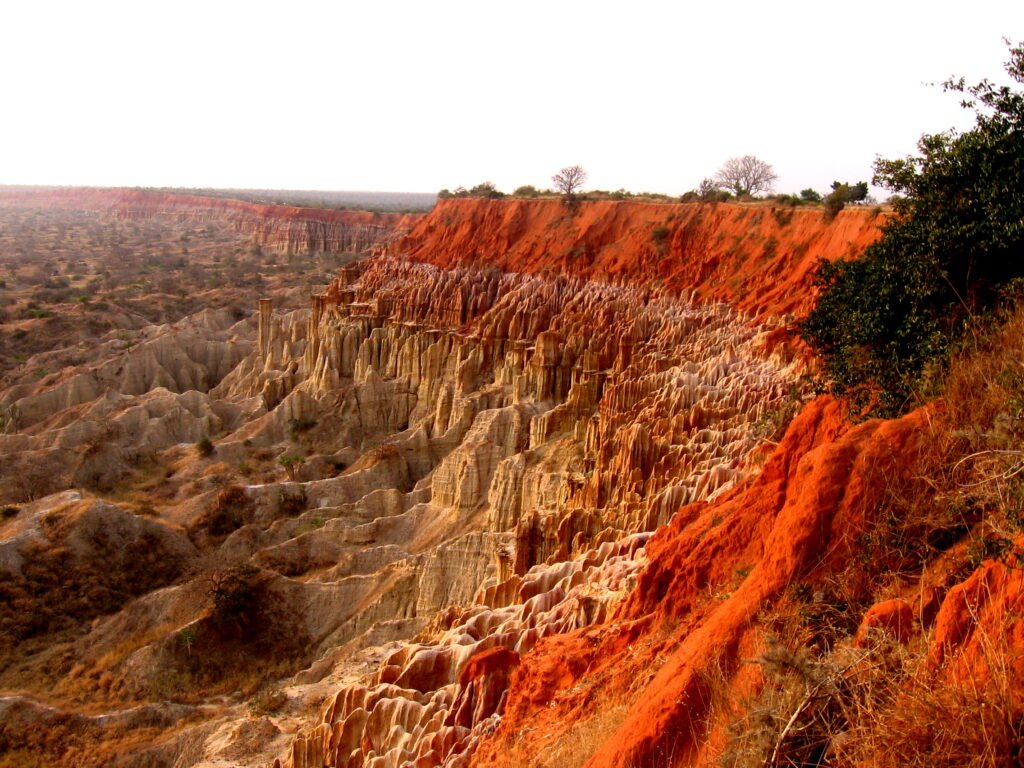
Angola is a large country on the southwestern coast of Africa, with a long Atlantic coastline and a central plateau reaching inland to border Namibia, Zambia, the Democratic Republic of the Congo and, at its narrowest point, Botswana. Its capital is Luanda, a major Atlantic port city. Angola’s economy is shaped heavily by oil, and
Angola: Geography, History, Government and Key Facts Read More »
Angola is a large Southern African country on the Atlantic coast, with Luanda as its capital and oil as the backbone of its economy.
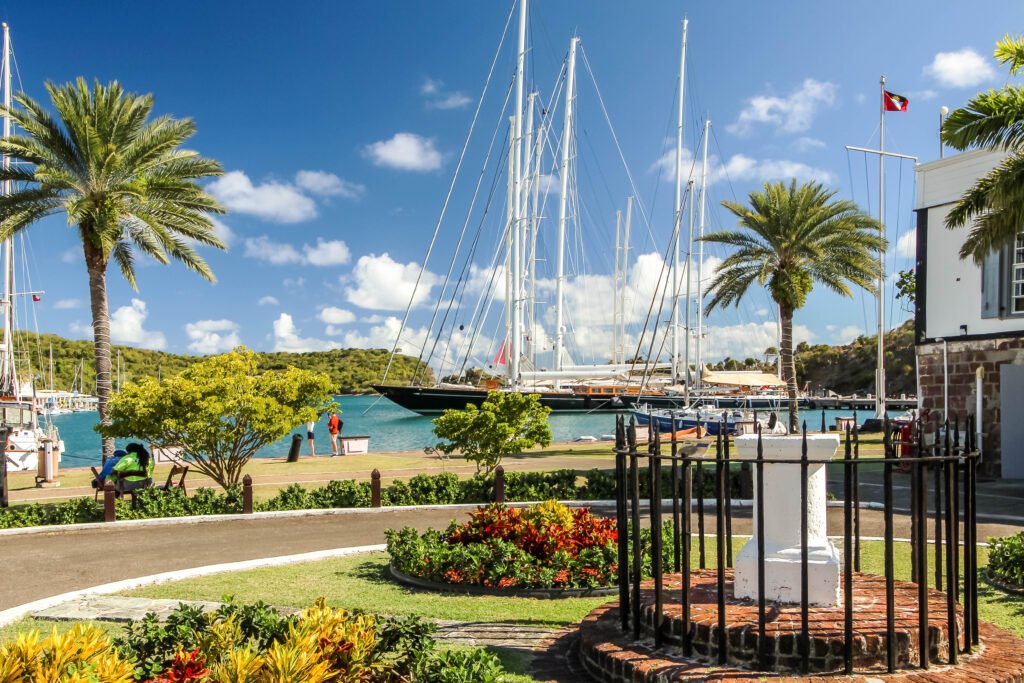
Antigua and Barbuda is a twin-island country in the Eastern Caribbean, part of the Leeward Islands chain, with a scattering of smaller islets. Its capital, St. John’s, sits on Antigua, the larger of the two main islands. A former British colony that gained independence in 1981, the country remains a member of the Commonwealth and
Antigua and Barbuda: Geography, History, Government and Key Facts Read More »
A twin-island Caribbean nation in the Leeward Islands, independent from the UK since 1981 and known for tourism, sailing and Carnival.
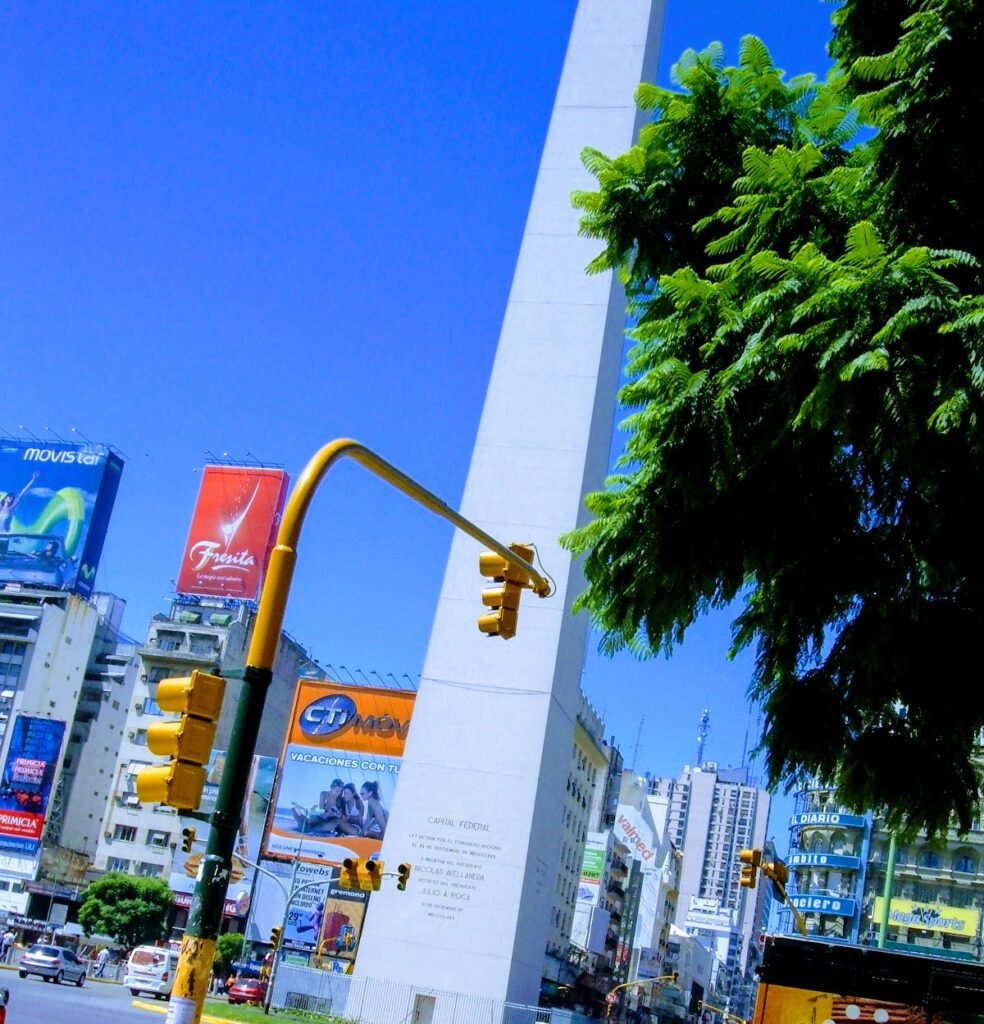
Argentina is the second-largest country in South America by area, stretching from subtropical lowlands in the north to the glaciers of Patagonia in the south. Its capital, Buenos Aires, is one of Latin America’s largest and most culturally influential cities. Rich in energy and agricultural resources, Argentina has long been one of the region’s major
Argentina: Geography, History, Government and Key Facts Read More »
South America's second-largest country, stretching from the Pampas to Patagonia, known for tango, beef and cycles of economic volatility.
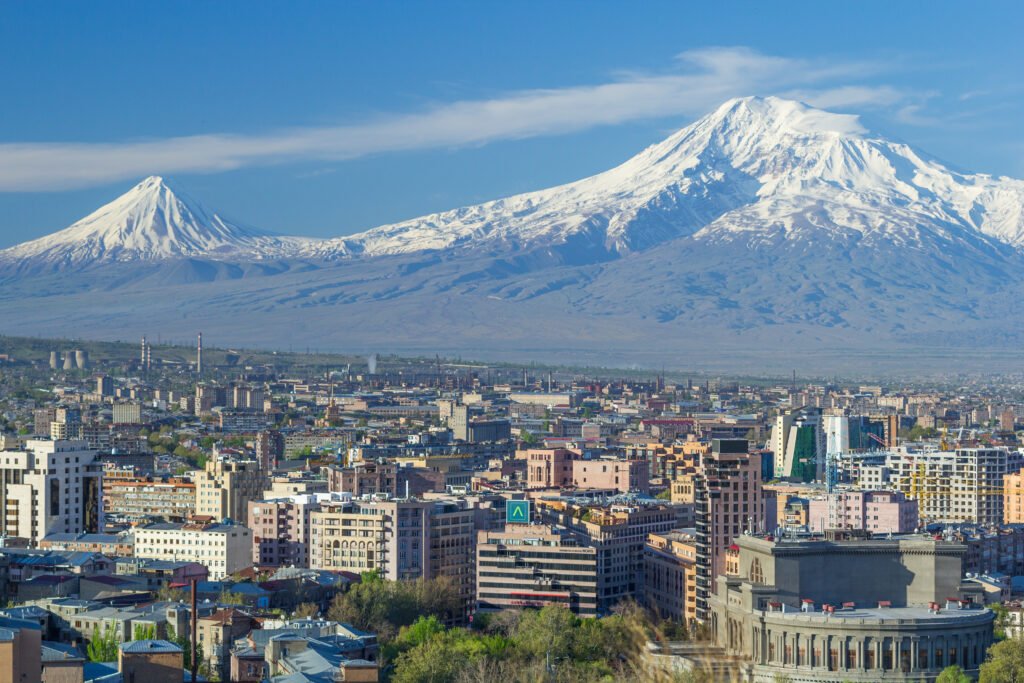
Armenia is a landlocked country in the South Caucasus, at the crossroads of Europe and Asia, bordered by Georgia, Azerbaijan, Iran and Turkey. Its capital, Yerevan, is one of the world’s oldest continuously inhabited cities. Despite regional connectivity challenges and a history marked by conflict and upheaval, Armenia has built a reputation for digital innovation,
Armenia: Geography, History, Government and Key Facts Read More »
A landlocked South Caucasus nation and one of the world's oldest Christian civilizations, known for ancient monasteries and a growing tourism sector.
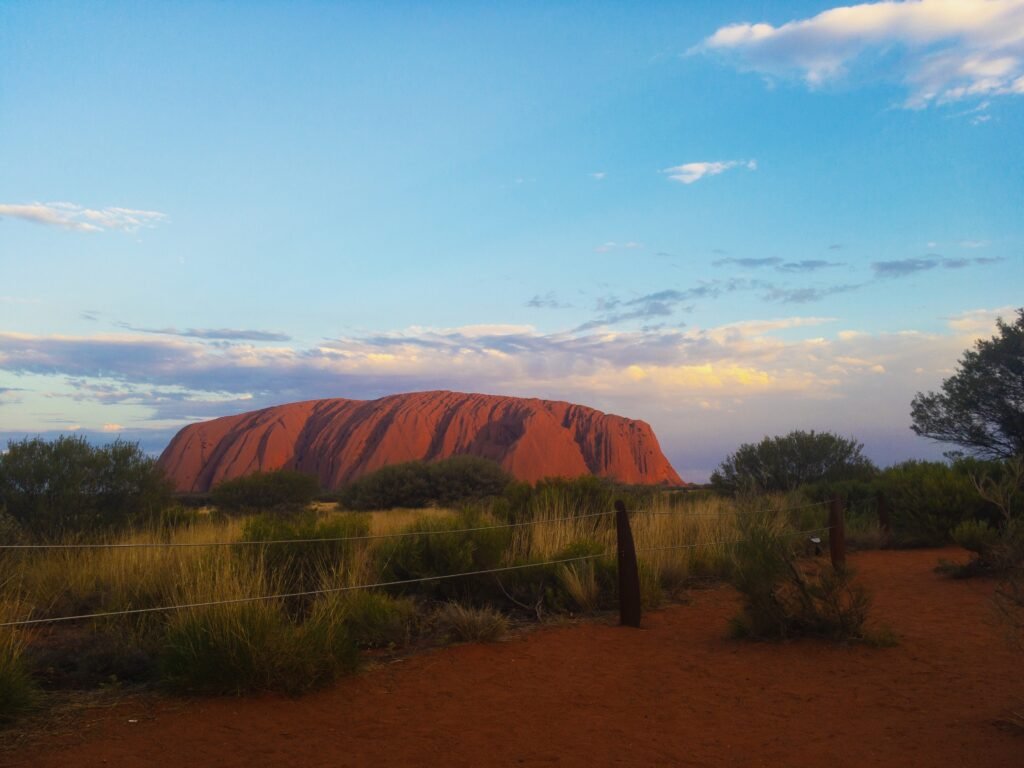
Australia is the world’s smallest continent and sixth-largest country by area, occupying an entire landmass between the Indian and Pacific Oceans. Its capital is Canberra, while Sydney and Melbourne are its largest and most internationally recognized cities. A former British colony federated into a single nation in 1901, Australia is now a high-income, developed economy
Australia: Geography, History, Government and Key Facts Read More »
The world's smallest continent and sixth-largest country, known for unique wildlife, the Great Barrier Reef and a multicultural, high-income economy.
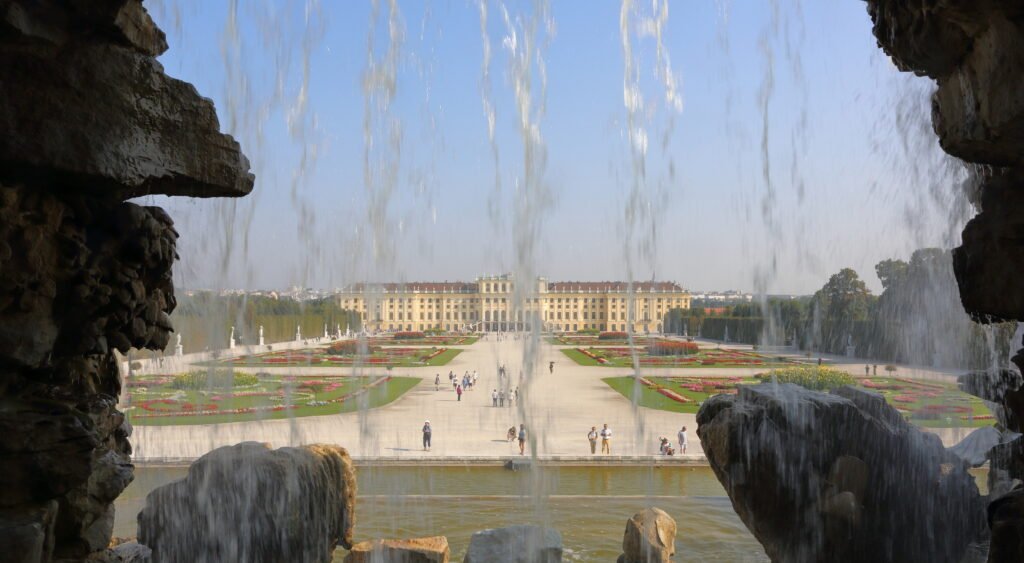
Austria is a landlocked country in Central Europe known for its Alpine landscapes, imperial history and status as one of the world’s wealthiest, most developed economies. Its capital, Vienna, was once the seat of the Habsburg Empire and remains a global center for music, diplomacy and international organizations. Bordered by eight neighboring countries, Austria sits
Austria: Geography, History, Government and Key Facts Read More »
A landlocked Alpine country in Central Europe and former seat of the Habsburg Empire, known for classical music, skiing and Vienna's imperial heritage.