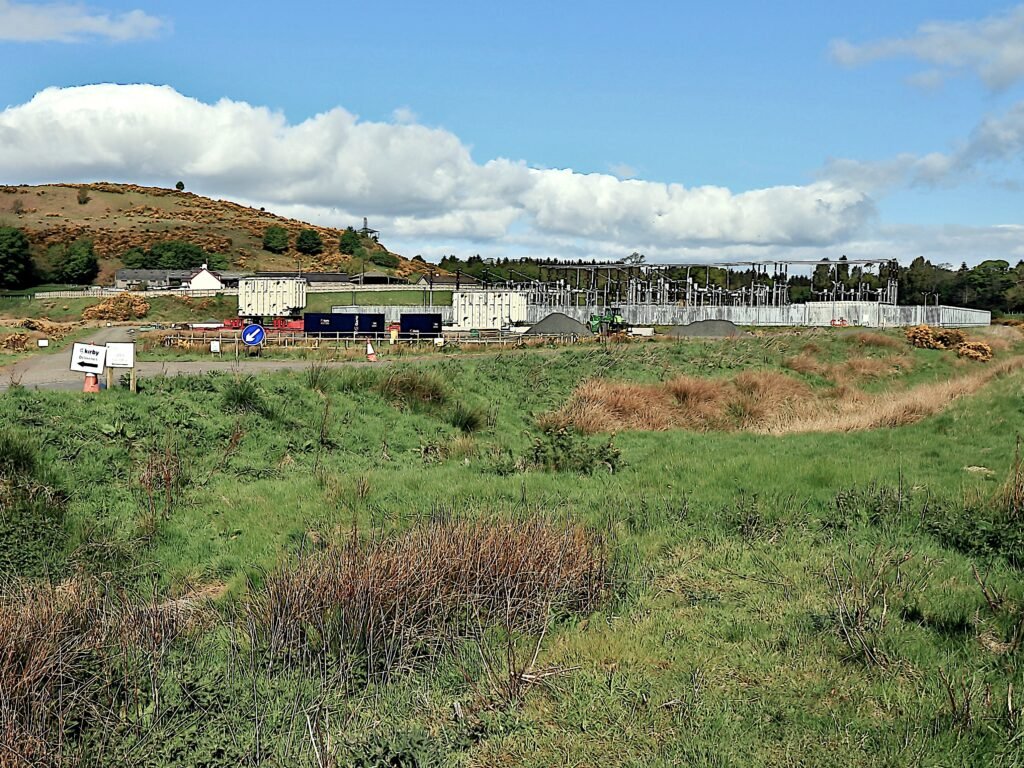
Energy storage refers to technologies that capture energy produced at one time for use at a later time, a capability that has become increasingly important as electricity grids incorporate more wind and solar power, which generate electricity only when the wind blows or the sun shines rather than on a steady, predictable schedule. Energy storage systems range from large grid-scale batteries and pumped hydroelectric facilities to the small battery in a phone, all performing the same fundamental task of bridging the gap between when energy is generated and when it is actually needed.
Battery Energy Storage
Battery storage systems, increasingly built using lithium-ion technology similar to that found in electric vehicles, store electricity chemically and can respond within milliseconds to changes in grid demand, making them valuable for smoothing short-term fluctuations and shifting solar power generated during the day to evening hours when electricity demand often peaks. Battery costs have fallen dramatically over the past decade, driving rapid growth in grid-scale battery installations, from small residential systems paired with rooftop solar to massive battery farms capable of powering thousands of homes for several hours.
Pumped Hydroelectric Storage
Pumped hydroelectric storage, the most widely deployed large-scale energy storage technology in the world by total capacity, works by pumping water uphill into a reservoir when electricity is abundant and cheap, then releasing that water downhill through turbines to generate electricity when demand is high. Though limited to locations with suitable terrain and water access, pumped hydro can store far more energy for far longer durations than most battery systems, making it well suited to balancing supply and demand across entire days or even longer periods.
Other Storage Technologies
Beyond batteries and pumped hydro, several other energy storage approaches serve specific needs. Compressed air energy storage pumps air into underground caverns under pressure, later releasing it to drive turbines. Flywheel storage spins a heavy rotor at high speed, storing energy as rotational motion that can be converted back to electricity very quickly, useful for short bursts of power rather than long-duration storage. Thermal storage systems store energy as heat, often in molten salt or heated materials, particularly useful for concentrated solar power plants that need to keep generating electricity after the sun sets.
Why Storage Matters for the Grid
As wind and solar power grow to represent a larger share of electricity generation, storage becomes increasingly important for maintaining a reliable grid, since these sources cannot simply be turned up on demand the way a fossil fuel power plant can. Storage smooths out the mismatch between when renewable energy is generated and when people actually need electricity, reduces the need to curtail, or waste, excess renewable generation during periods of low demand, and can provide backup power during outages or periods of unusually high demand that would otherwise strain the grid.
Economic and Environmental Considerations
The economics of energy storage depend heavily on how it is used, since a battery that only occasionally discharges to cover rare emergencies earns revenue very differently than one cycling daily to shift solar power into evening hours. Environmental considerations include the mining of materials such as lithium and cobalt used in many batteries, as well as end-of-life recycling, an area of growing investment as the first large wave of grid batteries approaches the end of their useful operating life in the coming years.
History of Energy Storage Technology
Pumped hydroelectric storage dates back more than a century, developed well before most other modern storage technologies existed, while battery technology advanced steadily throughout the twentieth century for smaller-scale applications before lithium-ion batteries, developed in the late twentieth century and refined extensively since, made large-scale, cost-effective grid battery storage practical only within the past couple of decades.
Long-Duration Storage Challenges
Most commercially deployed battery storage today is designed for durations of a few hours, effective for daily shifting of solar power but insufficient for covering multi-day gaps in renewable generation caused by extended cloudy or calm weather. Developing cost-effective long-duration storage, capable of discharging reliably for many hours or even days, remains an active area of research and investment, with technologies including advanced flow batteries, hydrogen produced from excess renewable electricity, and newer forms of thermal and mechanical storage all competing to fill this gap as grids rely more heavily on weather-dependent renewable generation.
Storage Behind the Meter
Not all energy storage sits on the utility side of the grid. Home and business battery systems, often paired with rooftop solar panels, let property owners store excess solar generation for their own later use, reduce reliance on the grid during peak pricing periods, and in some cases provide backup power during outages. These smaller, distributed storage systems are increasingly coordinated through software that can, with owner permission, respond collectively to grid conditions, effectively functioning as a large, decentralized storage resource built from many individually owned systems working together.
FAQs
Why has grid-scale battery storage grown so quickly in recent years?
Rapidly falling battery costs, driven partly by the broader electric vehicle industry, combined with the growing need to manage variable wind and solar generation, have made battery storage increasingly cost-effective for utilities and grid operators.
Why is pumped hydroelectric storage still the largest form of energy storage worldwide?
Pumped hydro has been built for over a century and can store far more energy for longer durations than most batteries, though it requires specific terrain and water access that limits where new facilities can be built.
In the news
Quick checkWhy has grid-scale battery storage grown so quickly in recent years?Show answer
Rapidly falling battery costs, driven partly by the electric vehicle industry, combined with the need to manage variable wind and solar generation, have made storage more cost-effective.
Editorially reviewed by Specialty Digest Editorial TeamLast reviewed November 2, 2026Researched and drafted with AI assistanceReport an issue