Specialty Digest

DISCOVER IDEAS THAT SHAPE OUR WORLD

Section

Education

The latest Specialty Digest coverage in Education.

Education

Education
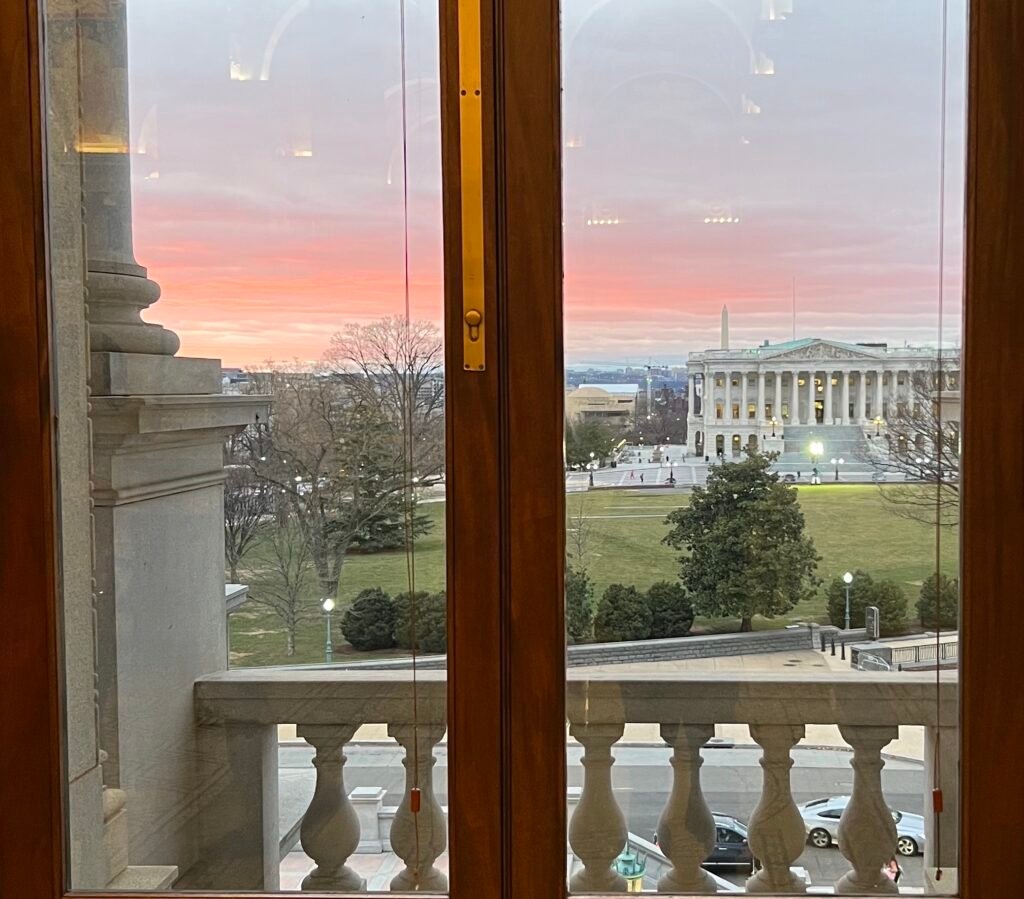
The United States Supreme Court building in Washington, D.C., viewed from the Library of Congress.

How Does the U.S. Supreme Court Actually Decide Cases?

The U.S. Supreme Court decides cases through a months-long sequence that starts with a private vote on whether to even hear a case, moves through written briefs and a tightly timed oral argument, and ends with a closed-door conference and a circulated opinion that has to win over a majority of the nine justices before

How Does the U.S. Supreme Court Actually Decide Cases? Read More »
From a flood of petitions to a private nine-person vote to a slow-circulating draft opinion, here is the actual process behind a Supreme Court ruling.

Education
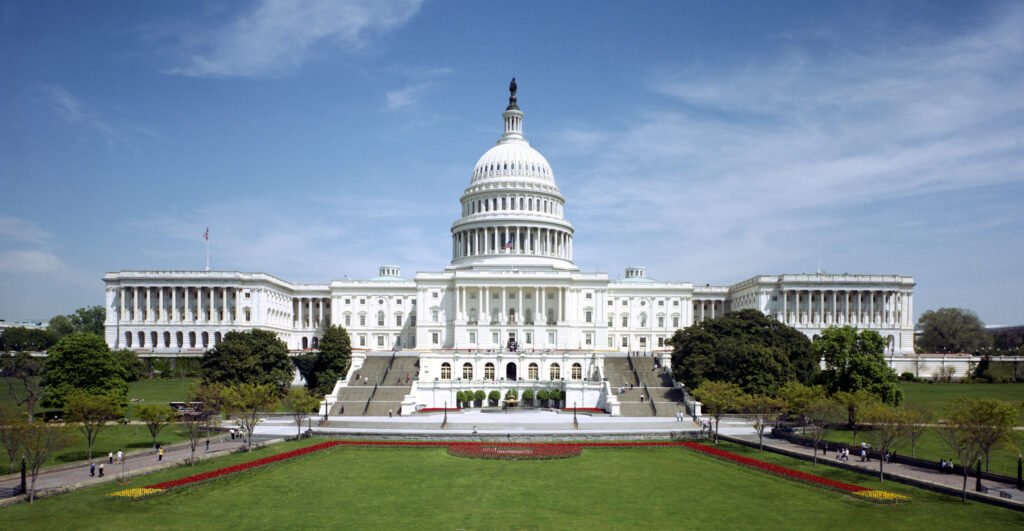
The United States Capitol building, home to both the House of Representatives and the Senate.

What Is the Difference Between the House and the Senate?

The House and Senate are Congress’s two chambers, built with almost opposite instincts: the House for speed and population, the Senate for stability and equal state representation. Both must pass identical bill text before anything becomes law, but how each chamber is built, and what each is allowed to do alone, differs sharply. The Membership

What Is the Difference Between the House and the Senate? Read More »

One chamber is built for speed and population, the other for equal state power and slow deliberation — here is what actually separates the House from the Senate.

Education
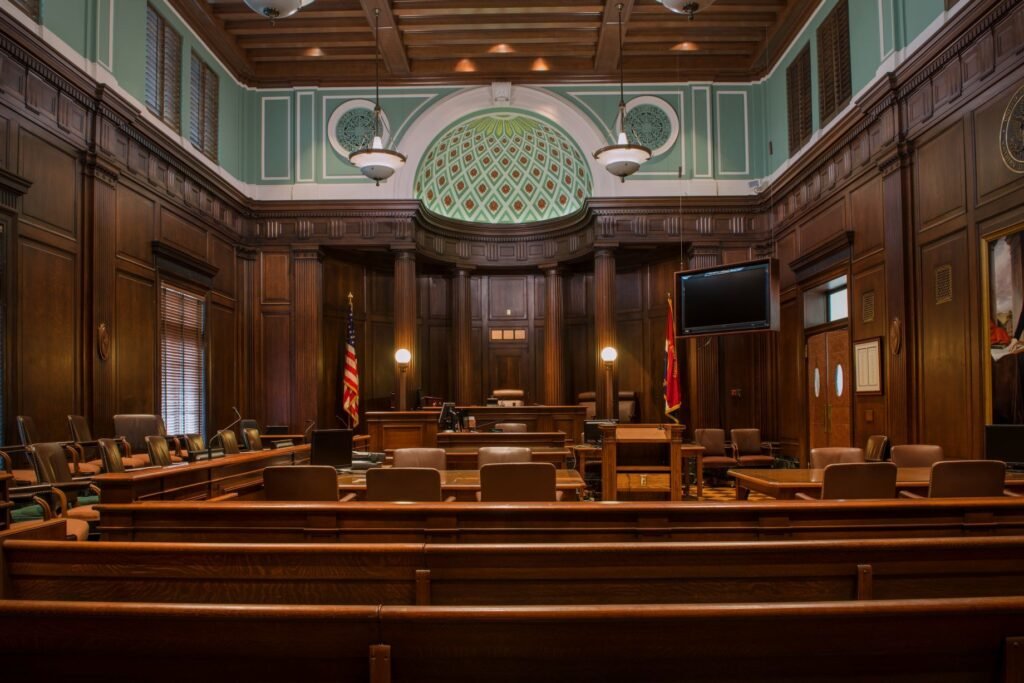
A federal courtroom inside the United States Courthouse in Augusta, Georgia.

How Does the U.S. Court System Actually Work?

The U.S. court system actually runs as two separate systems working in parallel — a federal judiciary and 50 individual state judiciaries — and which one handles a given case depends entirely on what kind of legal question is being asked. Almost every dispute in the country, from a speeding ticket to a constitutional challenge,

How Does the U.S. Court System Actually Work? Read More »

Federal and state courts run as two separate systems with their own rules, judges, and reach — here's how a case actually moves through either one.

Education
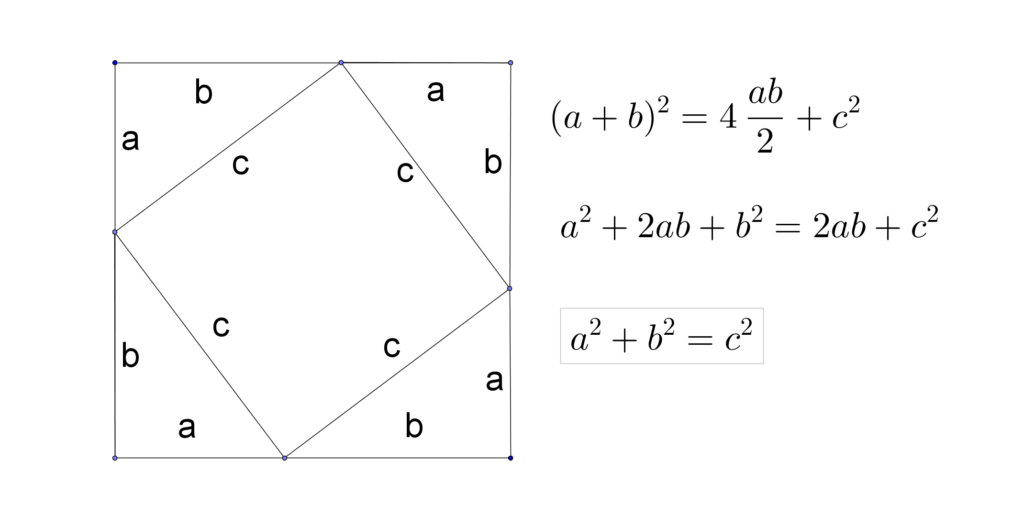
Diagram showing the algebraic proof of the Pythagorean theorem using squares on each side of a right triangle.

What Is the Pythagorean Theorem, and Why Does It Work?

The Pythagorean theorem says that for any right triangle, the square of the longest side equals the sum of the squares of the other two: a^2 + b^2 = c^2. It looks like a bare formula from a whiteboard, but it is really a statement about space itself, one precise enough to guide GPS satellites

What Is the Pythagorean Theorem, and Why Does It Work? Read More »

The formula every geometry student memorizes actually rests on a proof so simple you can see it just by rearranging shapes.

Education
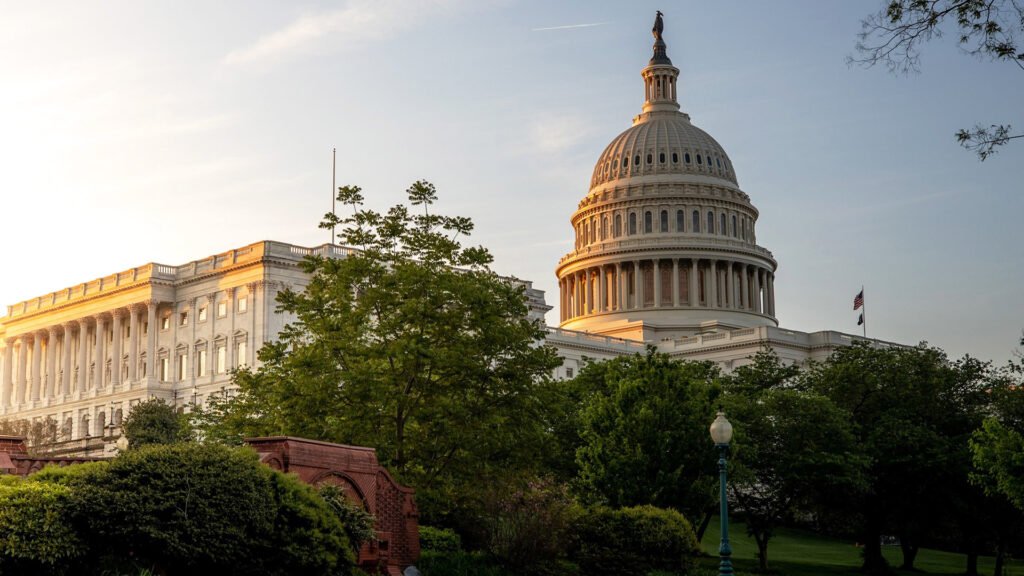
The United States Capitol building at sunrise, where Congress certifies the Electoral College count.

How Does the Electoral College Actually Work?

The Electoral College decides U.S. presidential elections through 538 electors distributed across the 50 states and Washington, D.C., rather than through a single national vote count — and a candidate needs 270 of those electoral votes, just over half, to win. How Electoral Votes Are Assigned to Each State Every state’s elector count equals its

How Does the Electoral College Actually Work? Read More »

538 electors, a 270-vote majority, and a winner-take-all system in 48 states. Here is the mechanics behind how the U.S. actually picks a president.

Education
A teacher and students in a classroom, representing access to education

The Number That Won’t Move: 273 Million Children Are Still Out of School

UNESCO’s newest count marks a seventh straight year of increase, even as global school enrollment reaches historic highs. The gap between the two numbers is now the story.

The Number That Won’t Move: 273 Million Children Are Still Out of School Read More »

UNESCO's 2026 report finds 273 million children out of school worldwide, a number that has now risen for seven straight years.

Education
A student writing in a notebook while doing homework at a desk

What the Research Actually Says About Homework

Ask a parent whether homework helps and you’ll get a confident answer either way. The honest research answer is less quotable: it depends mostly on how old the child is. Homework shows a real, measurable benefit from around middle school onward — but for elementary-age kids, the evidence that it improves grades is close to

What the Research Actually Says About Homework Read More »

The evidence is more mixed — and more age-dependent — than either side of the debate usually admits.