Specialty Digest

DISCOVER IDEAS THAT SHAPE OUR WORLD

Section

Health

The latest Specialty Digest coverage in Health.

Health

Health
A person stretching before exercise, a habit linked to reducing post-workout muscle soreness.

Why Do Muscles Get Sore After Exercise?

The ache that shows up a day or two after leg day isn’t caused by lactic acid — that’s a myth that has stuck around for decades. The real cause is microscopic damage to muscle fibers, and the repair process the body launches in response. The Lactic Acid Myth, Debunked by Timing Alone Lactic acid

Why Do Muscles Get Sore After Exercise? Read More »

Lactic acid isn't the culprit — the real cause of post-workout soreness is microscopic muscle damage and the repair process that follows.

Health
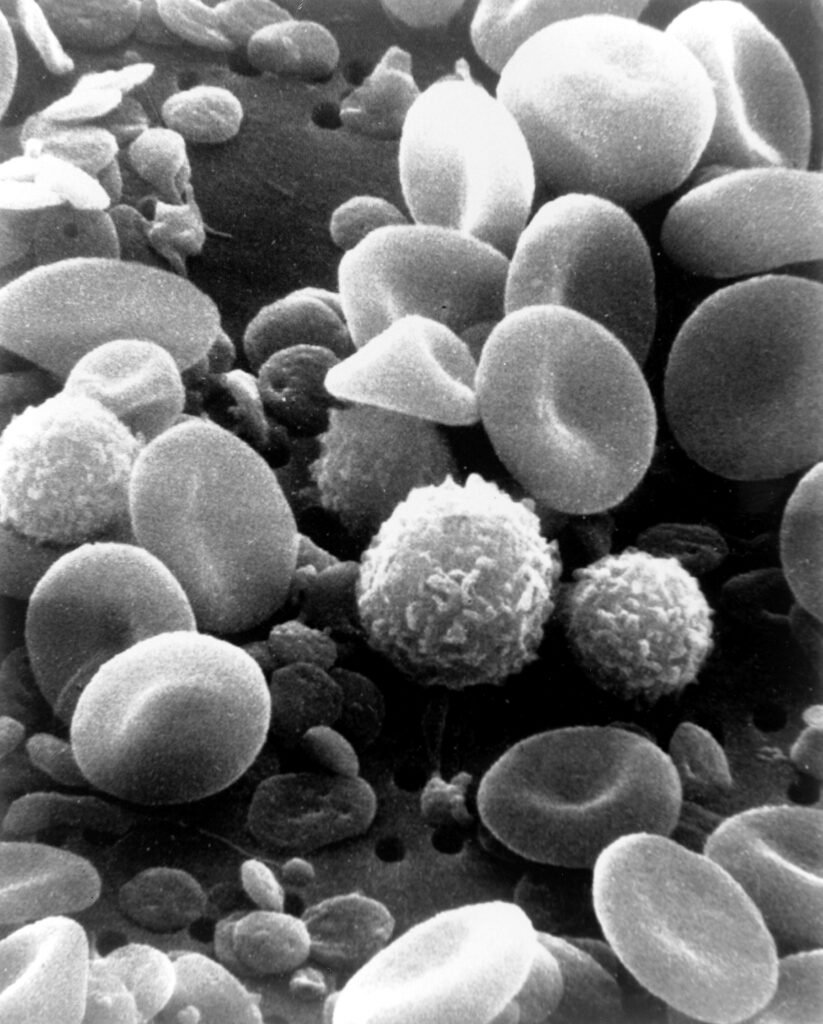
A colorized scanning electron micrograph of red blood cells and a white blood cell, a key player in the immune system.

How Does the Immune System Actually Work?

The immune system defends the body with two systems working together: a fast, general-purpose responder that reacts to anything unfamiliar, and a slower, highly specific one that remembers every threat it has ever faced. The First Line: Innate Immunity Innate immunity is the protection you’re born with, and it responds immediately. The Cleveland Clinic describes

How Does the Immune System Actually Work? Read More »

A fast, general-purpose defense and a slower, precise one that remembers every invader it has faced — here is how the two-part immune system actually operates.

Health
Fresh fruits and vegetables laid out for healthy meal planning, relevant to eating-window based diets like intermittent fasting.

What Is Intermittent Fasting?

Intermittent fasting is an eating pattern built around when you eat rather than what you eat or how many calories you count. Instead of restricting particular foods, it restricts the hours during which you eat, and researchers are still working out exactly how much that timing shift matters on its own. Why timing, not food,

What Is Intermittent Fasting? Read More »

It's not about what you eat but when — here's what Johns Hopkins and NIH research actually say about fasting schedules and metabolic switching.

Health
A chocolate soft-serve ice cream cone, the kind of cold treat that can trigger brain freeze.

Why Do We Get Brain Freeze?

Brain freeze is not your brain actually getting cold — nothing inside the skull drops in temperature during it. The sharp pain behind the forehead after a few fast bites of ice cream or a gulp of a slushie comes from blood vessels overreacting to sudden cold, not from cold reaching brain tissue at all.

Why Do We Get Brain Freeze? Read More »

That stabbing forehead pain from a fast bite of ice cream isn't your brain freezing — it's blood vessels and a nerve overreacting to sudden cold.

Health
A close-up of a wine glass, representing alcohol consumption that can lead to a hangover.

What Actually Causes a Hangover?

A hangover is the result of several distinct biological processes happening at once, not one single cause. Researchers have mapped out the main contributors — a toxic byproduct of alcohol breakdown, dehydration, body-wide inflammation and disrupted sleep — and none of them is simply “too much alcohol” in a vague sense. The Acetaldehyde Problem When

What Actually Causes a Hangover? Read More »

A hangover isn't just one thing — it's dehydration, inflammation, a toxic byproduct of alcohol, and disrupted sleep, all hitting at once.

Health
A clear glass of water sitting outdoors, representing daily hydration.

How Much Water Should You Actually Drink a Day?

Not exactly — and the science behind daily water needs is more specific than “eight glasses a day” suggests. There’s no single hydration rule that fits every body, but major health bodies have worked out ranges that are considerably more useful than the old rule of thumb — and those ranges count more than just

How Much Water Should You Actually Drink a Day? Read More »

The old "eight glasses a day" rule is more myth than science — here's what the actual research says about staying hydrated.

Health
A bedside alarm clock in a dimly lit bedroom, representing healthy sleep and wake schedules.

How Much Sleep Do Adults Actually Need?

Most adults need at least seven hours of sleep a night, and for many people more is better. That is the consistent guidance from both the U.S. Centers for Disease Control and Prevention and the National Sleep Foundation’s expert consensus panel — not a personal biohacked number, just a floor most adults function best above.

How Much Sleep Do Adults Actually Need? Read More »

The CDC and the National Sleep Foundation agree on a floor for adults: seven or more hours a night. Here is what changes that number, and what happens when you miss it.

Health
A physician examines a patient during a routine clinical checkup, with colleagues observing

The Hidden Cost of Health Systems That Wait for People to Get Sick

A children’s vaccine costs a health system a few dollars today and might prevent a hospitalization a decade from now — but the accountant closing this year’s books rarely sees the connection. The idea that preventive care saves money has been political shorthand for a generation of health reform. It shows up in campaign speeches,

The Hidden Cost of Health Systems That Wait for People to Get Sick Read More »

Preventive care is cheaper in theory. Most systems still aren't built to pay for it.

Health
A nurse communicates health guidance to a mother holding her young daughter

A Conversation on What Makes Public Health Advice Actually Change Behavior

Ask ten public health communicators what makes a campaign work, and most will start with the same word: trust. The research increasingly agrees — but it also complicates some comfortable assumptions about what actually builds it. This piece isn’t built around a single interview. It’s a synthesis of what’s already on the record — published

A Conversation on What Makes Public Health Advice Actually Change Behavior Read More »

Why some public health campaigns work and most don't.