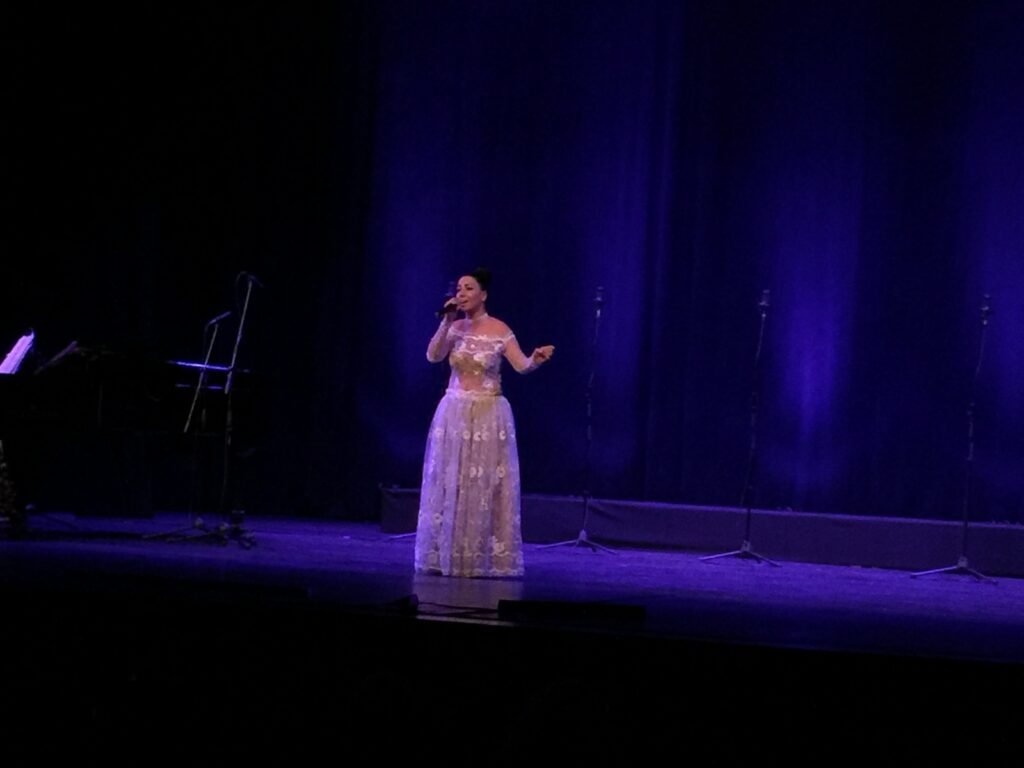
An aria is a self-contained vocal solo within a larger work, typically an opera, cantata, or oratorio, that showcases a single singer’s voice and emotional expression, usually set apart from the surrounding sung dialogue by a distinct melodic and rhythmic character. Arias give performers room to display vocal technique and dramatic feeling in a way that the more conversational music around them typically does not, and they remain opera’s most recognizable and frequently excerpted moments.
Recitative and the aria distinction
Opera built its musical structure around two contrasting modes of sung delivery: recitative, which carries the plot forward through speech-like melody closely following the natural rhythm of language, and the aria, which pauses the action for a more musically elaborate reflection on emotion or character. Early Baroque recitative, known as secco recitative, was accompanied by only a simple continuo instrument such as harpsichord or cello, keeping the texture light so the words stayed intelligible, while accompagnato recitative added fuller orchestral accompaniment for moments of heightened drama. This back-and-forth between plain recitative and musically rich aria became the basic structural unit of opera for more than two centuries, and composers relied on the contrast to control dramatic pacing across a full evening’s performance.
Baroque opera seria and the da capo aria
By the early eighteenth century, the serious opera genre known as opera seria had standardized the aria into the da capo form, in which an opening section was followed by a contrasting middle section before the singer repeated the opening material, typically adding improvised vocal ornamentation the second time through. This repeating structure gave star singers, including the castrati whose unbroken high voices dominated Italian opera houses, a formalized opportunity to demonstrate vocal agility and personal flair, and audiences often attended performances specifically to hear a favorite singer’s ornamented return to the opening melody. Composers including Alessandro Scarlatti and Handel wrote dozens of da capo arias for the leading singers of their day, often tailoring the vocal writing to a specific performer’s strengths.
Gluck’s reforms
By the 1760s, composer Christoph Willibald Gluck led a reform movement against what he saw as opera seria’s excessive vocal display at the expense of dramatic truth. Gluck favored simpler, more natural melodic lines that served the drama directly rather than existing mainly to showcase a singer’s technical range, arguing in the preface to his opera Alceste that music should intensify a scene’s emotional and dramatic content rather than interrupt it for ornamental effect. His reforms influenced opera composers for generations afterward, even those who did not follow his example directly.
Bel canto’s florid lines
In the early nineteenth century, Italian composers including Gioachino Rossini, Gaetano Donizetti, and Vincenzo Bellini developed the bel canto style, which again prized long, flowing, highly ornamented vocal lines, though generally in service of graceful lyrical beauty rather than sheer technical display. Bel canto arias demanded exceptional breath control and agility, and the style produced some of opera’s most enduringly popular melodies, many of which remain audition staples for opera singers today.
Verdi blurring the boundary
Giuseppe Verdi gradually dissolved the sharp line between recitative and aria across his career. In Rigoletto, premiered in 1851, Verdi wrote scenes that flow continuously between conversational exchange and lyrical outburst without the older formal seams, and by his final opera, Falstaff, completed in 1893, he had largely replaced extended set-piece arias with short, quickly shifting melodic motifs tightly bound to the comic action on stage. This gradual dissolution reflected a broader nineteenth-century shift toward continuous, dramatically integrated musical storytelling.
Wagner’s endless melody
German composer Richard Wagner went further still, rejecting the aria and recitative distinction almost entirely in his mature operas in favor of what he called endless melody, a continuously evolving orchestral and vocal texture without clearly separated set pieces. For Wagner, carving out a self-contained aria interrupted the unified dramatic and musical flow he wanted his operas to sustain across hours of continuous music, and his later works largely avoid moments audiences could applaud as standalone numbers.
Stravinsky’s deliberate revival
Igor Stravinsky took the opposite path in his 1951 opera The Rake’s Progress, deliberately reviving the older, clearly separated recitative-and-aria structure as part of a broader neoclassical return to earlier musical forms. The choice was a conscious historical reference rather than a lapse into convention, using the old structural clarity to serve Stravinsky’s own distinctly twentieth-century musical language, complete with a harpsichord-accompanied secco recitative in deliberate imitation of Baroque practice.
Famous arias in the repertoire
Certain arias have become famous as independent concert pieces, performed and recorded separately from the full operas that contain them. Giacomo Puccini’s “Nessun dorma,” from his opera Turandot, and Mozart’s demanding Queen of the Night aria from The Magic Flute are frequently excerpted on their own, a testament to how a single well-crafted aria can outlive its surrounding work in popular memory even among listeners who have never seen the complete opera performed.
Arias beyond opera
Arias also appear outside opera, in sacred and secular cantatas, oratorios, and stand-alone concert arias written for performance apart from any staged drama, often accompanied by a full orchestra rather than the lighter continuo used in early recitative. Johann Sebastian Bach’s cantatas and George Frideric Handel’s oratorios, including Messiah, both make extensive use of the form, and concert arias in particular let a composer explore a single aria’s emotional and vocal possibilities entirely free of any surrounding plot, a tradition Mozart in particular used to write show pieces for specific singers he admired.
FAQs
What is the difference between an aria and a recitative? A recitative carries the story forward through speech-like melody meant to keep words clear, while an aria pauses the action for a more musically developed reflection on emotion, usually showcasing the singer’s voice more fully.
Why did Wagner reject the traditional aria? Wagner wanted his operas to flow as one continuous musical and dramatic whole, known as endless melody, and felt that pausing for a self-contained aria broke that unity.
Key facts
- The aria contrasts with recitative, which carries the plot forward in speech-like melody
- Baroque opera seria standardized the da capo aria form for star singers
- Gluck's 1760s reforms favored natural melody over vocal display
- Wagner's endless melody abolished the aria and recitative distinction
Related concepts
Quick checkWhat is the main structural contrast an aria creates within an opera?Show answer
An aria pauses the forward-moving, speech-like recitative for a more musically developed, emotionally expressive solo passage.
Sources
- Britannica, Aria
- The Metropolitan Opera Guild, Opera Terms
- Encyclopedia.com, Da Capo Aria
Editorially reviewed by Specialty Digest Editorial TeamLast reviewed November 1, 2026Researched and drafted with AI assistanceReport an issue