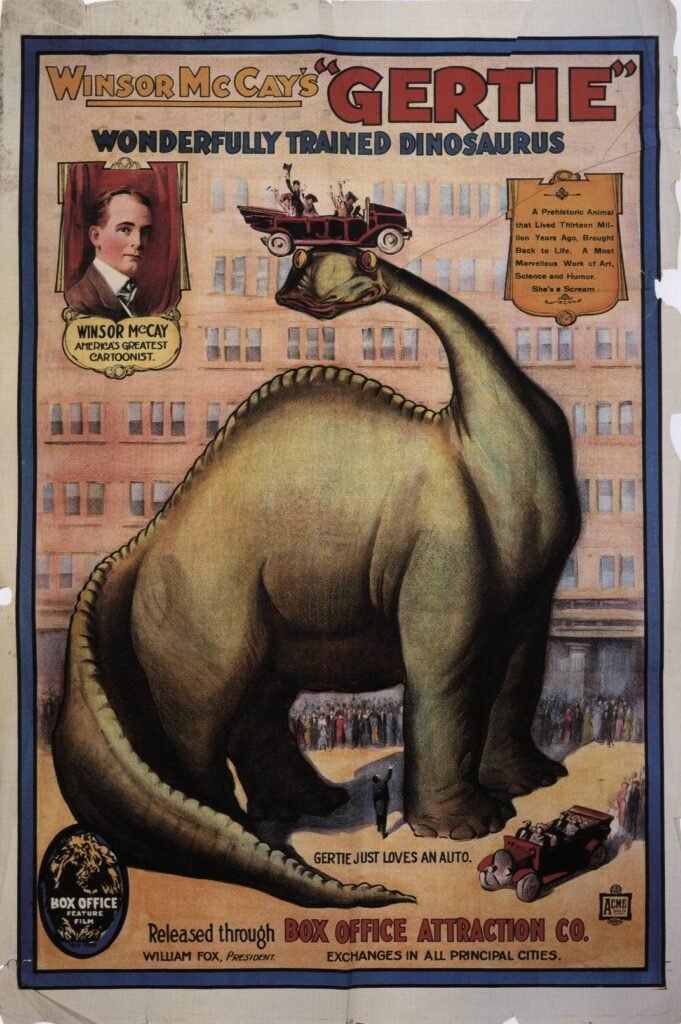
Animation is the technique of creating the illusion of movement by displaying a rapid sequence of still images, each slightly different from the one before it, so that the human eye and brain perceive continuous motion rather than a series of separate pictures. Animation can be created through drawing, painting, physical models, computer-generated imagery, or
Animation Read More »
The technique of creating motion illusion from a rapid sequence of still images, from Gertie the Dinosaur (1914) to modern CGI.
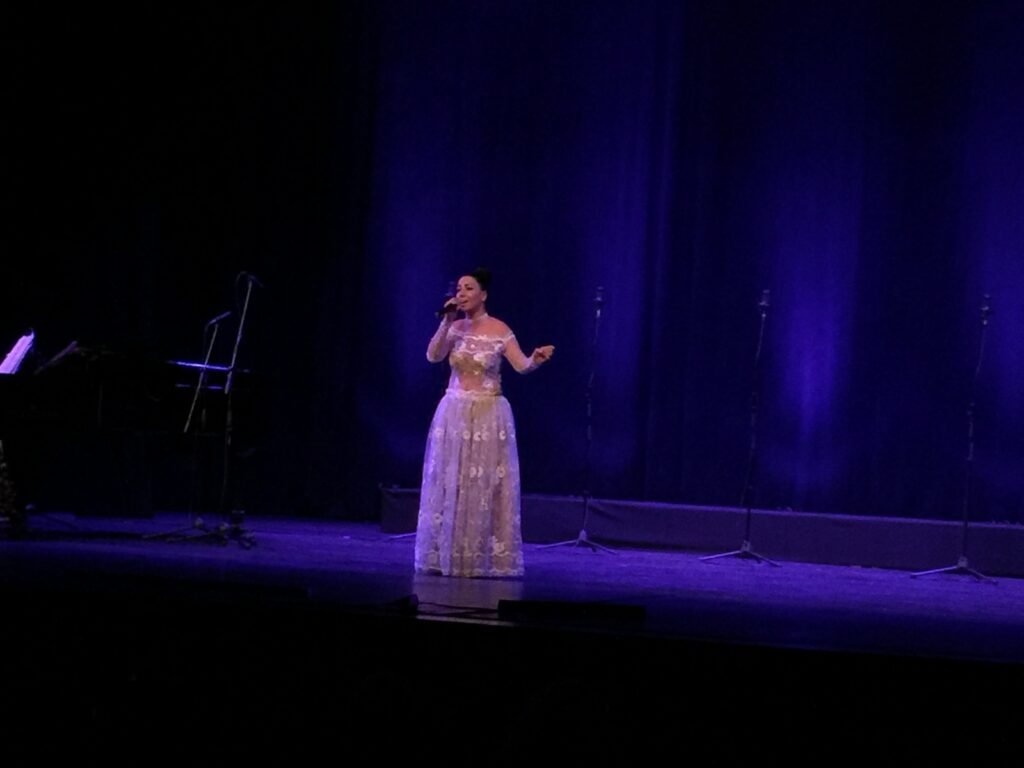
An aria is a self-contained vocal solo within a larger work, typically an opera, cantata, or oratorio, that showcases a single singer’s voice and emotional expression, usually set apart from the surrounding sung dialogue by a distinct melodic and rhythmic character. Arias give performers room to display vocal technique and dramatic feeling in a way
Aria Read More »
A self-contained vocal solo within an opera, cantata, or oratorio that showcases a singer's voice and emotion.
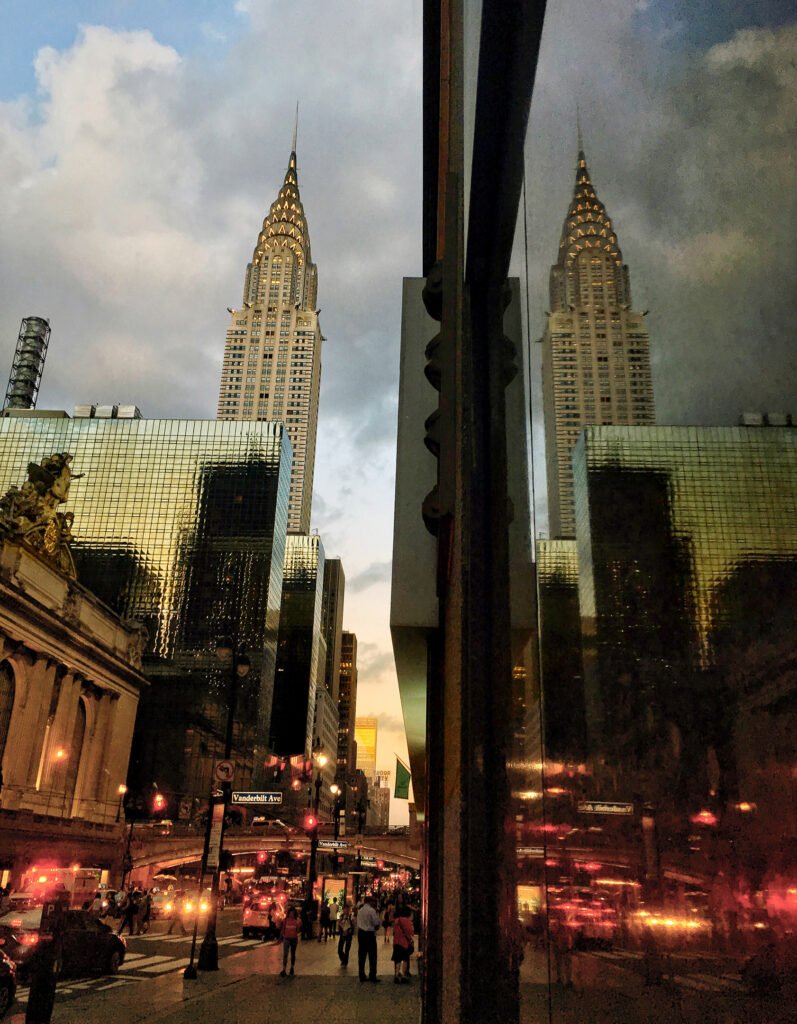
Art Deco is a decorative arts and architecture style defined by streamlined geometric forms, bold symmetrical ornament, and an enthusiastic embrace of modern, machine-made materials. It flourished internationally from the 1920s through the 1930s, shaping buildings, furniture, jewelry, fashion, and graphic design with a visual language that one historian described as modernism turned into fashion.
Art Deco Read More »
A decorative arts and architecture style of streamlined geometric forms and machine-age materials, popular in the 1920s-1930s.
Art Nouveau is a decorative style that flourished internationally from roughly 1890 to 1910, characterized by flowing, organic lines drawn from plant forms and a distinctive ambition to unify architecture, furniture, jewelry, and graphic design into a single coordinated visual whole, often called a ‘total work of art.’ Victor Horta and Hotel Tassel Belgian architect
Art Nouveau Read More »
A decorative style of flowing, organic lines drawn from plant forms, flourishing internationally from about 1890 to 1910.
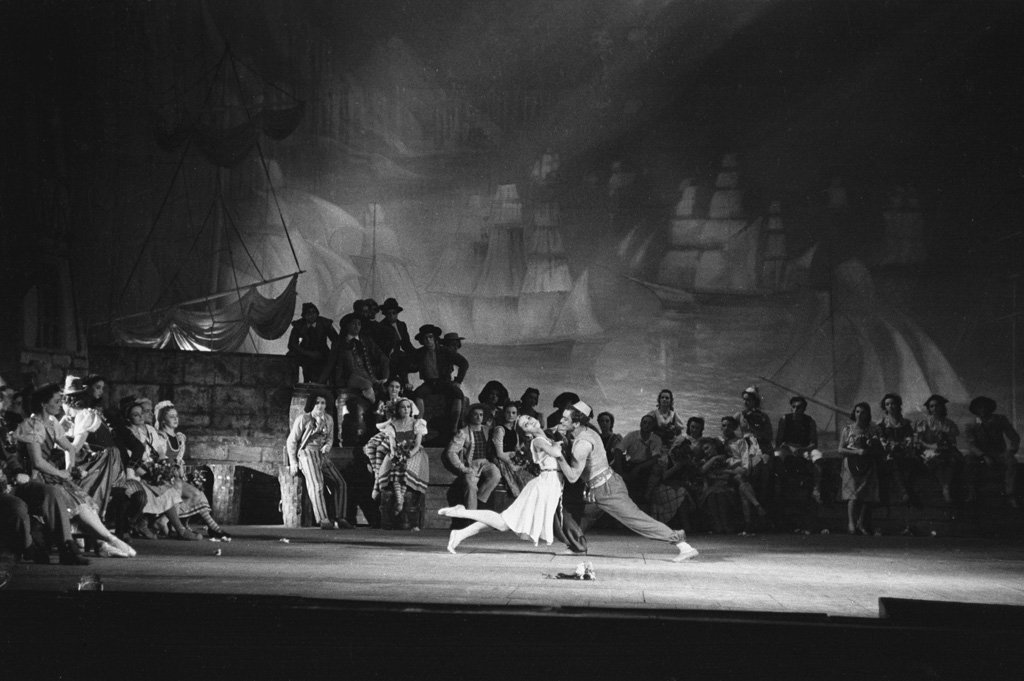
Ballet is a formal, highly codified style of theatrical dance that developed out of Renaissance Italian court entertainment before being systematically formalized in seventeenth-century France, producing a precise technical vocabulary and performance tradition that continues to shape concert dance worldwide. Formalization under Louis XIV King Louis XIV of France established the Academie Royale de Danse
Ballet Read More »
A formal, highly codified style of theatrical dance formalized in 17th-century France.
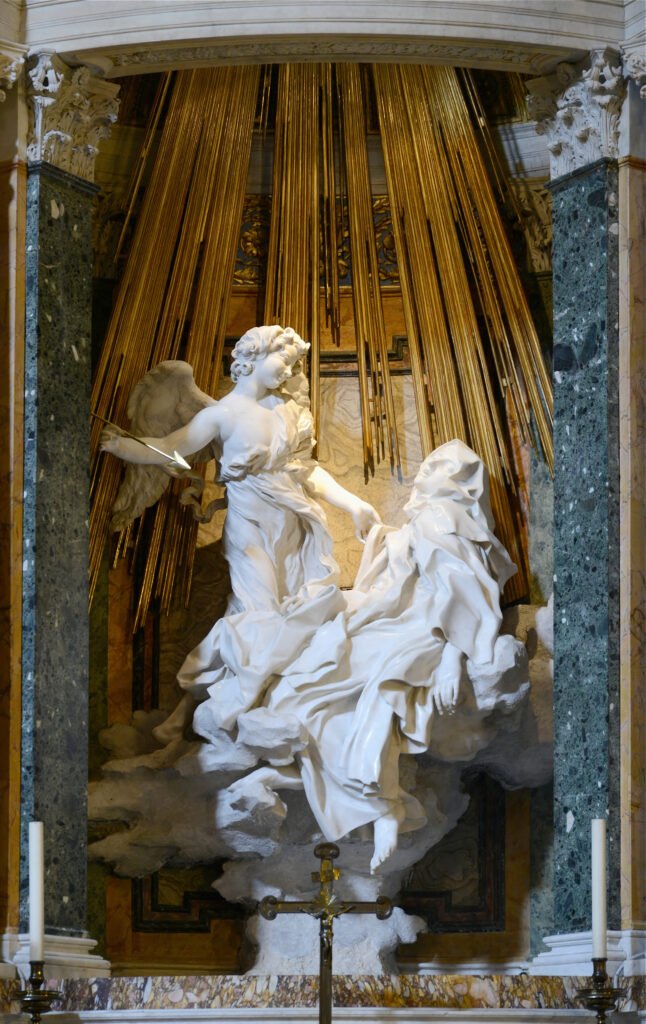
Baroque is the dramatic, highly ornamented style that dominated European art and architecture from roughly 1600 to the early eighteenth century, marked by intense movement, strong contrasts of light and shadow, and a theatrical sense of grandeur intended to overwhelm the viewer emotionally rather than simply please the eye. The style first took shape in
Baroque Read More »
A dramatic, highly ornamented European art and architecture style of roughly 1600 to the early 1700s, born in Counter-Reformation Rome.
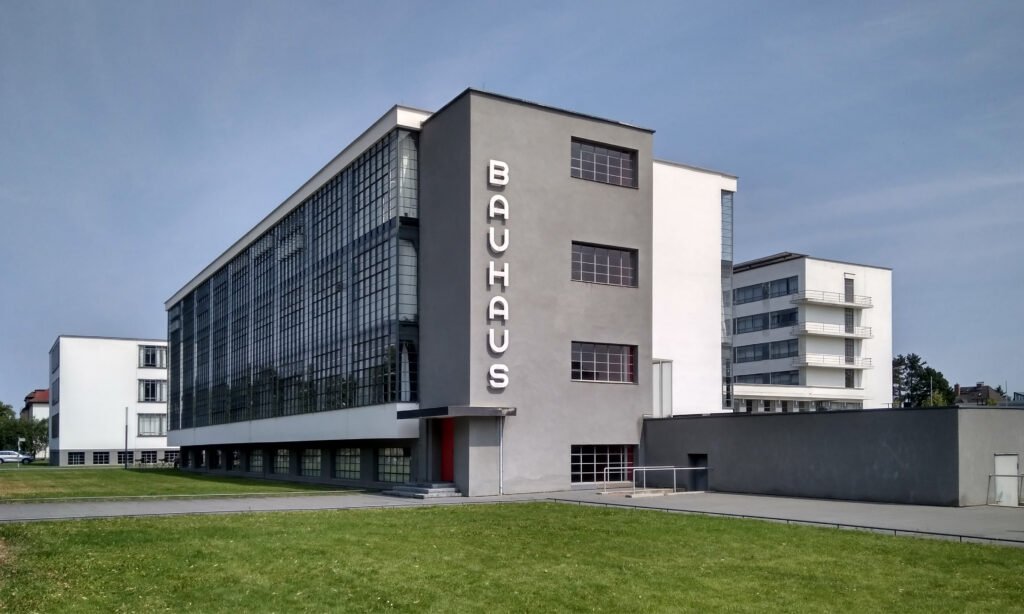
The Bauhaus was an influential German art and design school, founded by architect Walter Gropius in Weimar in 1919, that set out to unify fine art, craft, and industrial technology into a single comprehensive approach to design rather than treating them as separate disciplines. Founding principles Gropius envisioned the Bauhaus as a place where painters,
Bauhaus Read More »
An influential German art and design school (1919-1933) that unified fine art, craft, and industrial technology.
Brand identity is the set of visual and verbal elements, including a name, logo, color palette, typography, and tone of voice, that a company deliberately builds to represent itself and shape how people perceive it. It is distinct from brand image, which is the impression consumers actually form in their own minds, since a company
Brand identity Read More »
The visual and verbal elements a company builds to represent itself, including its logo, colors, typography and tone of voice.
In simple terms Brutalism is a mid-20th-century architectural style defined by raw, exposed building materials, most often unfinished concrete, and heavy, blocky forms that make little attempt to hide a building’s structure or soften its appearance. [1] The name comes from the French phrase beton brut, meaning raw concrete. [1] How it works Brutalist buildings
Brutalism Read More »
Brutalism is a mid-20th-century architectural style defined by raw, exposed building materials, most often unfinished concrete, and blocky, heavy-looking forms.
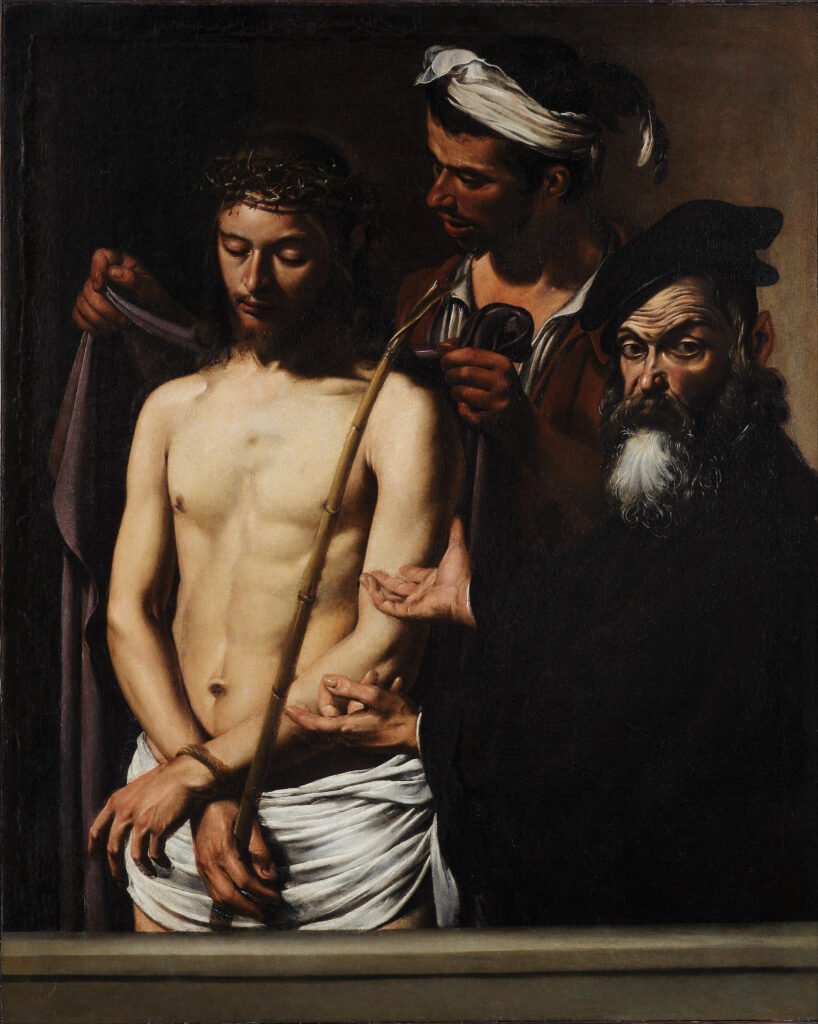
Chiaroscuro, from the Italian words for light and dark, refers to the use of strong contrast between light and shadow within a work of art, a technique artists use to create a sense of volume, drama, and three-dimensional form on a flat surface. Origins of the term The term originally described a specific type of
Chiaroscuro Read More »
The use of strong light-and-dark contrast in art to create a sense of volume and drama.