In simple terms
A language is endangered when the community that speaks it has begun passing a more dominant language to its children. Speaker numbers are the symptom. The break in transmission is the condition itself.
Ethnologue, published by SIL Global, counts 3,226 endangered languages in its 2026 edition, about 44 percent of the languages it tracks, out of 7,170 in use today.
How it works
Endangerment is graded rather than a yes or no. Ethnologue places each language on a scale it calls EGIDS. A language counts as stable when all the children in the community are still acquiring and using it, and a stable language can still slip later. Institutional languages, meaning those adopted by governments, schools and mass media, are least likely to become endangered, and many are also used widely as second languages.
The totals are careful estimates under real uncertainty rather than a census. Endangered languages often have very few users left, which makes basic information hard to collect, and the last known speaker may die without any public record. Ethnologue states that the count changes constantly.
Policy has followed the evidence. The United Nations General Assembly, in resolution A/RES/74/135, proclaimed 2022 to 2032 the International Decade of Indigenous Languages, a UNESCO-coordinated effort to preserve, revitalize and support indigenous languages worldwide.
Why it matters
Language loss concentrates the world’s speech into fewer channels. The 20 largest languages are already the first language of more than 3.7 billion people, roughly 0.3 percent of the world’s languages covering nearly half of humanity. When a small language stops being learned, what usually goes with it is undocumented: place names, plant uses, oral history and ways of counting or classifying that exist in no other record.
Where you’ll see it
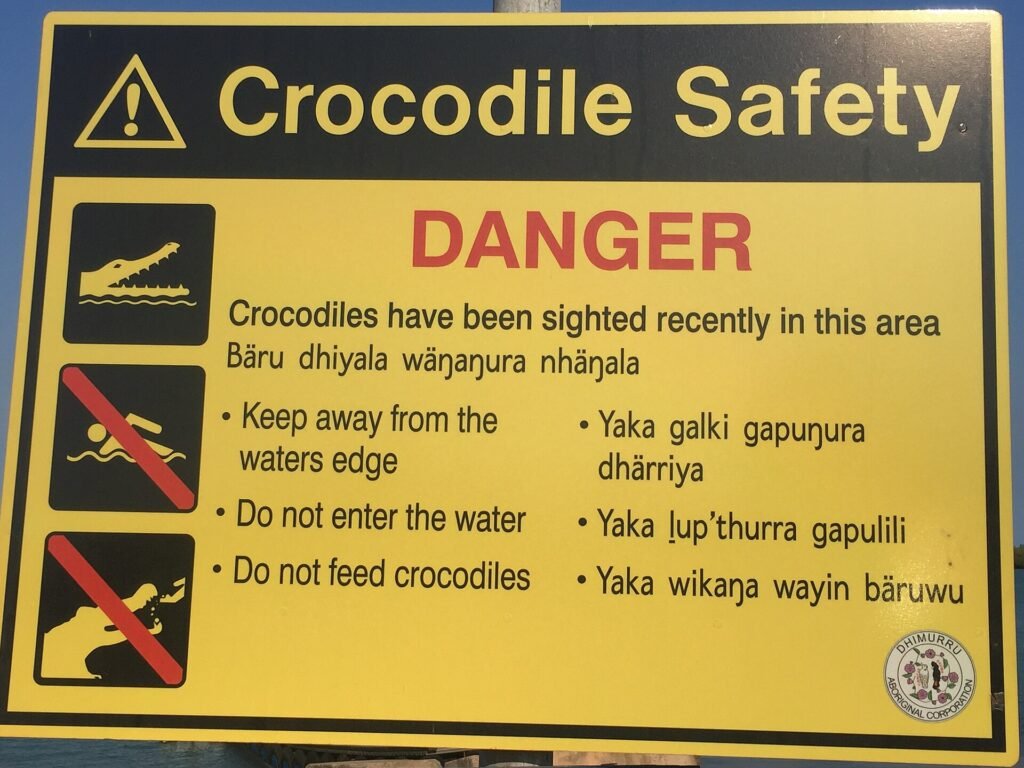
- Bilingual road signs, school programs and broadcasting in indigenous languages
- Census questions that ask which language is spoken at home
- Archives and recording projects that document remaining speakers
- Activities of the International Decade of Indigenous Languages, 2022 to 2032
Example
A village where grandparents speak the local language, parents understand it and children answer in the national language fits the definition of endangerment, even while the total speaker count still looks healthy.
Often confused with
A minority language is not automatically endangered, and a large language is not automatically safe. What decides the label is whether children are still acquiring the language.
Key facts
- Ethnologue counts 3,226 endangered languages, about 44 percent of the languages it tracks on its EGIDS measurement scale.1
- A language becomes endangered when its users begin passing a more dominant language on to the children of the community.1
- Institutional languages, adopted by governments, schools and mass media, are the least likely to become endangered.1
- There are 7,170 languages in use today, and the 20 largest are the native tongue of more than 3.7 billion people between them.2
- United Nations General Assembly resolution A/RES/74/135 proclaimed 2022 to 2032 the International Decade of Indigenous Languages.3
Related concepts
Quick checkWhat is the clearest sign that a language has become endangered?Show answer
Children in the community are no longer acquiring it, because a more dominant language is being passed on instead.
Sources
- Ethnologue, SIL Global. How many languages are endangered?. Undated, 2026 edition (accessed Accessed 21 October 2026)
- Ethnologue, SIL Global. How many languages are there in the world?. Undated, 2026 edition (accessed Accessed 21 October 2026)
- UNESCO. Indigenous Languages Decade (2022-2032). Undated (accessed Accessed 21 October 2026)
Editorially reviewed by Specialty Digest Editorial TeamLast reviewed October 21, 2026Researched and drafted with AI assistanceReport an issue