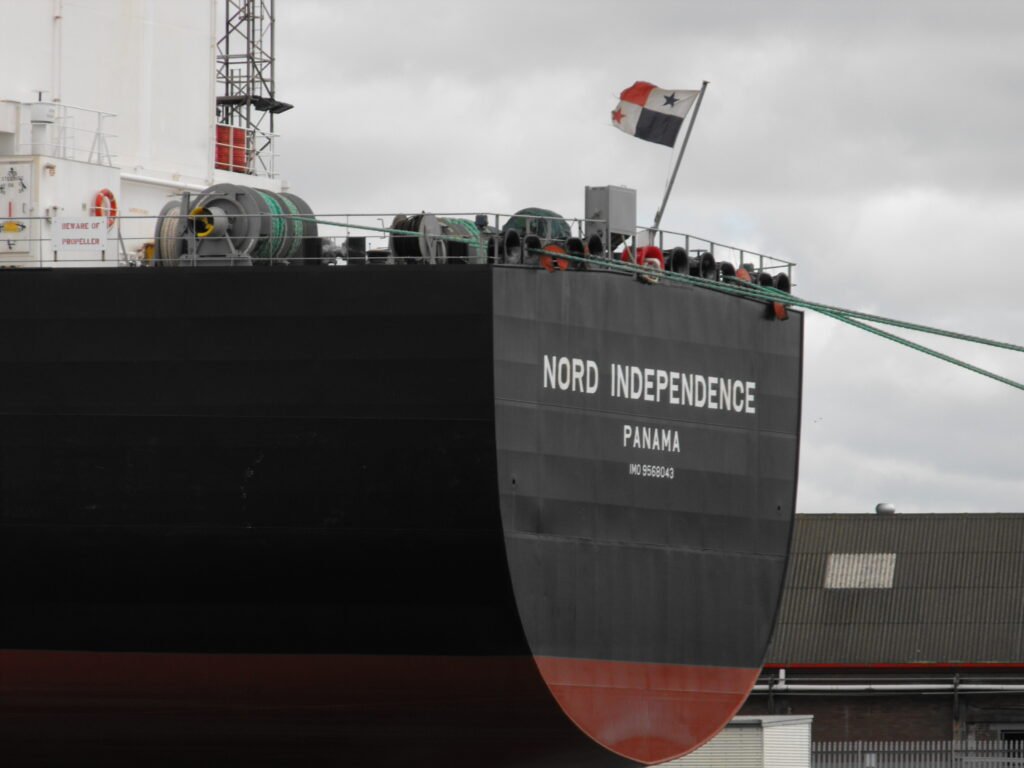
What a Flag of Convenience Is
A flag of convenience refers to the practice of registering a merchant vessel in a country other than the country where its owners are based, typically to take advantage of lower registration fees, reduced taxation, and sometimes less stringent regulatory or crewing requirements than the shipowner’s home country would impose. The ship then flies that country’s flag and is subject to its maritime laws.
Major Open Registry Countries
Several countries operate well-known open registries that accept ships from foreign owners, including Panama, Liberia, and the Marshall Islands, which together register a substantial share of the world’s merchant fleet by tonnage despite having relatively small domestic shipping industries themselves.
Regulatory and Labor Concerns
Critics of flags of convenience argue that some open registries enforce safety, environmental, and labor standards less rigorously than traditional maritime nations, potentially allowing substandard vessels or poor crew treatment to continue operating. Labor organizations and some governments have pushed for stronger international enforcement mechanisms to address these concerns regardless of a ship’s flag.
International Oversight of Flag States
Despite varying national enforcement standards, all flag states are expected to meet baseline international safety and environmental requirements set through conventions coordinated by the International Maritime Organization, with port state control inspections in destination countries serving as an additional layer of oversight for vessels regardless of which flag they fly.
Historical Origins of Flags of Convenience
The practice of registering ships under a flag of convenience grew significantly in the mid-twentieth century as shipowners sought to reduce costs and avoid certain regulatory or crewing requirements imposed by traditional maritime nations, with Panama and Liberia emerging early as leading open registries offering streamlined registration processes.
Economic Benefits for Registry Countries
Open registry countries benefit economically from registration fees and related maritime services despite having little or no domestic shipbuilding or shipowning industry themselves, making ship registry a meaningful source of national revenue for several smaller countries that have built substantial registry businesses around attracting foreign-owned vessels.
Port State Control as a Counterbalance
Port state control inspections, conducted by the authorities of countries a ship visits rather than its flag state, serve as an important counterbalance to varying flag state enforcement standards, allowing destination countries to detain or restrict substandard vessels regardless of which flag they fly if inspectors identify serious safety or regulatory deficiencies.
Open Registries and Genuine Links
Maritime law has long required a “genuine link” between a vessel and its flag state, yet the practical meaning of that requirement has been stretched thin by the rise of open registries. Panama, Liberia, and the Marshall Islands together flag a very large share of the world’s merchant tonnage despite none of these states building, crewing, or primarily trading with the ships on their registers. Registration is handled through commercial management companies, often based in the United States or Europe, that administer the registry on the flag state’s behalf for a fee. Shipowners choose a flag by weighing registration cost, annual tonnage tax, crewing flexibility, and the rigor of safety inspections, producing a competitive market among registries themselves. Critics describe this as a race to the bottom in regulatory standards, while defenders note that reputable open registries, such as Liberia and the Marshall Islands, maintain strong safety records through contracted classification societies and port state control cooperation.
Port State Control as a Check
Because flag states vary widely in their willingness or capacity to enforce international standards, port state control has emerged as the practical backstop. Under regional agreements such as the Paris and Tokyo Memoranda of Understanding, inspectors in receiving ports board foreign-flagged vessels to check compliance with SOLAS, MARPOL, and labor conventions regardless of what flag a ship flies. Ships found with serious deficiencies can be detained until repairs are made, and persistent offenders are published on public “black lists” that insurers and charterers consult before doing business with a vessel or its flag. This layered system means that even a ship flying a lightly regulated flag faces real scrutiny once it calls at ports in regions with active port state control regimes, partially offsetting the weaker oversight some flag states provide at the registration stage itself.
Taxation and the Business Case for Flagging Out
Beyond registration fees, the financial appeal of open registries rests heavily on favorable tax treatment, since many traditional maritime nations tax shipping income as ordinary corporate profit while open registry states typically levy only a modest annual tonnage-based fee regardless of a vessel’s actual earnings. This difference has driven a long-term trend of shipowners incorporating vessel-owning subsidiaries in jurisdictions with favorable tax regimes even when the owner’s headquarters and commercial management remain in a traditional maritime nation. Some countries have responded by creating their own competitive “second registries,” such as the French and Italian international registers, offering tax and crewing terms closer to open registries while keeping ships formally under the national flag, an attempt to retain fleet registration and the associated jobs without losing shipowners entirely to foreign flags.
Seafarer welfare organizations have also raised concerns that some open registry vessels employ crews under weaker labor protections than traditional maritime nations require, prompting international efforts such as the Maritime Labour Convention to set minimum standards that apply regardless of flag.
Reflagging a vessel between registries is a routine commercial transaction that can be completed within weeks, giving owners considerable flexibility to respond to changing tax, crewing, or regulatory conditions across jurisdictions.
Registry choice can also shift over a vessel’s lifetime as ownership changes hands through resale.
Key facts
- Array
Quick checkWhy do shipowners register vessels under a flag of convenience?Show answer
To benefit from lower registration fees, taxes, and sometimes less stringent regulatory and labor requirements than their home country would impose.
Sources
- Array
Editorially reviewed by Specialty Digest Editorial TeamLast reviewed November 4, 2026Researched and drafted with AI assistanceReport an issue