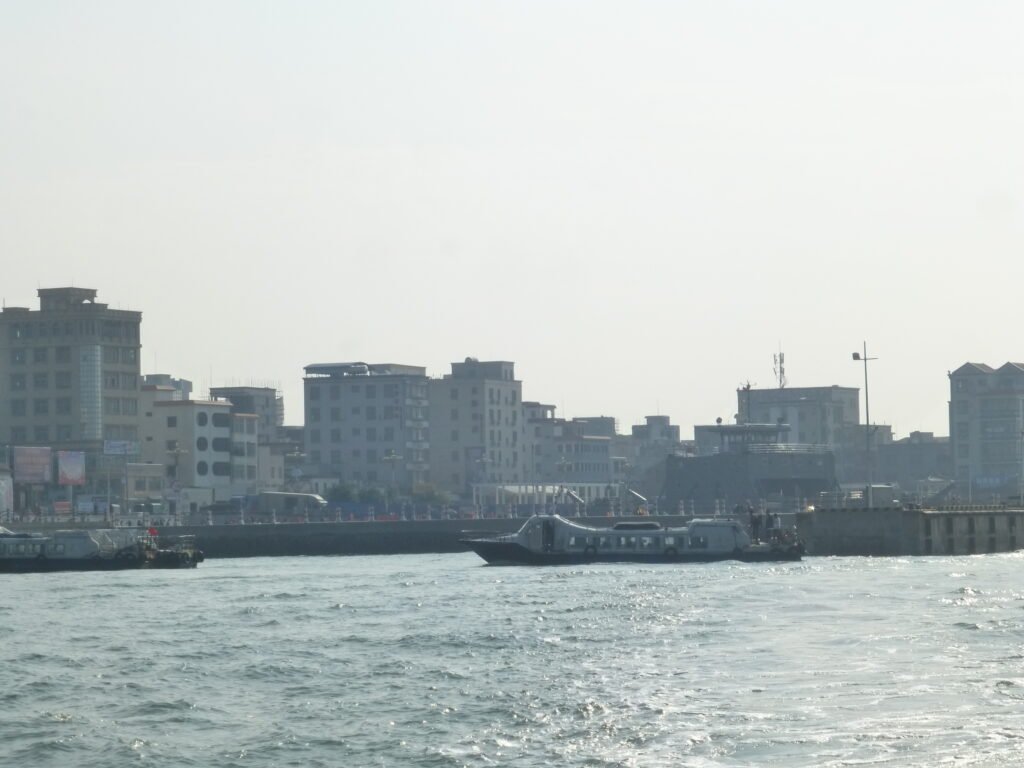
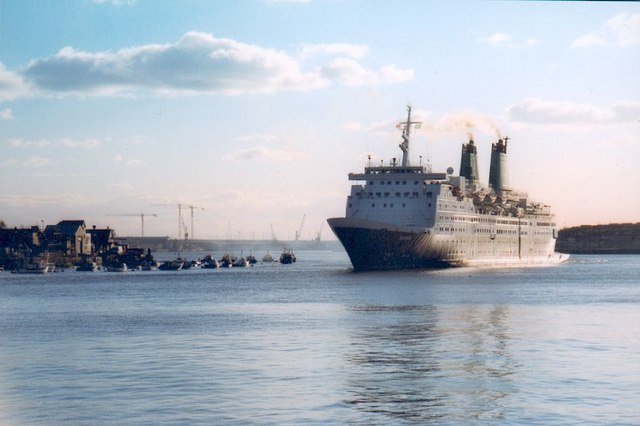
What Ferry Service Covers Ferry service provides scheduled water transportation carrying passengers, vehicles, or both across rivers, bays, straits, or between islands and the mainland. Ferries often serve routes where building a bridge or tunnel would be prohibitively expensive or geographically impractical, making water crossing the most practical transportation option available. Types of Ferry Vessels
Ferry Service Read More »
Ferry service is scheduled water transportation that carries passengers, vehicles, or both across a body of water, often connecting points that lack a bridge or tunnel.
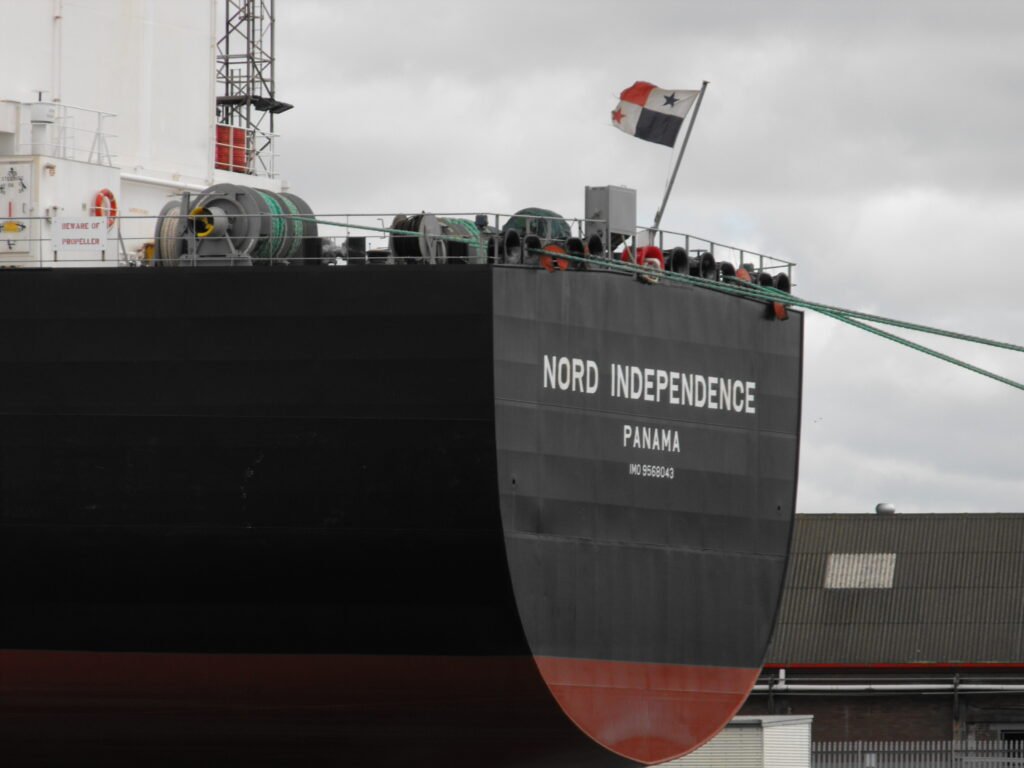
What a Flag of Convenience Is A flag of convenience refers to the practice of registering a merchant vessel in a country other than the country where its owners are based, typically to take advantage of lower registration fees, reduced taxation, and sometimes less stringent regulatory or crewing requirements than the shipowner’s home country would
Flag of Convenience Read More »
A flag of convenience is the practice of registering a merchant ship in a country other than that of its owners, typically to benefit from lower fees, taxes, and regulatory requirements.
What Maritime Shipping Covers Maritime shipping is the movement of goods and passengers across oceans, seas, and other navigable waterways. It carries the overwhelming majority of world trade by volume, since ships can transport far larger quantities of cargo at a much lower cost per unit than trucks, trains, or aircraft, making sea transport the
Maritime Shipping Read More »
Maritime shipping is the transportation of goods and passengers by sea, carrying the large majority of the world's international trade by volume.
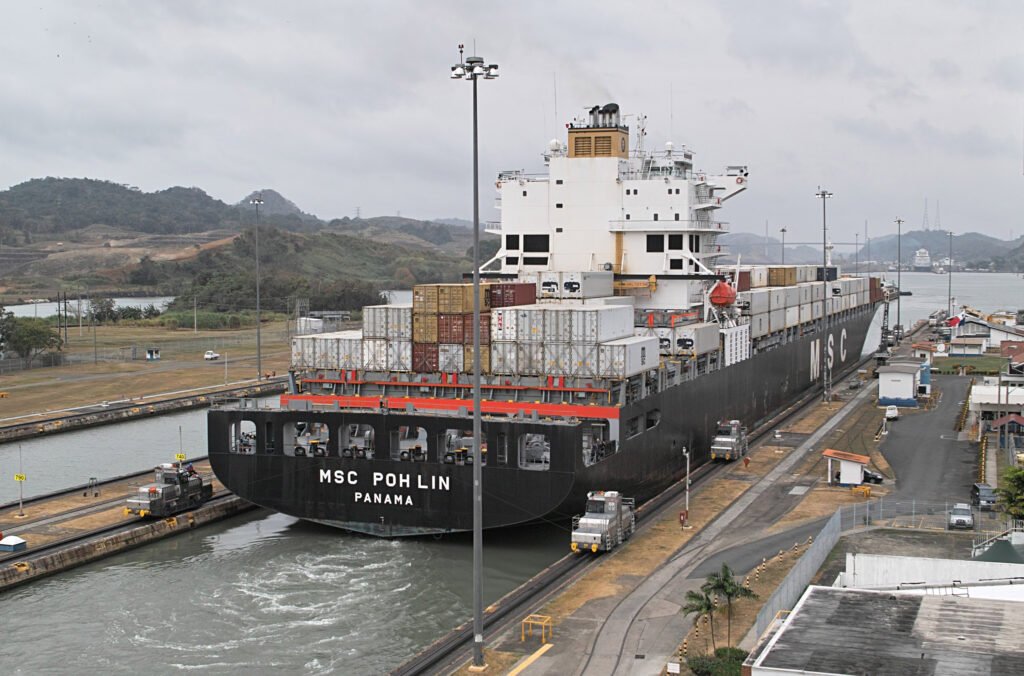
What Panamax Means Panamax describes the maximum vessel length, width, and draft that can pass through the original locks of the Panama Canal. For decades, this size standard significantly influenced ship design, since shipping lines often built vessels as close as possible to the maximum Panamax dimensions to maximize cargo capacity while retaining the ability
Panamax Read More »
Panamax refers to the maximum vessel dimensions that can transit the Panama Canal's locks, a size standard that has long influenced ship design and global shipping routes.
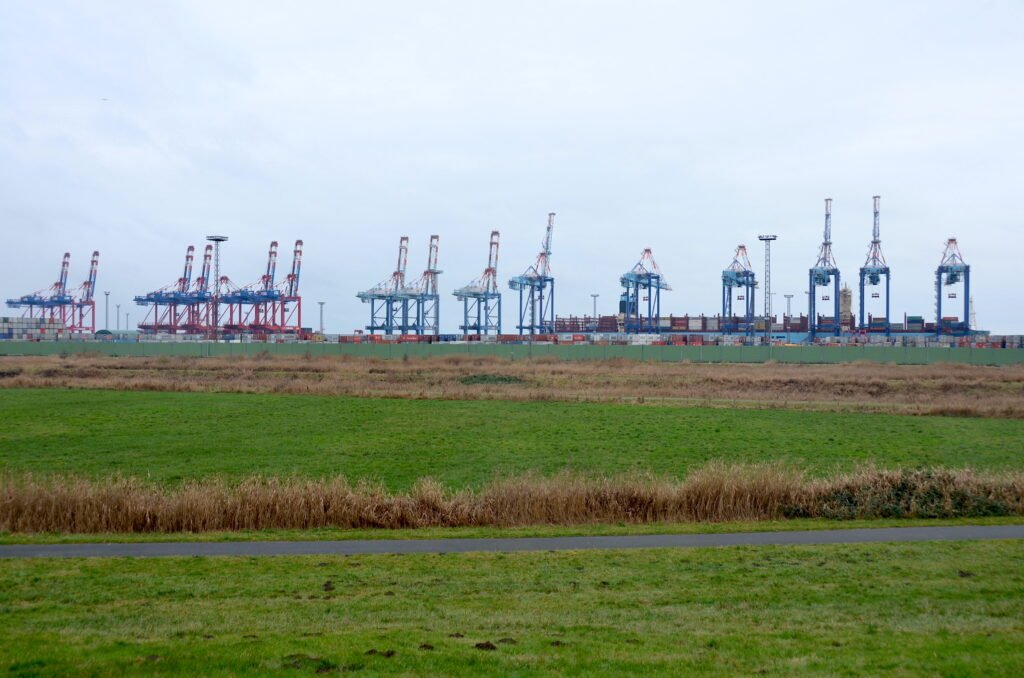
What Port Operations Covers Port operations encompasses everything required to move cargo and passengers between ships and land-based transportation at a seaport, including vessel berthing, cargo loading and unloading, warehousing, customs clearance, and coordination with trucking and rail connections. A well-run port minimizes the time a ship spends at berth, since idle vessel time is
Port Operations Read More »
Port operations is the set of activities required to load, unload, store, and transfer cargo and passengers between ships and land-based transportation at a seaport.
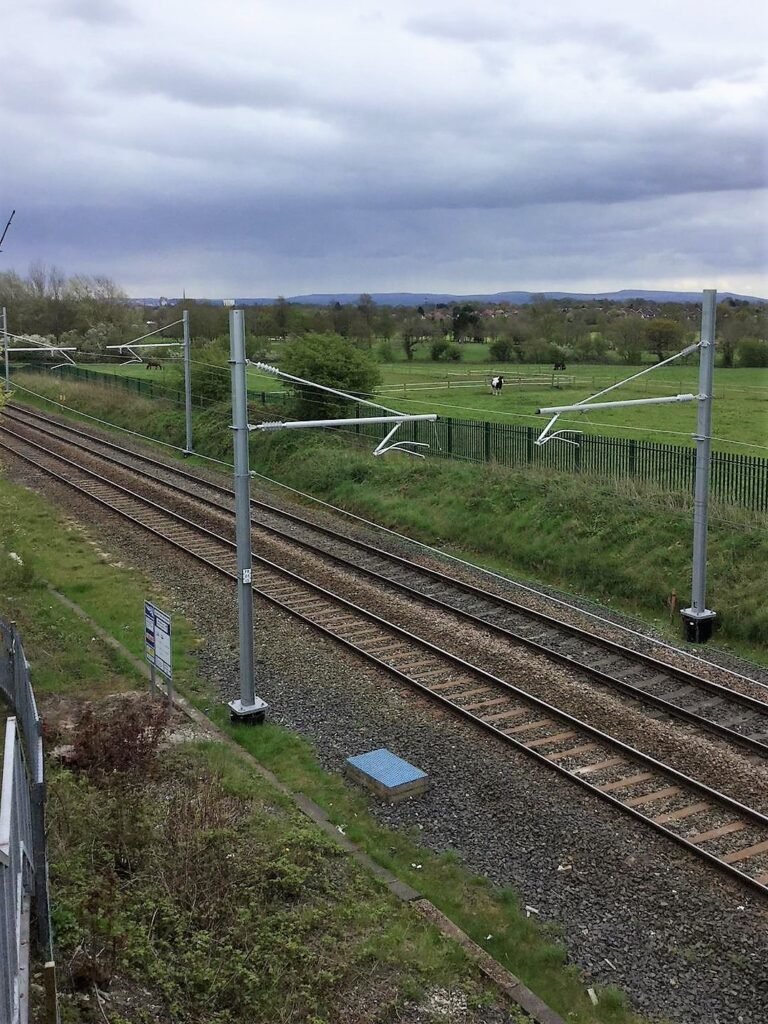
What Rail Electrification Means Rail electrification converts a railway from diesel or other onboard fuel power to electric power delivered externally through overhead catenary wires or a ground-level third rail. Electric trains draw power continuously from this infrastructure rather than carrying their own fuel supply, fundamentally changing how the train itself is designed and powered.
Rail Electrification Read More »
Rail electrification is the conversion of a railway to run trains powered by electricity delivered through overhead wires or a third rail, rather than by diesel or other onboard fuel.
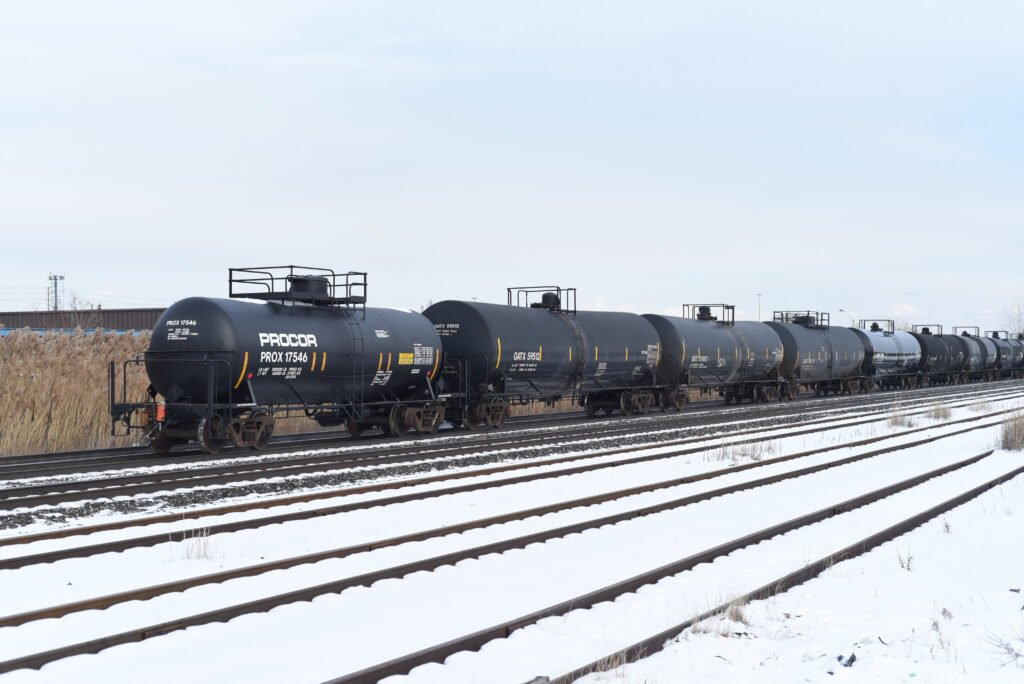
What Rail Freight Covers Rail freight is the movement of goods by train rather than truck, ship, or aircraft. It is particularly well suited to moving large volumes of bulk commodities such as coal, grain, and ore over long distances, where rail’s significant cost and fuel efficiency advantages over trucking outweigh its generally slower transit
Rail Freight Read More »
Rail freight is the transportation of goods by train, offering a cost-efficient option for moving large volumes of bulk commodities and containerized cargo over long distances.
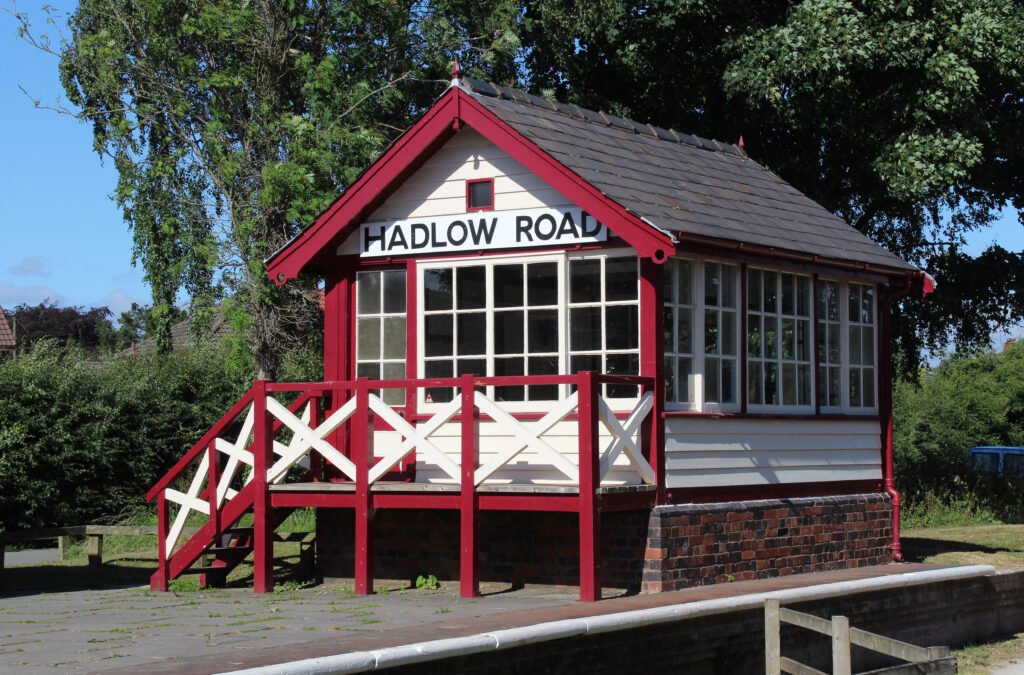
Purpose of Rail Signaling Rail signaling systems manage train movements to prevent collisions and ensure safe separation between trains operating on the same track. Because trains cannot stop quickly and often cannot see far enough ahead to avoid another train through visual observation alone, signaling systems provide the critical safety function of controlling how closely
Rail Signaling Read More »
Rail signaling is the system of signals, track circuits, and control technology used to safely manage train movements and prevent collisions on a railway network.
What Railway Transport Covers Railway transport moves passengers and freight using trains running on fixed steel rail tracks. The steel-wheel-on-steel-rail design creates significantly less rolling resistance than road vehicles, allowing trains to move very large loads efficiently, particularly over long distances where this efficiency advantage compounds over many miles of travel. Freight Versus Passenger Railways
Railway Transport Read More »
Railway transport is the movement of passengers and freight using trains running on fixed steel rail tracks, offering efficient movement of large volumes over long distances.
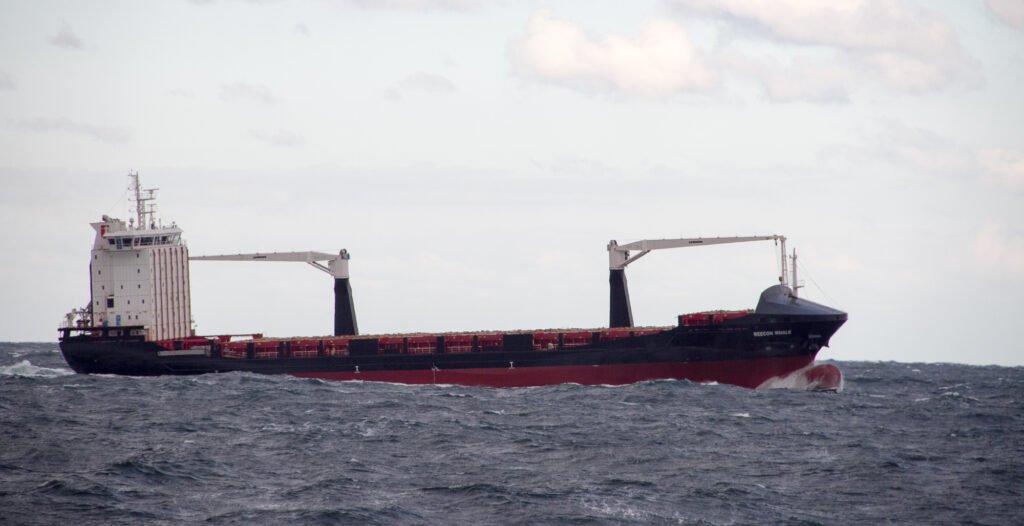
What Short Sea Shipping Covers Short sea shipping refers to the movement of cargo and passengers by sea over relatively short distances, typically along a single coastline or between nearby countries, rather than the long transoceanic voyages associated with major international container shipping. It serves as an alternative to road or rail transport for regions
Short Sea Shipping Read More »
Short sea shipping is the transport of cargo and passengers by sea over relatively short distances, typically along a coastline or between nearby countries, as an alternative to road or rail transport.