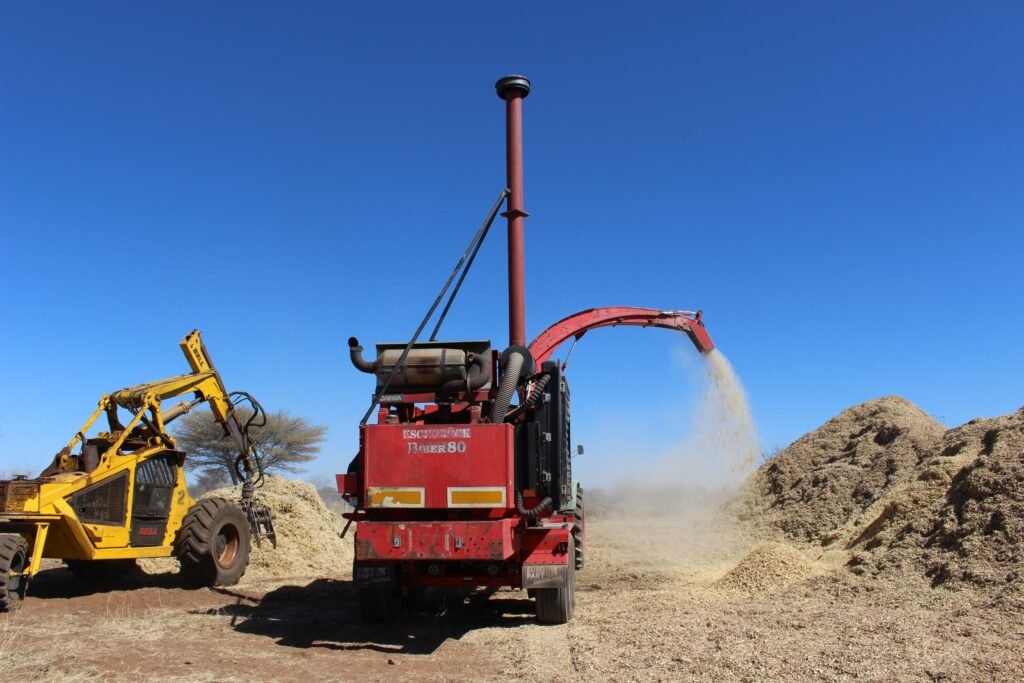
Forest biomass energy refers to the use of wood and other forest-derived organic material, including logging residues, sawmill byproducts, and purpose-grown energy crops, as a fuel source for generating heat or electricity. It represents one of the oldest forms of energy used by humans, now increasingly integrated into modern power plants and heating systems as part of broader renewable energy strategies.
Sources and Conversion
Forest biomass used for energy typically comes from material that would otherwise go unused, such as branches and tops left after timber harvest, bark and sawdust from sawmills, or wood pellets manufactured specifically as a compact, easily transported fuel. These materials can be burned directly in boilers, converted into pellets or chips for more efficient combustion, or processed further into biofuels and biogas through various thermal or biological conversion technologies.
Sustainability Considerations
Supporters of forest biomass energy argue that it can be considered a lower-carbon alternative to fossil fuels when harvested sustainably, since the carbon released during combustion is offset by carbon absorbed as replacement trees grow. Critics raise concerns about whether harvesting rates genuinely stay within sustainable limits in all cases and about the carbon debt created in the years before new tree growth fully offsets emissions, making forest biomass a continuing subject of debate within renewable energy and forest policy circles.
Wood Pellets and Co-Firing
Wood pellets, manufactured by compressing dried and ground wood material into small, dense cylinders, have become one of the most widely traded forms of forest biomass fuel, prized for their consistent energy content, ease of automated handling, and suitability for both residential heating stoves and large industrial power plants. Co-firing, in which power plants burn wood pellets alongside coal in the same boilers, has allowed some existing fossil fuel plants to reduce their net carbon emissions without requiring entirely new generating infrastructure.
Policy and Market Drivers
Government renewable energy incentives and carbon reduction targets in several regions have significantly shaped demand for forest biomass fuel, with some countries importing large volumes of wood pellets specifically to meet renewable energy quotas. Market growth has also been shaped by ongoing debate over how biomass energy should be counted in national carbon accounting systems, since policies differ in how they treat the timing and completeness of forest carbon reabsorption following harvest.
Economic Considerations
Forest biomass energy economics depend heavily on transportation distance, since wood fuel has relatively low energy density compared with fossil fuels and becomes less cost-competitive the farther it must travel from forest to power plant or heating facility. Pellet manufacturing adds processing cost but improves transportability and storage, which is why long-distance biomass trade relies almost entirely on pelletized product even though raw wood chips remain more economical for facilities located close to the timber source.
Looking Ahead
Forest biomass energy use is likely to keep growing in regions pursuing aggressive renewable energy targets, though continued scientific and policy debate over its true carbon accounting will likely shape how heavily governments choose to subsidize or restrict it going forward. Technology improvements in combustion efficiency and pellet production are also expected to gradually improve the economics of forest biomass energy relative to other renewable sources such as solar and wind.
Related Specialties
Forest biomass energy connects closely to sawmill operations, since sawmill residues are a major source of raw material for pellet and wood fuel production. It also overlaps with forest management and climate policy, fields concerned with ensuring that harvest rates and carbon accounting support genuinely sustainable bioenergy production.
Supply Chain and Logistics
Moving forest biomass efficiently from harvest sites to processing facilities and ultimately to power plants or heating systems requires significant logistics coordination, since raw biomass is bulky and low in energy density compared with fossil fuels of similar weight. Pellet mills and chip processing facilities are often located strategically between forest supply areas and major transportation routes, such as rail lines or ports, to minimize the distance raw material must travel before being converted into a more transportable fuel form.
Comparisons to Other Renewables
Unlike solar and wind power, which depend on weather and time of day, forest biomass can be stored and burned on demand, giving it a reliability advantage that has made it attractive as a complement to more variable renewable sources in some regional energy grids. This dispatchable quality has kept biomass relevant in energy policy discussions even as solar and wind costs have fallen significantly, since grid operators often value having at least some renewable capacity they can call on regardless of weather conditions.
Air Quality Considerations
Burning wood biomass, whether in small residential stoves or large industrial boilers, releases particulate matter and other pollutants that have drawn increasing regulatory scrutiny, prompting investment in better combustion technology and emissions controls, particularly for larger facilities. Modern industrial biomass boilers typically achieve much cleaner combustion than older wood-burning equipment, though air quality concerns remain a meaningful factor in public debate over expanding biomass energy use in densely populated areas.
Forest certification programs increasingly address biomass sourcing specifically, aiming to give buyers and policymakers confidence that wood fuel comes from forests managed under sustainable harvest and regeneration practices.
Some utilities now blend forest biomass with other renewable sources at the same facility, aiming to balance the reliability advantages of biomass against the lower cost of solar and wind generation.
Ongoing research continues to refine lifecycle carbon accounting methods specific to forest-derived bioenergy production.
Community-scale biomass heating systems have also grown in some regions, using local forest residues to supply heat to schools, hospitals, and municipal buildings rather than relying solely on large centralized power plants.
Key facts
- Sourced from logging residues, sawmill byproducts, and wood pellets; can be burned directly or converted into pellets or biofuels; carbon neutrality depends on sustainable harvest rates.
Quick checkWhat is a major criticism raised against forest biomass energy?Show answer
Concerns about whether harvest rates stay sustainable and the carbon debt before new tree growth offsets emissions.
Sources
- Based on general renewable energy and forest products literature.
Editorially reviewed by Specialty Digest Editorial TeamLast reviewed November 3, 2026Researched and drafted with AI assistanceReport an issue