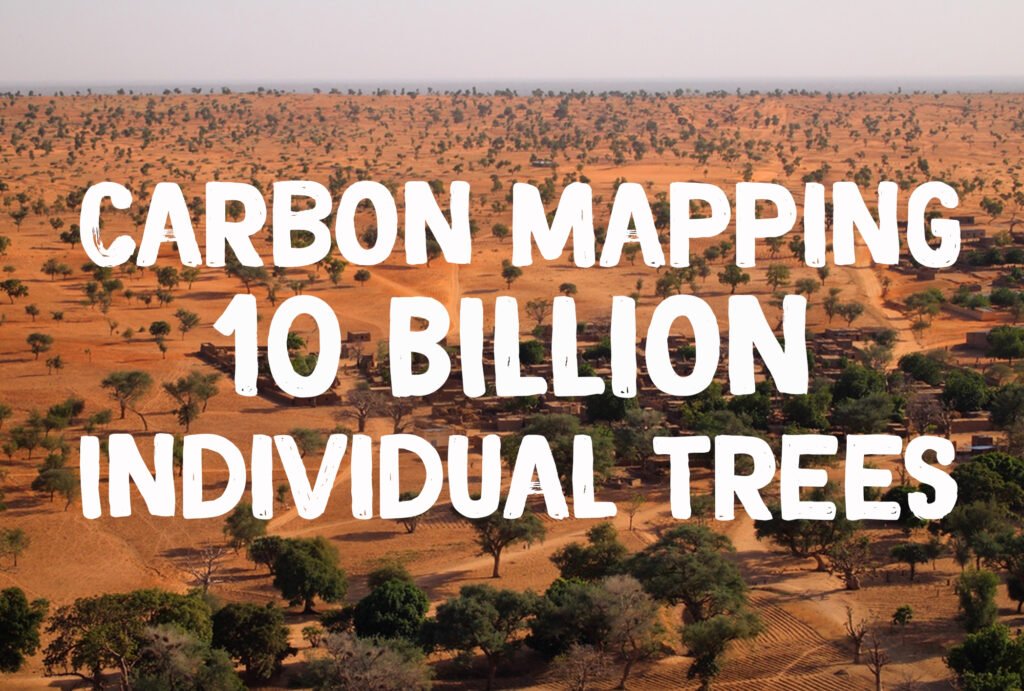
Forest carbon sequestration is the process by which forests absorb atmospheric carbon dioxide through photosynthesis and store it in living biomass, dead organic matter, and soil, making forests a significant component of the global carbon cycle and climate policy.
How Forests Store Carbon
Trees capture carbon dioxide during photosynthesis and incorporate the carbon into wood, leaves, and roots, with mature forests storing carbon not only in living trees but also in standing and fallen dead wood, leaf litter, and soil organic matter that can persist for centuries. Soil carbon storage, often overlooked compared with visible aboveground biomass, can represent a substantial share of a forest’s total carbon stock, particularly in forest types with slow decomposition rates such as boreal and some wetland forests.
Forest Age and Carbon Dynamics
Young, actively growing forests sequester carbon rapidly on a per-hectare basis as trees add new biomass each year, while old-growth forests, though growing more slowly, hold vastly larger total carbon stocks accumulated over centuries, meaning both young regenerating forest and protected old-growth forest play distinct but complementary roles in a comprehensive forest carbon strategy. Disturbances such as fire, logging, or disease can rapidly release stored carbon back into the atmosphere, making forest protection as important to carbon strategy as active planting and growth.
Carbon Markets and Policy
Government and voluntary carbon credit markets increasingly pay landowners for verified forest carbon sequestration or avoided deforestation, creating financial incentives for conservation and reforestation that did not exist a generation ago, though these markets face ongoing challenges around accurately measuring and verifying claimed carbon benefits over the long term. International climate frameworks, including mechanisms under the Paris Agreement, explicitly recognize forest-based carbon removal as a tool nations can count toward their emissions reduction commitments.
Measurement and Verification Challenges
Accurately quantifying how much carbon a given forest sequesters requires combining field measurements with remote sensing and modeling, since carbon storage varies enormously by forest type, age, and management history, and verifying that a credited carbon benefit represents a genuine additional reduction rather than carbon that would have been stored anyway remains a persistent technical and policy challenge.
Limits of Forest-Based Climate Solutions
While forest carbon sequestration offers meaningful climate benefits, scientists caution that it cannot substitute for reducing fossil fuel emissions at the source, since available land area and the slow pace of forest growth limit how much atmospheric carbon forests alone can realistically remove compared with the scale of ongoing global emissions.
Comparing Forest Types for Carbon Strategy
Different forest types offer different carbon sequestration profiles, with tropical forests generally sequestering carbon fastest due to rapid growth rates, boreal forests holding enormous total carbon stocks locked in cold, slow-decomposing soils, and temperate forests falling somewhere between the two, meaning an effective global forest carbon strategy must account for these regional differences rather than treating all forest types as interchangeable.
Avoided Deforestation as a Carbon Strategy
Preventing the loss of existing forest, particularly carbon-dense tropical and old-growth forest, often delivers greater and more immediate climate benefit than planting new trees, since newly planted forest takes decades to accumulate carbon comparable to what a mature forest already stores, making forest protection and avoided deforestation a priority alongside active reforestation in comprehensive climate strategies.
Corporate and National Carbon Commitments
Growing numbers of corporations and national governments have incorporated forest carbon sequestration targets into their broader climate commitments, driving substantial new investment into forest conservation, restoration, and improved management specifically aimed at maximizing verified carbon benefit.
Forest Carbon and Indigenous Land Stewardship
Indigenous-managed forest lands in many regions show carbon storage and biodiversity outcomes comparable to or better than formally protected areas, prompting growing recognition within climate policy circles of indigenous land stewardship as an effective and often underfunded approach to forest carbon conservation that deserves greater direct investment and legal recognition.
Technology for Carbon Monitoring
Satellite-based carbon monitoring systems increasingly allow near-real-time tracking of forest carbon stock changes across entire countries, supporting both scientific research and the growing verification demands of international carbon markets that require credible, independently checkable data on claimed forest carbon benefits.
As climate urgency grows, the combination of avoided deforestation, active reforestation, and rigorous carbon accounting will likely remain central to how forests contribute to global climate strategy in the decades ahead.
Public Awareness of Forest Carbon Value
Growing public understanding of forests’ carbon value has strengthened political support for forest conservation funding in many regions, translating what was once a primarily ecological argument into one with direct, quantifiable relevance to national and corporate climate commitments.
That translation from ecological argument to economic and political priority has done more than almost any other single factor to elevate forest conservation on the global policy agenda.
Continued improvement in measurement, verification, and policy design will determine how much of forests’ theoretical carbon potential actually translates into real, additional climate benefit over the coming decades.
Few natural processes connect local land management decisions to global climate outcomes as directly as the quiet, continuous work of forest carbon sequestration.
Supporting that work, through conservation funding, policy, and careful measurement, remains one of the most tangible ways society can translate climate commitments into real outcomes on the ground.
That translation from commitment to measurable outcome is ultimately what determines whether forest carbon strategy succeeds.
Every hectare protected or restored adds, in some small way, to that larger balance sheet.
Scientists, policymakers, and landowners alike now share a stake in getting that accounting right, since the credibility of forest-based climate solutions depends on it.
Key facts
- Stores carbon in living biomass, dead wood, and soil organic matter;Young forests sequester quickly, old-growth holds vastly larger total stocks;Increasingly monetized through carbon credit markets
Quick checkWhy do old-growth forests matter for carbon storage even though they grow slowly?Show answer
They hold vastly larger total accumulated carbon stocks than young forests, even if their annual growth rate is lower
Sources
- IPCC climate assessments; forest carbon accounting literature
Editorially reviewed by Specialty Digest Editorial TeamLast reviewed November 3, 2026Researched and drafted with AI assistanceReport an issue