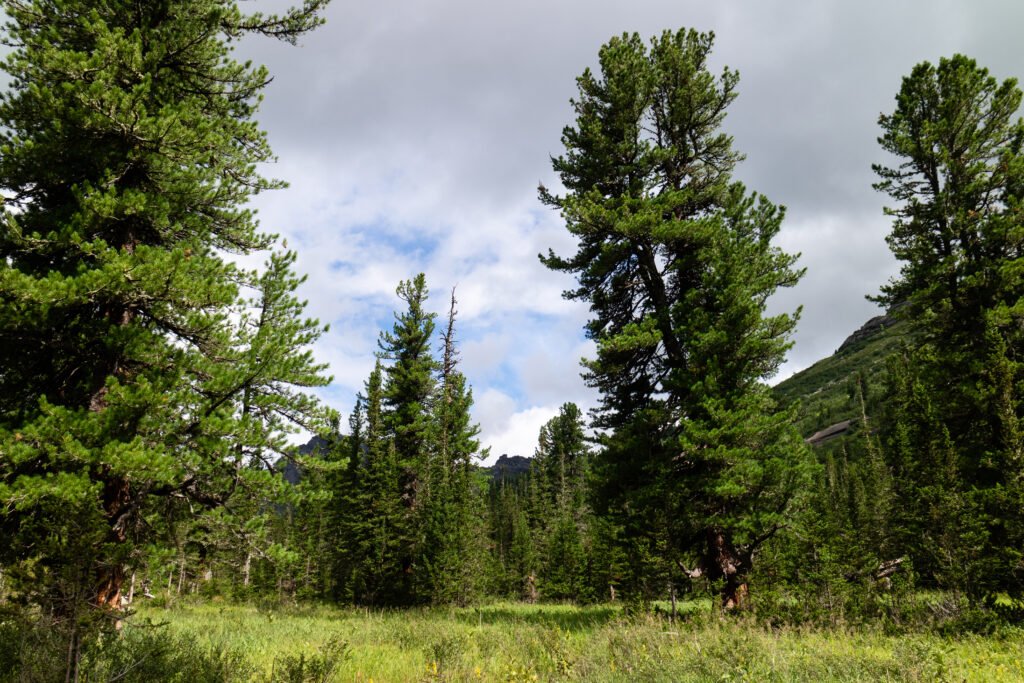
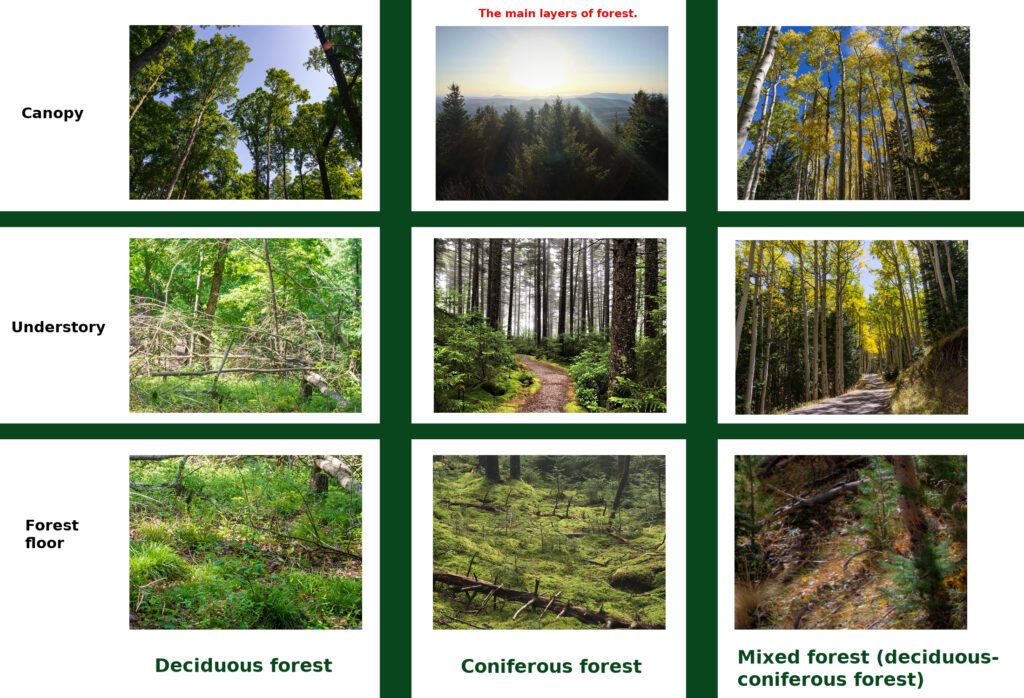
A coniferous forest is a forest ecosystem dominated by cone-bearing trees, most of which retain their needle-like leaves year-round, forming dense evergreen stands widespread across cooler regions of the Northern Hemisphere. Evergreen Needle Adaptation The narrow, waxy needles characteristic of most conifers minimize water loss and resist damage from heavy snow load, adaptations well suited
Coniferous Forest Read More »
A forest ecosystem dominated by cone-bearing, mostly evergreen trees, forming dense stands widespread across cooler regions of the Northern Hemisphere.
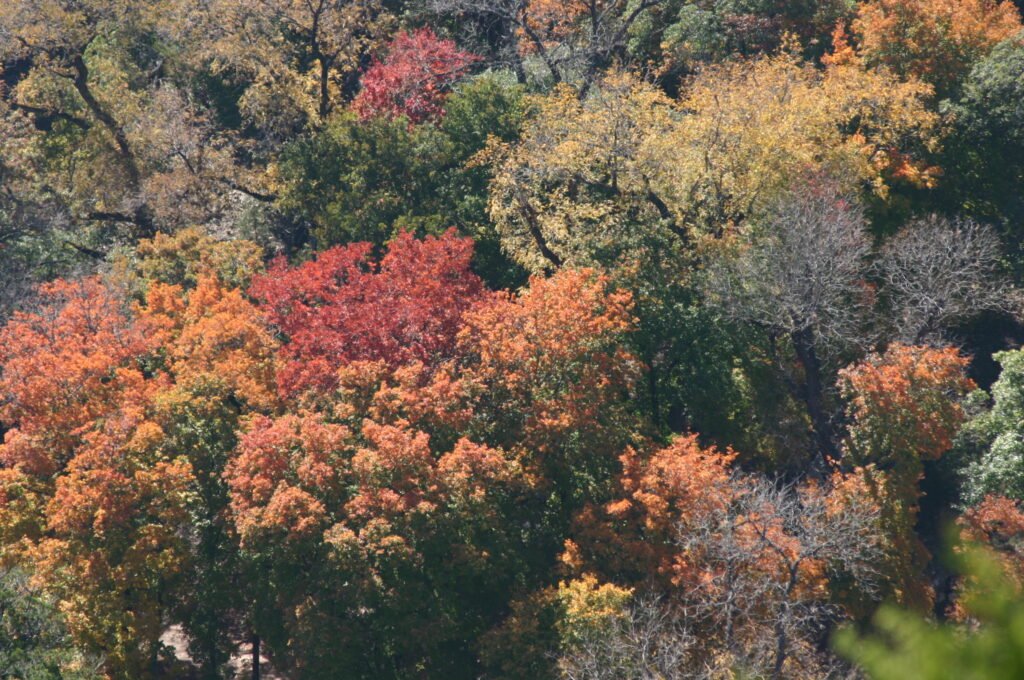
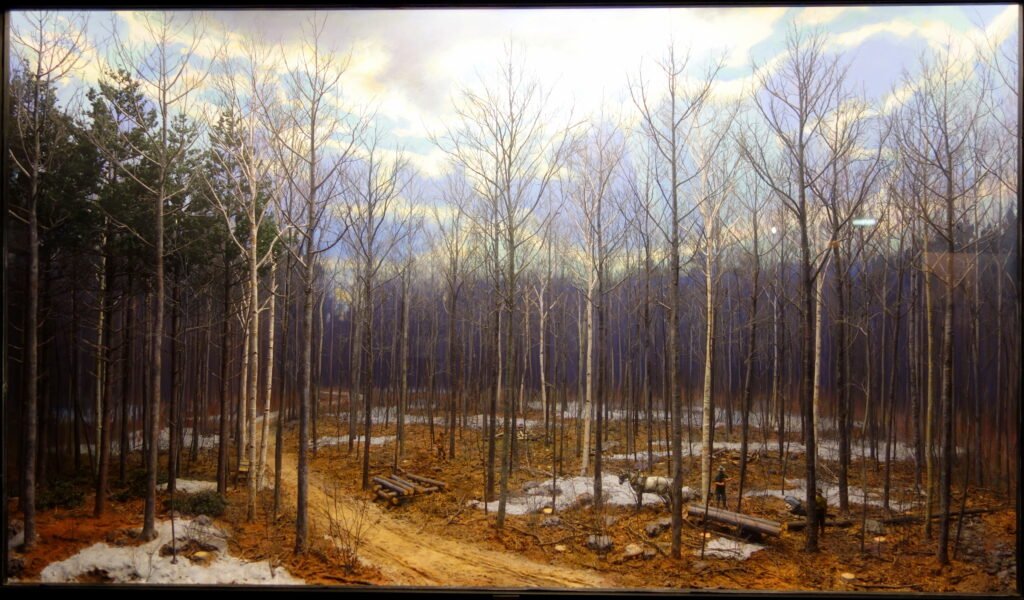
A deciduous forest is a forest ecosystem dominated by tree species that shed their leaves seasonally, typically in autumn in temperate climates, as an adaptation to conserve water and energy during cold winters or dry seasons. Seasonal Leaf Drop Adaptation Deciduous trees shed their leaves to avoid the metabolic cost of maintaining foliage during periods
Deciduous Forest Read More »
A forest ecosystem dominated by tree species that shed their leaves seasonally, typically as an adaptation to cold winters or dry seasons.
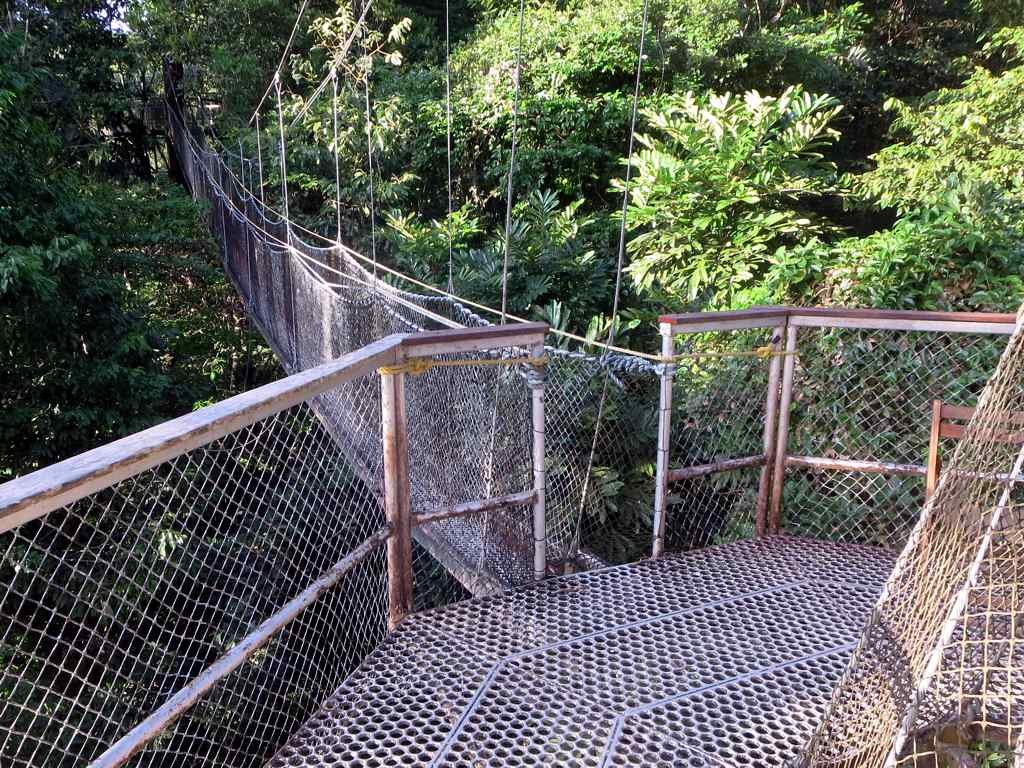
The forest canopy is the uppermost layer of a forest formed by the crowns of the tallest trees, intercepting most incoming sunlight before it reaches lower vegetation layers and shaping the physical and ecological conditions of the entire forest beneath it. Canopy Structure and Layers A mature forest often has several distinct vertical layers beneath
Forest Canopy Read More »
The uppermost layer of a forest formed by the crowns of the tallest trees, shaping light availability and conditions throughout the forest beneath it.
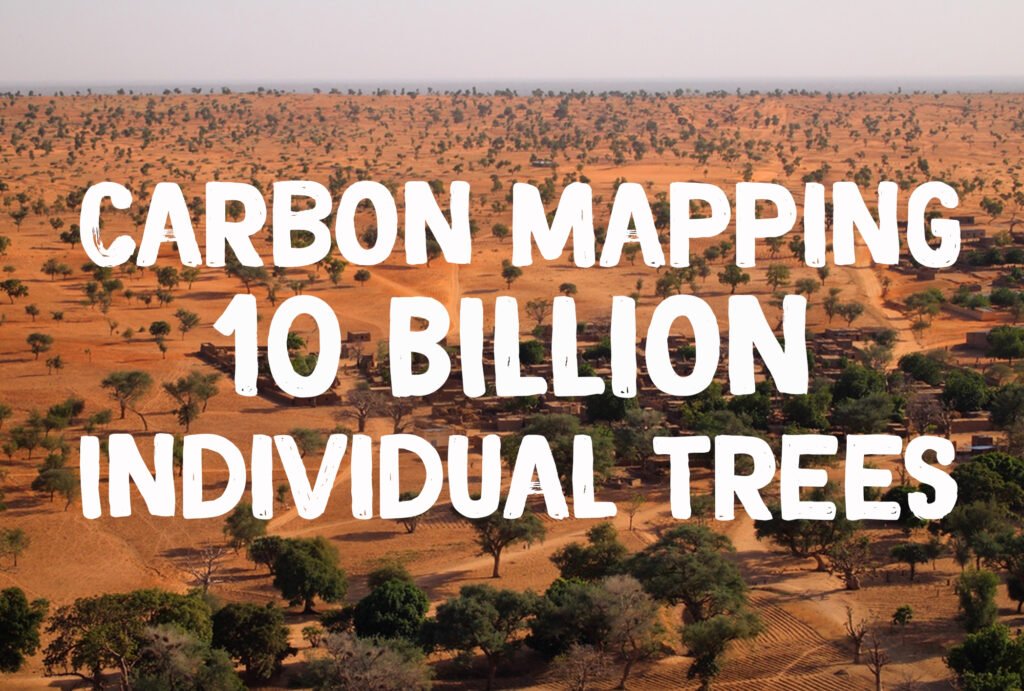
Forest carbon sequestration is the process by which forests absorb atmospheric carbon dioxide through photosynthesis and store it in living biomass, dead organic matter, and soil, making forests a significant component of the global carbon cycle and climate policy. How Forests Store Carbon Trees capture carbon dioxide during photosynthesis and incorporate the carbon into wood,
Forest Carbon Sequestration Read More »
The process by which forests absorb atmospheric carbon dioxide and store it in biomass, dead organic matter, and soil, a key part of the global carbon cycle.
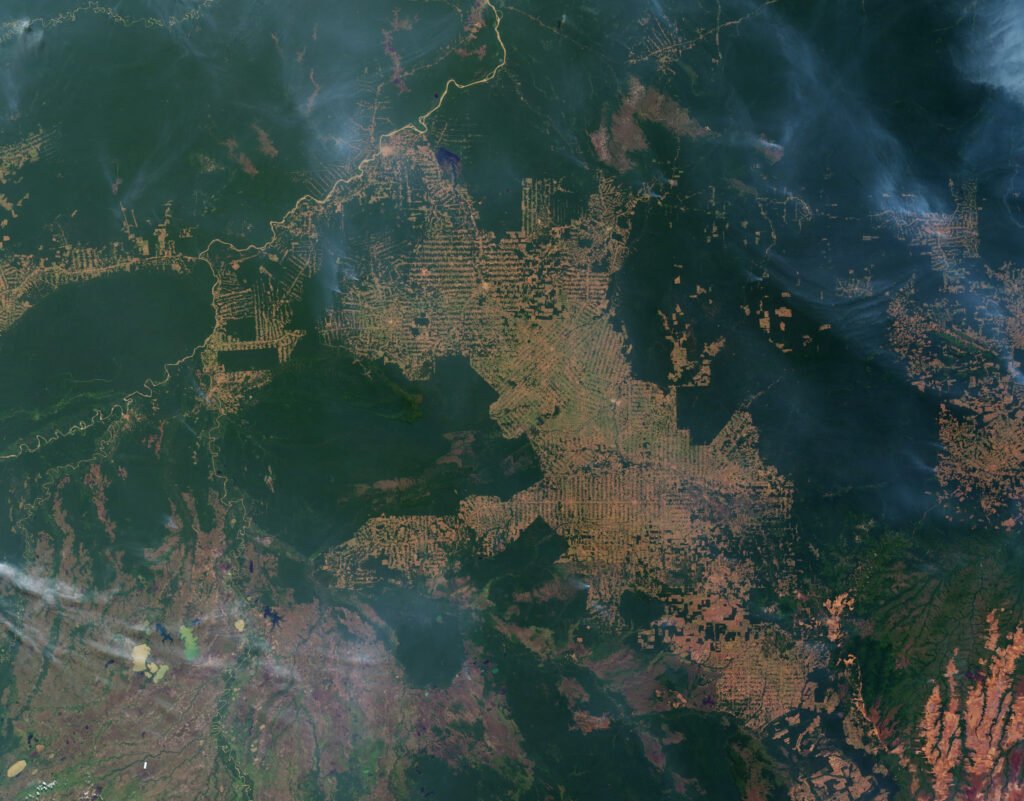
Forest fragmentation is the breaking up of large, continuous forest areas into smaller, isolated patches, typically caused by roads, agriculture, urban development, or logging, with significant consequences for the species and ecological processes that depend on intact forest. Causes of Fragmentation Agricultural expansion, road construction, and urban and suburban development are the leading drivers of
Forest Fragmentation Read More »
The breaking up of large continuous forest into smaller, isolated patches, typically from roads, agriculture, or development, with major ecological consequences.
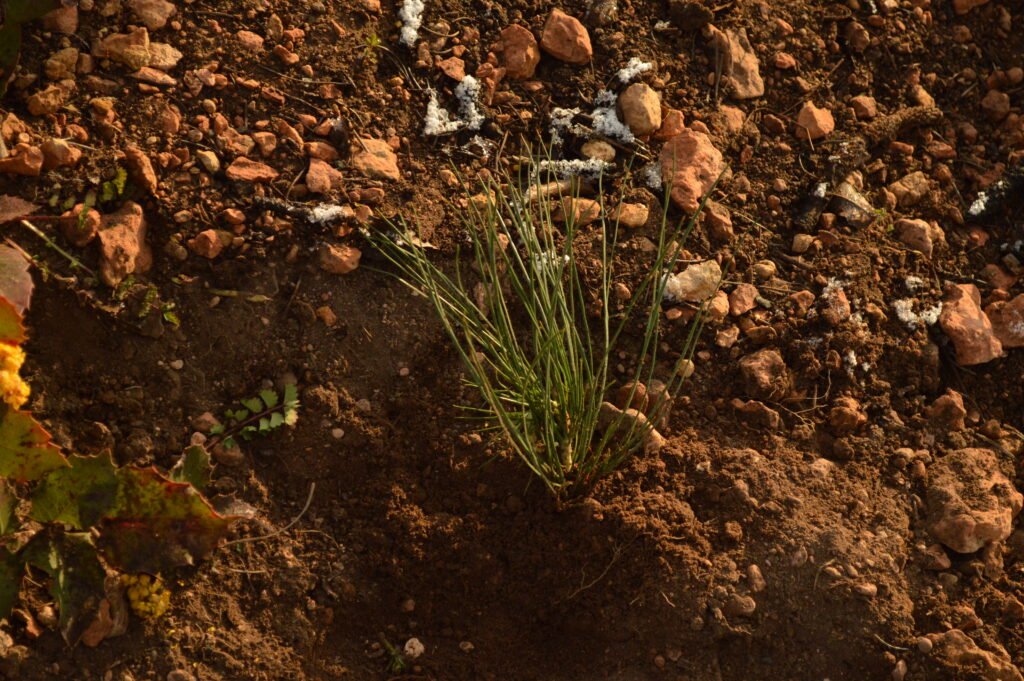
Forest succession is the gradual, predictable process by which plant and tree communities change over time following a disturbance, progressing through a series of stages until reaching a relatively stable mature forest community. Primary and Secondary Succession Primary succession occurs on newly exposed surfaces with no pre-existing soil or vegetation, such as land exposed after
Forest Succession Read More »
The gradual, predictable process by which forest plant communities change over time following a disturbance, moving through stages toward a mature community.
The forest understory is the layer of vegetation growing beneath the main canopy, encompassing shrubs, saplings, ferns, and herbaceous plants that have adapted to the reduced light conditions found beneath taller trees. Light-Adapted Plant Strategies Understory plants have evolved various strategies to survive in low light, including broad, thin leaves optimized for capturing limited available
Forest Understory Read More »
The layer of vegetation growing beneath the forest canopy, including shrubs, saplings, and herbaceous plants adapted to reduced light conditions.
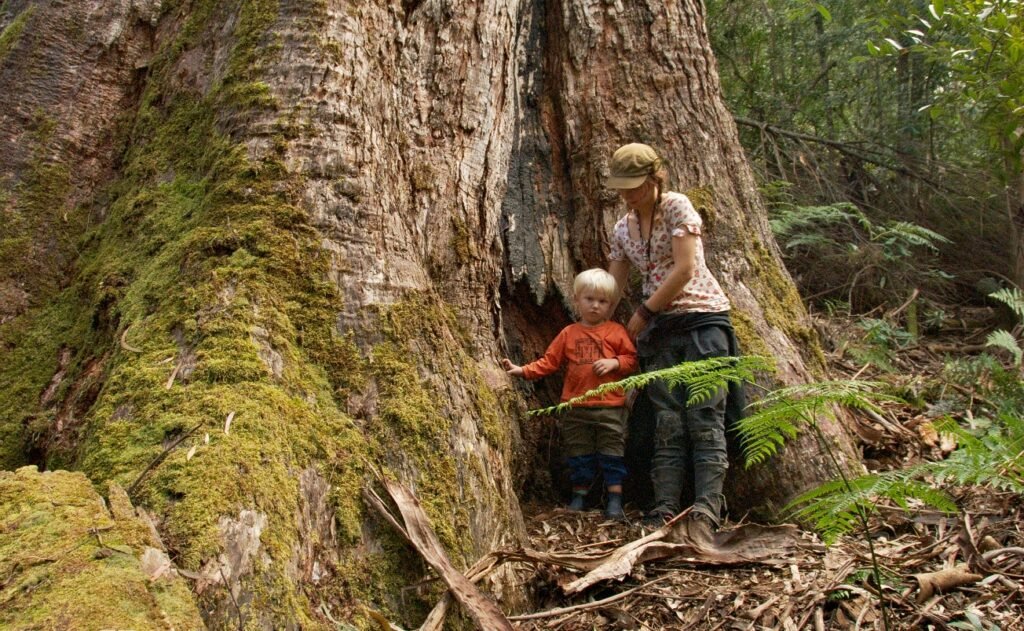
An old-growth forest is a mature forest ecosystem that has developed over a long period, typically centuries, without major human disturbance, characterized by large old trees, standing dead wood, and complex multi-layered canopy structure. Defining Characteristics Old-growth forests typically feature trees of exceptional size and age, a canopy with multiple distinct layers rather than a
Old-Growth Forest Read More »
A mature forest ecosystem developed over centuries without major disturbance, marked by large old trees, standing dead wood, and complex canopy structure.
Silviculture is the applied science and practice of controlling the establishment, growth, composition, and quality of forest stands to meet specific management objectives, from timber production to wildlife habitat and watershed protection. Core Silvicultural Systems Foresters classify silvicultural systems broadly into even-aged methods, which regenerate a stand to a single age class through clear-cutting, seed-tree,
Silviculture Read More »
The applied science and practice of controlling forest stand establishment, growth, and composition to meet specific management objectives.
Tree species diversity refers to the variety and relative abundance of different tree species present within a forest stand or landscape, a key measure of forest ecosystem health and resilience. Measuring Diversity Ecologists quantify tree species diversity using indices that account for both the number of species present, known as richness, and how evenly individuals
Tree Species Diversity Read More »
The variety and relative abundance of different tree species within a forest, a key measure of ecosystem health, resilience, and function.