What Port Operations Covers
Port operations encompasses everything required to move cargo and passengers between ships and land-based transportation at a seaport, including vessel berthing, cargo loading and unloading, warehousing, customs clearance, and coordination with trucking and rail connections. A well-run port minimizes the time a ship spends at berth, since idle vessel time is costly for shipping lines.
Container Terminal Operations
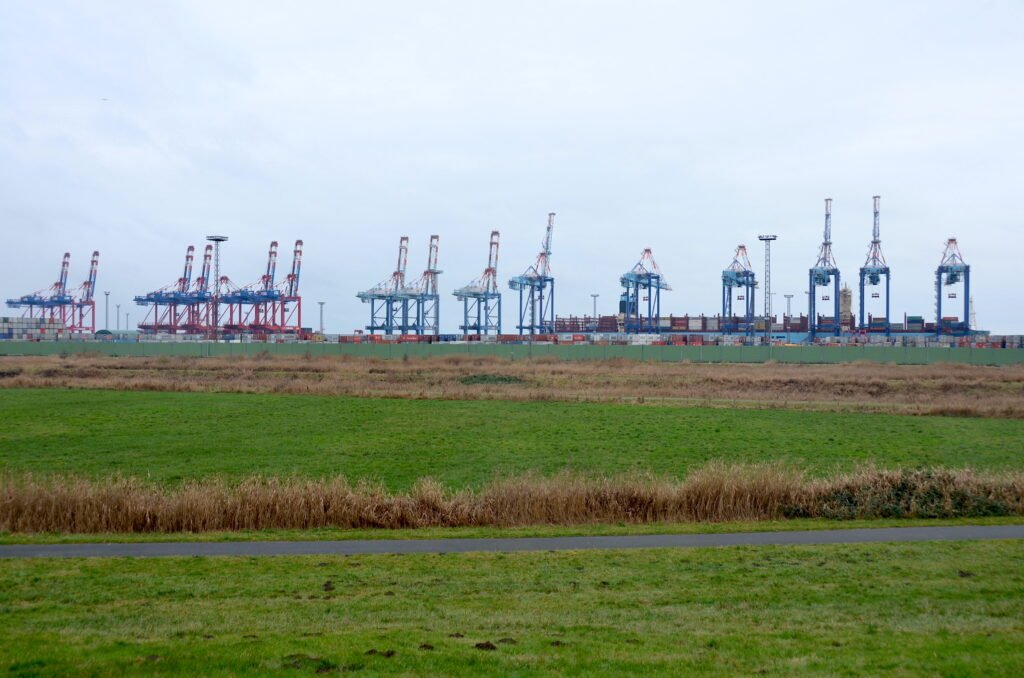
Container terminals use large ship-to-shore gantry cranes to lift containers directly off vessels onto trucks, rail cars, or temporary storage yards, with terminal operators tracking thousands of container movements per day using sophisticated terminal operating systems that coordinate crane assignments, yard storage, and gate traffic.
Bulk and Specialized Cargo Handling
Ports handling bulk cargo use different equipment entirely, such as conveyor systems and mechanical grabs for dry bulk commodities or pumping systems for liquid bulk, reflecting the fundamentally different handling requirements compared with containerized general cargo. Specialized terminals also exist for vehicles, livestock, and project cargo such as oversized industrial equipment.
Port Governance and Investment
Ports operate under varying governance models, from fully government-owned and operated facilities to privatized terminals run by private operators or public-private partnerships, with significant ongoing investment required to maintain channel depth, expand berth capacity, and keep pace with growing vessel sizes and trade volumes.
Vessel Scheduling and Berth Allocation
Ports coordinate vessel arrivals through berth scheduling systems, balancing competing demands from multiple shipping lines seeking to use limited berth space and crane capacity, with efficient scheduling essential to minimizing the time vessels spend waiting outside the port before they can begin loading or unloading operations.
Customs and Security at Ports
Port operations must integrate customs clearance and security screening for both inbound and outbound cargo, coordinating closely with government agencies to verify shipments comply with import and export regulations while minimizing delays that could otherwise significantly slow cargo movement through the port.
Port Labor and Automation
Port labor has historically been highly unionized given the physically demanding and safety-critical nature of cargo handling work, and increasing automation of container terminals, including automated cranes and driverless yard vehicles, has at times created tension between efficiency gains and labor force concerns at major ports worldwide.
Port Infrastructure Investment
Expanding port capacity requires dredging channels to accommodate deeper-draft vessels, building additional berths and storage yards, and upgrading cranes to handle larger ships, investments that typically require years of planning and substantial capital given the scale of modern port infrastructure projects and their significant environmental review requirements.
Port Competition and Regional Hubs
Ports within the same region often compete for shipping line business and cargo volume, with some ports establishing themselves as dominant regional transshipment hubs where cargo is transferred between larger long-haul vessels and smaller feeder ships serving nearby smaller ports that cannot accommodate the largest vessels directly.
Environmental Considerations in Port Operations
Ports face growing pressure to reduce their environmental footprint, including air quality impacts from ship and truck emissions near port facilities, prompting investments in shore power systems that let docked ships turn off their engines and draw electricity from the grid instead, along with electrification of port equipment and vehicles.
Terminal Operating Companies and Concessions
Many of the world’s busiest container terminals are not run directly by the port authority that owns the land, but by specialized terminal operating companies that win long-term concession contracts to build and manage specific berths. Global terminal operators such as PSA International, DP World, and APM Terminals compete for these concessions across dozens of countries, bringing standardized equipment, software, and labor practices to ports that might otherwise lack the capital or expertise to run large-scale container operations efficiently. A concession agreement typically specifies minimum throughput guarantees, investment commitments, and revenue-sharing arrangements with the port authority, aligning the private operator’s incentives with the public landlord’s goal of maximizing cargo volume moving through the port over the life of the contract, which can run twenty-five years or longer.
Dredging and Channel Maintenance
Keeping a port accessible to modern vessels requires continuous dredging to maintain channel depth and width, since sediment carried by rivers and tides steadily refills navigation channels that were originally excavated or deepened at great expense. Ports competing for the largest container ships have undertaken major deepening projects, sometimes removing millions of cubic meters of seabed material, to accommodate vessels drawing fifteen meters or more of water when fully loaded. Dredged material must be disposed of carefully, often in designated offshore sites or used for land reclamation, because it can carry contaminants from industrial activity upstream, making dredging both an engineering and an environmental permitting challenge for port authorities.
Labor relations at ports can significantly affect operations, since dockworker unions in many countries hold considerable bargaining power over cargo handling, and contract disputes or strikes can cause cargo backlogs that ripple through supply chains far beyond the port itself.
Port security has taken on greater importance since the early 2000s, with international frameworks such as the International Ship and Port Facility Security Code requiring ports to implement access controls, cargo screening, and security assessments to reduce the risk of smuggling, stowaways, and deliberate attacks on maritime infrastructure.
Many ports also serve a secondary role as centers for shipbuilding, repair, and bunkering services, generating additional economic activity beyond pure cargo handling and making port cities important hubs for the broader maritime industry.
Hinterland connections by rail and inland waterway increasingly determine a port’s competitiveness, since cargo delays beyond the quay in onward road or rail transport can erase any efficiency gained at the berth itself.
Key facts
- Array
Quick checkWhy is port efficiency important to global trade?Show answer
Delays or bottlenecks at ports can ripple through global supply chains, since nearly all international trade passes through a port at some point in its journey.
Sources
- Array
Editorially reviewed by Specialty Digest Editorial TeamLast reviewed November 4, 2026Researched and drafted with AI assistanceReport an issue