What Bulk Cargo Is
Bulk cargo refers to freight shipped in large, unpackaged quantities rather than in individual boxes, pallets, or containers. Dry bulk commodities such as grain, coal, iron ore, and cement are loaded loose into a ship’s hold or a rail hopper car. Liquid bulk commodities such as crude oil, refined fuels, and industrial chemicals are carried in tanker vessels or pipeline systems.
Bulk Carriers and Tankers
Specialized vessels called bulk carriers are designed with large open holds to carry dry bulk commodities efficiently, while tanker ships carry liquid bulk in internal tank compartments. These vessels are often sized specifically for the trade routes and port infrastructure they serve, ranging from smaller coastal vessels to some of the largest ships in the world built for iron ore and crude oil trades.
Loading and Unloading Bulk Cargo
Bulk cargo is typically loaded and unloaded using specialized equipment such as conveyor belts, grain elevators, and mechanical grabs for dry bulk, or pumping systems for liquid bulk. These dedicated systems allow bulk terminals to move extremely large volumes quickly compared with the piece-by-piece handling required for packaged or containerized freight.
Economic Importance of Bulk Shipping
Bulk shipping carries the raw materials that underpin global industry and food supply, including the grain that feeds much of the world’s population and the iron ore and coal that supply steel production. Freight rates for major dry bulk trade routes are tracked through indices that serve as widely watched indicators of global industrial demand.
Dry Bulk Versus Liquid Bulk
Dry bulk cargo, including grains, coal, ores, and cement, is measured and traded by weight, typically in metric tons, and loaded loose into a vessel’s cargo holds using conveyor systems or mechanical loaders. Liquid bulk cargo, including crude oil, refined petroleum products, and bulk chemicals, is measured by volume and pumped directly into and out of a tanker’s internal tank compartments through dedicated piping systems.
Bulk Shipping Markets and Chartering
Unlike containerized shipping, which typically operates on fixed liner schedules, much of the bulk shipping market operates through chartering, where a shipper or trading company hires an entire vessel for a specific voyage or period rather than booking individual container slots. Freight rates in the bulk charter market are highly volatile, driven by the balance between available vessel capacity and global commodity trade volumes.
Environmental and Safety Considerations
Bulk cargo handling carries specific safety and environmental risks, including dust generation from dry bulk loading, the potential for cargo shifting during transport, and the risk of spills during liquid bulk transfer. Ports and vessel operators maintain specialized procedures and equipment to manage these risks throughout loading, transport, and unloading.
Major Bulk Commodity Trades
The largest global dry bulk trades by volume include iron ore moving from major mining regions to steel-producing countries, coal supplying power generation and steel production, and grain moving from major agricultural exporting nations to importing countries facing domestic food security needs. Each of these trades depends on specialized bulk terminal infrastructure at both loading and discharge ports.
Bulk Shipping and Port Draft Limits
The largest bulk carriers and tankers require deep-water ports capable of accommodating their draft, the depth of the vessel below the waterline, which limits which ports can handle the largest vessels and influences global trade routing toward ports with sufficient channel depth and berth capacity for these ships.
Bulk Terminal Infrastructure Investment
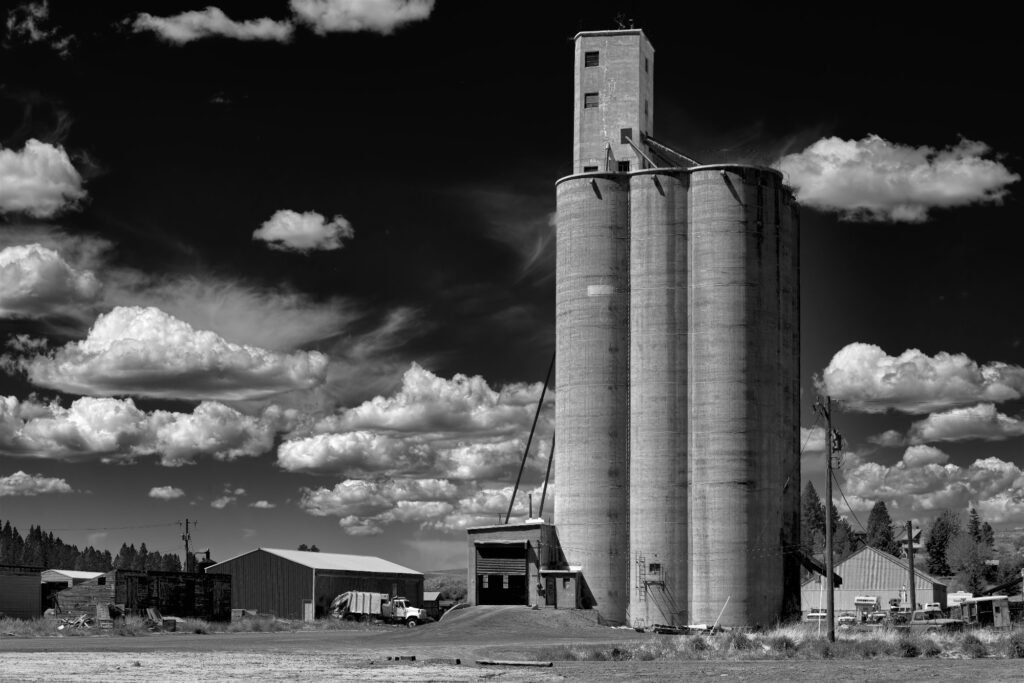
Ports handling significant bulk cargo volumes invest heavily in specialized infrastructure such as grain silos, coal stockyards, and liquid storage tank farms, since the efficiency of loading and unloading bulk commodities depends directly on how much storage and handling capacity a port can offer alongside its berths.
Bulk Cargo and Commodity Futures Markets
Many bulk commodities transported by sea, including grain, oil, and metals ores, are actively traded on commodity futures exchanges, and physical bulk shipping schedules are closely tied to these financial markets, since the timing and location of futures contract delivery obligations directly influence vessel chartering and cargo routing decisions.
Bulk Vessel Size Categories
Bulk carriers are categorized into standardized size classes, from smaller handysize vessels suited to ports with limited infrastructure up to capesize vessels too large to transit the Panama Canal and built specifically for the long-haul iron ore and coal trades between major mining regions and steel-producing countries.
Demurrage and Bulk Shipping Contracts
Bulk shipping charter contracts typically specify demurrage penalties charged when a vessel is delayed beyond its agreed loading or unloading time, creating strong financial incentive for ports and cargo owners to handle bulk vessels efficiently and avoid costly delays that ripple through tightly scheduled global shipping itineraries.
Bulk Cargo Quality and Contamination Control
Bulk cargo handlers must prevent contamination between different cargo types using the same vessel or terminal equipment, since even small amounts of a previous cargo residue can render a sensitive commodity such as food-grade grain unsellable, requiring thorough cleaning procedures between shipments.
Bulk Shipping Outlook
Bulk shipping markets remain closely tied to global commodity demand cycles, with investment in larger, more fuel-efficient vessels continuing as operators seek to lower per-ton shipping costs on the highest-volume dry and liquid bulk trade routes.
Ultimately, bulk cargo shipping remains the economic backbone of global commodity trade, moving the raw materials that manufacturing, construction, and food production depend on at a scale no other freight method could match as efficiently.
Investment in port infrastructure and vessel efficiency continues shaping how affordably the world’s raw materials can move from producing regions to the factories and markets that depend on steady, large-scale bulk commodity supply.
Key facts
- Array
Quick checkWhat distinguishes bulk cargo from containerized cargo?Show answer
Bulk cargo moves loose in large quantities without individual packaging, while containerized cargo is packed into standardized shipping containers.
Sources
- Array
Editorially reviewed by Specialty Digest Editorial TeamLast reviewed November 4, 2026Researched and drafted with AI assistanceReport an issue