Overview
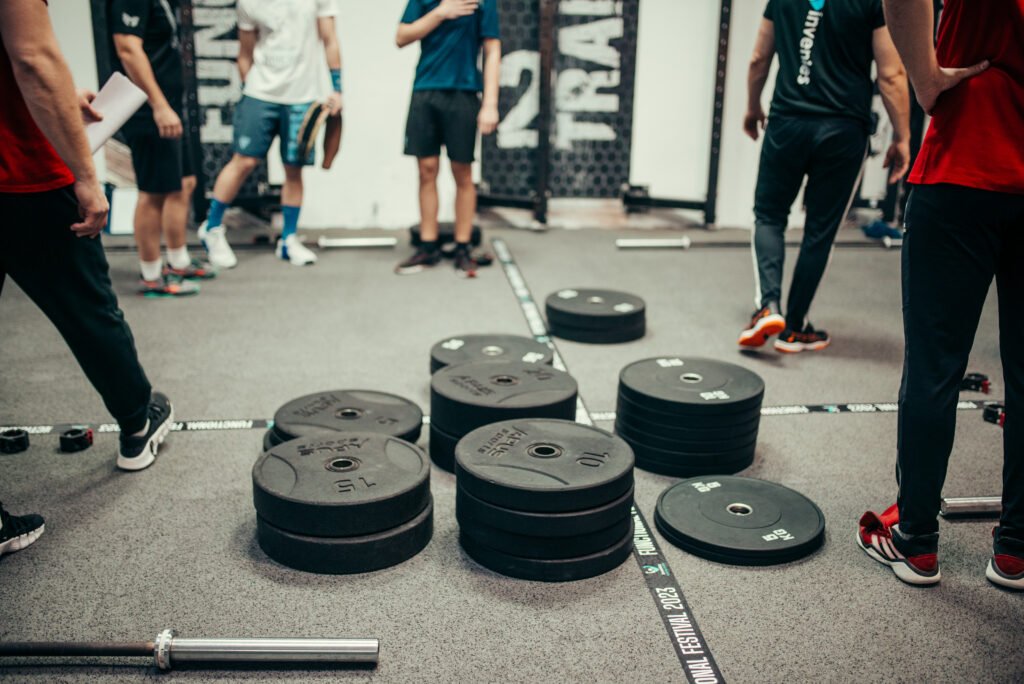
Strength and conditioning is a specialized field within sports science focused on developing the physical qualities that underpin athletic performance, including maximal strength, explosive power, speed, agility, and various forms of endurance. Strength and conditioning coaches design and supervise training programs tailored to the specific demands of an athlete sport and competitive calendar, working alongside sport coaches, physiotherapists, and sports medicine staff.
Core Training Methods
Programs typically combine several training modalities, including resistance training using free weights and machines to build strength and muscle mass, plyometric exercises such as jumps and bounds to develop explosive power, sprint and agility drills to improve speed and change-of-direction ability, and mobility work to maintain joint range of motion and reduce injury risk. The specific balance of these elements shifts throughout a periodized training year depending on whether an athlete is in an off-season building phase or an in-season maintenance phase.
Professional Practice
Strength and conditioning coaches commonly earn certification through organizations such as the National Strength and Conditioning Association, which sets standards for exercise science knowledge and practical coaching competency. Beyond performance enhancement, a central goal of modern strength and conditioning practice is injury prevention, achieved through addressing movement asymmetries, building resilience in commonly injured tissues such as hamstrings and shoulders, and carefully managing training load to avoid overuse injuries.
Periodized Training Structure
Strength and conditioning programs are typically organized using periodization principles that divide a training year into distinct phases, each emphasizing different physical qualities. A common structure might begin with a general preparation phase building a broad fitness base, transition through phases emphasizing maximal strength and then explosive power, and culminate in an in-season maintenance phase designed to preserve fitness gains while managing fatigue from competition.
Injury Prevention Focus
Beyond performance enhancement, strength and conditioning programs increasingly incorporate specific injury prevention protocols targeting commonly injured areas for a given sport, such as hamstring strengthening programs in sprint-based sports or shoulder stability work in overhead throwing sports. Research has demonstrated that well-designed strength and conditioning interventions can measurably reduce injury rates, making injury prevention an increasingly central justification for strength and conditioning investment at all levels of competitive sport.
Monitoring Training Load
Modern strength and conditioning practice increasingly relies on systematic load monitoring, tracking metrics such as total volume lifted, sprint distances covered, and subjective wellness ratings, to ensure athletes are neither undertrained relative to competitive demands nor accumulating excessive fatigue that elevates injury risk. This data-informed approach allows coaches to make more precise adjustments to individual athlete programs rather than relying solely on generic templates applied uniformly across an entire team.
Individualizing strength and conditioning programs based on an athlete specific position, injury history, and movement screening results has become standard practice in well-resourced professional sports organizations.
Recovery modalities such as adequate sleep, nutrition timing, and planned rest days are now considered integral components of a comprehensive strength and conditioning program rather than optional additions.
Looking Ahead
Continued integration of wearable technology and artificial intelligence into strength and conditioning practice is likely to further personalize training prescriptions, potentially allowing programs to adjust in near real time based on an athlete current fatigue and readiness status rather than following predetermined schedules regardless of daily variation in athlete condition.
Female athletes have historically been underrepresented in strength and conditioning research, prompting recent efforts to better understand sex-specific considerations in program design, including differences in injury patterns and hormonal influences on training response.
Youth strength and conditioning programs require particular care to account for growth-related changes in bone density and coordination, with most sports science bodies now endorsing supervised resistance training as safe and beneficial when properly designed for young athletes.
Professional certifying bodies periodically update their required knowledge base for strength and conditioning coaches to reflect evolving research on training methods, recovery science, and injury prevention strategies.
Strength and conditioning coaches increasingly collaborate with sports dietitians, recognizing that nutrition timing and adequacy significantly influence how effectively an athlete body can adapt to and recover from prescribed training loads.
Return-to-play protocols following injury typically fall under strength and conditioning oversight, with gradual, criteria-based progressions replacing older approaches that relied primarily on fixed timeframes for resuming full training.
Periodic testing, such as maximal strength assessments or sprint time trials, allows strength and conditioning coaches to objectively track whether a training program is producing intended physical adaptations over time.
Strength and conditioning facilities at the professional level increasingly resemble sports science laboratories, equipped with force plates, velocity-based training tools, and other technology once reserved for research settings.
Collaboration between strength and conditioning staff and sport-specific technical coaches has grown closer in many organizations, ensuring physical training directly supports rather than conflicts with technical and tactical development priorities.
Periodized strength and conditioning plans typically divide a season into blocks that emphasize different qualities in sequence, building a foundation of general strength before shifting toward power and sport-specific movement patterns as competition approaches. Recovery monitoring, including tracking sleep, perceived soreness, and bar-speed or jump-height markers, helps coaches decide whether an athlete is ready for a demanding session or needs a lighter load that day. Strength and conditioning staff increasingly coordinate closely with sport coaches and medical staff so that conditioning demands do not conflict with technical training volume or increase injury risk during heavy competitive stretches.
Equipment and facility access can shape how a strength program is designed just as much as an athlete training age, since programs without full weight-room access often substitute bodyweight and resistance-band progressions that still build meaningful strength over time.
Key facts
- Array
Quick checkWhat is the primary goal of strength and conditioning programs?Show answer
Strength and conditioning programs aim to develop an athlete physical qualities such as strength, power, speed, and endurance in order to improve sport performance while also reducing the risk of injury.
Sources
- Array
Editorially reviewed by Specialty Digest Editorial TeamLast reviewed November 4, 2026Researched and drafted with AI assistanceReport an issue