Specialty Digest

Global English edition Learners’ Study Dashboard — in development
Encyclopedia / Sport & Exercise Studies

Sports Coaching and Performance

Specialty Knowledge entries in Sports Coaching and Performance.

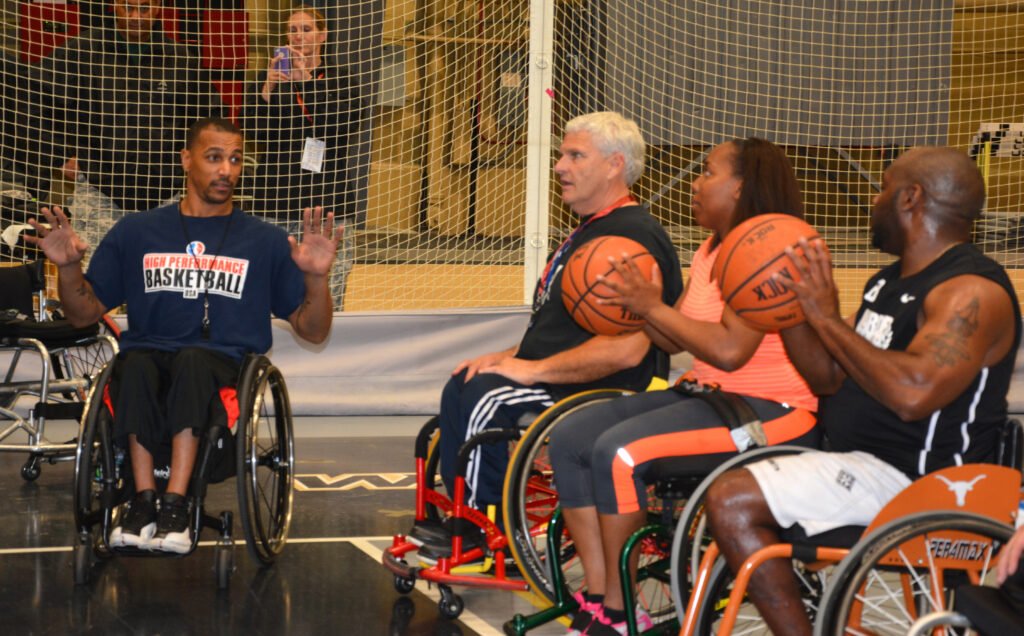
Coaches demonstrate ball-handling technique at the Warrior Trials

Coaching Effectiveness

Overview Coaching effectiveness refers to the degree to which a coach actions and decisions produce positive outcomes for athletes, encompassing not only competitive performance but also skill development, motivation, and psychological wellbeing. Researchers studying coaching effectiveness generally caution against relying solely on win-loss records as a measure, since team success depends on many factors beyond
Coaching Effectiveness Read More »

The degree to which a coach actions and decisions produce positive outcomes for athletes, including improved performance, skill development, and psychological wellbeing.

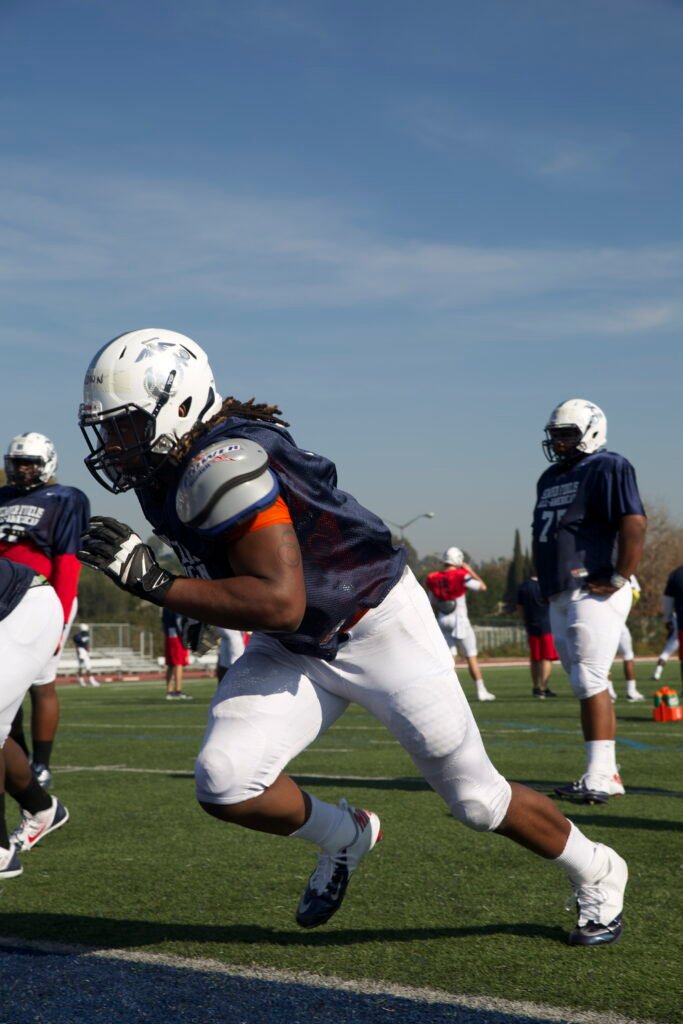
Athletes repeat a focused drill during Semper Fi Bowl practice

Deliberate Practice

Overview Deliberate practice refers to a highly structured form of training involving specific, effortful activities designed to improve performance in a particular skill or domain. Unlike casual repetition, deliberate practice requires a performer to work at the edge of their current ability, receive immediate feedback, and pursue clearly defined, often narrowly focused improvement goals. The

Deliberate Practice Read More »

A highly structured form of training that involves specific, effortful activities designed to improve performance, typically with expert feedback and clear goals.

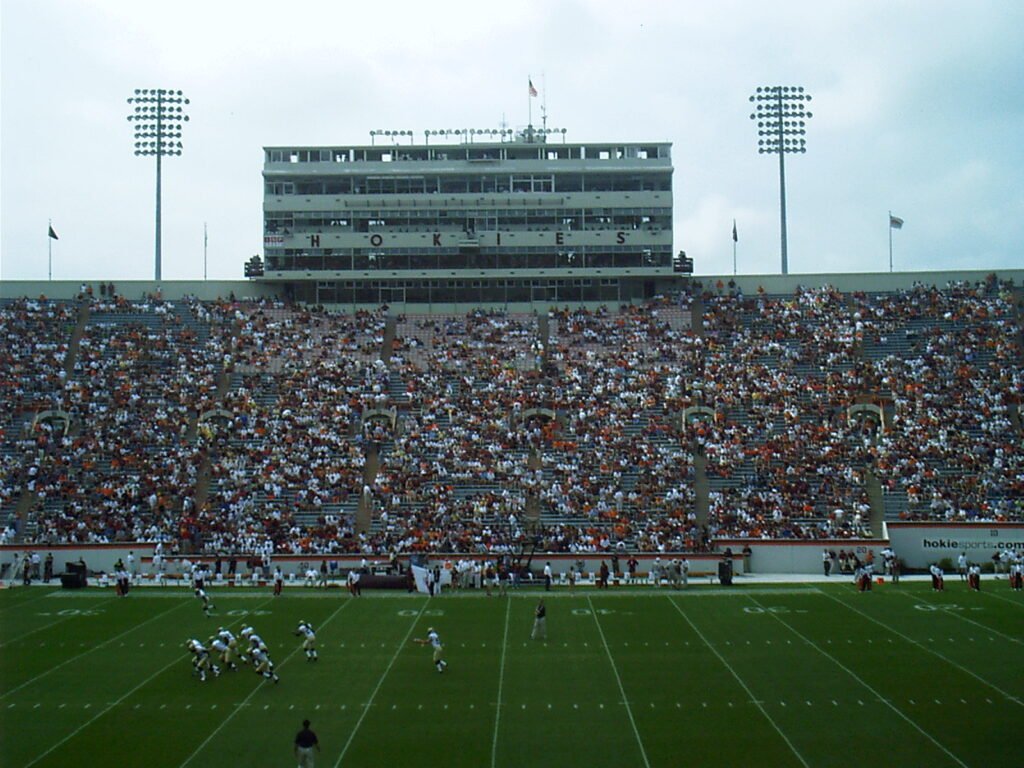
A stadium press box used for scouting and game analysis

Game Analysis and Scouting

Overview Game analysis and scouting involves the systematic observation and evaluation of opposing teams, individual players, or prospective recruits to inform decision-making in sport. The practice generally splits into two related functions: tactical scouting, which focuses on understanding an upcoming opponent patterns and tendencies to prepare a specific game plan, and talent scouting, which evaluates

Game Analysis and Scouting Read More »

The process of systematically observing and evaluating opposing teams, players, or prospective recruits to inform tactical preparation and talent acquisition decisions.

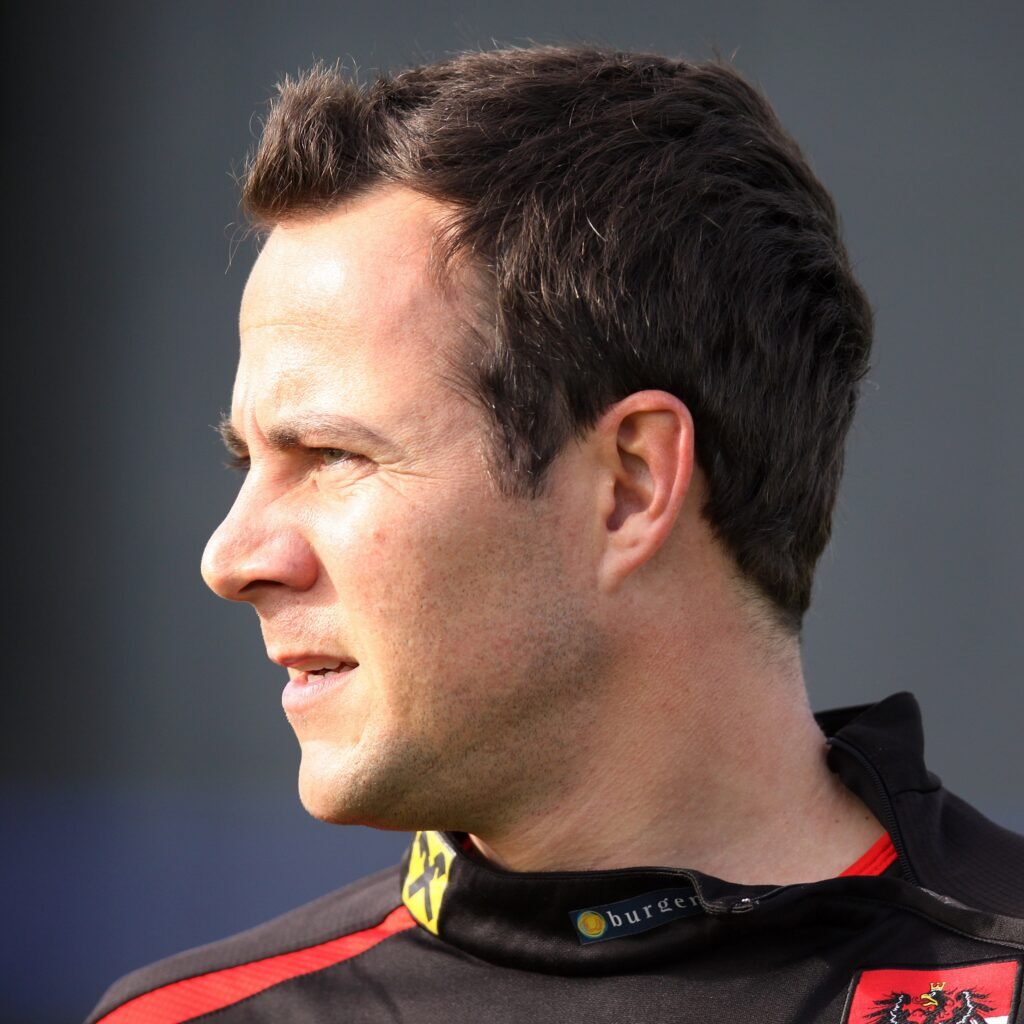
Austria national under-21 football team at a development team camp

Long-Term Athlete Development

Overview Long-term athlete development, often abbreviated LTAD, is a framework for structuring athletic training, competition, and recovery across an athlete entire developmental lifespan, from early childhood through to the retirement from competitive sport. The model, most closely associated with sports scientist Istvan Balyi, organizes development into a series of stages aligned with an athlete physical,

Long-Term Athlete Development Read More »

A framework for structuring athletic training and competition across an athlete lifespan, emphasizing age-appropriate development stages rather than early specialization.

Runners cross the finish line of the Pittsburgh Marathon

Peaking and Tapering

Overview Peaking and tapering refers to the planned reduction of training volume in the period leading up to a major competition, designed to allow athletes to shed accumulated fatigue from preceding training blocks while retaining the fitness adaptations that training has produced. The underlying principle rests on the idea that fitness gains persist longer than

Peaking and Tapering Read More »

The planned reduction of training volume in the period before a major competition, intended to allow athletes to recover from accumulated fatigue while maintaining fitness.

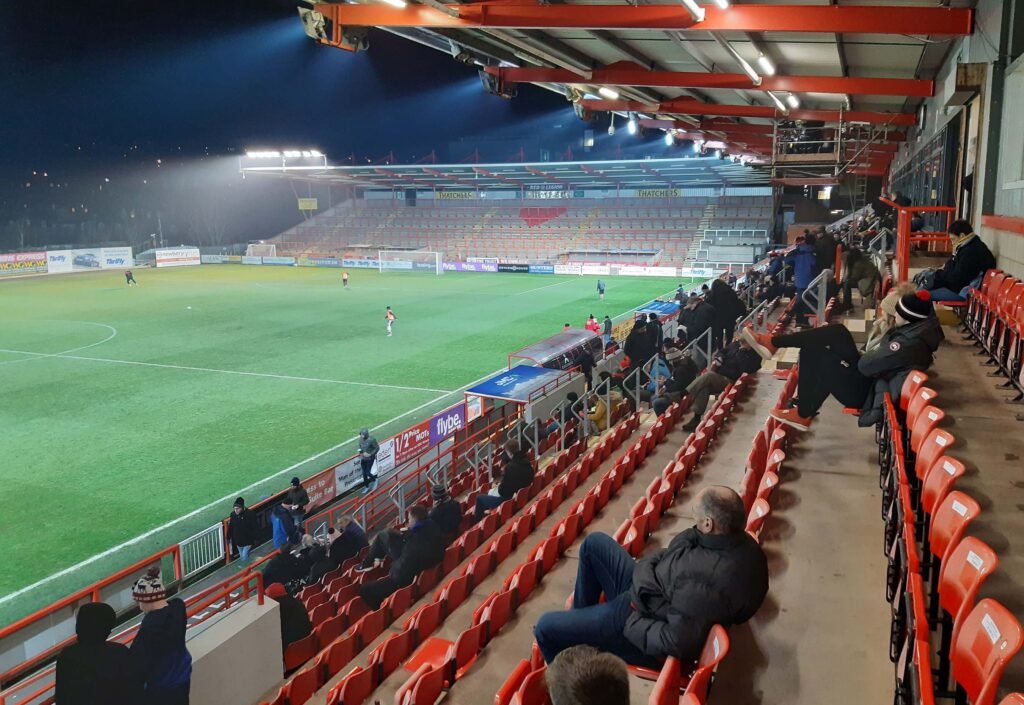
View from a stadium press box used for match analysis

Performance Analysis

Overview Performance analysis in sport involves the systematic collection, processing, and interpretation of data describing athlete and team performance, used to inform coaching decisions, tactical planning, and individualized training design. The discipline draws on methods ranging from traditional notational analysis, in which observers manually record events such as passes or shots, to sophisticated computer vision

Performance Analysis Read More »

The systematic collection and interpretation of data on athlete and team performance, used to inform coaching decisions, tactics, and training design.

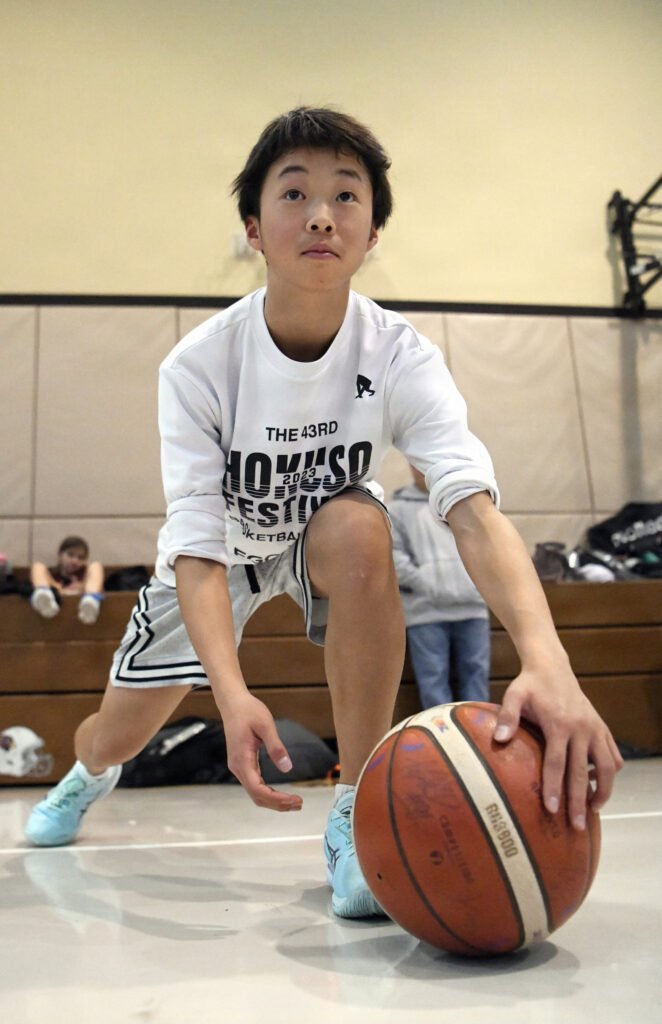
Youth basketball players learn fundamentals during a sports exchange

Skill Acquisition

Overview Skill acquisition describes the process through which athletes learn new motor skills and progressively refine them through practice, instruction, and feedback. A widely used model developed by Fitts and Posner describes this process across three stages: an initial cognitive stage in which the learner must consciously think through each component of a movement, an

Skill Acquisition Read More »

The process by which athletes learn and refine motor skills through practice, instruction, and feedback, progressing from conscious, effortful movement to automatic, efficient execution.

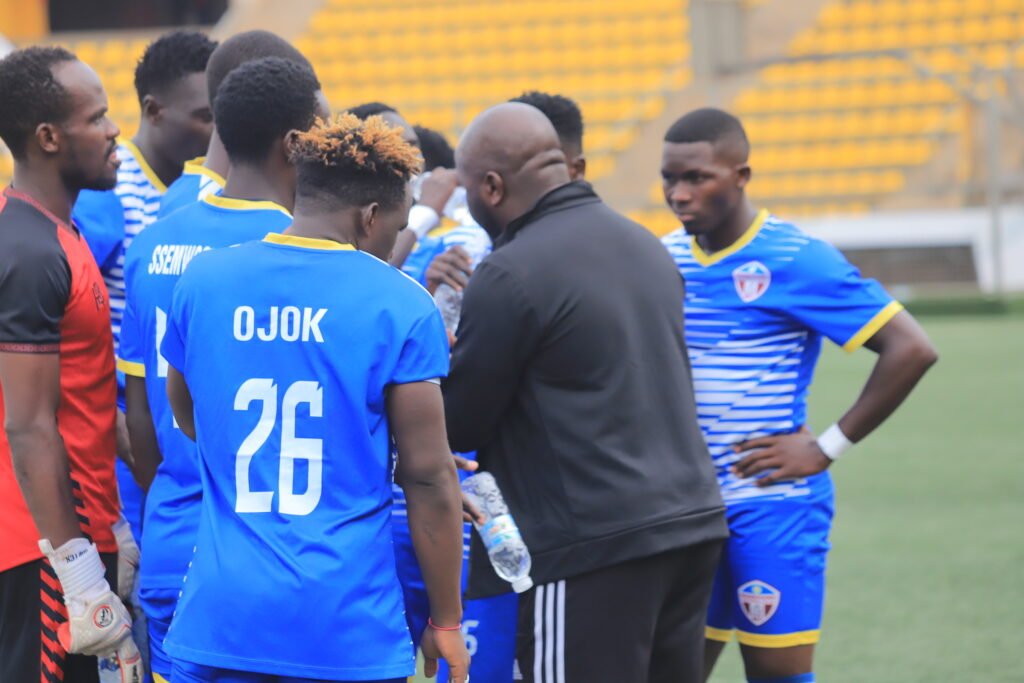
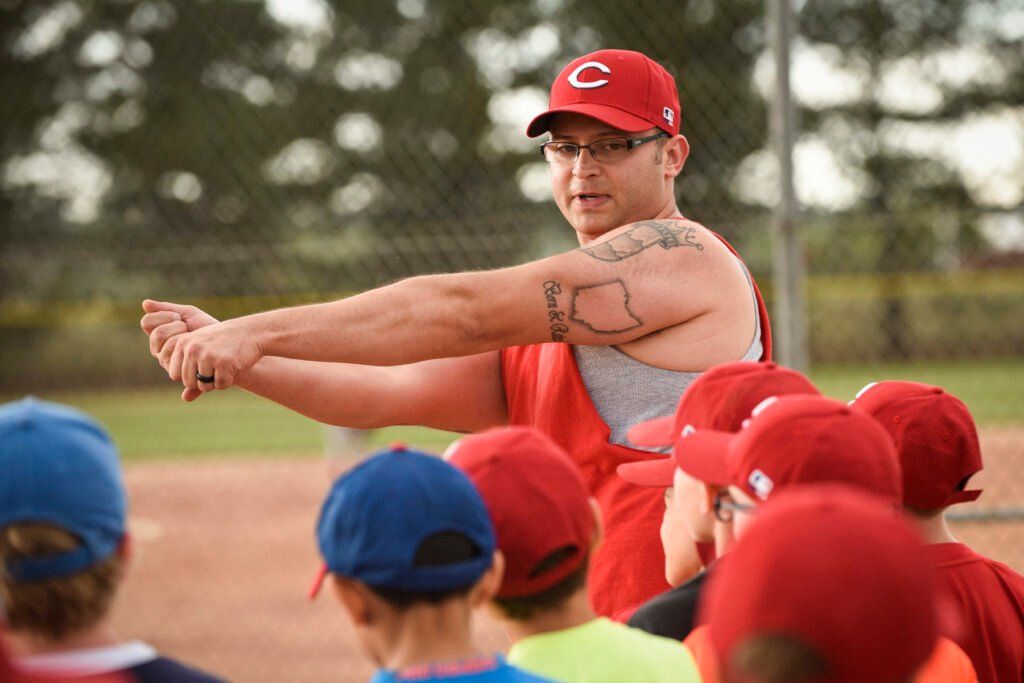
A head coach leads a team talk

Sports Coaching Philosophy

Overview A sports coaching philosophy is the set of core beliefs and values that guides a coach decisions about athlete development, competitive strategy, and team culture. A well-defined philosophy provides a consistent framework coaches can rely on when making difficult decisions, such as how to handle playing time disputes, discipline issues, or the balance between

Sports Coaching Philosophy Read More »

The set of core beliefs and values a coach holds about athlete development, competition, and leadership that guides their decisions and behavior.

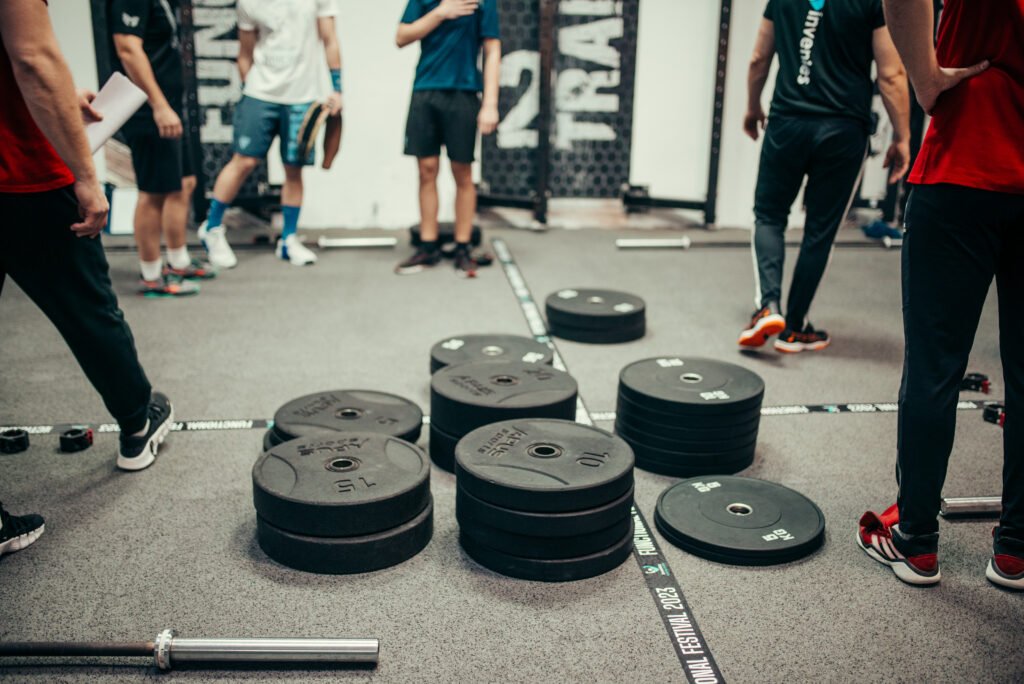
Athletes and coaches at a gym weightlifting competition

Strength and Conditioning

Overview Strength and conditioning is a specialized field within sports science focused on developing the physical qualities that underpin athletic performance, including maximal strength, explosive power, speed, agility, and various forms of endurance. Strength and conditioning coaches design and supervise training programs tailored to the specific demands of an athlete sport and competitive calendar, working

Strength and Conditioning Read More »

A field of athletic training focused on developing an athlete physical capacities, including strength, power, speed, and endurance, to improve performance and reduce injury risk.

Young athletes take part in a youth sports development program

Talent Identification

Overview Talent identification is the process sports organizations use to recognize individuals likely to achieve success in a particular sport based on physical, technical, tactical, and psychological attributes. Programs typically combine standardized physical testing, such as speed and strength assessments, with skill-specific evaluations and increasingly with psychological profiling intended to capture traits like resilience and

Talent Identification Read More »

The process of recognizing and selecting individuals with the physical, technical, and psychological attributes likely to lead to success in a particular sport.