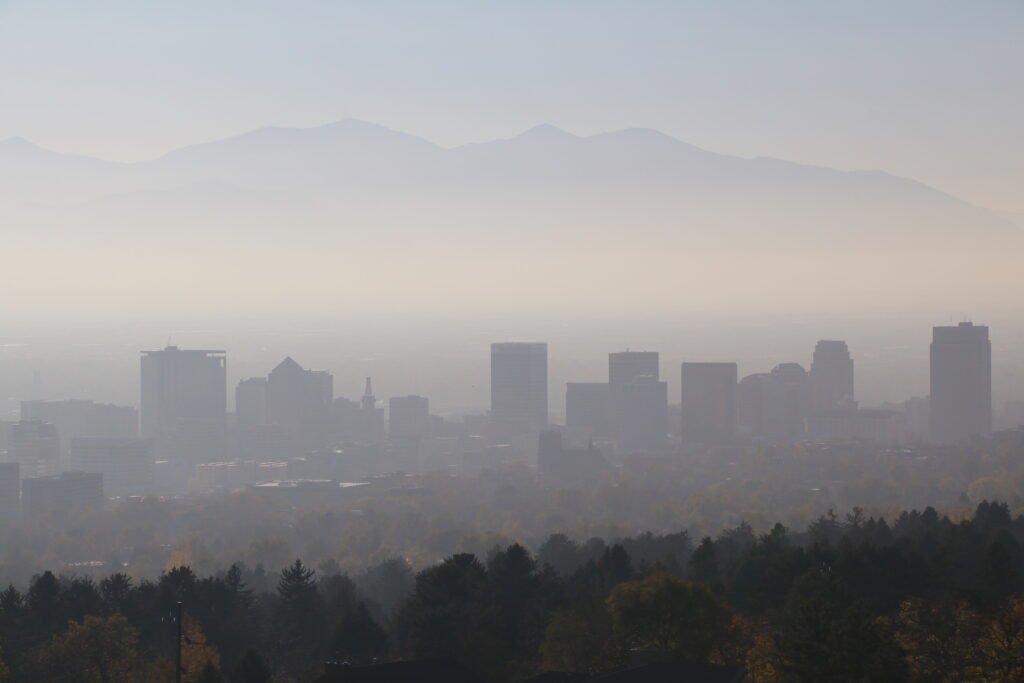
Air pollution is the contamination of indoor or outdoor air by chemical, physical, or biological agents that alter its natural characteristics, in ways that can harm human health, damage ecosystems, and affect the climate. The World Health Organization treats it as one of the largest single environmental risks to health worldwide, estimating that nearly everyone
Air pollution Read More »
Air pollution is the contamination of indoor or outdoor air by harmful agents, linked to about 7 million premature deaths worldwide each year.
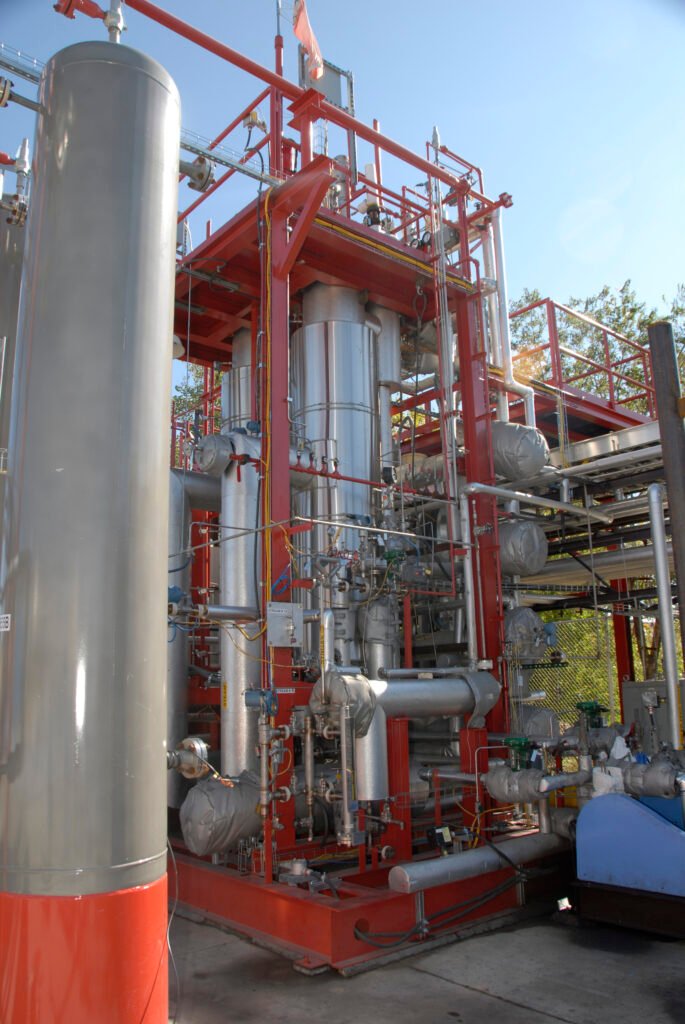
Biofuel is fuel produced from recently living biological material, chiefly plants, algae, or organic waste, rather than from fossil fuel deposits formed over millions of years. Because the carbon released when a biofuel is burned was captured from the atmosphere relatively recently, biofuels are generally promoted as a lower-carbon alternative to gasoline, diesel, and other
Biofuel Read More »
Biofuel is fuel produced from recently living biological material, such as crops or waste, rather than from fossil fuel deposits.
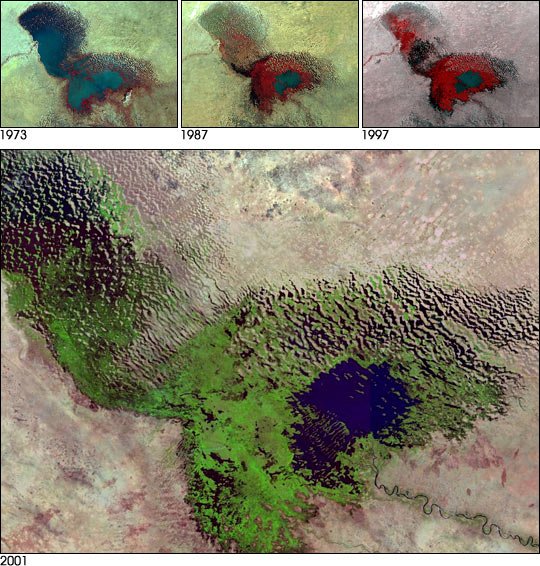
Desertification is the process by which fertile land in dry, semi-dry, or seasonally dry regions becomes progressively degraded, losing the vegetation, soil quality, and water retention it needs to support agriculture and natural ecosystems, until it comes to resemble a desert. Despite the name, desertification does not mean existing deserts physically expanding their boundaries outward
Desertification Read More »
Desertification is the progressive degradation of fertile dryland until it loses the vegetation and soil quality needed to support agriculture.
An ecological footprint is a measure of how much biologically productive land and water a given population, activity, or product requires to supply the resources it consumes and absorb the waste it generates, expressed in a standardized unit called the global hectare. The concept was developed in the early 1990s by Mathis Wackernagel, working under
Ecological footprint Read More »
A measure, in global hectares, of how much productive land and water a population or activity requires, developed in the early 1990s.
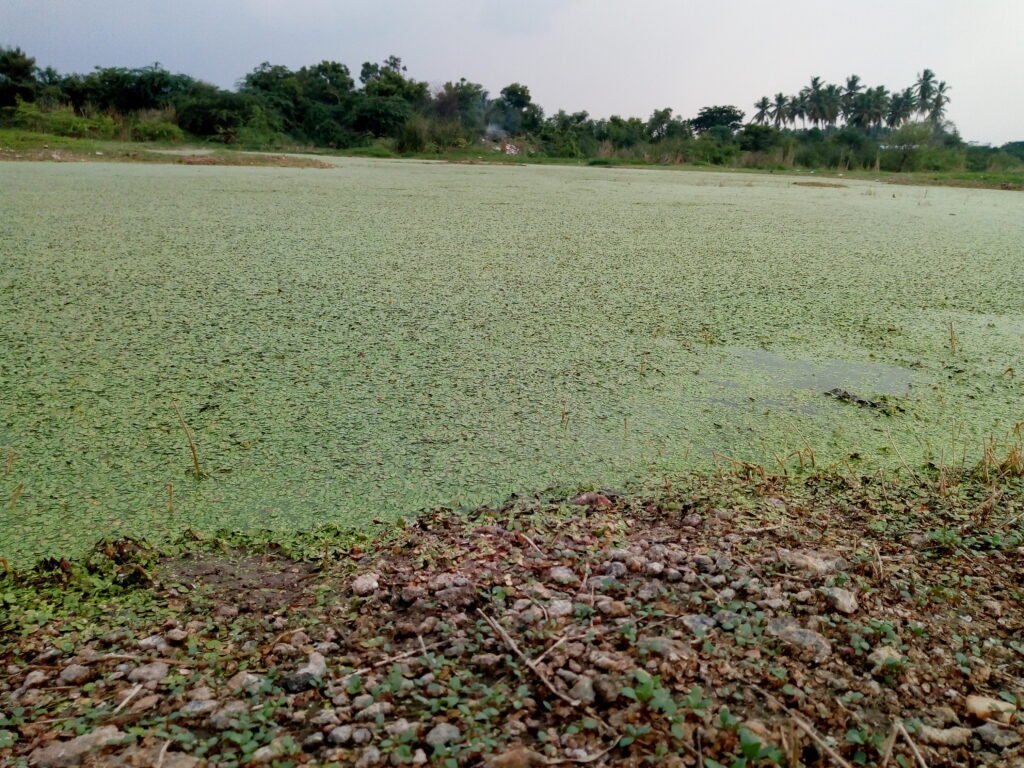
In simple terms Eutrophication is what happens when a body of water receives far more nutrients than it can absorb, mainly nitrogen and phosphorus, and answers with heavy growth of algae. Both nutrients belong in water naturally and support the algae and plants that feed fish, shellfish and smaller organisms. [1] The trouble is quantity,
Eutrophication Read More »
Eutrophication is the enrichment of water by excess nutrients, mainly nitrogen and phosphorus, which triggers heavy algae growth and oxygen loss.
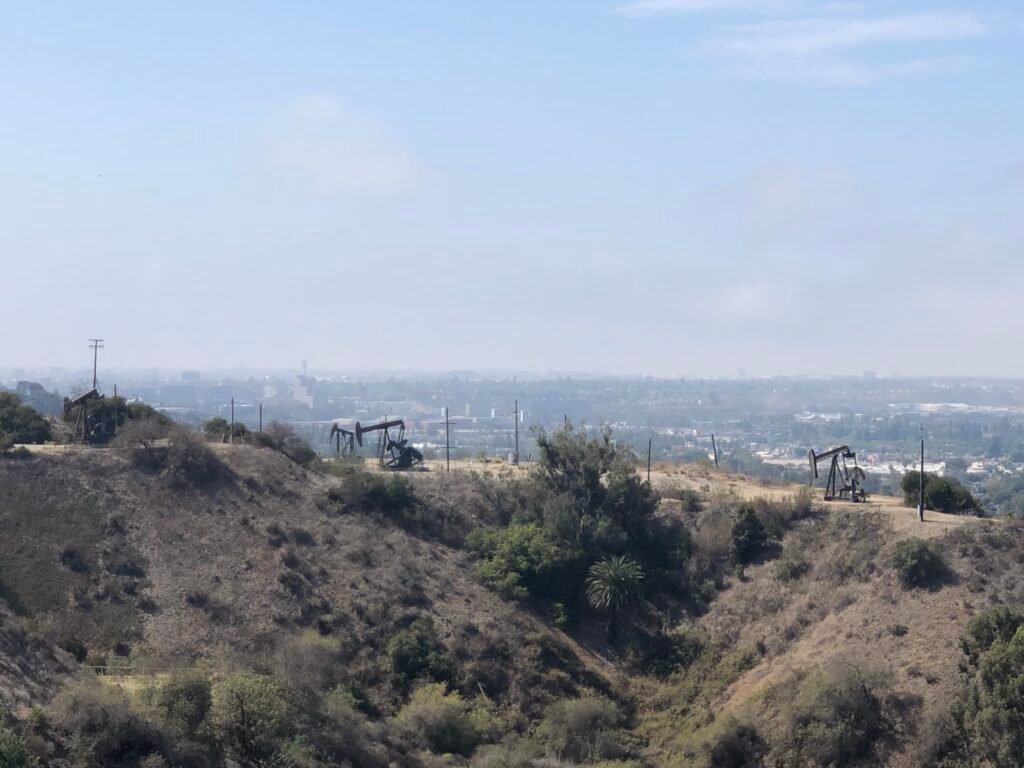
A fossil fuel is a hydrocarbon-rich fuel, chiefly coal, oil, and natural gas, formed from the remains of ancient plants and marine organisms buried and transformed by heat and pressure over millions of years. Burning a fossil fuel releases the chemical energy stored in that ancient organic matter, which is why fossil fuels have powered
Fossil fuel Read More »
A fossil fuel is a hydrocarbon fuel such as coal, oil, or natural gas, formed from ancient organic matter and burned to release stored chemical energy.
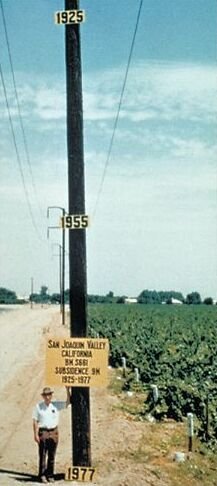
Groundwater depletion is the long-term, large-scale decline of water stored underground in aquifers, occurring when water is pumped out faster than natural recharge, mainly rainfall and snowmelt seeping back into the ground, can replace it. Unlike a surface reservoir, whose level anyone can see drop, groundwater depletion unfolds slowly and largely out of sight, which
Groundwater depletion Read More »
The long-term decline of water stored in aquifers when pumping outpaces natural recharge, often causing permanent land subsidence.
Nuclear power is electricity generated from the heat released by nuclear fission, the splitting of heavy atomic nuclei, typically uranium-235, inside a reactor. That heat boils water into steam, which drives a turbine connected to a generator, the same basic mechanical principle used in a coal or gas plant, except the heat source is a
Nuclear power Read More »
Electricity generated from the heat of controlled nuclear fission, supplying about 9% of global electricity.
Renewable energy is energy generated from sources that replenish naturally on a human timescale, chiefly sunlight, wind, flowing water, geothermal heat, and biomass, rather than from finite underground deposits of coal, oil, or natural gas. Because these sources are continuously renewed rather than depleted by use, renewable energy is central to efforts to reduce the
Renewable energy Read More »
Renewable energy comes from naturally replenishing sources such as sunlight, wind, and flowing water, rather than finite fossil fuel deposits.
Sustainability is the capacity to maintain a process, activity, or system over the long term without depleting the resources or degrading the conditions it depends on. In environmental and development contexts, the term most often refers to meeting human needs in ways that do not undermine the natural systems, resources, and social conditions future generations
Sustainability Read More »
Sustainability is the capacity to maintain a process or system over the long term without depleting the resources or conditions it depends on.