Art Nouveau is a decorative style that flourished internationally from roughly 1890 to 1910, characterized by flowing, organic lines drawn from plant forms and a distinctive ambition to unify architecture, furniture, jewelry, and graphic design into a single coordinated visual whole, often called a ‘total work of art.’ Victor Horta and Hotel Tassel Belgian architect
Art Nouveau Read More »
A decorative style of flowing, organic lines drawn from plant forms, flourishing internationally from about 1890 to 1910.
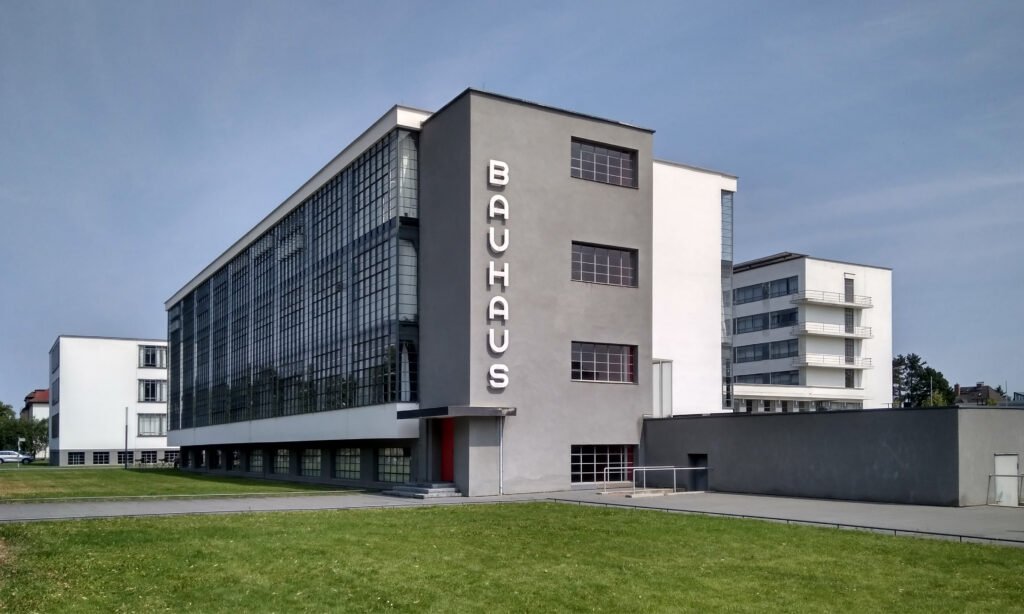
The Bauhaus was an influential German art and design school, founded by architect Walter Gropius in Weimar in 1919, that set out to unify fine art, craft, and industrial technology into a single comprehensive approach to design rather than treating them as separate disciplines. Founding principles Gropius envisioned the Bauhaus as a place where painters,
Bauhaus Read More »
An influential German art and design school (1919-1933) that unified fine art, craft, and industrial technology.
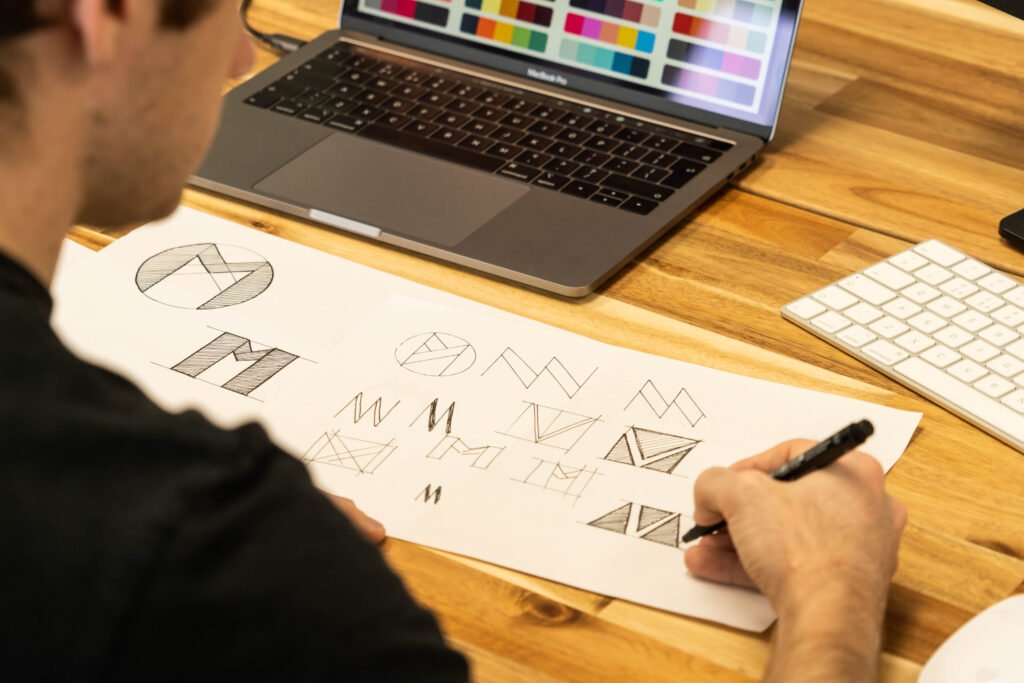
Brand identity is the set of visual and verbal elements, including a name, logo, color palette, typography, and tone of voice, that a company deliberately builds to represent itself and shape how people perceive it. It is distinct from brand image, which is the impression consumers actually form in their own minds, since a company
Brand identity Read More »
The visual and verbal elements a company builds to represent itself, including its logo, colors, typography and tone of voice.
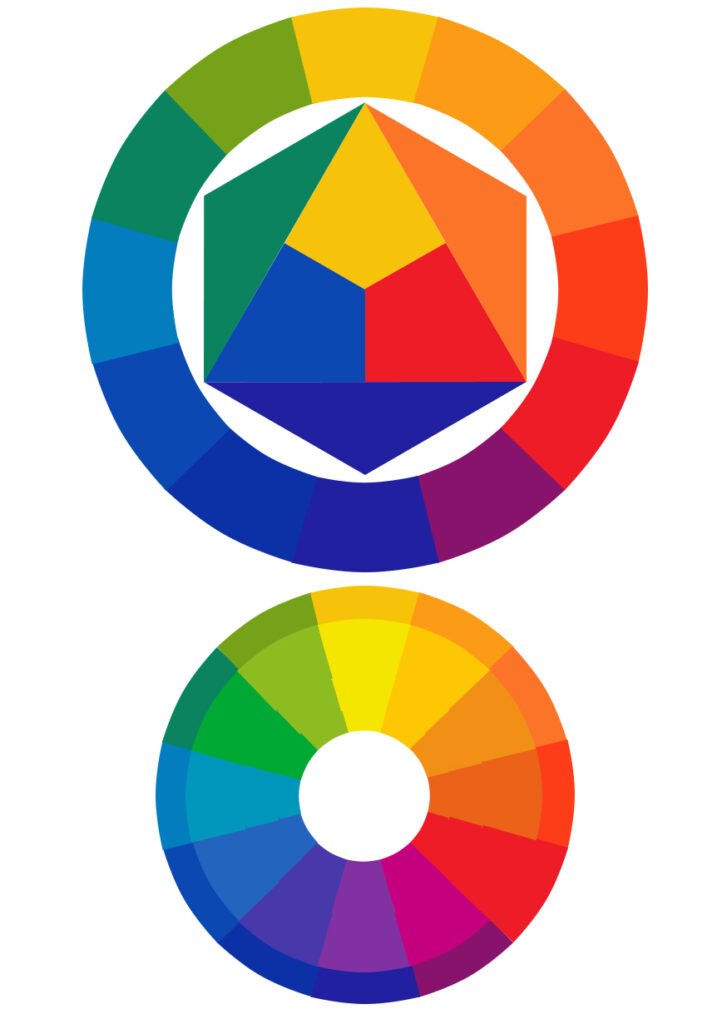
Color theory is the body of practical guidance and principles that explains how colors relate to one another, how they can be combined to create visual harmony or contrast, and how viewers perceive and respond to different color combinations. Artists and designers use it to make deliberate decisions about palette rather than choosing colors arbitrarily,
Color theory Read More »
Principles explaining how colors relate, combine and are perceived, tracing back to Newton and systematized by Johannes Itten.
Graphic design is the practice of visual communication that combines typography, imagery, color, and layout to convey information, express ideas, or persuade an audience. Graphic designers work across an enormous range of media, including logos and brand identities, books and magazines, posters and advertising, packaging, signage, and the screens of websites and apps, shaping how
Graphic design Read More »
The practice of combining typography, imagery, color, and layout to communicate visually.
In simple terms Industrial design is the practice of designing manufactured products, from kitchen appliances to cars, so that they work well, are safe and comfortable to use, and look appealing, before a single unit goes into mass production. [1] It sits deliberately at the intersection of engineering, ergonomics, and aesthetics rather than belonging fully
Industrial design Read More »
Industrial design is the practice of designing manufactured products so they work well, are safe and comfortable to use, and look appealing, before they go into mass production.
Minimalism is an art and design movement that emphasizes reducing a work to its essential elements, simple geometric forms, industrial materials, and a deliberate absence of personal expression or symbolism, shifting attention toward the physical object itself and the viewer’s direct experience of it. It took shape in New York in the early 1960s, partly
Minimalism Read More »
A movement reducing art and design to essential geometric forms and industrial materials, emerging in New York in the early 1960s.
In simple terms Typography is the craft of arranging type, choosing typefaces, sizes, spacing, and layout, so that written text is both readable and expressive. [1] It covers everything from selecting a font for a book to setting the letter spacing on a street sign. How it works A typeface is a complete family of
Typography Read More »
Typography is the craft of arranging type, choosing typefaces, sizes, spacing, and layout, so that written text is both readable and expressive.
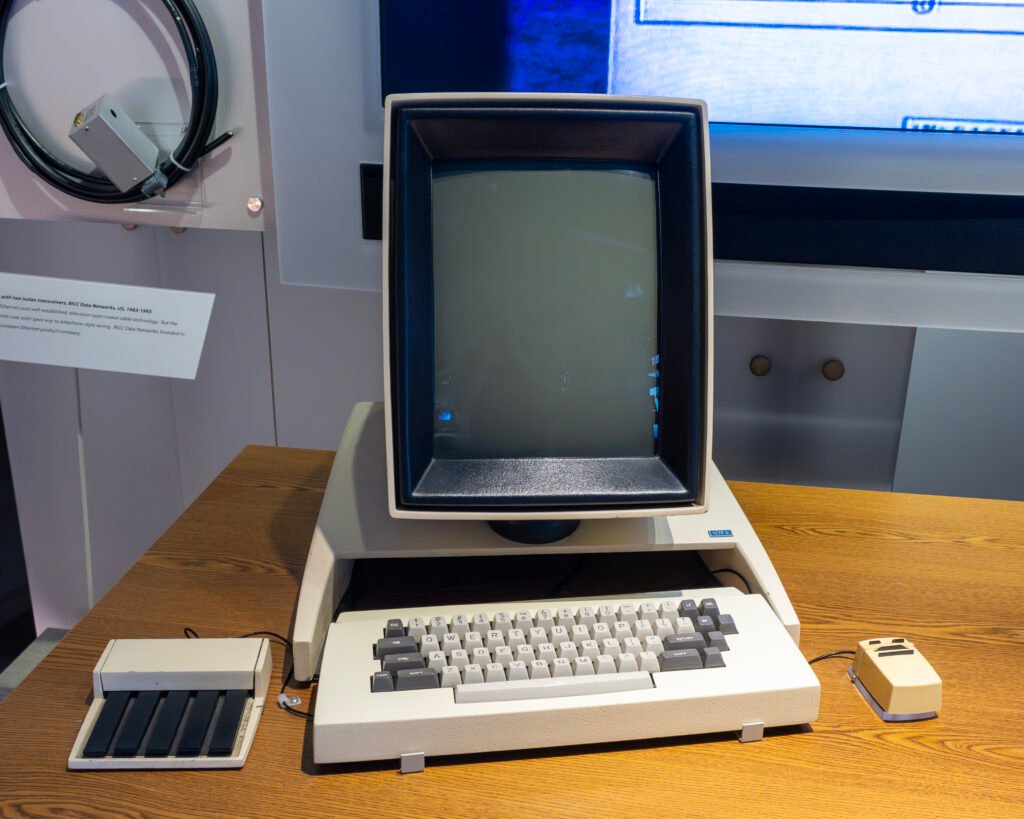
User interface design is the practice of designing the visual and interactive elements, including buttons, menus, icons, and screen layouts, through which a person operates a digital system such as a computer, website, or mobile app. Good interface design aims to make a system’s functions clear and predictable, so that people can accomplish tasks without
User interface design Read More »
Designing the visual and interactive elements through which a person operates a digital system.
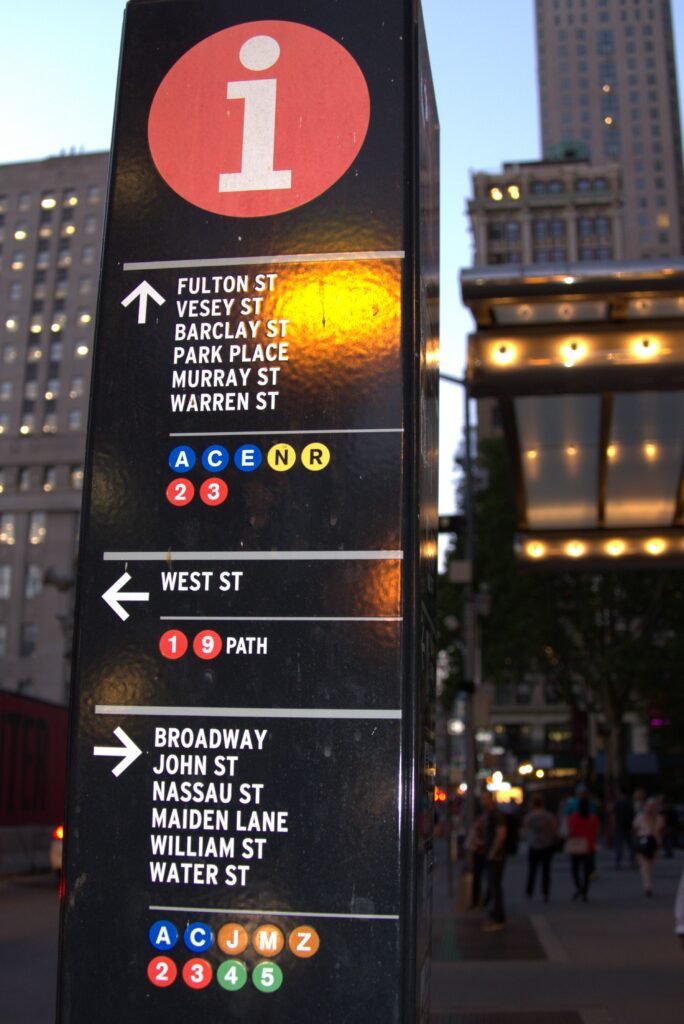
Wayfinding refers to how people orient themselves and find their way through physical space, as well as to the signs, maps, and other design elements created specifically to help them do so, a field that sits at the intersection of graphic design, architecture, and cognitive science. Origins of the term Urban planner Kevin Lynch introduced
Wayfinding Read More »
How people orient and navigate through physical space, and the signage and design that helps them do so.