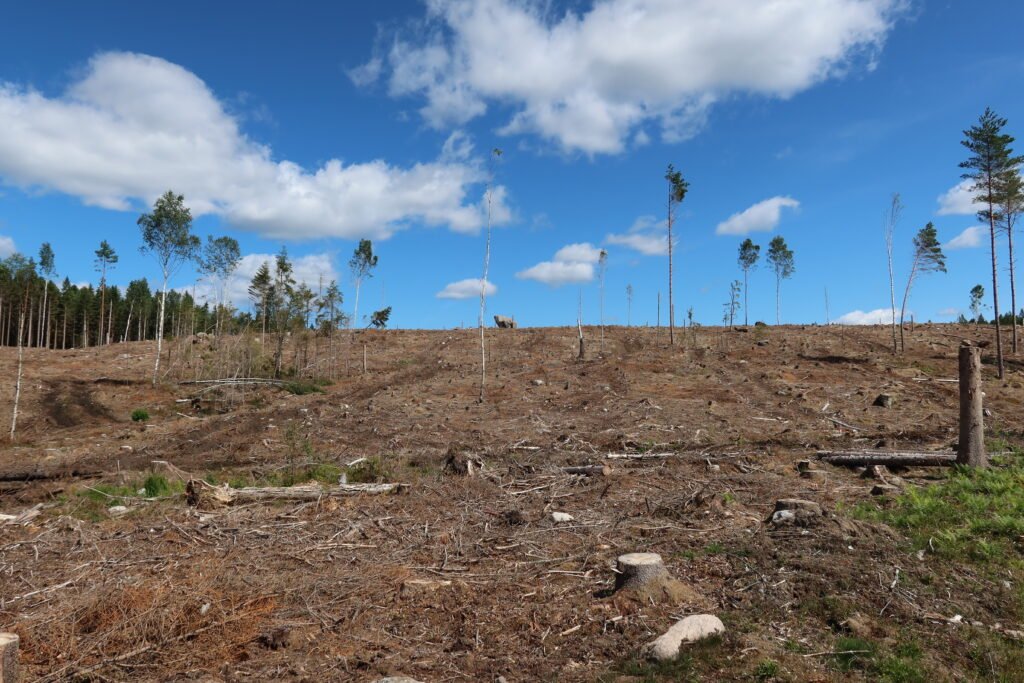
Clear-cutting is a forest harvesting method in which all or nearly all trees in a designated area are removed in a single operation, leaving an open site that then regenerates naturally or through replanting. Why Clear-Cutting Is Used Foresters favor clear-cutting for tree species that require full sunlight to regenerate, such as aspen and lodgepole
Clear-Cutting Read More »
A forest harvesting method that removes all or nearly all trees from an area in a single operation, followed by natural or planted regeneration.
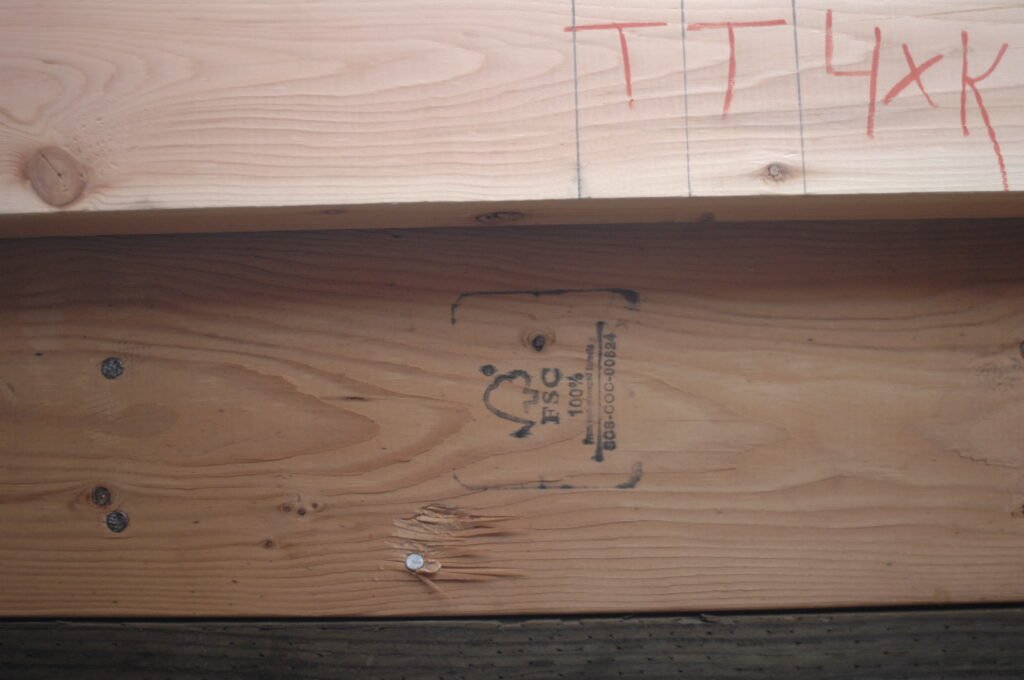
Forest certification is a voluntary process in which an independent third party verifies that a forest is managed according to defined environmental, social, and economic standards, allowing certified wood and paper products to carry a recognized label. Major Certification Systems The Forest Stewardship Council and the Programme for the Endorsement of Forest Certification are the
Forest Certification Read More »
A voluntary third-party verification process confirming that a forest is managed to defined environmental and social standards, enabling certified product labeling.
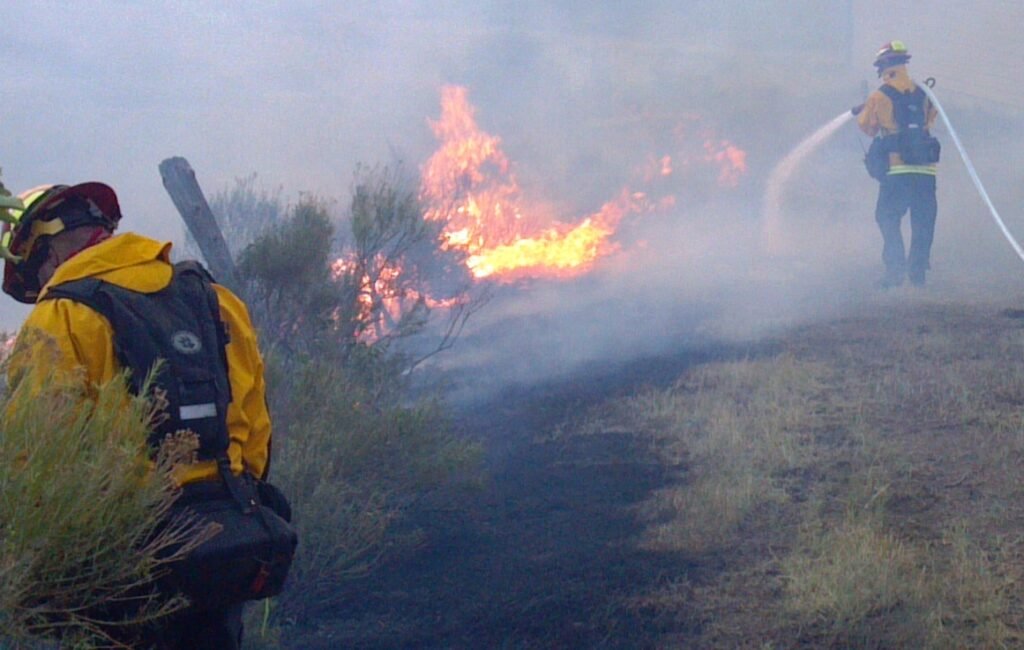
Forest fire management is the coordinated set of practices used to prevent, detect, and suppress unwanted wildfires while using controlled fire deliberately where it benefits forest health. Prevention and Fuel Reduction Fire managers reduce wildfire risk by thinning overcrowded stands, removing dead and downed material, and conducting prescribed burns that lower the volume of flammable
Forest Fire Management Read More »
The coordinated practice of preventing, detecting, and suppressing unwanted wildfires while using controlled fire deliberately to maintain forest health.
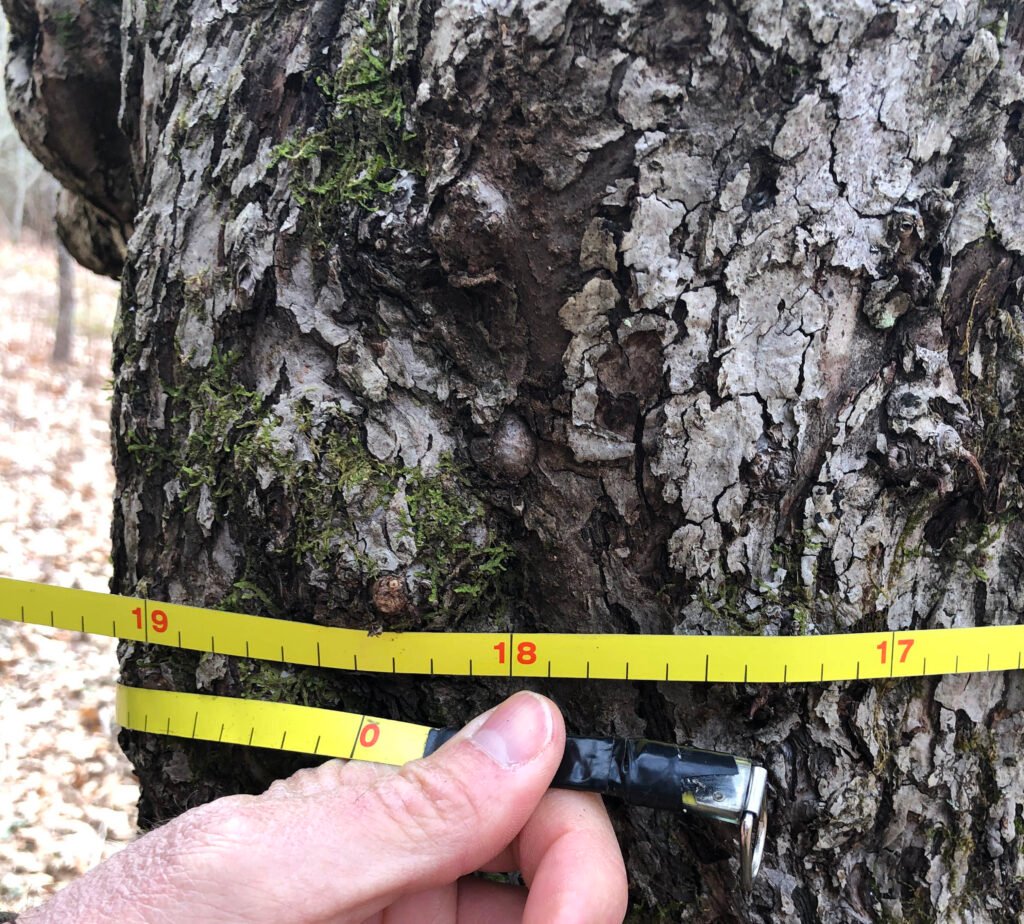
A forest inventory is a systematic survey that records the species, size, condition, and distribution of trees across a defined area, providing the data foundation for forest management planning. What Inventories Measure Field crews typically measure tree diameter at breast height, estimate total height, record species, and note health indicators such as disease or insect
Forest Inventory Read More »
A systematic survey recording tree species, size, condition, and distribution across an area, providing the core data for forest management decisions.
A national forest is a tract of forested public land designated and managed by a national government, typically balancing timber production, recreation, watershed protection, and wildlife conservation under a formal multiple-use mandate. Origins and Purpose Many countries established national forest systems in the late nineteenth and early twentieth centuries partly in response to concerns about
National Forest Read More »
Public forested land designated and managed by a national government under a multiple-use mandate balancing timber, recreation, and conservation.
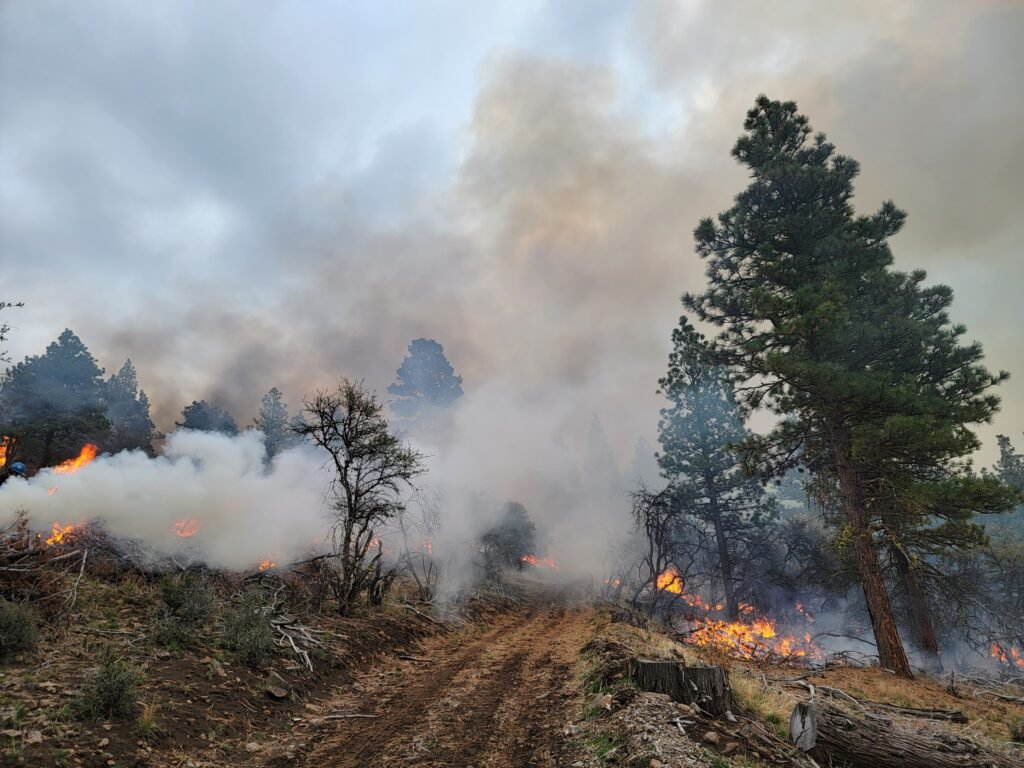
Prescribed burning is the deliberate, controlled application of fire to forest or grassland areas under carefully managed conditions to achieve specific ecological or land management objectives. Ecological Objectives Managers use prescribed fire to reduce accumulated dead vegetation and underbrush that could otherwise fuel a dangerous wildfire, to recycle nutrients into the soil, and to maintain
Prescribed Burning Read More »
The deliberate, controlled use of fire under managed conditions to reduce wildfire fuel, recycle nutrients, and maintain fire-adapted ecosystems.
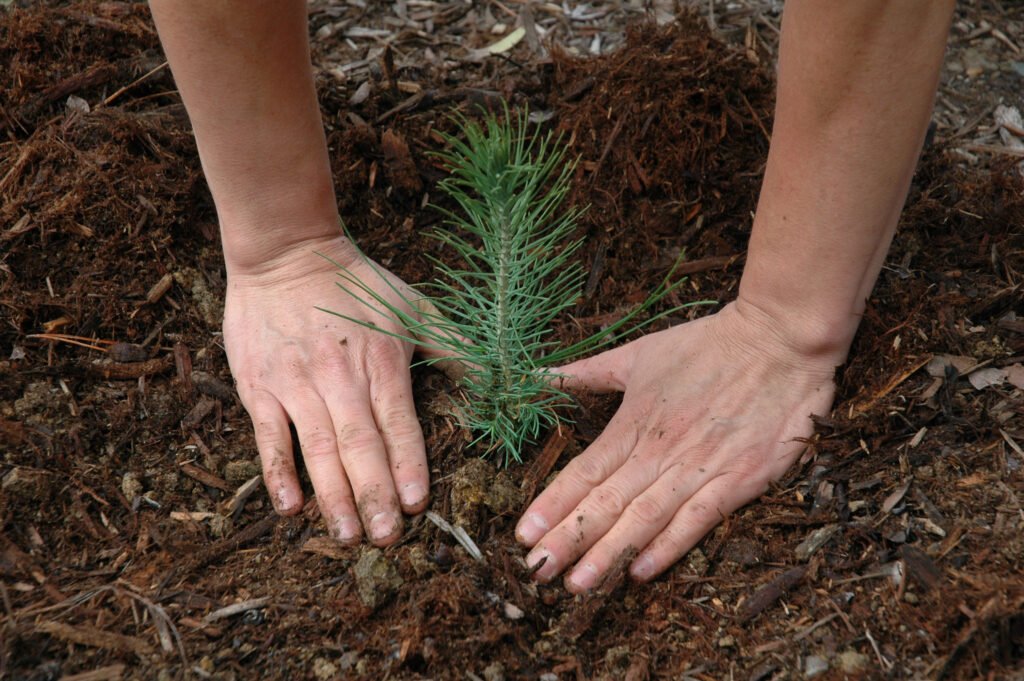
Reforestation is the practice of replanting trees in areas where forest cover has been removed by logging, fire, disease, or land-use change, restoring tree cover and the ecological functions it supports. Methods of Reforestation Practitioners establish new forest cover either by planting nursery-grown seedlings directly into cleared ground, by direct seeding that scatters seed across
Reforestation Read More »
The practice of replanting trees on land where forest cover was previously removed, restoring canopy cover and ecological function.
Selective logging is a harvesting method that removes specific individual trees, chosen by species, size, or condition, while leaving the surrounding forest canopy and stand structure largely intact. Selection Criteria Foresters mark trees for removal based on criteria such as commercial maturity, poor health, or overcrowding that limits the growth of neighboring trees, a process
Selective Logging Read More »
A timber harvesting method that removes chosen individual trees while leaving the surrounding canopy and forest structure largely intact.
Sustainable forestry is the practice of managing forest resources to meet present timber, recreation, and ecological needs without compromising the forest’s ability to provide those same benefits to future generations. Core Principles Sustainable forestry balances three interdependent goals: maintaining long-term timber productivity, conserving biodiversity and water quality, and supporting the economic and cultural needs of
Sustainable Forestry Read More »
The practice of managing forests to meet current timber and ecological needs without reducing their capacity to provide those benefits in the future.
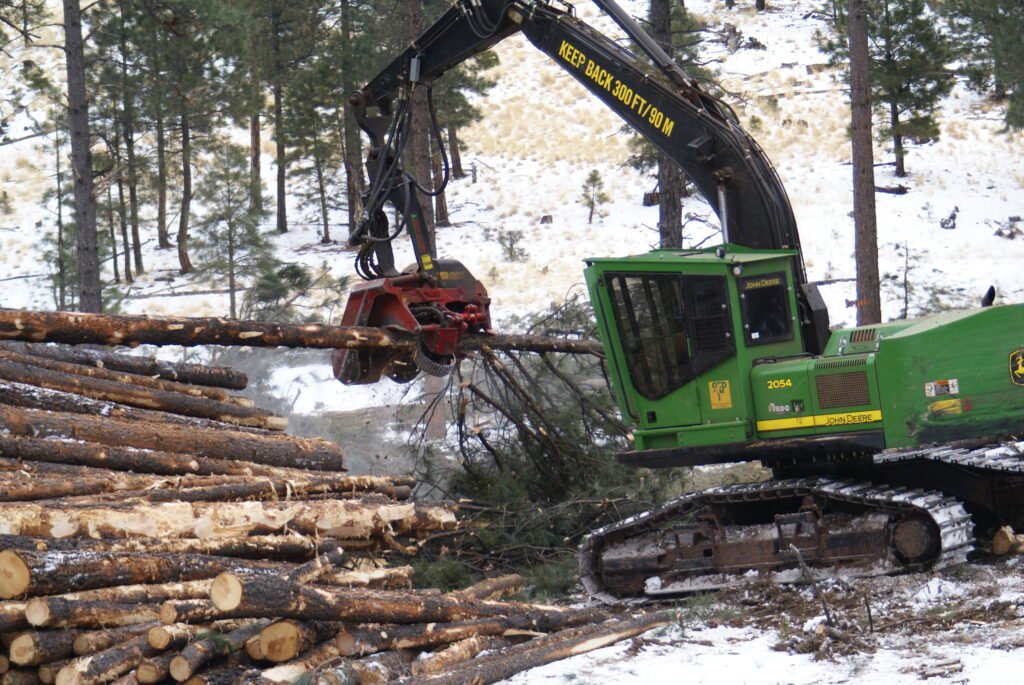
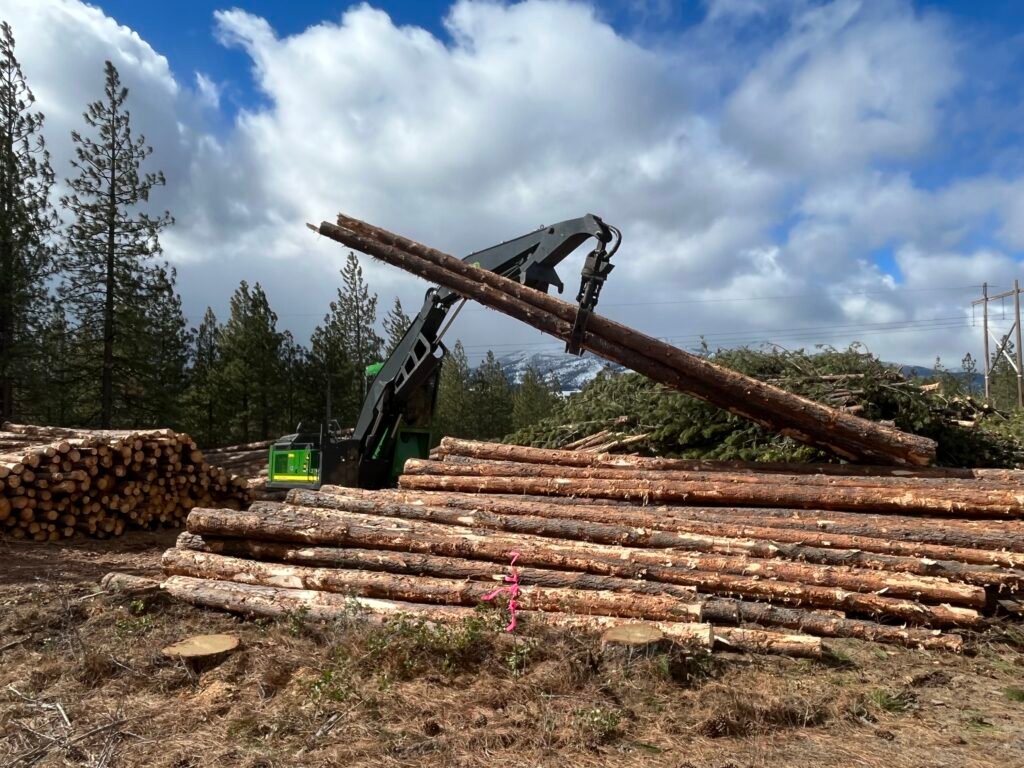
Timber harvesting is the process of felling, processing, and removing trees from a forest for commercial use, encompassing everything from tree selection and cutting to transporting logs to a mill. Harvesting Operations A typical harvest begins with marking or selecting trees according to a management plan, followed by felling using chainsaws or mechanized harvesters, then
Timber Harvesting Read More »
The process of felling, processing, and removing trees from a forest for commercial use, from tree selection through transport to a mill.