Theoretical Foundations Achievement motivation theory, as applied to sport, examines why some athletes persist through setbacks and seek out challenging competition while others avoid difficult situations or give up quickly after failure. Achievement goal theory, one of the most influential frameworks in this area, distinguishes between a mastery orientation, in which athletes define success by
Achievement Motivation in Sport Read More »
Achievement motivation in sport refers to the psychological drive that leads athletes to pursue success, master skills, and strive for competence in competitive settings.
Characteristics of Flow Flow state, a concept popularized by psychologist Mihaly Csikszentmihalyi, describes the experience many athletes informally call being in the zone, a state of complete absorption in the present moment where action and awareness seem to merge, self-conscious thought largely disappears, and performance feels effortless despite being objectively excellent. Athletes in flow commonly
Flow State in Sport Read More »
Flow state in sport describes a state of complete absorption in an athletic activity, marked by intense focus, a sense of effortless control, and a loss of self-conscious awareness.
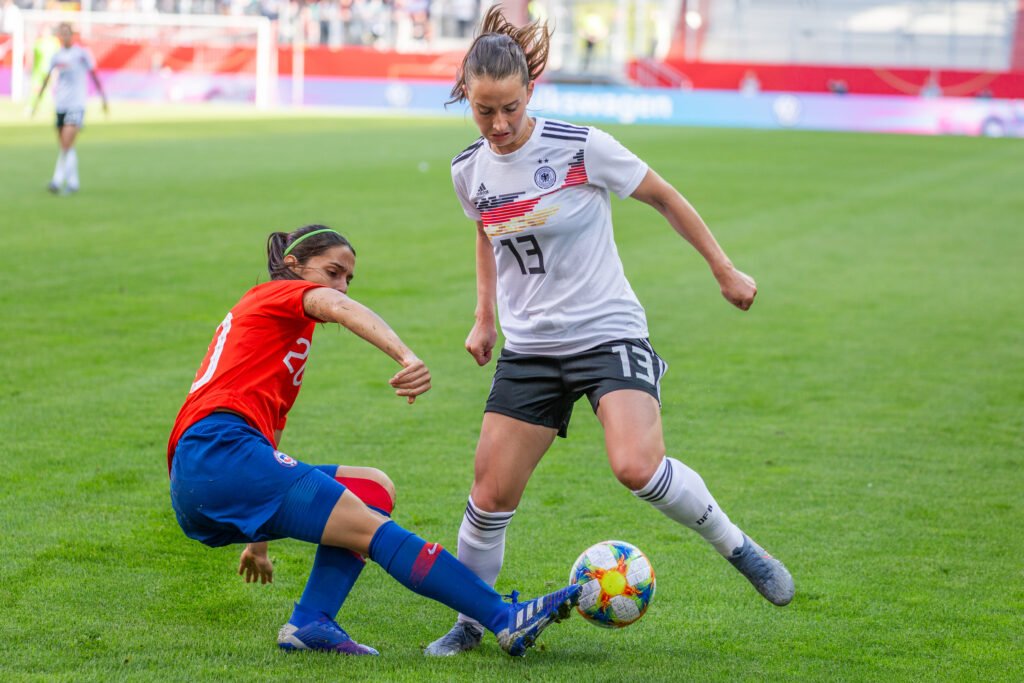
Historical and Social Context The sociological study of gender in sport examines how social expectations about gender have historically shaped, and continue to shape, who participates in sport, which sports are considered socially appropriate for different genders, how athletes are covered by media, and how pay and resources are distributed across men and women competitive
Gender in Sport Read More »
Gender in sport is the sociological study of how gender norms, inequality, and social expectations shape participation, opportunity, media coverage, and experience across athletic contexts.
Defining the Construct Mental toughness describes an athlete capacity to maintain focus, confidence, and composure when facing pressure, fatigue, adversity, or unexpected setbacks during competition. Although the term is used casually in everyday sports commentary, sport psychologists have worked to define it more precisely as a multidimensional construct encompassing components such as self-belief, the ability
Mental Toughness Read More »
Mental toughness is a psychological attribute that allows athletes to consistently perform near the upper range of their ability regardless of competitive pressure, adversity, or setbacks.
Theoretical Basis Self-efficacy in sport refers specifically to an athlete belief that they can successfully execute a particular action or sequence of actions needed to reach a specific goal, such as making a free throw under pressure or completing a difficult gymnastics routine, rather than a broader sense of self-worth. The concept derives from Albert
Self-Efficacy in Sport Read More »
Self-efficacy in sport is an athlete belief in their own capability to successfully execute the specific actions required to achieve a particular performance outcome.
Patterns of Access and Opportunity Sport sociologists study how broader patterns of economic and social inequality shape who gets to participate in organized sport, at what level, and with what resources, treating sport not as a separate world insulated from society but as a reflection of many of the same structural patterns found elsewhere. Access
Sport and Social Inequality Read More »
Sport and social inequality examines how broader patterns of social and economic inequality are reflected in, and sometimes reproduced by, access to athletic participation, coaching, leadership, and resources.
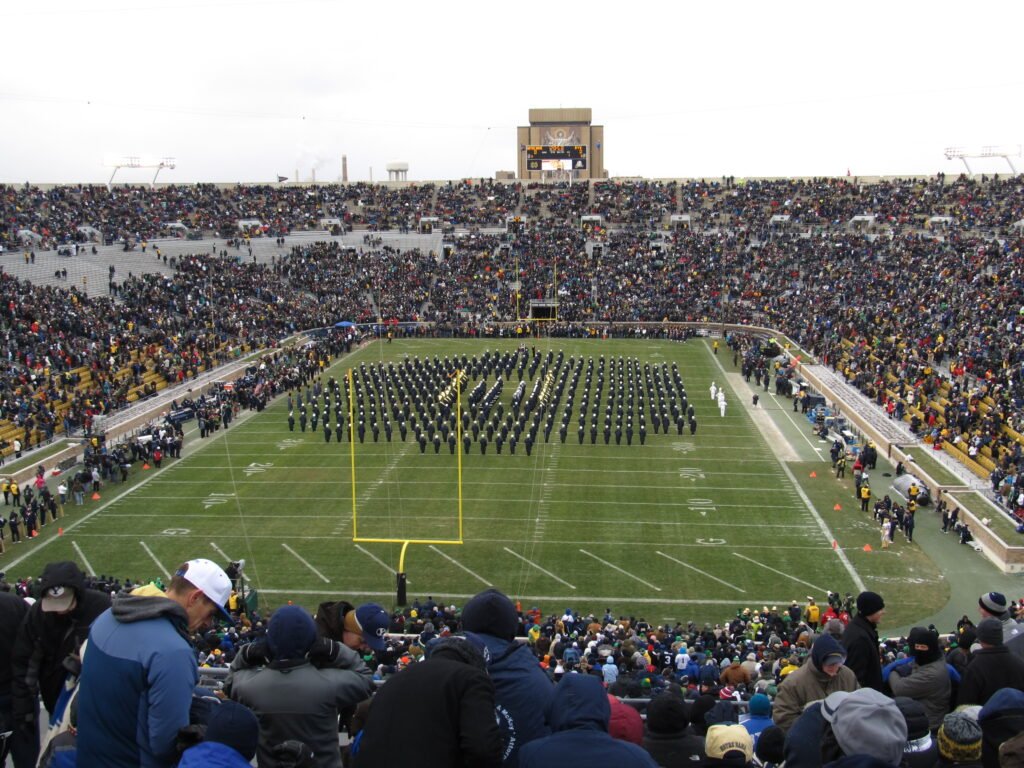
Why Fans Identify with Teams Sport fandom examines the psychological and social processes behind why people form strong, often lifelong attachments to sports teams and athletes they have no personal relationship with and little direct influence over. Researchers have found that team identification often becomes an important part of a fan personal and social identity,
Sport Fandom Read More »
Sport fandom is the sociological and psychological study of how and why people develop strong, lasting emotional attachments to sports teams and athletes.
Overview Sport psychology sits at the intersection of psychology and exercise science, examining how mental and emotional factors shape athletic performance while also studying how sport participation itself influences psychological development, emotional regulation, and social behavior. The field emerged in the early twentieth century from isolated academic studies of competition and motor learning, but grew
Sport Psychology Read More »
Sport psychology is the scientific study of how psychological factors influence athletic performance and how participation in sport affects psychological and social well-being.
Dimensions of Cohesion Team cohesion describes the degree to which members of a sports team feel bonded together and committed to shared objectives, and sport psychologists typically separate it into two related but distinct dimensions. Task cohesion refers to how effectively team members coordinate and work together toward shared competitive goals, such as executing a
Team Cohesion in Sport Read More »
Team cohesion in sport is the degree to which members of an athletic team are bonded together and unified in pursuit of shared goals and mutual satisfaction.
How Sport Shapes Social Development Youth sport socialization refers to the process by which children and adolescents absorb values, social skills, and behavioral expectations through their participation in organized athletics, a process researchers distinguish from socialization into sport, which concerns how a child becomes involved in a particular activity in the first place, often through
Youth Sport Socialization Read More »
Youth sport socialization is the process through which children and adolescents learn values, social roles, teamwork, and behavioral norms through participation in organized sport.