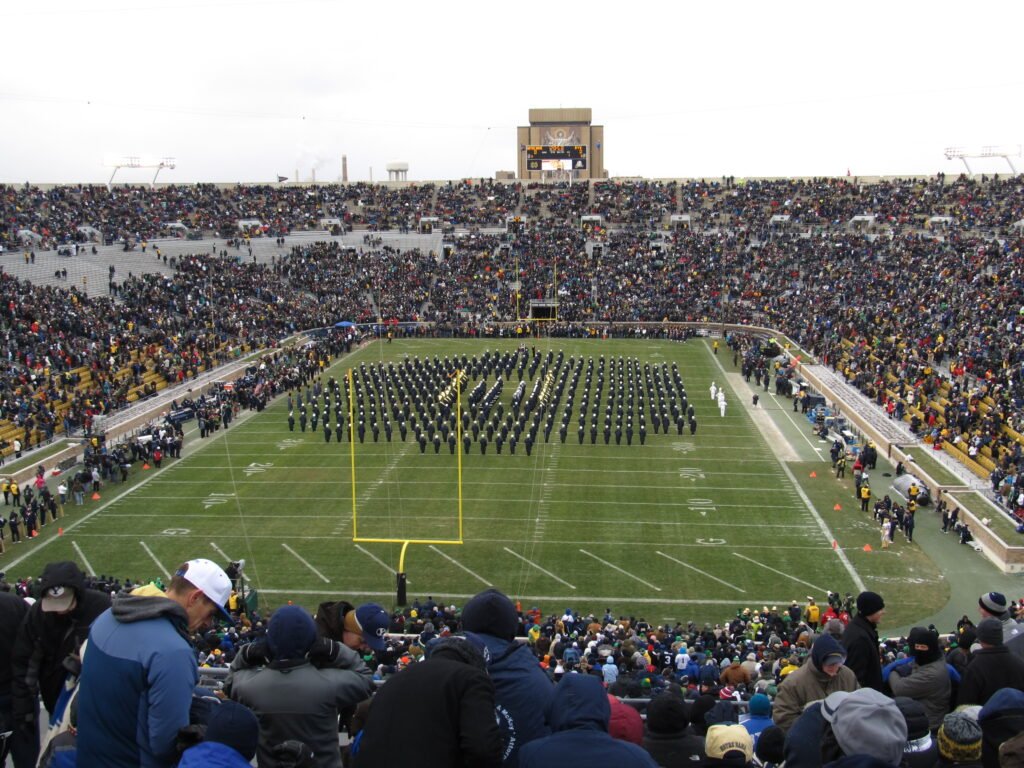
Why Fans Identify with Teams
Sport fandom examines the psychological and social processes behind why people form strong, often lifelong attachments to sports teams and athletes they have no personal relationship with and little direct influence over. Researchers have found that team identification often becomes an important part of a fan personal and social identity, providing a sense of belonging to a larger community and connecting fans to shared rituals, traditions, and social groups built around their chosen team, sometimes across multiple generations within the same family.
A well-studied phenomenon called basking in reflected glory describes how fans tend to feel an increase in personal self-esteem and are more likely to publicly display team affiliation, such as wearing jerseys, following a team victory, associating themselves more closely with success even though they had no direct role in achieving it. The flip side, sometimes called cutting off reflected failure, describes the tendency of less committed fans to distance themselves from a team after a loss, while highly identified fans tend to remain loyal and continue strong identification even through extended periods of poor team performance.
Fandom and Well-Being
Researchers have examined both the benefits and potential downsides that strong team identification carries for fan psychological well-being. On the positive side, team identification can provide a stable, portable source of social connection and community belonging, particularly valuable for fans who move between cities or otherwise experience disruptions to their usual social networks, since a shared team allegiance offers an immediate point of connection with strangers who support the same team. Highly identified fans also report higher levels of life satisfaction correlated with their fandom in several studies, independent of whether their team is currently successful.
On the other hand, researchers have also documented a real emotional cost for highly identified fans following significant losses, including measurable short-term increases in negative mood and, in some documented extreme cases, aggressive behavior following particularly bitter defeats or contentious officiating decisions. Sport sociologists generally view these costs as a predictable consequence of how deeply team identity becomes woven into some fans sense of self, making a team loss feel, at least temporarily, like a more personal setback than it would to a less invested observer, which has informed public health and public safety research around managing fan behavior at high-stakes sporting events.
Fandom in the Digital Era
Social media and digital streaming have substantially reshaped how sport fandom is expressed and experienced, giving fans direct, continuous access to teams, players, and fellow supporters that was simply unavailable in earlier eras when fandom was expressed mainly through attending games, watching broadcasts, and reading print coverage. Online fan communities now allow geographically dispersed supporters of the same team to interact constantly, reinforcing group identity and shared rituals even among fans who may never attend a game in person or live anywhere near the team home city.
This shift has also introduced new dynamics researchers continue to study, including the amplification of both passionate support and hostile behavior through the relative anonymity and distance of online interaction, and the rise of fantasy sports and sports betting, which some researchers argue has changed fan engagement patterns by introducing an additional layer of personal stake in individual player statistics that is separate from, and sometimes in tension with, traditional team-based identification and loyalty.
Commercial Dimensions of Fandom
Sport organizations and media companies have an obvious commercial interest in understanding and cultivating fan identification, since highly identified fans generate more consistent ticket, merchandise, and media subscription revenue than casual viewers, and research on fandom has accordingly become closely intertwined with sport marketing and management practice. Teams and leagues deliberately invest in building fan identity through consistent branding, historical storytelling about team tradition, and community engagement programs, recognizing from sociological research that identity, not simply current team quality, is what sustains fan loyalty through inevitable periods of poor on-field performance.
This commercial dimension has drawn some critical attention from sport sociologists, who note the tension between genuine community-building aspects of fandom and its deliberate cultivation as a revenue strategy, questioning how organizations should balance authentic engagement with fans against purely extractive commercial relationships, a debate that has grown more pointed as ticket prices, broadcast subscription costs, and merchandise prices have risen steadily across many major professional sports leagues in recent decades.
Summary
Sport fandom research illustrates how deeply team identification can become woven into personal and social identity, shaping well-being, behavior, and even commercial relationships with sport organizations, a dynamic that has only intensified as digital and social media platforms have given fans more continuous, immediate access to teams, players, and fellow supporters than previous generations of fans ever experienced.
Future research in this area is likely to continue examining how emerging technologies, including virtual and augmented reality viewing experiences and increasingly personalized digital content delivery, further reshape the fan experience and the psychological relationship between supporters and the teams, athletes, and communities that sport fandom has long connected people to across generations and geographic distance alike.
Ultimately, sport fandom reveals something broader about human psychology and social connection, demonstrating how a shared allegiance to a team or athlete can provide genuine community, identity, and meaning for millions of people, even as researchers, sport organizations, and fans themselves continue to navigate the sometimes complicated emotional and commercial dimensions that come bundled with that same powerful sense of belonging.
This enduring appeal helps explain why sport organizations, broadcasters, and researchers alike continue to study fandom so closely, recognizing that the emotional and social bonds fans form with teams represent one of the most powerful and durable forces sustaining sport as a cultural institution across generations.
Key facts
- Array
Quick checkWhat does the concept Basking in Reflected Glory describe in sport fandom research?Show answer
It describes the tendency of fans to feel increased self-esteem and to more strongly display their team affiliation after their team wins, associating themselves more closely with success.
Sources
- Array
Editorially reviewed by Specialty Digest Editorial TeamLast reviewed November 4, 2026Researched and drafted with AI assistanceReport an issue