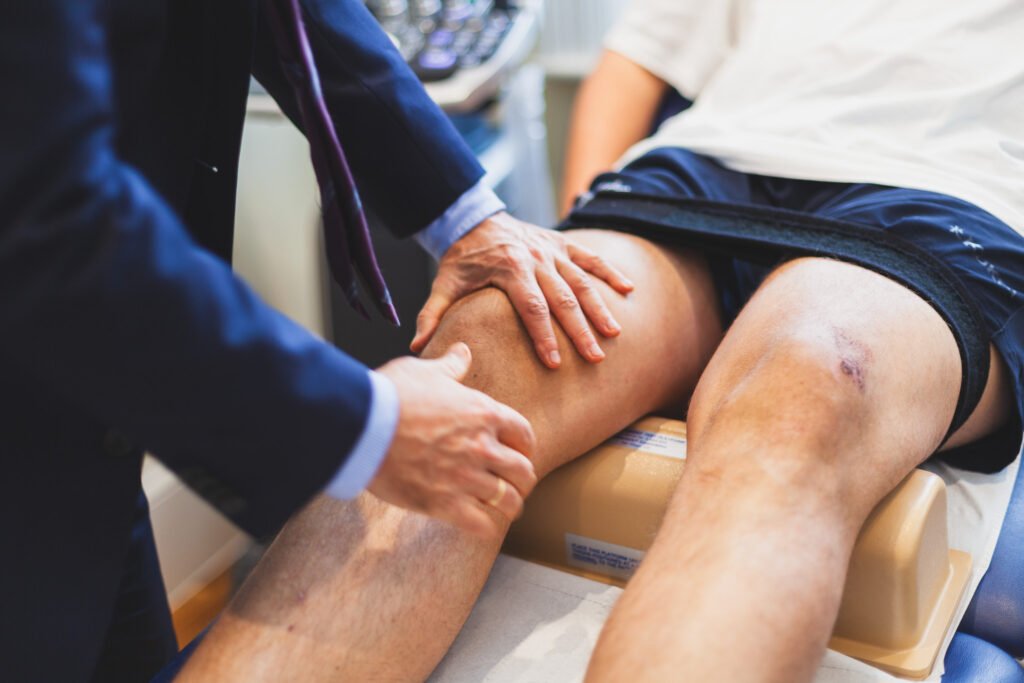
Overview An anterior cruciate ligament injury involves damage to one of the key ligaments stabilizing the knee joint, most often occurring during sports that involve sudden changes of direction, rapid deceleration, or awkward landings from a jump, rather than through direct contact with another player. Diagnosis and Treatment Pathways Diagnosis typically combines physical examination with
Anterior Cruciate Ligament Injury Read More »
A tear or sprain of a key stabilizing ligament in the knee, common in sports involving sudden stops, pivots, or jumps.
Overview A sport-related concussion is a form of traumatic brain injury caused by a blow or jolt to the head or body that disrupts normal brain function temporarily, producing symptoms that can include headache, confusion, dizziness, and difficulty concentrating, even without any visible external injury. Assessment and Management Athletes suspected of sustaining a concussion are
Concussion in Sport Read More »
A traumatic brain injury caused by a blow or jolt to the head or body that disrupts normal brain function, common in contact sports.
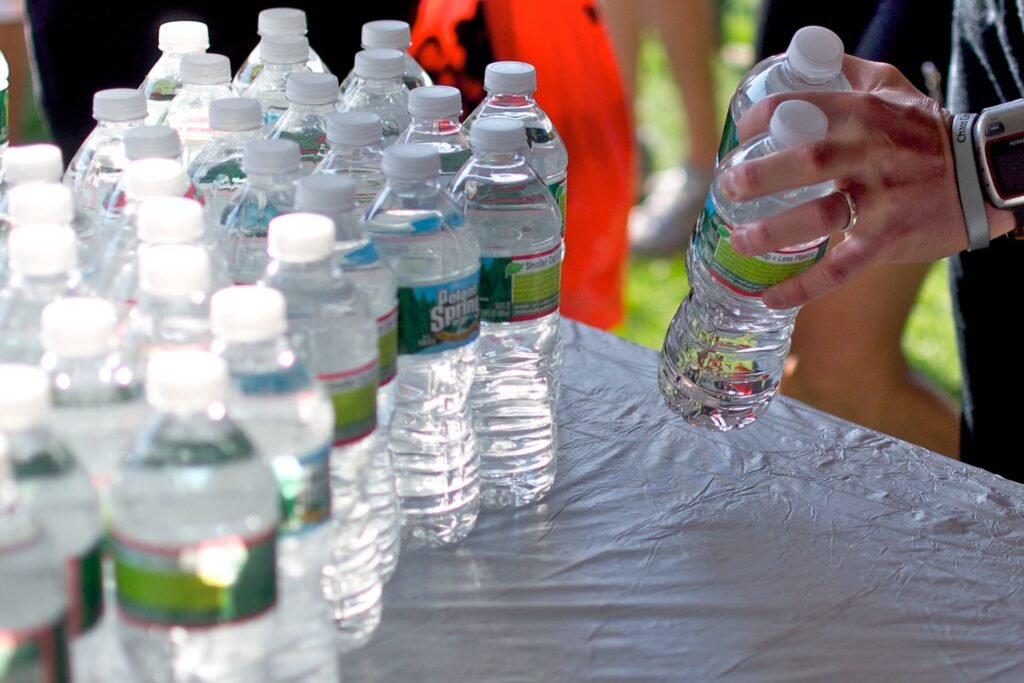
Overview Heat illness in athletes describes a spectrum of conditions that occur when the body cannot adequately dissipate heat generated during exercise in hot conditions, ranging from relatively mild heat cramps and heat exhaustion up to heat stroke, a life-threatening emergency requiring immediate medical intervention. Recognizing Warning Signs Early symptoms such as excessive sweating, dizziness,
Heat Illness in Athletes Read More »
A spectrum of conditions ranging from mild heat exhaustion to life-threatening heat stroke, caused by the body inability to adequately regulate temperature during exercise in hot conditions.
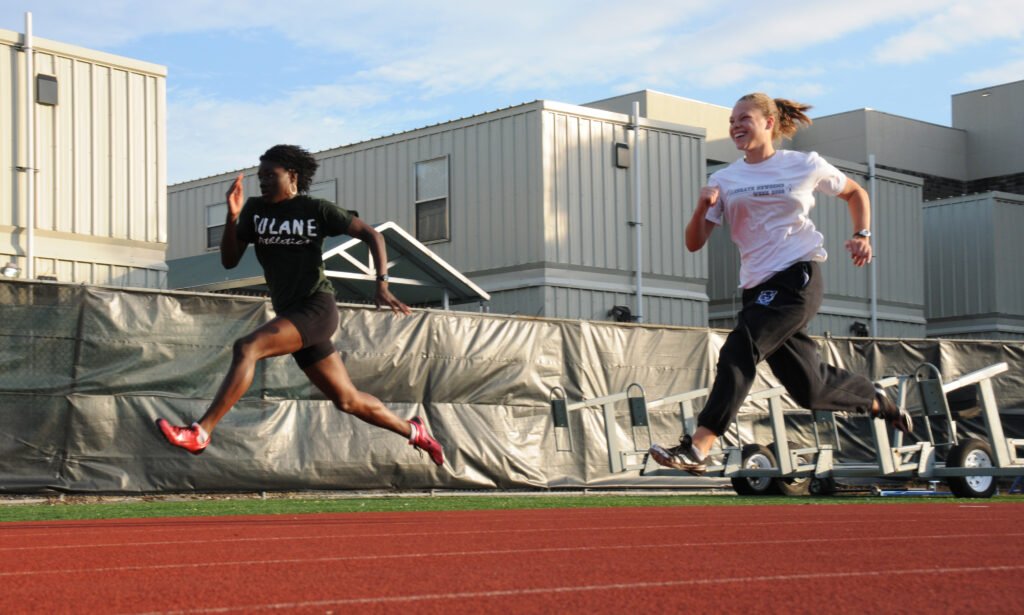
Overview An overuse injury develops gradually as repetitive stress accumulates in muscle, tendon, or bone faster than the body can repair the resulting microscopic damage, distinguishing it from traumatic injuries that result from a single identifiable incident such as a fall or collision. Common Overuse Injury Sites Certain sports and activities tend to produce characteristic
Overuse Injury Read More »
A gradual injury to muscle, tendon, or bone caused by repetitive stress without adequate recovery time, common in endurance and repetitive-motion sports.
Overview Preseason physical screening involves a systematic health and movement assessment conducted before a competitive season begins, aiming both to confirm an athlete is medically cleared to participate safely and to identify specific risk factors that might predispose them toward injury during the upcoming season. Components of a Typical Screening A comprehensive preseason screening often
Preseason Physical Screening Read More »
A systematic health and movement assessment conducted before a competitive season to identify injury risk factors and medical concerns in athletes.
Overview A return-to-play protocol is a structured, stepwise framework that guides an injured athlete safe progression from initial recovery back to full competitive participation, typically requiring the athlete to successfully tolerate each stage of increasing physical demand before advancing to the next. Typical Protocol Structure Most return-to-play protocols begin with light activity focused on symptom
Return-to-Play Protocol Read More »
A structured, stepwise process that guides an injured athlete safe progression back to full competitive participation.
Overview Sports nutrition for injury recovery involves adjusting an athlete diet to support tissue healing and limit the muscle loss that commonly occurs during reduced training activity, recognizing that nutritional needs during injury differ meaningfully from those during normal training. Key Nutritional Priorities Maintaining adequate protein intake is consistently emphasized during injury recovery, since protein
Sports Nutrition for Injury Recovery Read More »
Dietary strategies tailored to support tissue healing, reduce inflammation, and maintain muscle mass during an athlete recovery from injury.
Overview Sports rehabilitation is the structured process of restoring an injured athlete strength, mobility, and function, typically following a staged progression from initial pain and swelling management through to increasingly demanding sport-specific exercises designed to prepare the athlete for safe return to competition. The Rehabilitation Team Rehabilitation is usually guided by physical therapists, athletic trainers,
Sports Rehabilitation Read More »
The structured process of restoring strength, mobility, and function to an athlete following injury, with the goal of safe return to sport.
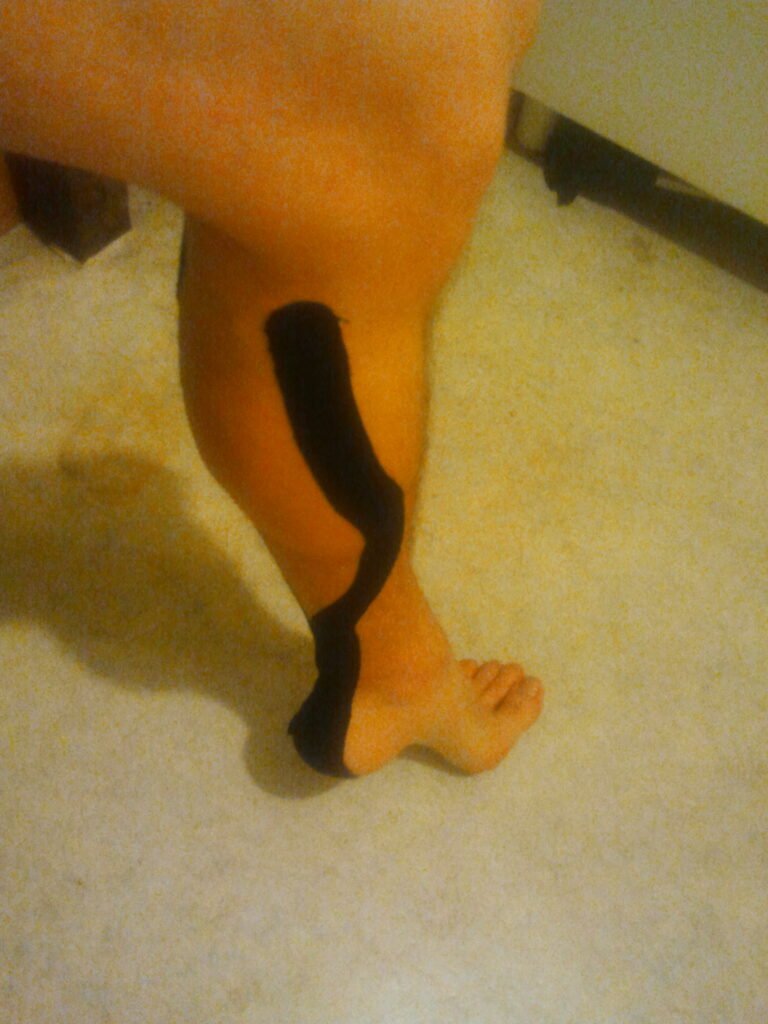
Overview Taping and bracing involve applying athletic tape or supportive braces to joints such as ankles, knees, or wrists, serving both to provide mechanical support that limits potentially harmful movement and to offer proprioceptive feedback that helps an athlete sense joint position during activity. Applications in Prevention and Recovery Athletes use taping and bracing both
Taping and Bracing Read More »
The use of athletic tape or supportive braces to stabilize joints, limit harmful movement, or provide proprioceptive feedback during sport participation.
Overview Tendinopathy is a chronic condition characterized by pain and structural degeneration within a tendon, typically developing gradually through repetitive loading over weeks or months rather than resulting from a single acute traumatic event, and commonly affecting sites such as the Achilles tendon, patellar tendon, or rotator cuff. Understanding the Underlying Process Research has shown
Tendinopathy Read More »
A chronic condition involving pain, degeneration, and impaired function of a tendon, typically resulting from repetitive loading over time.