Overview
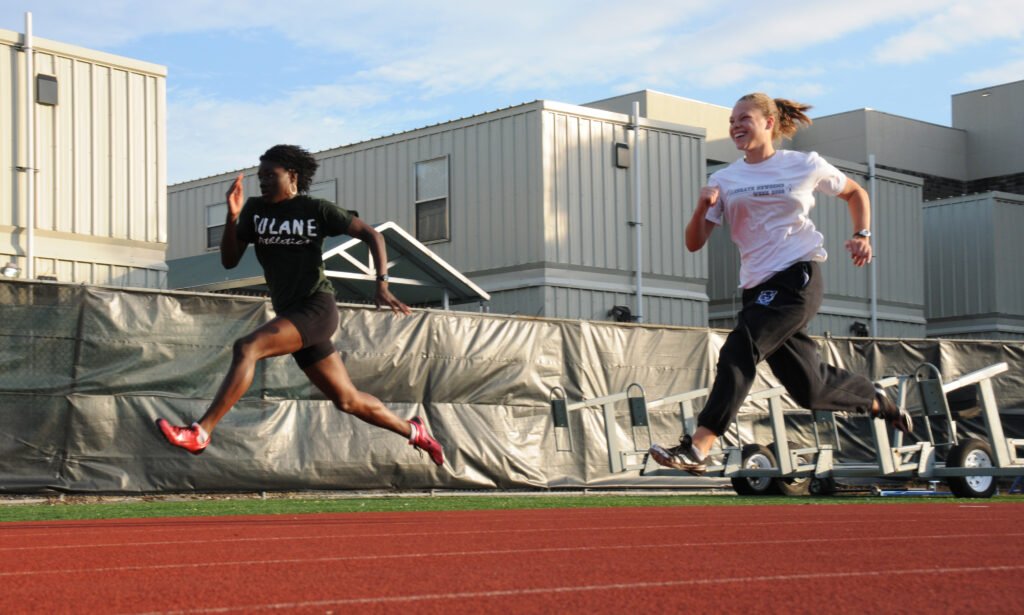
An overuse injury develops gradually as repetitive stress accumulates in muscle, tendon, or bone faster than the body can repair the resulting microscopic damage, distinguishing it from traumatic injuries that result from a single identifiable incident such as a fall or collision.
Common Overuse Injury Sites
Certain sports and activities tend to produce characteristic overuse injury patterns, such as stress fractures in distance runners or shoulder tendon injuries in throwing athletes, reflecting the specific repetitive demands each sport places on particular body structures.
Prevention Through Load Management
Preventing overuse injuries relies heavily on carefully managing training load, including monitoring sudden increases in volume or intensity, since research has consistently linked rapid spikes in training load to elevated overuse injury risk across many different sports.
Common Sites and Risk Factors
Overuse injuries tend to cluster at specific anatomical sites that bear repetitive load in a given sport. Runners frequently develop injuries at the knee, shin, and foot, including patellofemoral pain, medial tibial stress syndrome, and plantar fasciitis, while throwing athletes such as baseball pitchers and swimmers are prone to shoulder and elbow injuries from the repeated high-velocity motions their sport demands. Young athletes who specialize early in a single sport and train through growth spurts face particular vulnerability at the growth plates, where conditions such as Osgood-Schlatter disease at the knee and Sever disease at the heel are common.
The underlying risk factor in nearly every case is a mismatch between the cumulative load placed on a tissue and that tissue capacity to adapt and recover. Training errors such as abrupt increases in volume or intensity, insufficient rest between sessions, and poor technique all raise this load beyond what tissue can tolerate. Extrinsic factors like worn footwear, hard or uneven playing surfaces, and equipment that does not fit properly compound the risk, while intrinsic factors including muscle imbalances, limited flexibility, biomechanical alignment issues, and prior injury history all influence how much load an individual athlete tissues can safely absorb before breaking down.
Diagnosis and Load Management
Diagnosing an overuse injury relies heavily on a detailed history of training volume, intensity, and any recent changes, since the pattern of gradually worsening pain that occurs with activity and eases with rest is often more diagnostically useful than any single physical finding. Clinicians typically assess for tenderness at specific anatomical landmarks, evaluate flexibility and strength imbalances, and observe movement patterns such as running gait or throwing mechanics that might reveal why load is concentrating on one particular structure. Imaging such as ultrasound or MRI can confirm findings like a stress fracture or tendon changes but is not always necessary for a confident clinical diagnosis.
Management centers on load modification rather than complete rest in most cases, since reducing but not eliminating activity allows tissue to continue adapting while giving it time to recover between sessions. This often means temporarily reducing training volume or intensity, substituting lower-impact cross-training activities, and gradually reintroducing the original activity according to a structured plan once symptoms improve. Addressing the contributing factors identified during assessment, whether that means correcting technique, improving strength in a weak muscle group, or replacing worn equipment, is equally important, since returning to the same training pattern without changes frequently leads to the injury recurring.
Prevention Strategies
Preventing overuse injuries centers on managing training load in a way that allows tissue to adapt progressively rather than being overwhelmed by sudden demands. Many sports medicine practitioners recommend limiting week-to-week increases in training volume to a modest percentage, building in planned recovery weeks at regular intervals, and ensuring adequate sleep, since sleep deprivation has been linked to higher injury rates independent of training load itself. For youth athletes specifically, guidelines increasingly recommend taking at least one to two days off from organized sport each week and avoiding single-sport specialization for at least part of the year to reduce repetitive stress on the same tissues.
Addressing individual risk factors identified through screening, such as correcting throwing or running mechanics, improving flexibility in tight muscle groups, and strengthening weak stabilizing muscles, further reduces the likelihood of overuse injury developing in the first place. Appropriate equipment, including properly fitted footwear replaced before it becomes excessively worn, and well-maintained playing surfaces, round out a comprehensive prevention approach. Because overuse injuries develop gradually, coaches and athletic trainers who pay attention to early complaints of mild, activity-related discomfort and adjust training accordingly can often prevent a minor issue from progressing into a more serious injury requiring extended time away from sport.
The Growing Role of Monitoring Technology
Wearable technology and training load monitoring systems have become increasingly common tools for overuse injury prevention at higher levels of sport, tracking metrics such as total distance covered, acceleration and deceleration counts, or throwing volume to give coaching and medical staff objective data rather than relying solely on subjective reports of fatigue. Combining this quantitative load data with simple subjective wellness questionnaires asking athletes to rate their sleep, soreness, and perceived fatigue has shown promise in several studies for flagging athletes at elevated short-term injury risk before a clinically apparent problem develops. Even without sophisticated technology, the underlying principle, tracking meaningful changes in training load over time and responding to early warning signs, remains accessible to teams and individual athletes at any level of sport.
Coaches and parents play an important supporting role in overuse injury prevention by taking early complaints of activity-related discomfort seriously rather than dismissing them as a normal part of training. A young athlete who mentions recurring pain in the same location after practice is often signaling that tissue is being loaded faster than it can adapt, and a brief period of modified activity at this early stage is far less disruptive than the extended time away from sport that a fully developed overuse injury frequently requires.
Key facts
- Array
Quick checkHow does an overuse injury typically develop, compared with a traumatic injury?Show answer
Gradually, from repeated stress without adequate recovery, rather than from a single traumatic event.
Sources
- Array
Editorially reviewed by Specialty Digest Editorial TeamLast reviewed November 4, 2026Researched and drafted with AI assistanceReport an issue