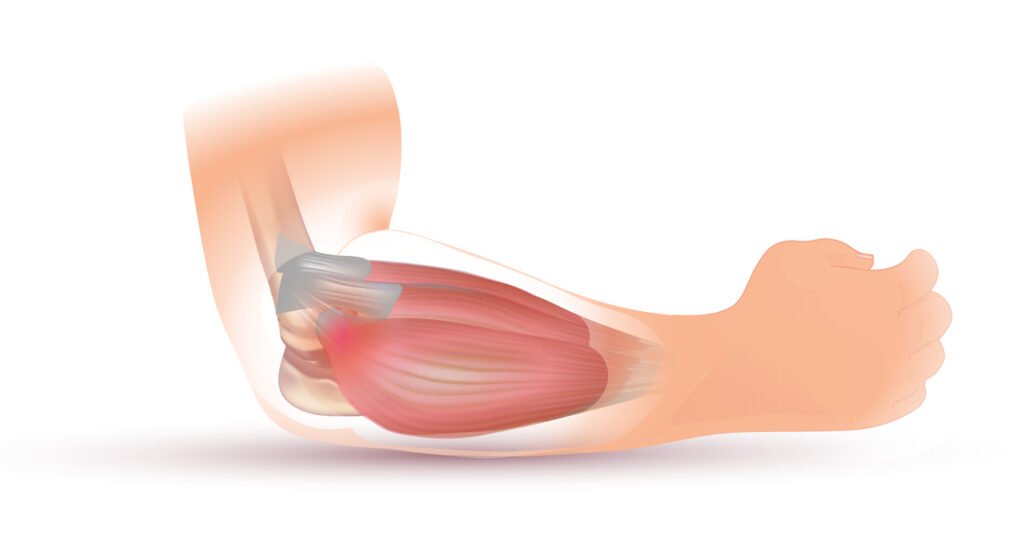
Overview
Tendinopathy is a chronic condition characterized by pain and structural degeneration within a tendon, typically developing gradually through repetitive loading over weeks or months rather than resulting from a single acute traumatic event, and commonly affecting sites such as the Achilles tendon, patellar tendon, or rotator cuff.
Understanding the Underlying Process
Research has shown that tendinopathy involves actual structural changes within the tendon tissue itself, challenging an older view that persistent tendon pain was primarily driven by ongoing inflammation, a shift that has meaningfully influenced how the condition is now treated.
Modern Treatment Approaches
Current treatment approaches increasingly emphasize progressive, carefully dosed loading exercises rather than complete rest, since controlled loading appears to stimulate the tendon healing and remodeling process more effectively than prolonged inactivity, even though this approach can initially feel counterintuitive to athletes experiencing pain.
Pathology and Tissue Changes
Tendinopathy was once widely described as tendinitis, implying that inflammation was the primary driver of pain, but research examining tissue samples from affected tendons has shown that the condition is more accurately characterized as a degenerative process rather than a classic inflammatory one in most chronic cases. Affected tendons show disorganized collagen fibers, an increase in ground substance, abnormal blood vessel growth into normally sparse tendon tissue, and an increase in cells and nerve endings, a combination of changes referred to as tendinosis when inflammatory cells are largely absent.
This shift in understanding has had real clinical implications, since treatments aimed purely at reducing inflammation, such as prolonged rest or certain anti-inflammatory medications, do not address the structural disorganization and failed healing response underlying persistent tendon pain. Instead, the tendon appears to become stuck in an incomplete healing cycle, where cells attempt to repair the tissue but produce a weaker, less organized collagen matrix than normal, leaving the tendon more vulnerable to pain and further breakdown under load. This degenerative model explains why tendinopathy often develops gradually over weeks or months of repetitive loading rather than from a single traumatic event, and why recovery typically requires a prolonged, progressive loading program rather than simply waiting for inflammation to subside.
Diagnosis and Imaging
Diagnosing tendinopathy relies primarily on a clinical history of activity-related pain localized to a specific tendon, often worse with initial movement after rest and sometimes easing somewhat once the area warms up during activity, only to worsen again afterward. Physical examination typically reveals tenderness directly over the affected tendon, sometimes accompanied by a palpable thickening, along with pain reproduced by resisted contraction or stretching of the muscle-tendon unit involved, such as resisted wrist extension for lateral elbow tendinopathy or single-leg heel raises for Achilles tendinopathy.
Diagnostic ultrasound has become a widely used imaging tool because it can visualize the characteristic thickening, disorganized fiber pattern, and abnormal blood vessel ingrowth associated with tendinopathy in real time and at relatively low cost compared with other imaging modalities, while also allowing dynamic assessment during movement. Magnetic resonance imaging offers more detailed soft tissue contrast and is often reserved for cases where the diagnosis remains unclear, where a partial or complete tear is suspected rather than tendinopathy alone, or for surgical planning. In most routine cases, however, a careful history and physical examination are sufficient for diagnosis, with imaging used mainly to confirm severity or rule out other causes of localized pain.
Treatment Approaches
Treatment for tendinopathy has shifted substantially in line with the understanding that the condition reflects a failed healing and remodeling process rather than straightforward inflammation. Progressive loading exercise programs, particularly those using eccentric or heavy slow resistance protocols that load the tendon under controlled, gradually increasing tension, have become a cornerstone of treatment, since this type of loading appears to stimulate the tendon to remodel its collagen structure in a more organized, functional pattern over a period of typically several weeks to months rather than days.
Adjunctive treatments including extracorporeal shockwave therapy and various injection techniques are sometimes used for cases that do not respond adequately to a structured loading program alone, though evidence for many of these adjuncts remains mixed and they are generally viewed as complements to, rather than replacements for, progressive exercise. Complete rest, once a common recommendation, is now generally avoided except in the most acute, highly symptomatic phase, since tendons appear to respond better to appropriately dosed loading than to prolonged inactivity, which can lead to further weakening of an already compromised structure. Surgery is reserved for the minority of cases that fail to improve after a sustained trial of conservative management.
Recovery Timelines and Expectations
Setting realistic expectations about recovery timelines is an important part of managing tendinopathy, since the condition typically improves gradually over a period of weeks to several months rather than resolving within days, even with an appropriate treatment program. This gradual timeline reflects the underlying biology of tendon tissue, which has a relatively limited blood supply compared with muscle and therefore remodels more slowly in response to loading. Patients who understand this timeline from the outset tend to adhere better to progressive loading programs, whereas those expecting rapid resolution often become discouraged and abandon an effective program prematurely, or seek a series of different treatments in rapid succession without giving any single approach adequate time to produce the gradual improvement that tendon tissue typically requires.
Because tendinopathy often develops from cumulative training patterns, addressing contributing factors such as a recent increase in training load, inadequate recovery between sessions, or biomechanical issues identified during assessment is just as important as the loading program itself in preventing the condition from recurring once symptoms resolve. Athletes who return to their previous training pattern without modification frequently find that their tendinopathy symptoms return within a relatively short period after they resume full activity.
Key facts
- Array
Quick checkHow does tendinopathy differ from an acute tendon tear?Show answer
It develops gradually through repetitive stress rather than resulting from a single traumatic event.
Sources
- Array
Editorially reviewed by Specialty Digest Editorial TeamLast reviewed November 4, 2026Researched and drafted with AI assistanceReport an issue