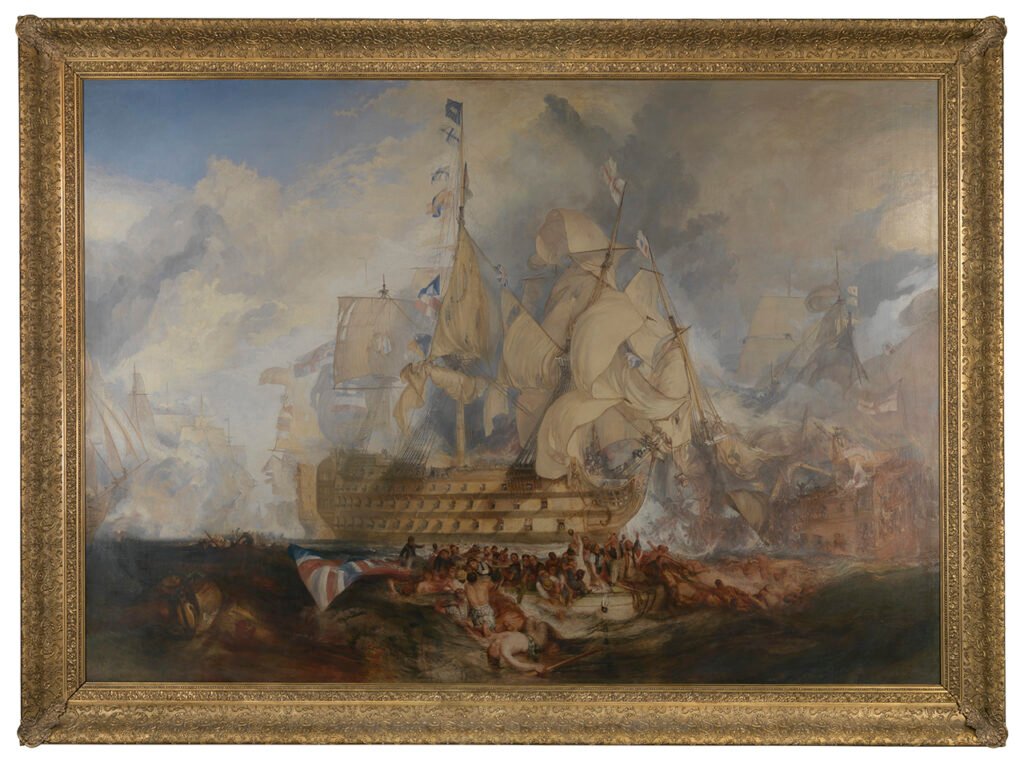
Nelson Dies Winning the Battle of Trafalgar
A British fleet broke Napoleon’s naval ambitions off the coast of Spain in a single afternoon that cost its own commander his life.
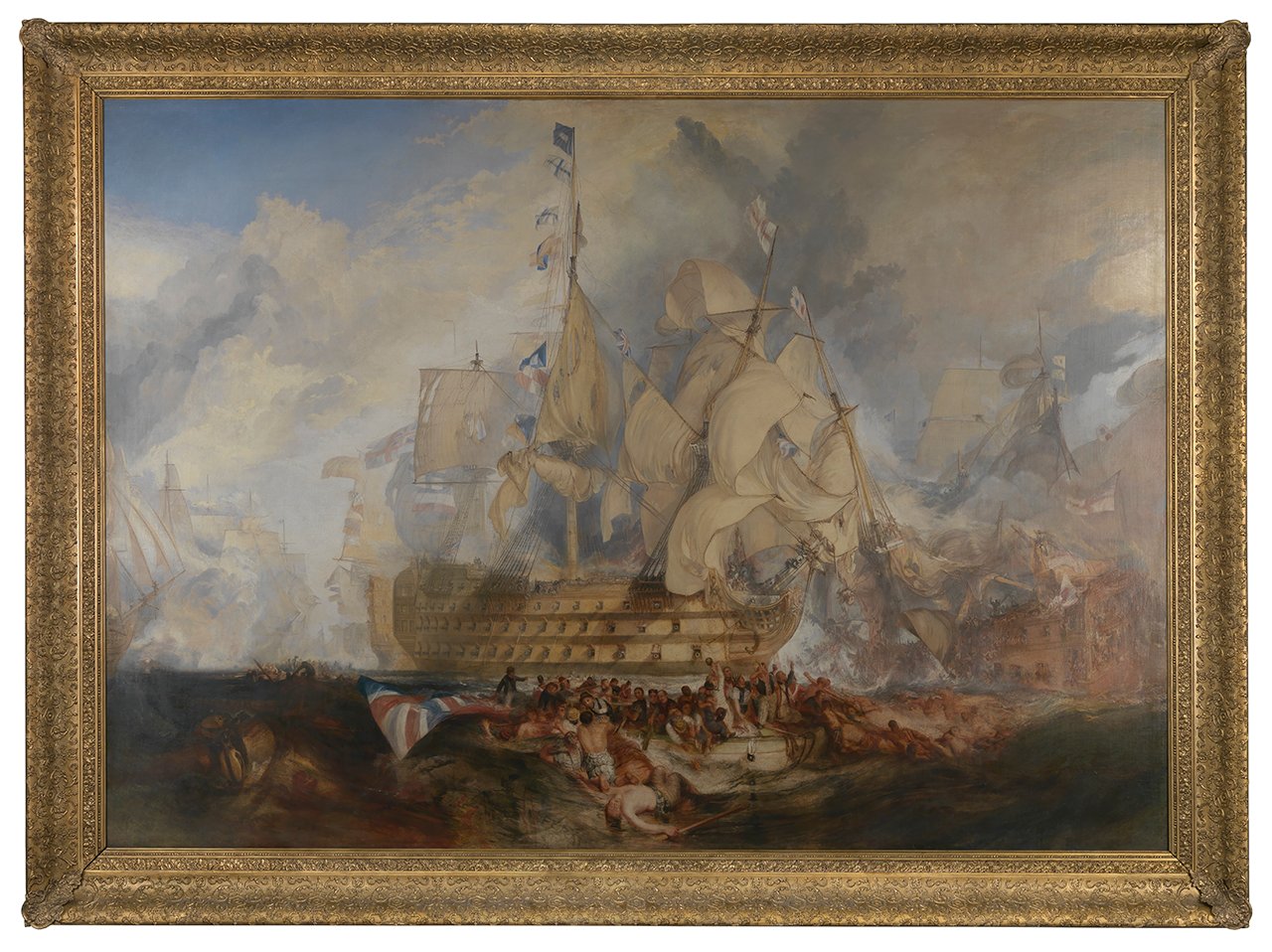
On the morning of October 21, 1805, a British fleet of 27 ships under Admiral Horatio Nelson attacked a larger French and Spanish fleet of 33 ships off Cape Trafalgar, Spain. Sailing in two columns straight into the enemy’s line rather than alongside it, Nelson’s ships broke the formation apart and forced close, decisive combat.
Not a single British ship was lost, while some 19 to 20 French and Spanish vessels were captured or destroyed. The victory ended Napoleon’s hopes of invading Britain and secured Royal Navy dominance at sea for more than a century.
Nelson won by breaking a two-century-old rule of naval warfare. Instead of lining up broadside to broadside, he drove his ships directly at the enemy’s flank, trading a few minutes of exposed risk for total, chaotic advantage. Calculated audacity beat caution.
People Behind the Story
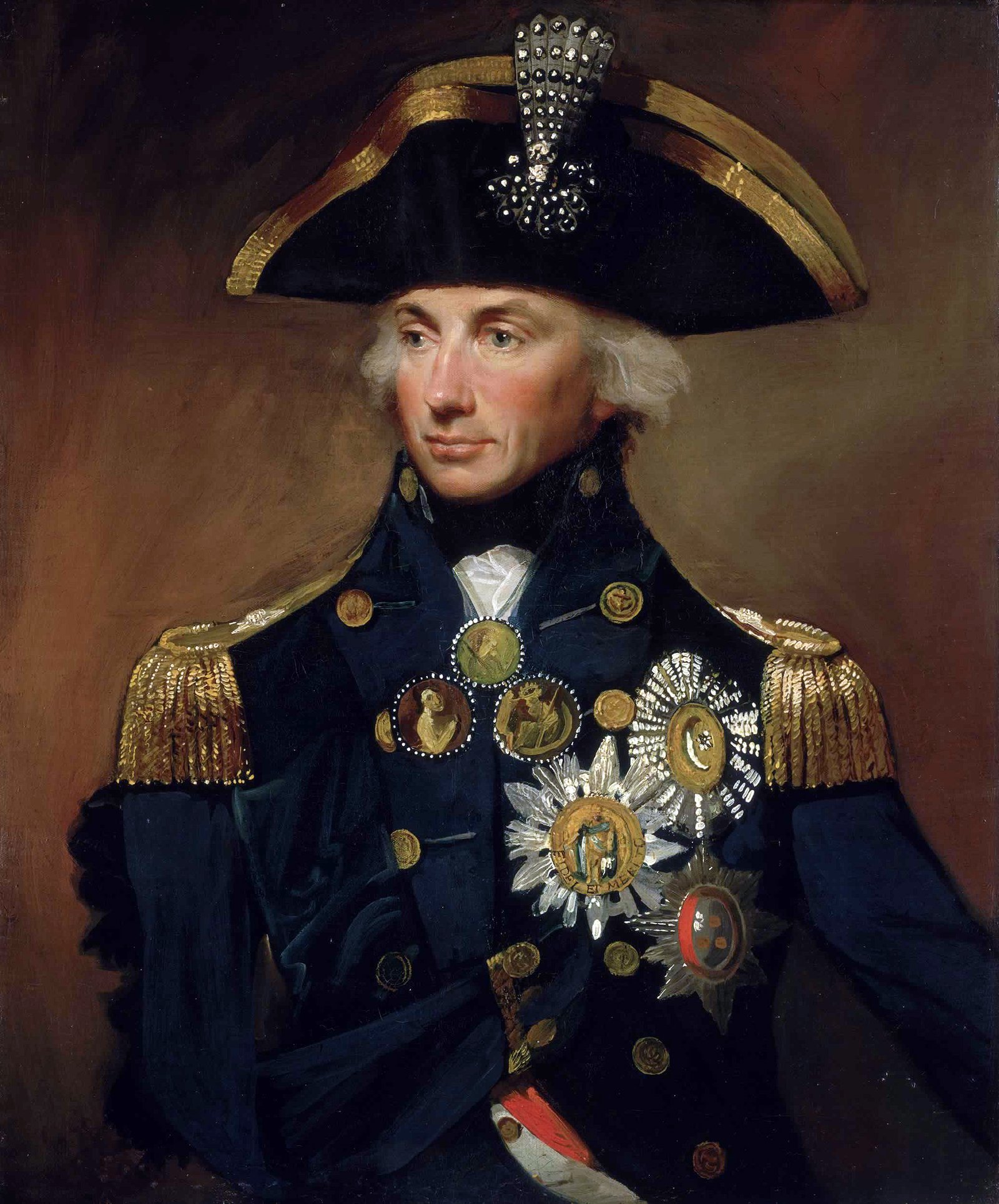
Devised the unconventional attack and signaled “England expects that every man will do his duty” before the first shots were fired. Shot through the shoulder as the battle raged, he lived long enough to learn his fleet had won.
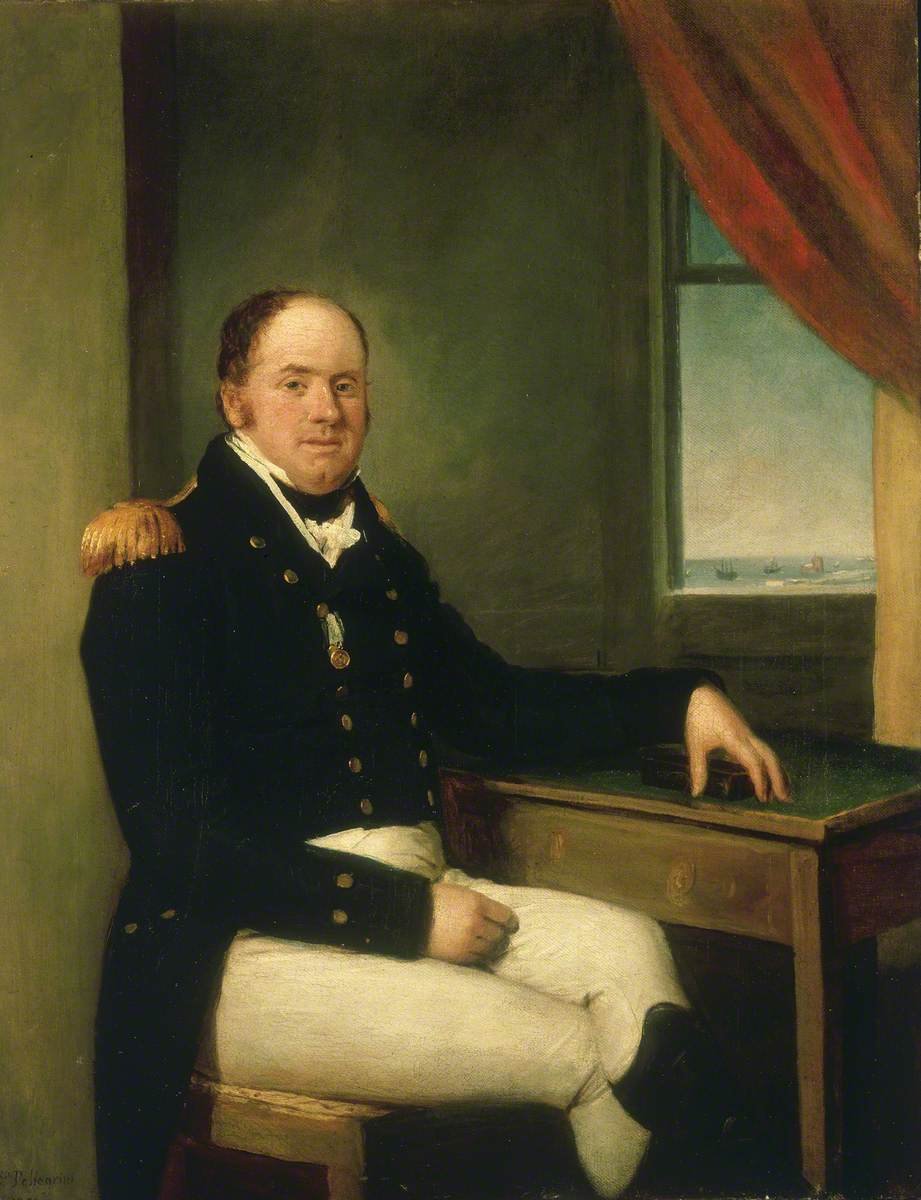
Was walking the quarterdeck beside Nelson when the fatal shot struck, and stayed with him as he died below deck. Nelson’s last request to him, “Kiss me, Hardy,” remains one of the most quoted lines in naval history.
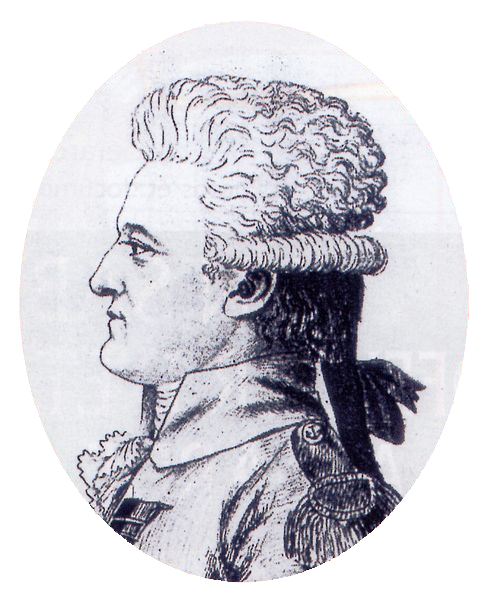
Commanded the larger French and Spanish fleet from the flagship Bucentaure, which surrendered after being surrounded and battered. Taken prisoner to England, he was released within months and returned to France.
Key Moments
Nelson hoists the signal “England expects that every man will do his duty” from HMS Victory as the two fleets close for action.
A French sniper hits Nelson in the shoulder as he paces the quarterdeck of HMS Victory beside Captain Hardy.
Nelson dies belowdecks, having been told minutes earlier that his fleet had won.
The fighting ends. Some 19 to 20 Franco-Spanish ships have surrendered, and Admiral Villeneuve is a prisoner aboard his own captured flagship.
A violent storm wrecks or allows the recapture of most of the prizes. Only four of the captured ships ever reach a British port.
Did you know? Nelson’s signal officer, Lieutenant John Pasco, changed the famous signal from “England confides” to “England expects” only because “confides” was missing from the signal flag codebook and would have taken too long to spell out letter by letter.