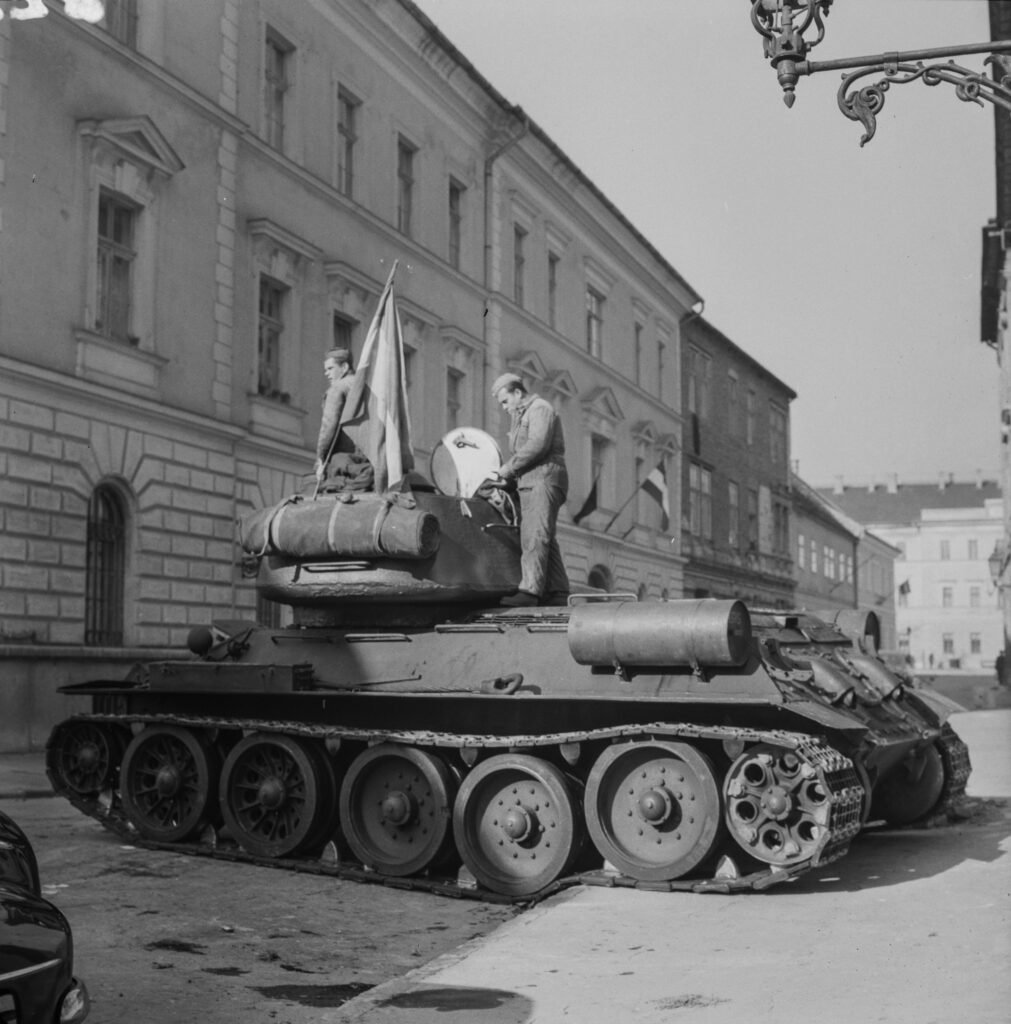
Hungary Rises Against Soviet Rule
A student march to a statue of a Polish general grew by nightfall into armed revolt, the first large-scale uprising against Soviet control behind the Iron Curtain.
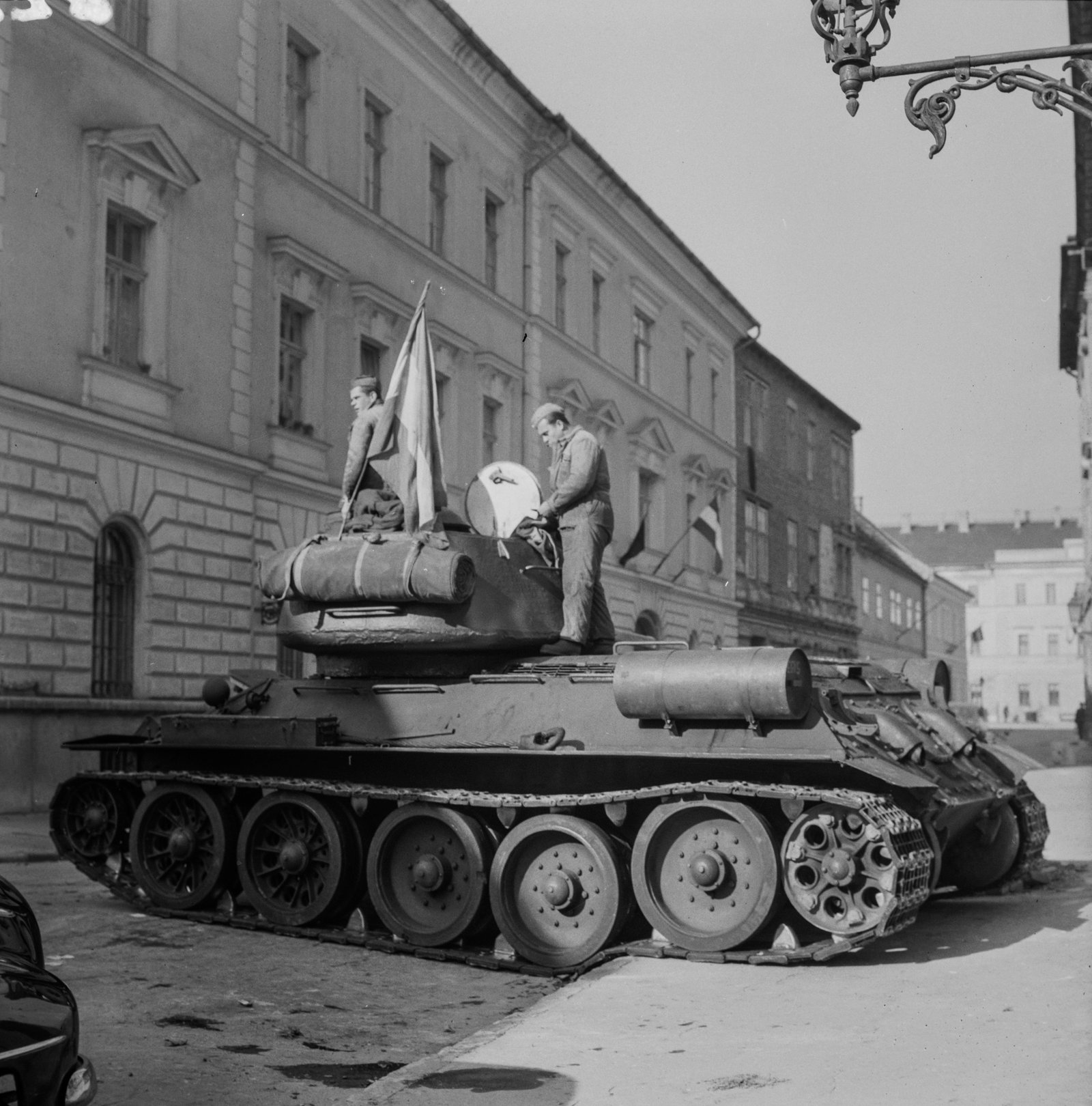
On October 23, 1956, Hungarian students gathered at Budapest’s statue of General Józef Bem in solidarity with Poland’s reform movement, then marched on Parliament carrying a flag with its communist emblem cut out. That evening a crowd converged on the Hungarian Radio building to demand its list of reforms be broadcast. State security fired on them, and protesters toppled the city’s giant statue of Stalin.
The shooting turned a protest into the first large armed revolt against Soviet control inside the Eastern Bloc, a direct challenge Moscow could not ignore and one that forced the Kremlin to choose between negotiation and invasion.
Hungary in 1956 showed how quickly a narrow grievance can widen into a demand for an entire system’s end, and how little that speed counts against an outside power willing to answer it with overwhelming force.
People Behind the Story
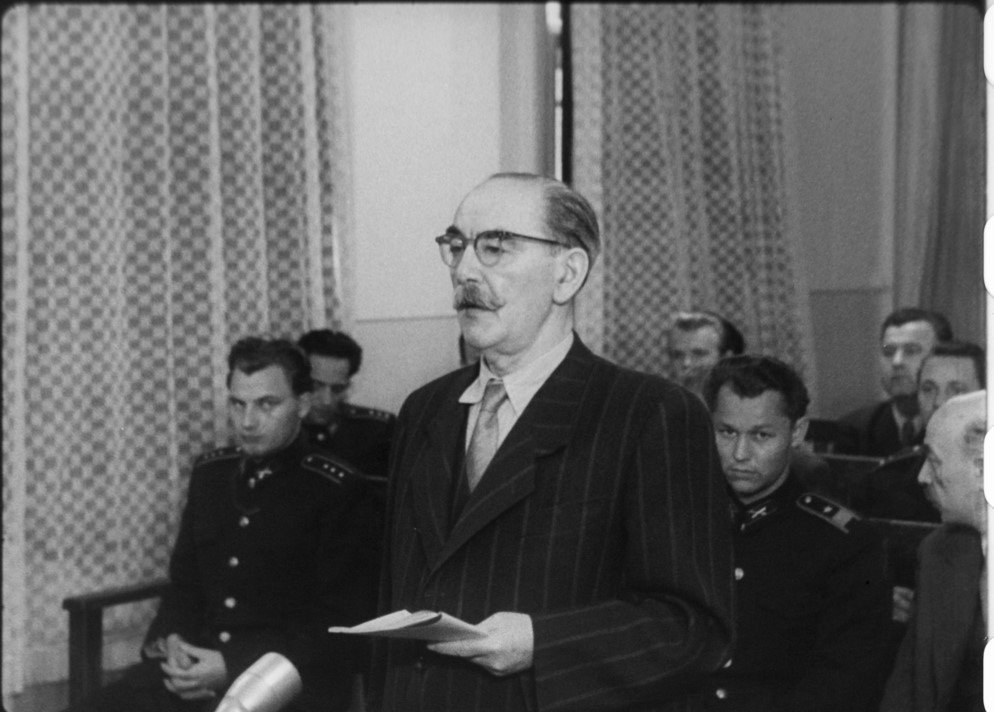
Installed as prime minister as the revolt spread, Nagy agreed to free elections and Hungary’s withdrawal from the Warsaw Pact. Captured after the Soviet invasion, he was secretly tried and executed for treason in 1958.
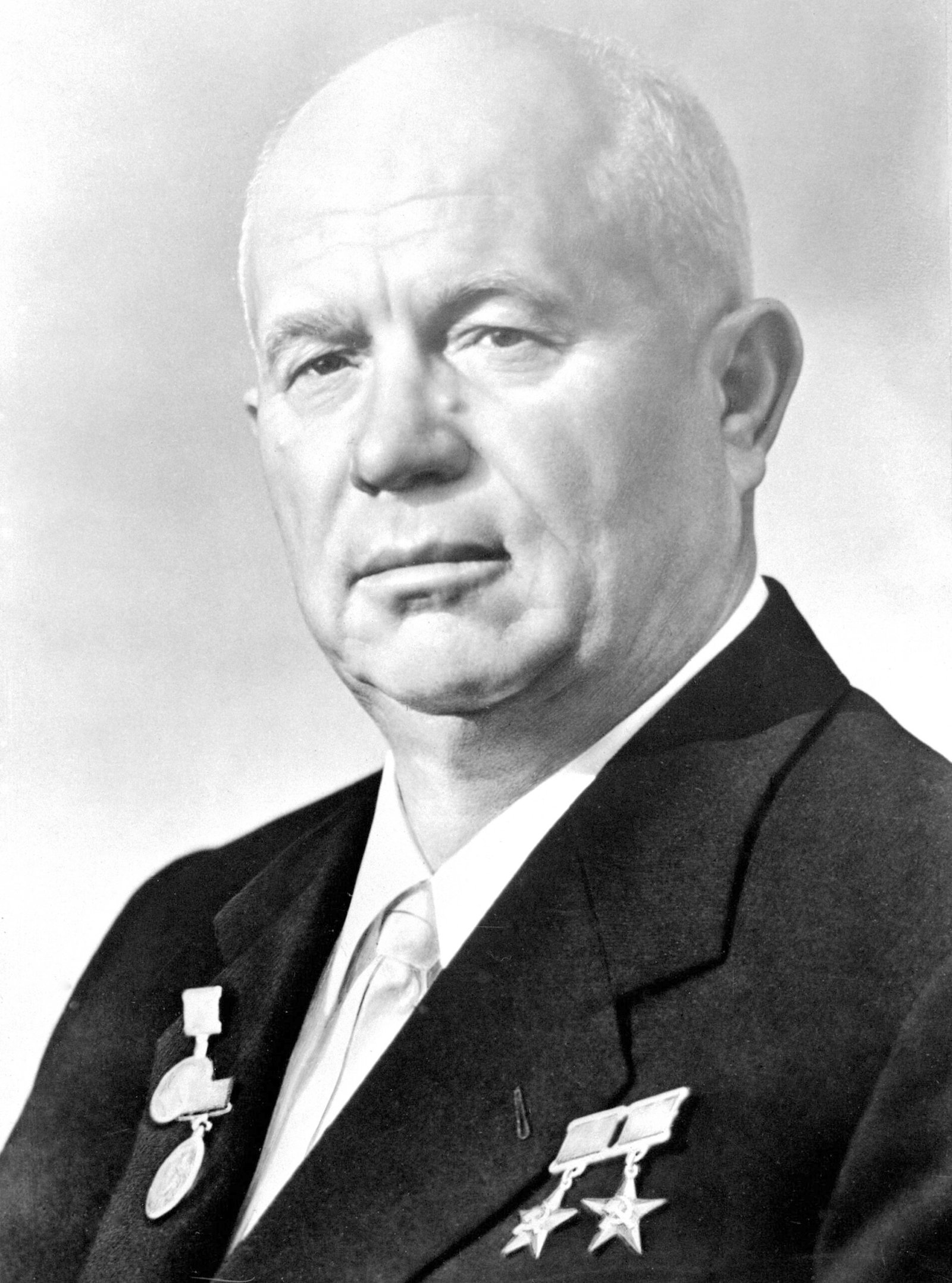
Weighed negotiation and force for twelve days before ordering a second, far larger invasion on November 4. The decision crushed the revolt and set the limits of Soviet tolerance for reform inside its bloc for decades.
Key Moments
Demonstrators topple Stalin’s statue in Budapest after security forces open fire on a crowd gathered outside Hungarian Radio, turning a march into armed revolt.
Soviet tanks enter Budapest as Imre Nagy is named prime minister and fighting spreads to other Hungarian cities.
Nagy declares Hungary’s neutrality, announces its withdrawal from the Warsaw Pact, and appeals to the United Nations for support.
A second, much larger Soviet force invades and crushes the revolt after fierce fighting in Budapest. János Kádár is installed as the new, Moscow-backed leader.
Hungary’s first freely elected democratic government makes October 23 a national holiday, honoring both the 1956 revolution and the Hungarian Republic declared on the same date that year.
Did you know? The flag protesters carried that day, its communist crest cut clean out of the center, became the revolution’s defining image, still reproduced on murals and monuments across Hungary today.
- “Anniversary of the 1956 Hungarian Revolution,” European Network Remembrance and Solidarity
- “Hungarian Revolution,” Encyclopaedia Britannica
- “Soviets Put Brutal End to Hungarian Revolution,” History.com
- “Hungarian Refugees 1956,” Blinken OSA Archivum
- “Students Gather around the Statue of General Bem in Budapest,” Blinken OSA Archivum, RFE/RL Research Institute Collection