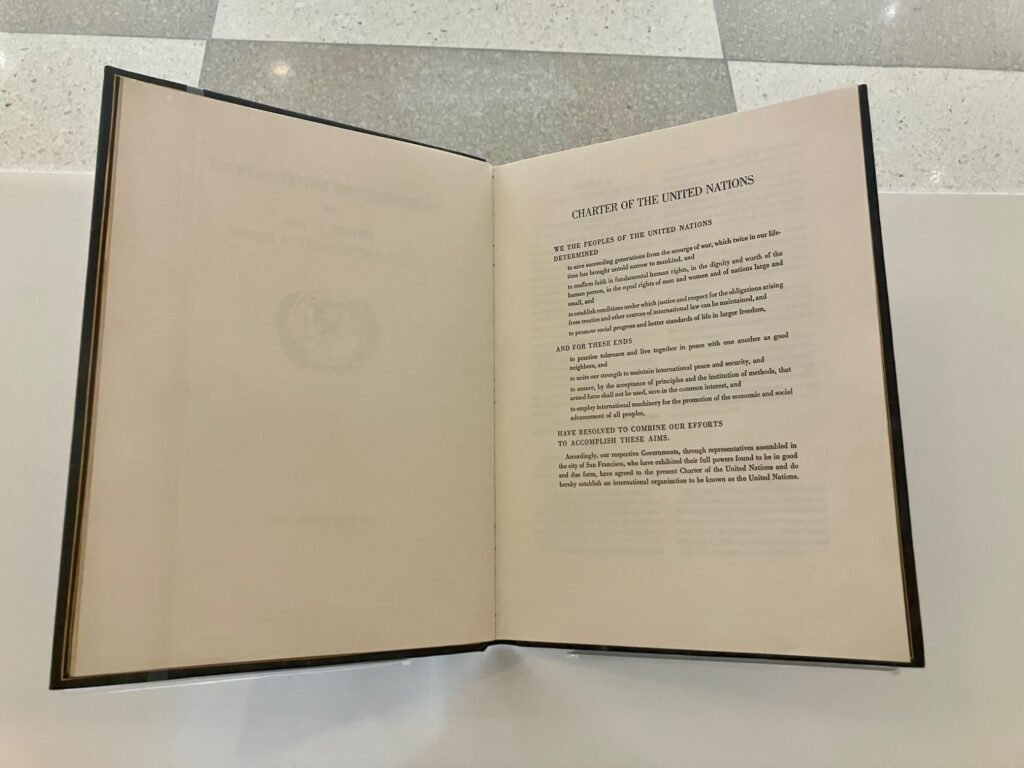
The United Nations Comes Into Being
Seven weeks after Japan’s surrender ended the Second World War, the charter founding the United Nations quietly took legal effect.
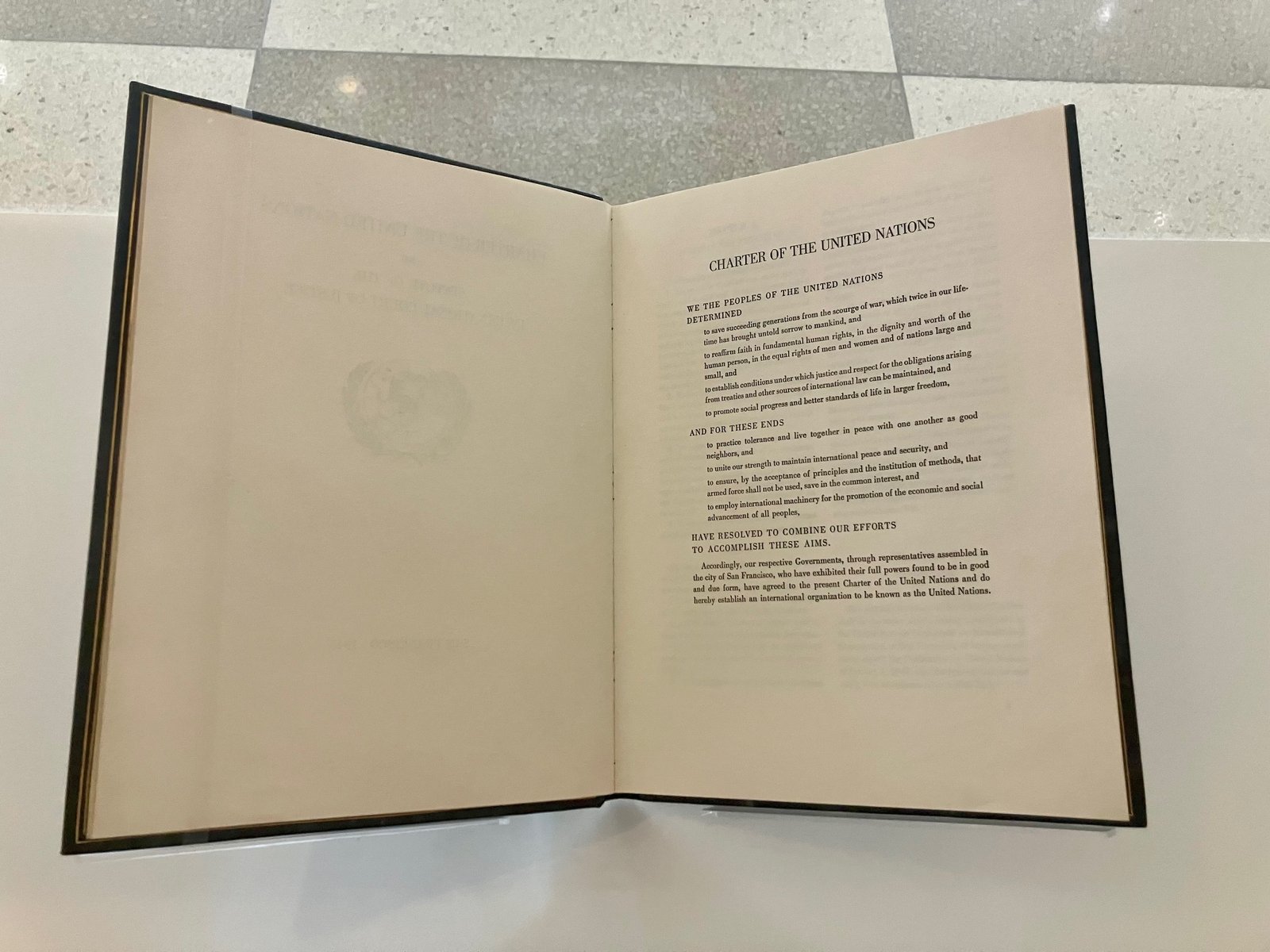
On October 24, 1945, the Charter of the United Nations entered into force once China, France, the Soviet Union, the United Kingdom, and the United States, the five permanent Security Council members, deposited their ratifications along with a majority of the other 46 signatory states, formally establishing the United Nations as a working international body.
For the first time, most of the world’s sovereign states bound themselves to a permanent body built to prevent war, enforce collective security, and mediate disputes before they turned violent, replacing the League of Nations, which had failed to stop the conflict that had just ended.
A charter only works if powerful states agree to be bound by it. The UN’s founders mixed idealism, a shared commitment to human rights and collective security, with realism, veto power for the war’s five victors, a tension the organization still negotiates in every major crisis.
People Behind the Story
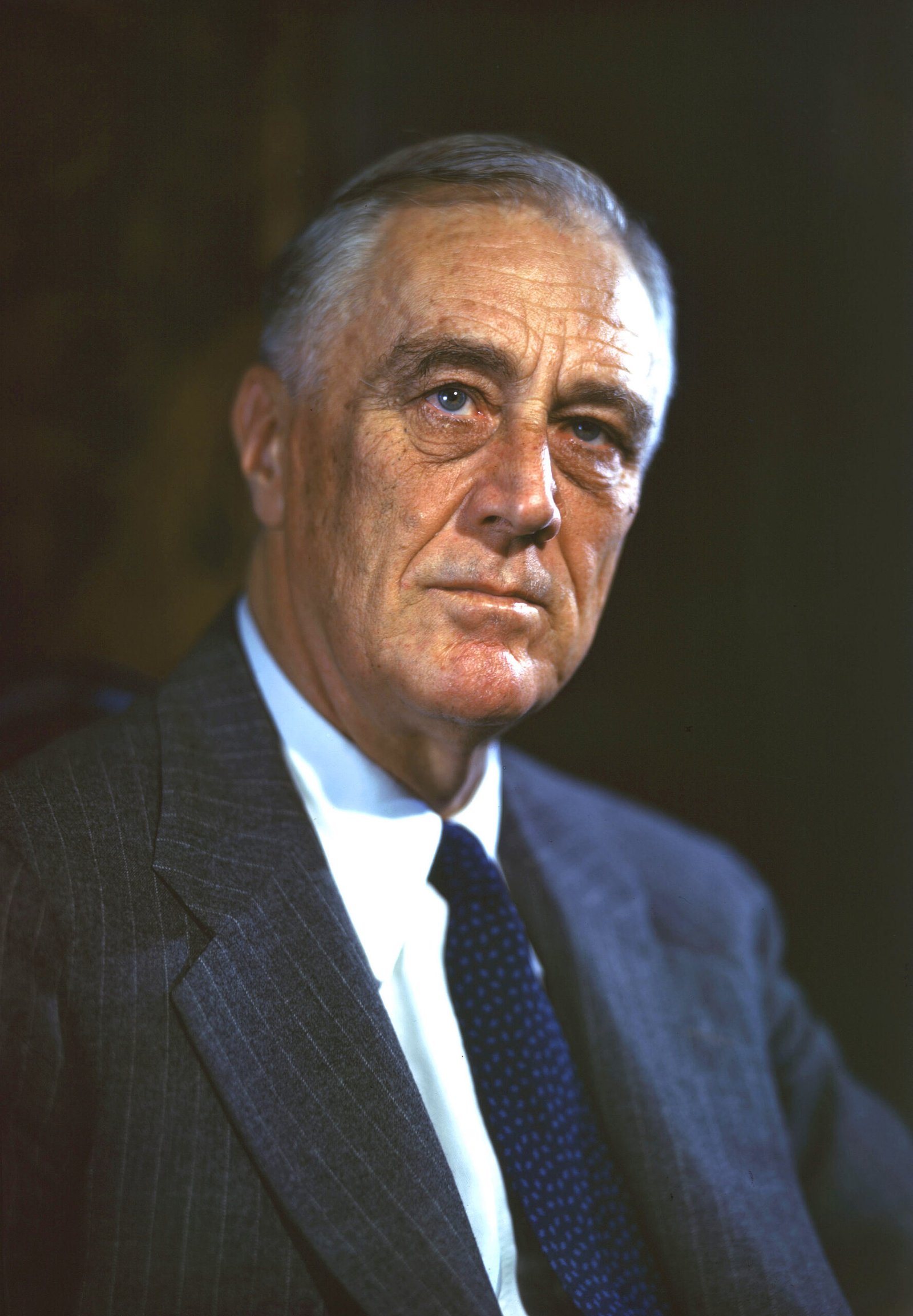
Pushed the wartime Allies toward a permanent peacekeeping body throughout the war, but died on April 12, 1945, eleven days before the San Francisco Conference opened without him.
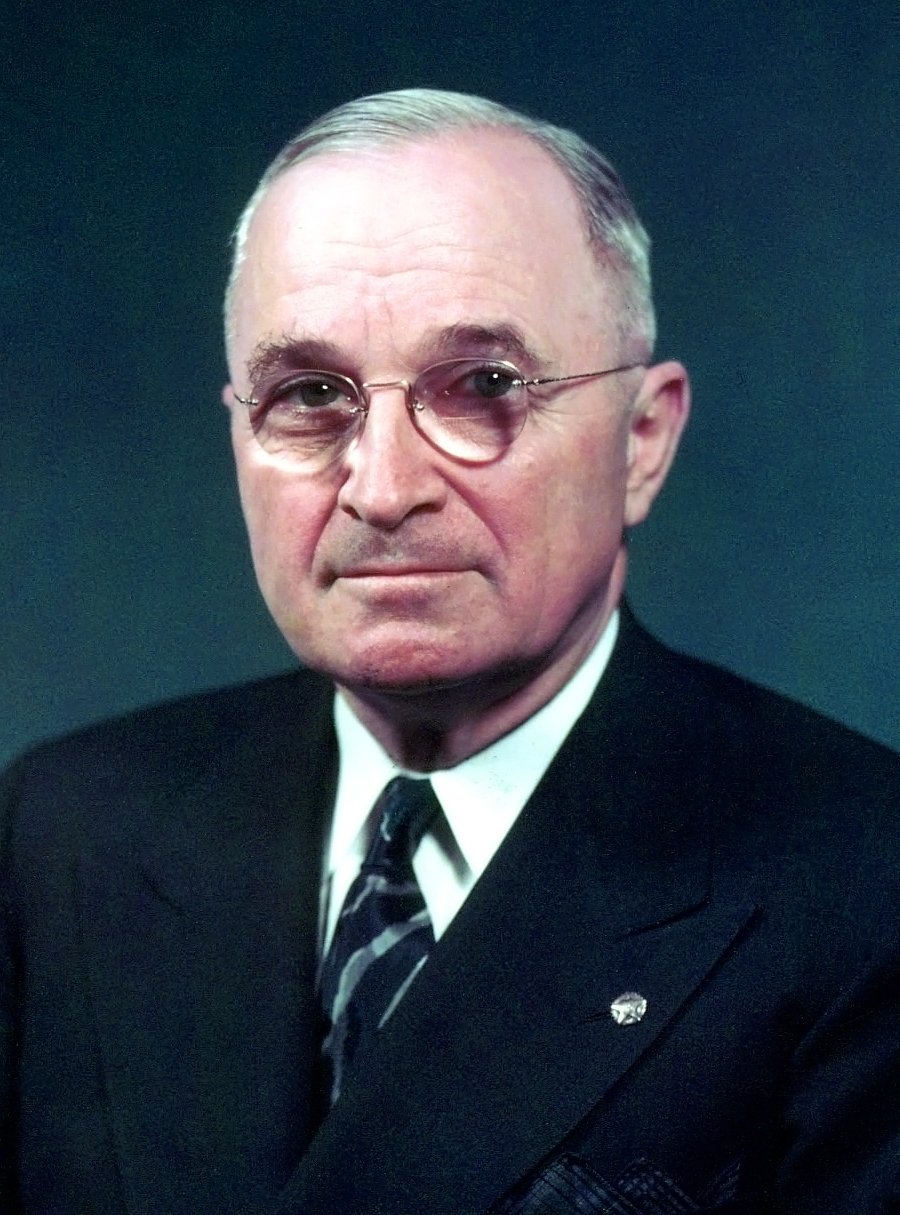
Took office after Roosevelt’s death, closed the San Francisco Conference on June 26, 1945, and watched the Charter become binding law five months later, on October 24.
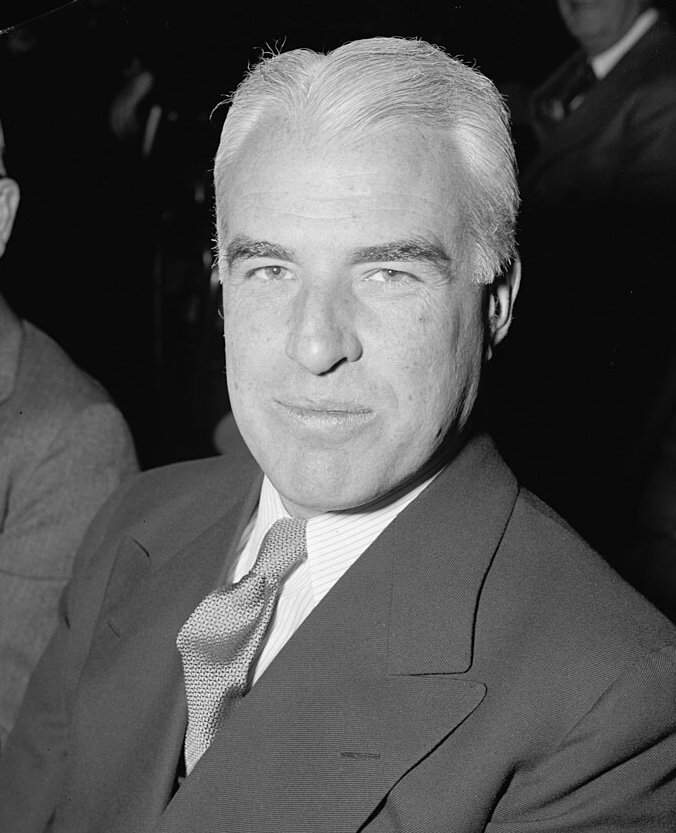
Chaired the U.S. delegation at the San Francisco Conference, then resigned as Secretary of State the day after the Charter was signed to become the first U.S. Ambassador to the United Nations.
Key Moments
Diplomats from China, the Soviet Union, the United Kingdom, and the United States meet at the Dumbarton Oaks Conference in Washington, D.C., and draft the basic outline for a new international organization.
Delegates from 50 countries convene in San Francisco and sign the United Nations Charter on June 26. Poland, absent from the conference, signs separately on October 15 and becomes the 51st original member.
The Charter enters into force once the five permanent Security Council members and a majority of other signatories ratify it, officially founding the United Nations.
The first UN General Assembly session opens at Methodist Central Hall in London, bringing together representatives of all 51 original member states.
Did you know? The UN General Assembly chose October 24, the anniversary of the Charter’s entry into force, as United Nations Day in 1947, and recommended that member states observe it as a public holiday in 1971.
Also On This Day
Black Thursday: trading volume on the New York Stock Exchange hits a then-record 12.9 million shares as panic selling begins, opening the stock market crash that helped tip the United States into the Great Depression.