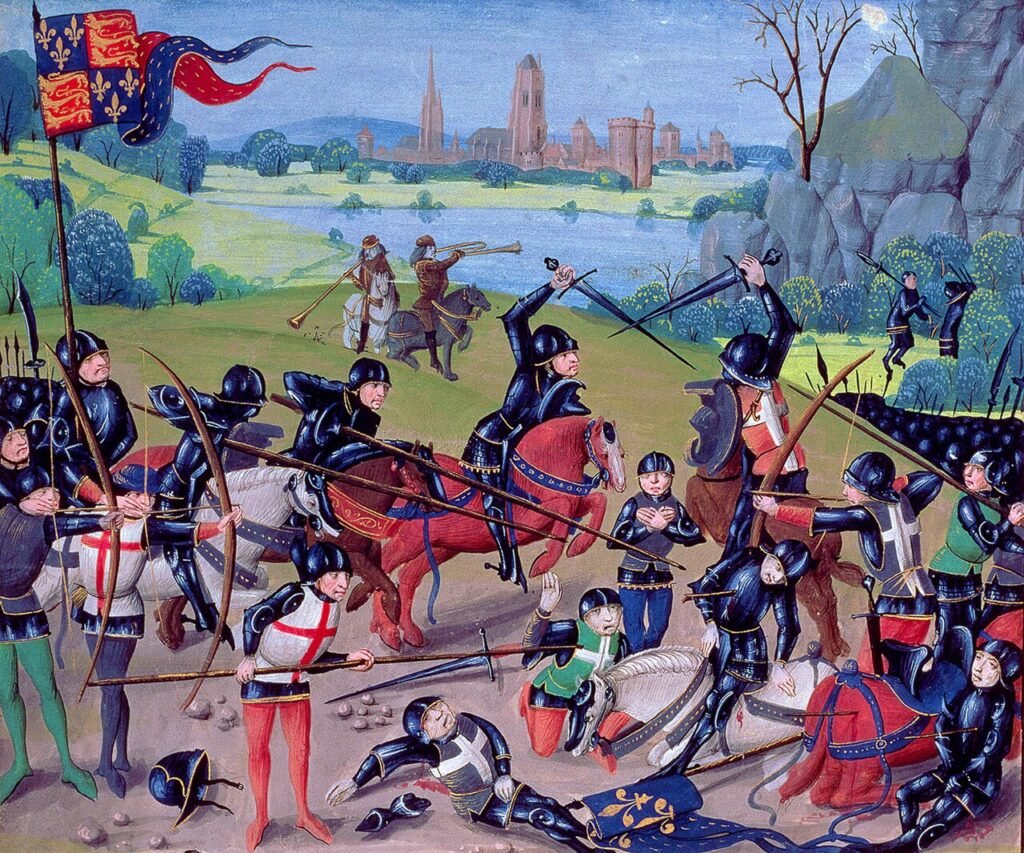
Henry V’s Outnumbered Army Wins at Agincourt
On Saint Crispin’s Day, a battered English army, several times outnumbered by most accounts, marched onto a muddy French field and delivered one of the most lopsided defeats in medieval history.
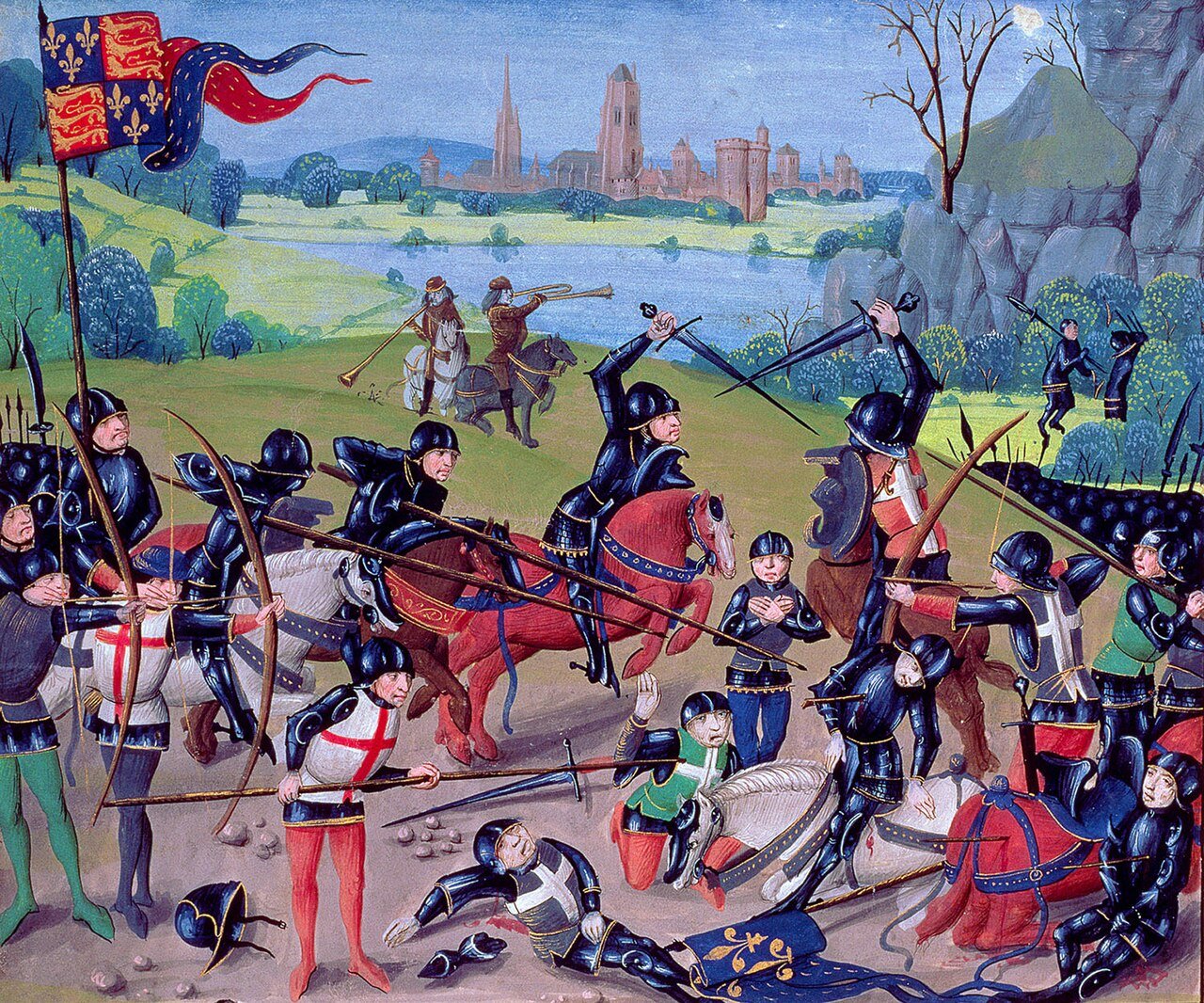
On October 25, 1415, King Henry V’s English army, worn down by disease and a hard march, met a French force most historians put at two to four times its size on a narrow, ploughed field near the village of Azincourt. Longbow volleys and deep mud that trapped heavily armored French knights turned an orderly charge into a crush, and the battle was effectively decided within a few hours.
The defeat killed three French dukes and the Constable of France and crippled a generation of French nobility, buying Henry roughly a decade of English dominance in the Hundred Years’ War. It also strengthened his claim to the French crown, formalized five years later in the Treaty of Troyes.
Agincourt became a model case for an outnumbered force winning through terrain, discipline, and technology rather than sheer numbers, the same logic later cited in underdog victories from naval ambushes to modern asymmetric warfare. Shakespeare’s St. Crispin’s Day speech, written nearly two centuries afterward, turned that battlefield lesson into one of the English language’s most quoted calls to shared purpose against long odds.
People Behind the Story
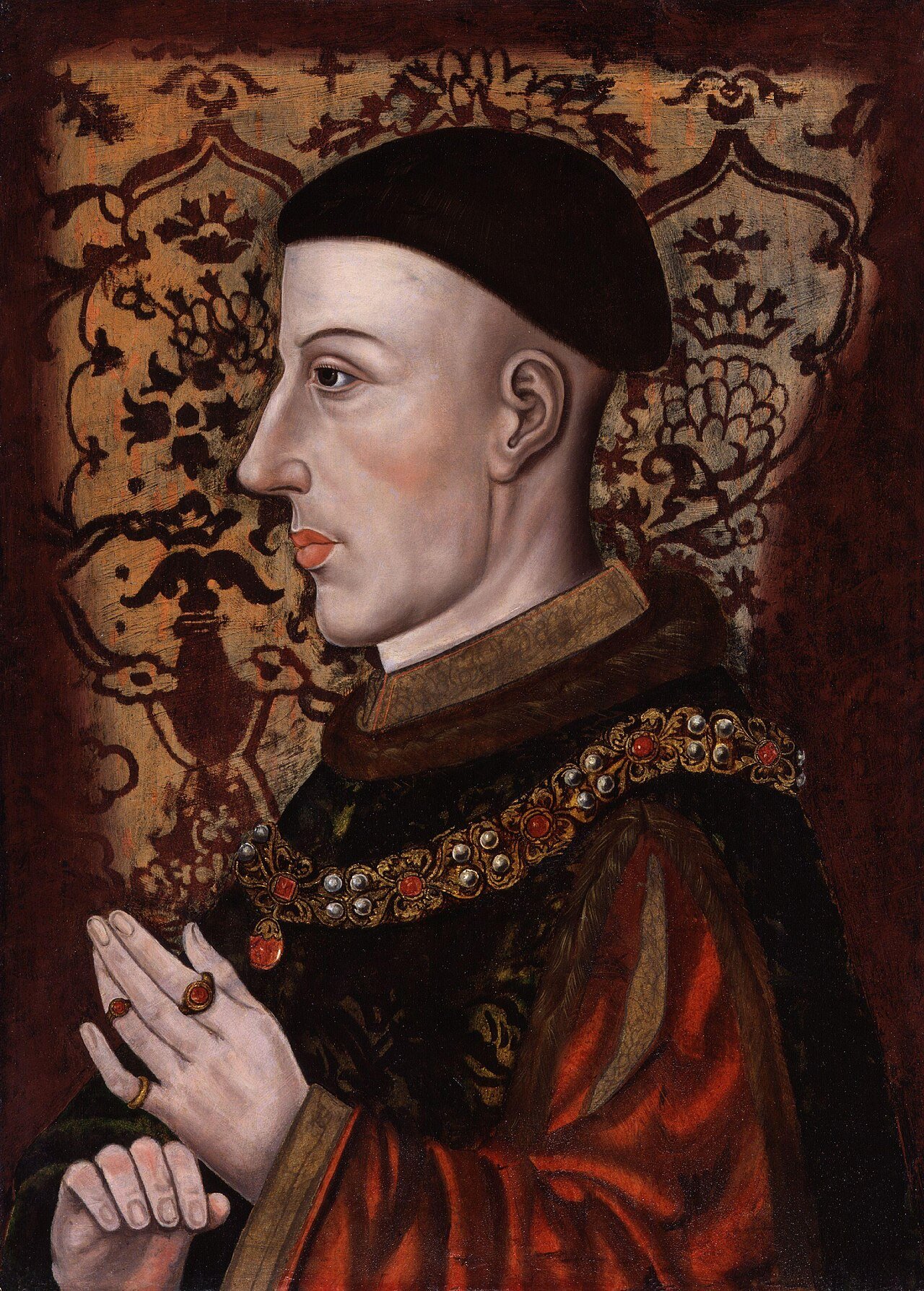
Led the English army in person and fought in the front rank. His decision to advance while badly outnumbered, and his later order to kill French prisoners when the camp came under attack, are still debated by historians.

Arrayed Henry’s longbowmen in the hours before the fighting began and signaled the attack by tossing his baton into the air, a moment later remembered as the opening act of the battle.
Key Moments
Henry’s army lands in Normandy and besieges the port of Harfleur, where disease cuts his force by roughly half before the march toward Calais even begins.
The two armies meet at Azincourt. English longbow volleys and deep mud rout a French force most historians place at two to four times the English number.
The Treaty of Troyes names Henry V heir to the French throne and regent of France, the direct political payoff of the victory.
Henry V dies of dysentery near Paris at 35, two months before King Charles VI, and is never crowned King of France.
Did you know? Despite winning one of medieval Europe’s most lopsided battles, Henry V never lived to wear the French crown his victory had secured. He died of dysentery in 1422, two months before Charles VI, the French king whose throne he had been promised.