Inflation is the rate at which prices for goods and services rise across an economy over time, which quietly erodes how much a given amount of money can actually buy. It’s why a grocery bill or a tank of gas can cost noticeably more than it did a year ago even though nothing about the product itself changed.
How Inflation Is Actually Measured
In the United States, the two most-watched gauges are the Consumer Price Index (CPI), tracked by the Bureau of Labor Statistics, and the Personal Consumption Expenditures (PCE) price index, which the Federal Reserve treats as its primary measure. Both track the changing cost of a broad basket of goods and services — groceries, rent, health care — and report how much that basket’s price has changed over the past year. A rising number means the same basket of goods now costs more, which is the practical, everyday meaning of inflation.
Demand-Pull Inflation: Too Much Spending Chasing Too Little Supply
One classic driver is demand-pull inflation, which happens when demand across the economy outpaces the supply of goods and services available to meet it. When households, businesses, or governments ramp up spending faster than the economy can produce, sellers respond by raising prices rather than running out of stock. As firms hire more workers to keep pace, wages tend to rise too, putting more money in people’s pockets, which can reinforce the same spending cycle further.
Cost-Push Inflation: When Making Things Gets More Expensive
The other major driver works from the supply side. Cost-push inflation happens when the price of inputs — oil, raw materials, labor, shipping — rises, and businesses pass those higher costs on to consumers rather than absorb them. A spike in oil prices, for instance, raises transportation costs, which then nudges up the price of everything from groceries to plane tickets. Natural disasters, supply-chain disruptions, and geopolitical shocks can all trigger this kind of cost-driven pressure on prices.
Why What People Expect Matters Almost as Much as What’s Real
Economists point to a subtler cause too: what people expect inflation to do next. If businesses anticipate higher costs ahead, they raise prices preemptively rather than wait to be forced into it. If workers expect their paychecks to buy less next year, they push harder for raises now. When those expectations stay anchored near a central bank’s target, the whole dynamic stays stable; when expectations come unanchored, inflation can become self-fulfilling and considerably harder to control.
Why the Fed Targets 2%, Specifically
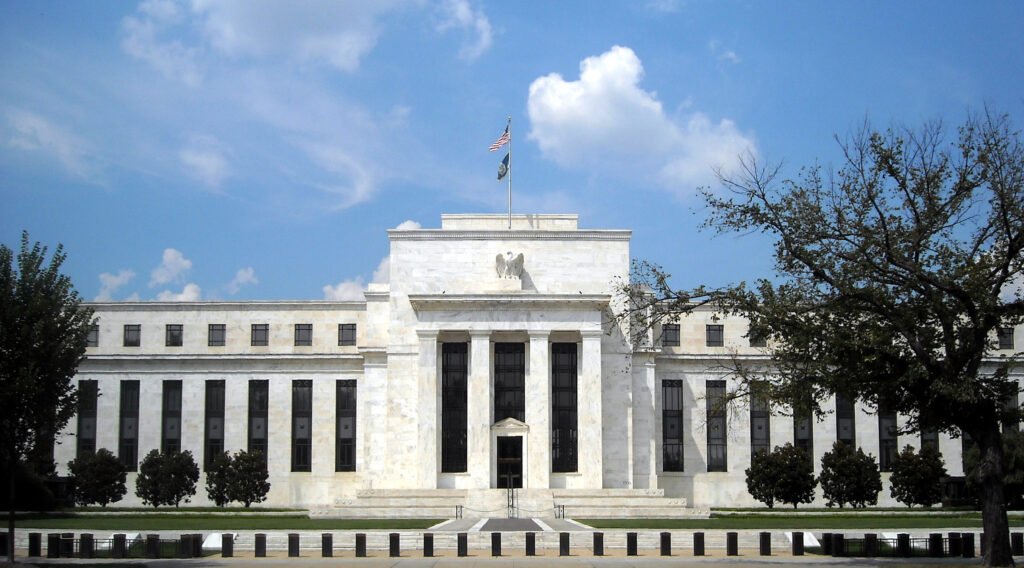
The Federal Reserve has formally targeted 2% annual inflation, measured by the PCE index, since adopting that goal in January 2012. The number isn’t arbitrary: after the runaway inflation of the 1970s and early 1980s, when the rate peaked above 11%, economists concluded that a low, stable, predictable rate of inflation gives households and businesses the confidence to spend, save, and invest without price distortions clouding their decisions. When inflation runs persistently above that target, as it has at various points in recent years, the Fed’s usual response is to raise interest rates, which cools demand and pulls price growth back toward its goal.