Kennedy Announces the Quarantine of Cuba
In an eighteen-minute television address, President Kennedy told Americans that Soviet nuclear missiles sat ninety-three miles from Florida, and that the Navy would turn back any ship that tried to deliver more.
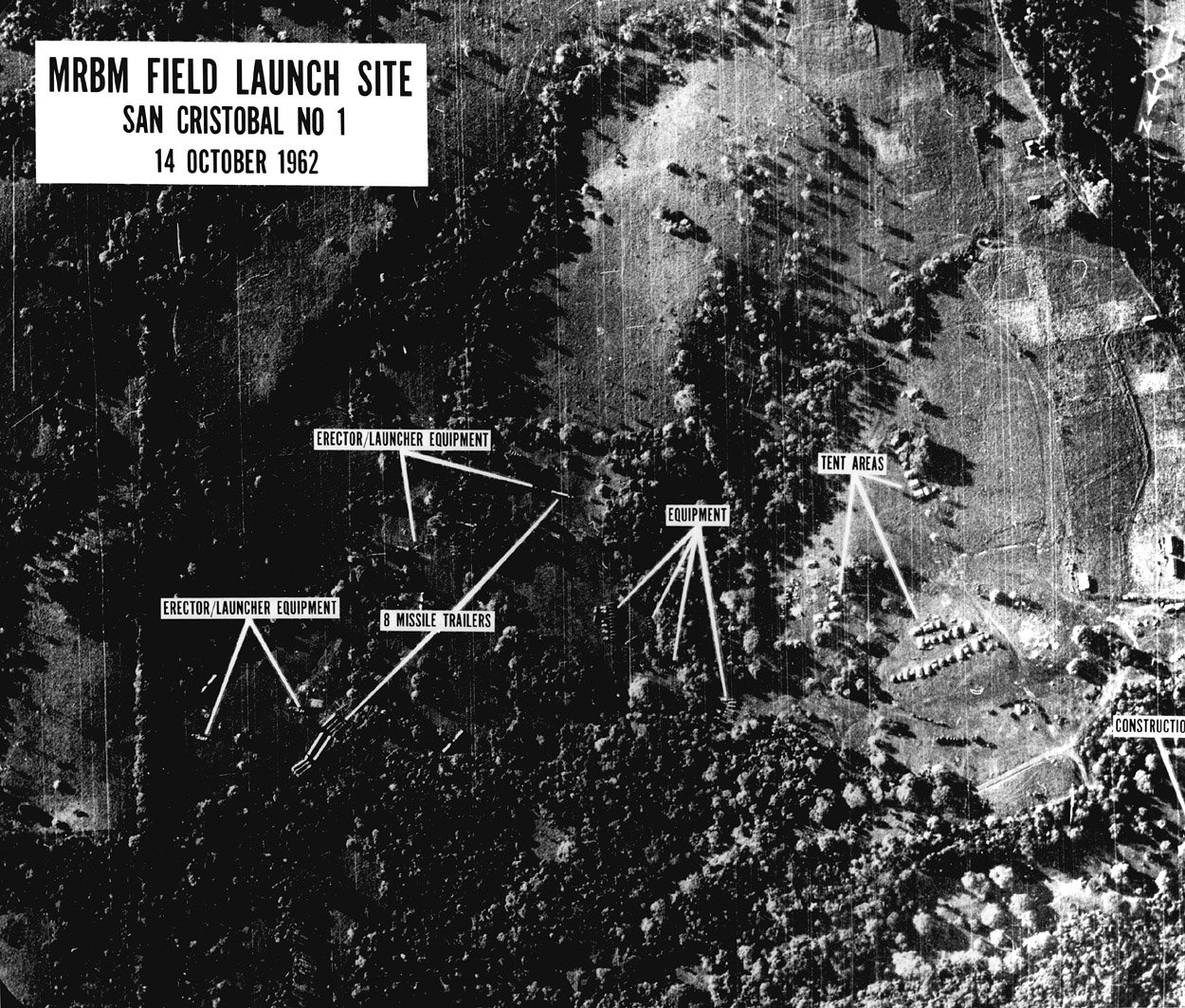
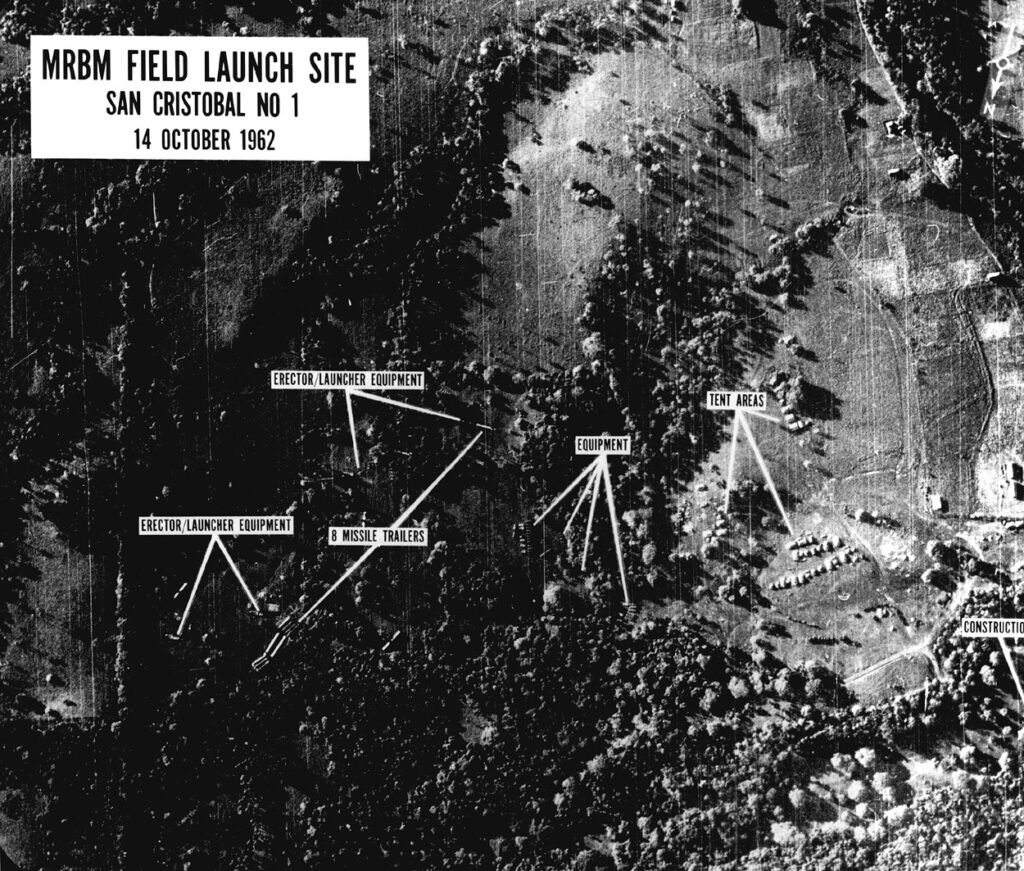
On the evening of October 22, 1962, President John F. Kennedy interrupted national television to tell Americans that U-2 reconnaissance flights had photographed Soviet medium-range nuclear missile sites under construction in Cuba. He announced a naval “quarantine” that would turn back any ship carrying further offensive weapons to the island.
The speech moved a crisis that advisers had debated in total secrecy for eight days into full public view, and pushed the United States and the Soviet Union closer to direct nuclear war than at any other point in the Cold War.
Kennedy chose a naval blockade over an airstrike because it left Moscow a way to step back without surrendering outright. That deliberate middle path, pressure applied in stages rather than in one irreversible blow, became a working model for how nuclear-armed rivals have managed confrontations ever since.
People Behind the Story
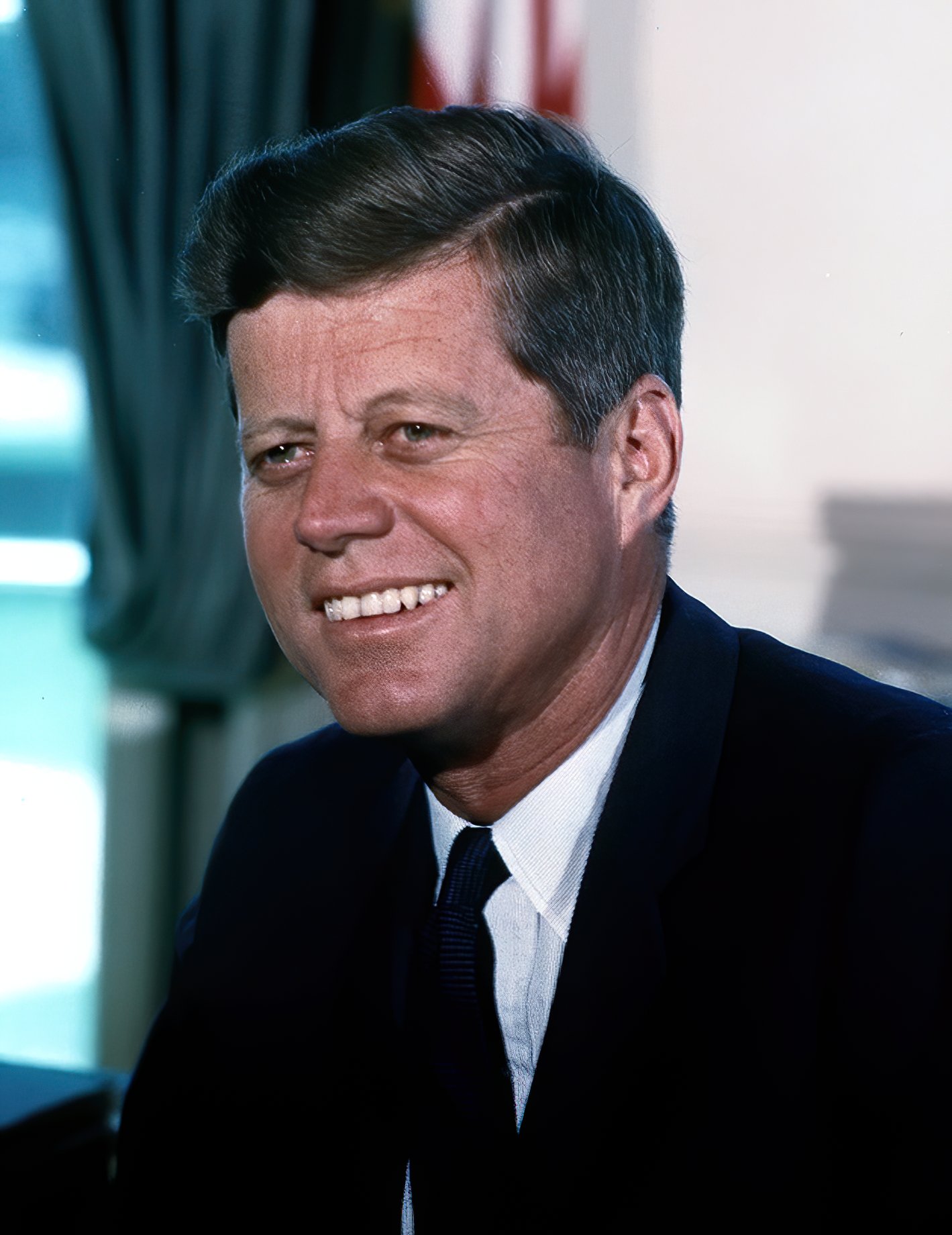
Announced the discovery of the missile sites and the quarantine live on television, then held the line through a public standoff that lasted thirteen tense days.
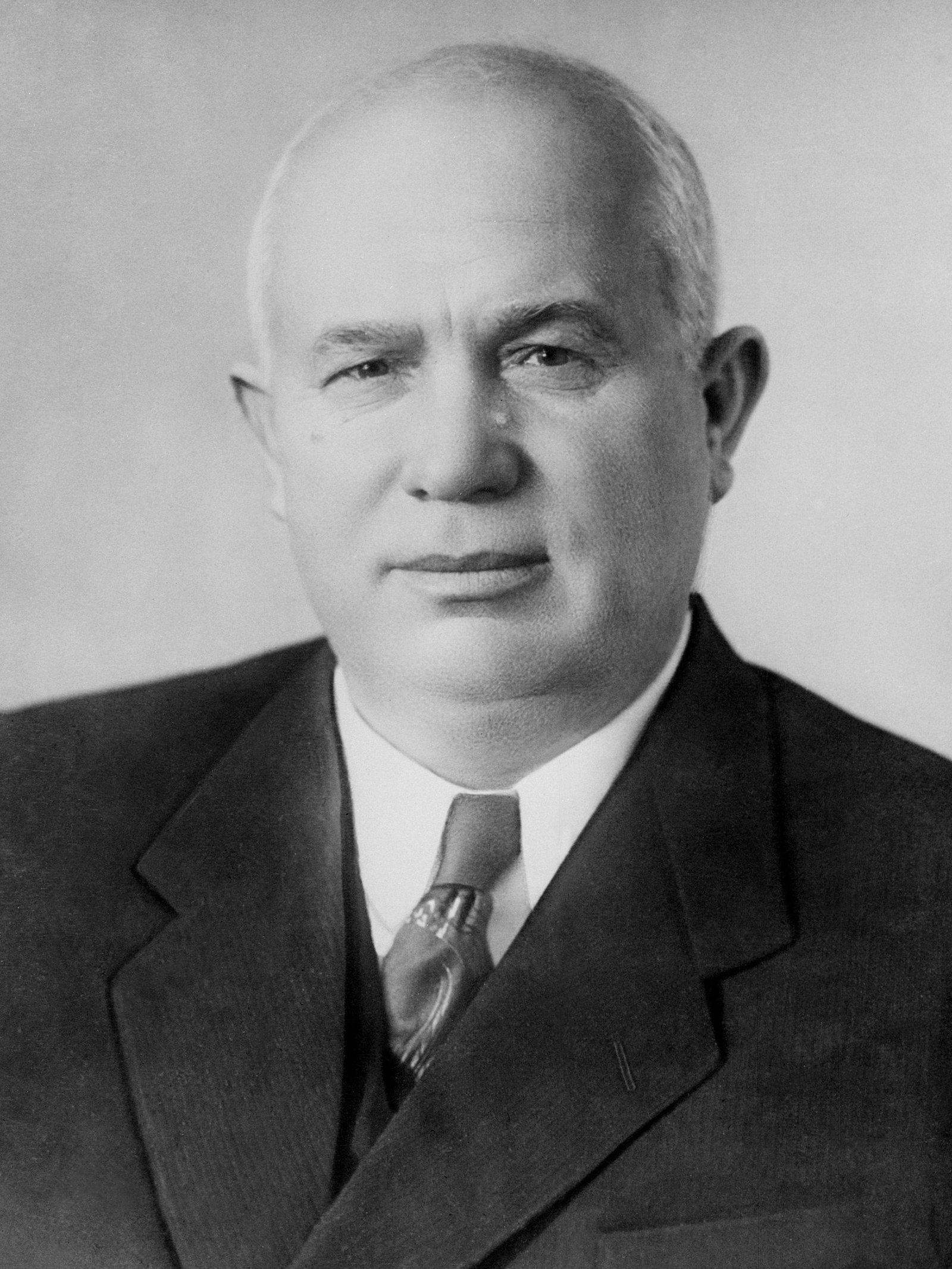
Had secretly ordered the missiles installed in Cuba, then agreed on October 28 to remove them in exchange for a United States pledge not to invade.
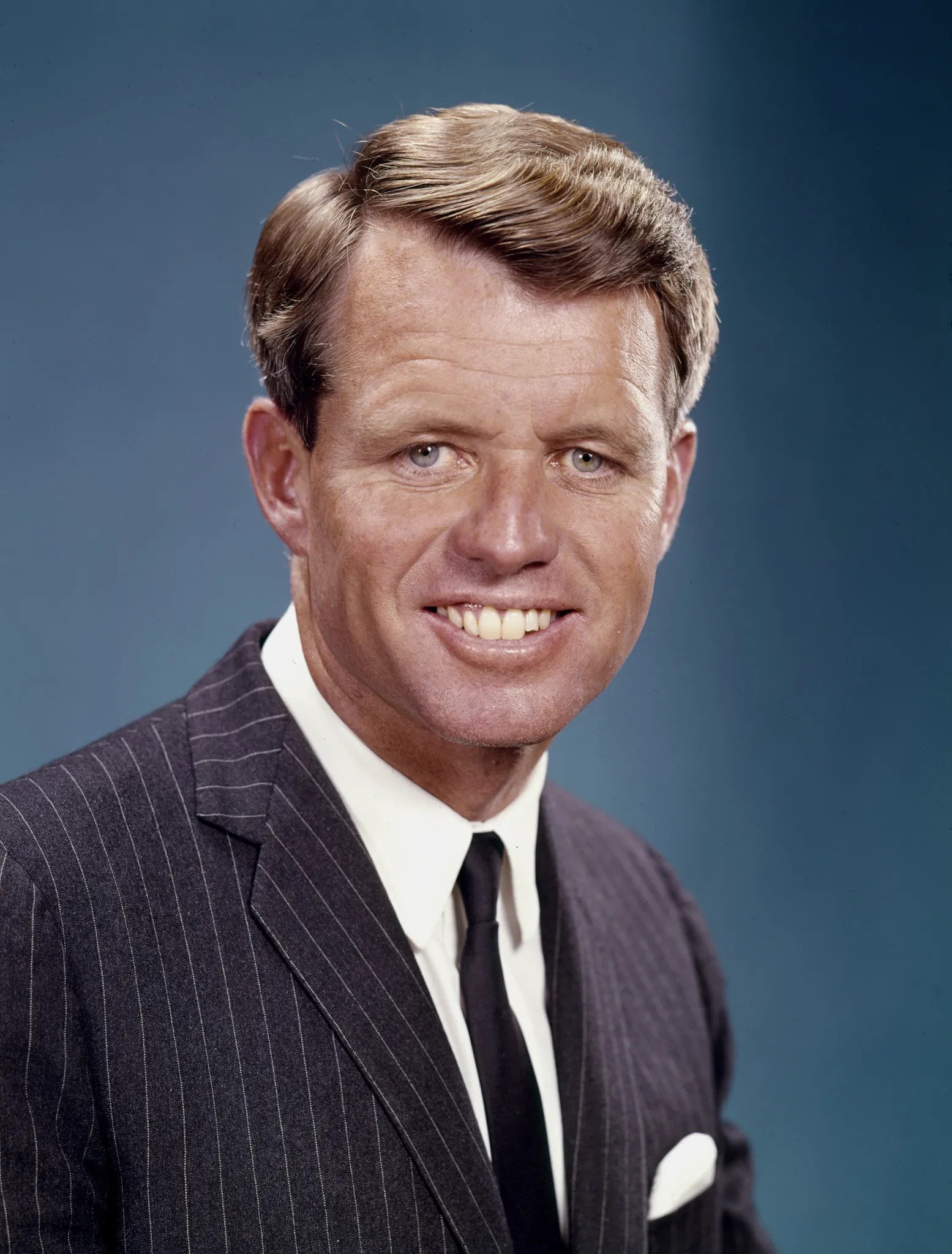
Met secretly with Soviet ambassador Anatoly Dobrynin on October 27 to deliver the terms that broke the deadlock, a conversation whose full details were not declassified for decades.
Key Moments
A U-2 flight photographs Soviet missile construction in Cuba. Analysts confirm the find within days, and Kennedy convenes a small group of advisers in secret.
Kennedy announces the discovery and the naval quarantine on national television, ending eight days of private deliberation.
Air Force Major Rudolf Anderson is shot down and killed over Cuba on what historians call Black Saturday, the crisis’s only combat death, the same day Robert Kennedy meets Dobrynin.
Khrushchev publicly announces the missiles will be withdrawn, ending the public standoff after thirteen days and leading to the quarantine’s removal that November.
Did you know? Only one person died by hostile fire during the entire crisis: Major Rudolf Anderson, an Air Force U-2 pilot shot down over Cuba on October 27, 1962, the day historians call Black Saturday.
- “Address During the Cuban Missile Crisis,” John F. Kennedy Presidential Library and Museum
- “The Cuban Missile Crisis,” Prologue Magazine, U.S. National Archives
- “Cuban Missile Crisis,” History.com
- “The Most Dangerous Moment,” National Security Archive, George Washington University
- “DEFCON,” GlobalSecurity.org