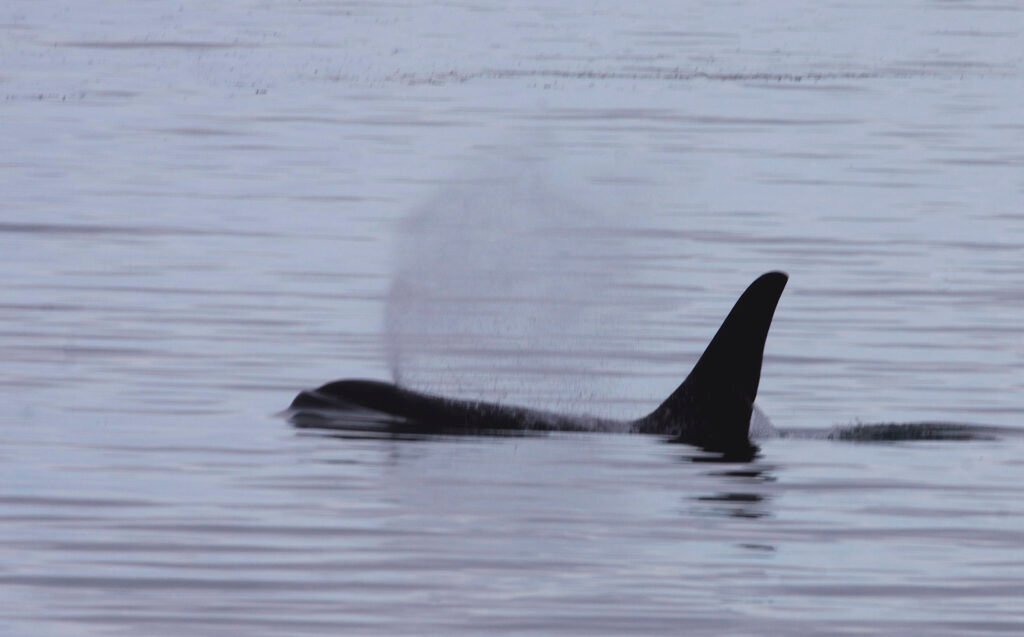
An apex predator is a predator that occupies the top of its ecosystem’s food chain and has no natural predators of its own as an adult, making it the final destination for the flow of energy through that particular chain. The term describes a species’ position within a food web rather than any specific behavior, size, or ecological effect, which is an important distinction, since not every apex predator reshapes its ecosystem to the same degree.
Apex predator versus keystone species
Apex predator and keystone species are frequently confused but describe different things. Apex predator is a statement about rank: a species sits at the top of its food chain with nothing above it. Keystone species is a statement about ecological effect: a species has an outsized influence on its community’s structure relative to how abundant it is. The two categories overlap often, since many apex predators do turn out to be keystone species in their particular ecosystem, but the overlap is not automatic. A tiger shark in Australian marine ecosystems is frequently cited as both: an apex predator by rank, and a keystone species because it keeps sea turtles from overgrazing seagrass beds and feeds preferentially on sick fish, a role that benefits the wider community beyond simple predation. Other apex predators, by contrast, can be removed from a given ecosystem with far less dramatic downstream consequences, depending on which other species are present and how tightly connected the food web actually is.
Examples across ecosystems
Terrestrial apex predators include large cats such as lions and tigers, wolves, and large bears, each sitting atop a regional food chain with no natural predator once past the vulnerable juvenile stage. Marine environments have their own apex predators, among them orcas, sometimes called killer whales despite being the largest member of the dolphin family, which prey on a remarkably wide range of other animals, including seals, fish, seabirds, and in some populations even other whales, giving them one of the broadest diets of any apex predator anywhere. Large raptors such as eagles and vultures occupy a similar top position in many terrestrial and aerial food chains, and apex status is not limited to large, charismatic animals; in a sufficiently simplified or isolated food chain, a comparatively small predator can occupy the apex position simply because nothing in that particular system preys on it.
Why apex predators decline disproportionately
Apex predators are generally far less numerous than the species below them in their food chain, a direct consequence of the energy losses that occur at every step up a food chain, which leaves correspondingly little energy available to support predators at the very top. This naturally low population density, combined with large body size, slow reproduction, and large territorial requirements common among many apex predators, makes them disproportionately vulnerable to human pressures such as habitat loss, hunting, and habitat fragmentation compared with smaller, faster-reproducing species lower in the same food chain. As a result, apex predators are frequently among the first species to decline or disappear from a given region even when the broader ecosystem around them still appears largely intact.
Consequences of losing an apex predator
Removing an apex predator can allow the species it once preyed on to expand unchecked, a pattern that, when it triggers further effects down through additional feeding levels, is called a trophic cascade. The reintroduction of gray wolves to Yellowstone National Park in the mid-1990s remains the most widely cited modern example, associated with reduced elk pressure on streamside vegetation in the decades since, although researchers caution that isolating the wolves’ specific contribution from other contributing factors remains an active area of study rather than a fully settled question. Not every apex predator’s removal triggers an equally dramatic response, however, which is why ecologists generally test for cascading effects with population data or, where possible, controlled study rather than assuming every apex predator functions as a keystone species by default.
Conflict and conservation
Apex predators often come into direct conflict with human activity precisely because they need large, often undeveloped territories and will readily prey on livestock where wild prey is scarce, which has historically made them targets for retaliatory killing, bounty programs, and habitat clearing, well beyond what population biology alone would predict for a naturally low-density species. Conservation responses have shifted over recent decades from near-total eradication campaigns, as happened historically with wolves across much of the continental United States and Europe, toward more deliberate reintroduction and coexistence strategies, including compensation programs for livestock losses, non-lethal deterrents, and protected corridors that let apex predators move between habitat patches without passing through heavily settled areas. These efforts remain genuinely contested in many regions, since the same apex predators prized by conservationists for their ecological role are often viewed very differently by nearby ranching or farming communities bearing the direct cost of their return.
FAQs
Can a prey animal ever become an apex predator’s predator? Not in the normal sense that defines the category; an apex predator by definition has no natural predator as an adult, though its young can be vulnerable to other predators, and apex predators can still die from disease, starvation, or conflict with other apex predators, including members of their own species.
Are all apex predators also keystone species? No. Apex predator describes a species’ rank at the top of its food chain, while keystone species describes an outsized ecological effect relative to abundance; the two frequently overlap, as with tiger sharks in Australian seagrass ecosystems, but an apex predator can also be removed from some ecosystems without triggering the same scale of cascading change.
Key facts
- Apex predator describes a species' rank at the top of a food chain; keystone species describes an outsized ecological effect, a different concept that often but not always overlaps.
- Tiger sharks in Australian marine ecosystems are frequently cited as both an apex predator and a keystone species.
- Orcas prey on an unusually wide range of animals, including seals, fish, seabirds, and in some populations other whales.
- Energy losses up a food chain mean apex predators are naturally far less numerous than the species below them.
- Large body size, slow reproduction, and large territorial needs make many apex predators disproportionately vulnerable to habitat loss and hunting.
Related concepts
Quick checkWhy are apex predators often among the first species to decline when an ecosystem comes under human pressure?Show answer
Apex predators are naturally low in number because of energy loss at each step up the food chain, and many also have slow reproduction and large territorial needs, so even moderate habitat loss, hunting, or fragmentation can push their already-small populations toward decline faster than it affects smaller, more numerous, faster-reproducing species lower in the same food chain.
Sources
- Microbe Notes. Apex Predators: Definition, Trophic Cascade, Examples. 2024 (accessed 2026-11-01)
Editorially reviewed by Specialty Digest Editorial TeamLast reviewed November 1, 2026Researched and drafted with AI assistanceReport an issue