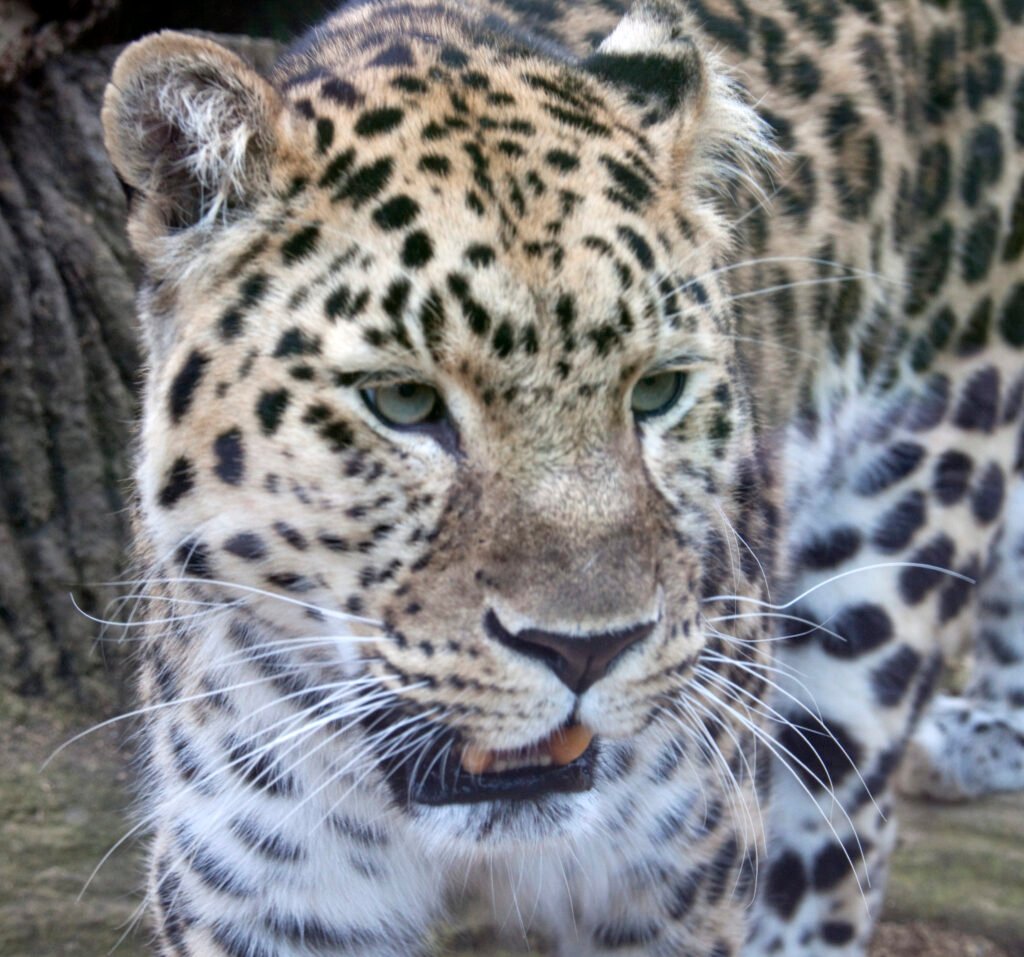
An endangered species is a species of plant or animal facing a very high risk of extinction in the wild in the near future. The term has a precise technical meaning in conservation science, defined by specific population and range criteria, in addition to its looser everyday use to describe any species considered at risk.
The IUCN Red List categories
The International Union for Conservation of Nature maintains the Red List of Threatened Species, the most widely used global system for classifying extinction risk. Moving from lowest to highest risk, its categories run: least concern, for species with a low risk of extinction; near threatened, for species that do not yet qualify as threatened but are close to doing so; vulnerable, for species facing a high risk of extinction in the wild; endangered, for species facing a very high risk and needing urgent conservation action; critically endangered, for species facing an extremely high risk of extinction in the wild; extinct in the wild, for species that survive only in captivity or in populations deliberately established outside their historical range; and extinct, for species with no individuals remaining anywhere. Vulnerable, endangered, and critically endangered together make up what the IUCN defines formally as threatened species, a narrower and more specific category than the word’s everyday usage might suggest.
Scale of the problem
More than 18,000 animal species were classified as threatened on the IUCN Red List as of a 2025 tally, spanning categories from vulnerable through critically endangered, with fish accounting for nearly a quarter of that total and mammals a smaller share, around 7 percent, reflecting both how many fish species exist and how directly many of them are affected by overfishing and habitat degradation in rivers, lakes, and oceans. The IUCN has continued expanding how many species it formally assesses each year, which means the raw count of threatened species can rise partly because more species are being evaluated for the first time, not only because more species are newly sliding toward extinction, a distinction that matters when comparing Red List totals across different years.
Legal protections
Beyond the IUCN’s scientific classification, which carries no legal force on its own, individual countries maintain their own legal endangered species frameworks. The United States Endangered Species Act of 1973 makes it illegal to harm, harass, or trade listed species and requires federal agencies to avoid actions that would jeopardize a listed species’ continued existence, while the international Convention on International Trade in Endangered Species of Wild Fauna and Flora, known as CITES, regulates or bans cross-border trade in listed species and their parts, from live animals to ivory, exotic pets, and traditional-medicine ingredients derived from threatened species. These legal frameworks often draw on IUCN Red List assessments as evidence but apply their own separate listing criteria and legal consequences, so a species’ status can differ somewhat between the IUCN list and a given country’s own endangered species law.
Causes of endangerment
Habitat loss and fragmentation are generally considered the leading cause of species endangerment worldwide, since a species with no remaining suitable habitat cannot persist regardless of other protections. Overexploitation, including overfishing, poaching, and unsustainable hunting or logging, directly removes individuals faster than populations can replace them, while invasive species introduced deliberately or accidentally into new regions can outcompete, prey on, or spread disease to native species that evolved without any defense against them. Pollution and climate change add further, often compounding pressure, shifting the conditions a species’ habitat can support or directly poisoning individuals and their food sources, and species with small populations, narrow habitat requirements, or slow reproductive rates are generally most vulnerable to any one of these pressures tipping them toward extinction.
Conservation tools and recoveries
Conservationists use a range of overlapping tools to pull endangered species back from the brink: protected areas that secure remaining habitat, captive breeding programs that rebuild population numbers under controlled conditions before reintroduction, rewilding efforts that restore species to parts of their former range, and legal protections that curb hunting, trade, and habitat destruction directly. The Amur leopard, native to the forests of the Russian Far East and northeastern China, illustrates both the severity of the problem and the possibility of recovery: a 2018 camera-trap study published in Conservation Letters, the first rigorous population estimate of its kind, put the global wild population at just 84 individuals, though the same study found leopards beginning to recolonize habitat in China as the population in Russia approached the carrying capacity of its core habitat. The giant panda offers a more complete recovery story, having been reclassified by the IUCN from endangered to the less severe vulnerable category in 2016 after decades of habitat protection and breeding programs in China, though conservationists caution that a status downgrade reflects reduced extinction risk rather than a fully secure future.
FAQs
What is the difference between endangered and critically endangered? Endangered species face a very high risk of extinction in the wild and need urgent conservation action, while critically endangered species face an even more severe, extremely high risk of extinction; both sit above vulnerable and below extinct in the wild on the IUCN Red List’s scale of severity.
Can a species be removed from the endangered list? Yes. A species can be reclassified to a less severe category, or delisted entirely, if population surveys show its extinction risk has genuinely fallen, as happened when the IUCN moved the giant panda from endangered to vulnerable in 2016 after sustained conservation gains.
Key facts
- The IUCN Red List ranks extinction risk from least concern up through near threatened, vulnerable, endangered, critically endangered, extinct in the wild, and extinct.
- Vulnerable, endangered, and critically endangered together make up the IUCN's formal threatened category.
- The US Endangered Species Act (1973) and the international CITES treaty are two of the main legal frameworks protecting endangered species.
- Habitat loss and fragmentation are generally considered the leading cause of species endangerment worldwide.
- A 2018 camera-trap study put the global wild Amur leopard population at just 84 individuals, the first rigorous estimate of its kind.
Related concepts
In the news
Quick checkWhy can a species' status differ between the IUCN Red List and a country's own endangered species law?Show answer
The IUCN Red List is a scientific classification with no legal force of its own, while national laws such as the US Endangered Species Act apply their own separate listing criteria and legal consequences, often using Red List assessments as supporting evidence rather than adopting its categories directly.
Sources
- International Fund for Animal Welfare (IFAW). Endangered species: terms & definitions. 2024 (accessed 2026-11-01)
- Conservation Letters (Wiley) via Wildlife Conservation Society. First rigorous Amur leopard population estimate. 2018-07-13 (accessed 2026-11-01)
Editorially reviewed by Specialty Digest Editorial TeamLast reviewed November 1, 2026Researched and drafted with AI assistanceReport an issue