Visual effects, often abbreviated VFX, are imagery created or manipulated outside of what was actually captured directly on a film set, used to show something impossible, dangerous, or too expensive to film practically. Filmmakers generally split these techniques into practical effects, created physically in front of the camera, and digital effects, created afterward using computer software, and most modern productions combine both approaches rather than relying entirely on one.
Early practical and stop-motion effects
From the earliest days of cinema, filmmakers experimented with trick photography and in-camera illusions to create effects impossible to capture directly. Stop-motion animation, in which an object is filmed one frame at a time and moved slightly between each frame, became an early popular technique, most famously bringing the dinosaurs of 1925’s The Lost World to apparent life decades before computer animation existed.
The analog high point
Star Wars, released in 1977, set a new technical standard for visual effects through an elaborate combination of scale miniatures, hand-painted matte paintings, practical mechanical effects, and newly developed motion-control camera systems that could repeat an identical camera movement across multiple film passes, a production that led directly to the founding of the influential effects company Industrial Light & Magic.
The digital turn
Computer-generated imagery, commonly called CGI, began emerging as a serious filmmaking tool during the 1980s, giving effects artists an entirely new set of digital tools alongside existing practical techniques. Steven Spielberg’s Jurassic Park, released in 1993, became a landmark demonstration of hybrid effects work, combining physical animatronic dinosaur models for close-up shots with early photorealistic CGI for wider shots requiring movement animatronics could not achieve, convincing much of the industry that digital creatures could appear genuinely believable on screen.
Full CGI spectacle
Later films pushed CGI considerably further: Avatar, released in 2009, combined photorealistic computer-generated creatures and environments with major advances in motion-capture performance technology, while Avengers: Endgame, released in 2019, seamlessly integrated battle sequences involving hundreds of digitally rendered characters at a scale that would have been essentially impossible using only practical effects.
Practical versus digital today
Despite CGI’s enormous growth, many filmmakers continue to value practical effects for the tactile realism they offer and for giving actors something physically present to react to on set, and most big-budget productions today deliberately blend practical effects with digital enhancement rather than choosing one approach exclusively, using each technique where it serves the shot best.
Motion capture
Motion capture technology, which records an actor’s physical movements and translates them onto a digital character, became an increasingly important visual-effects tool from the 1990s onward, letting animators base a digital creature’s or character’s movement directly on a real performance rather than hand-animating it from scratch. Andy Serkis’s motion-captured performance as Gollum in the Lord of the Rings films, released beginning in 2001, is widely credited with demonstrating that motion capture could support a fully realized, emotionally convincing digital performance rather than merely rough movement reference.
Compositing
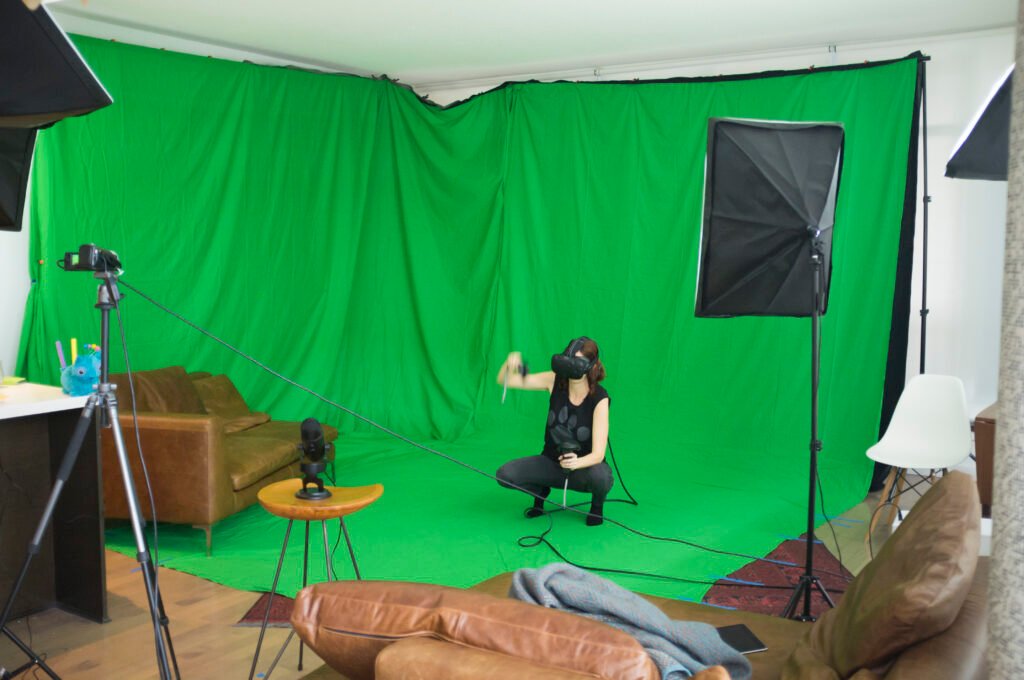
Compositing, the process of digitally combining multiple separately filmed or computer-generated image layers into one seamless final shot, underlies most modern visual effects work, letting filmmakers shoot actors against a green screen and later insert digitally created backgrounds, creatures, or environments around them. Specialized compositing software and the blue-screen and green-screen techniques that support it became standard industry tools well before CGI matured, and compositing remains essential even in heavily CGI-driven films to blend digital elements convincingly with any remaining practically filmed footage.
Recognition and the Academy Award
The Academy of Motion Picture Arts and Sciences has presented a dedicated Academy Award for visual effects since the 1930s, reflecting the film industry’s long-standing recognition of effects work as a distinct, highly skilled creative craft, and winners across the award’s history trace the field’s evolution from early practical and stop-motion techniques through the CGI-dominated effects work common in big-budget filmmaking today.
Previsualization and planning
Large effects-driven productions increasingly plan complex sequences through previsualization, building rough three-dimensional computer animation of an entire shot before filming begins, letting directors, cinematographers, and effects supervisors coordinate camera movement, stunts, and digital elements with far greater precision than earlier productions could achieve relying on storyboards and written plans alone.
Independent and streaming-era visual effects
Falling software costs and more accessible tools have let smaller studios and even individual artists produce visual effects once possible only at major studios, while the rise of streaming television has dramatically expanded demand for effects work beyond feature films, with many prestige television series now featuring effects sequences comparable in scale and complexity to a theatrical blockbuster.
Virtual production
Recent virtual production techniques project computer-generated backgrounds in real time onto large LED walls surrounding a physical set, letting actors and cinematographers see and react to a finished-looking digital environment directly during filming rather than imagining it against a blank green screen, a technique popularized by productions including the Star Wars series The Mandalorian.
FAQs
What is the difference between visual effects and special effects? The terms are often used loosely and interchangeably, but ‘special effects’ traditionally refers more specifically to effects created physically on set, such as explosions or mechanical rigs, while ‘visual effects’ more often refers to effects added or altered digitally after filming, though many productions use both terms to cover their entire effects work.
Why was Jurassic Park considered such an important visual effects milestone? It demonstrated that photorealistic computer-generated creatures could convincingly share the screen with physical animatronic models and live actors, proving CGI could achieve a level of believability that persuaded much of the film industry to invest heavily in digital effects going forward.
Key facts
- Star Wars (1977) set a new standard for practical/analog effects and led to the founding of Industrial Light & Magic
- Jurassic Park (1993) combined animatronics with early photorealistic CGI
- Avatar (2009) advanced photorealistic CGI and motion capture
- Most modern productions blend practical and digital effects rather than relying on only one
Related concepts
Quick checkWhat 1993 film is considered a landmark for combining animatronics with CGI?Show answer
Jurassic Park.
Sources
- StudioBinder, What are Special Effects in Movies
- MasterClass, Practical Effects in Film
- Storyboard That, Special Effects in Film
Editorially reviewed by Specialty Digest Editorial TeamLast reviewed November 1, 2026Researched and drafted with AI assistanceReport an issue