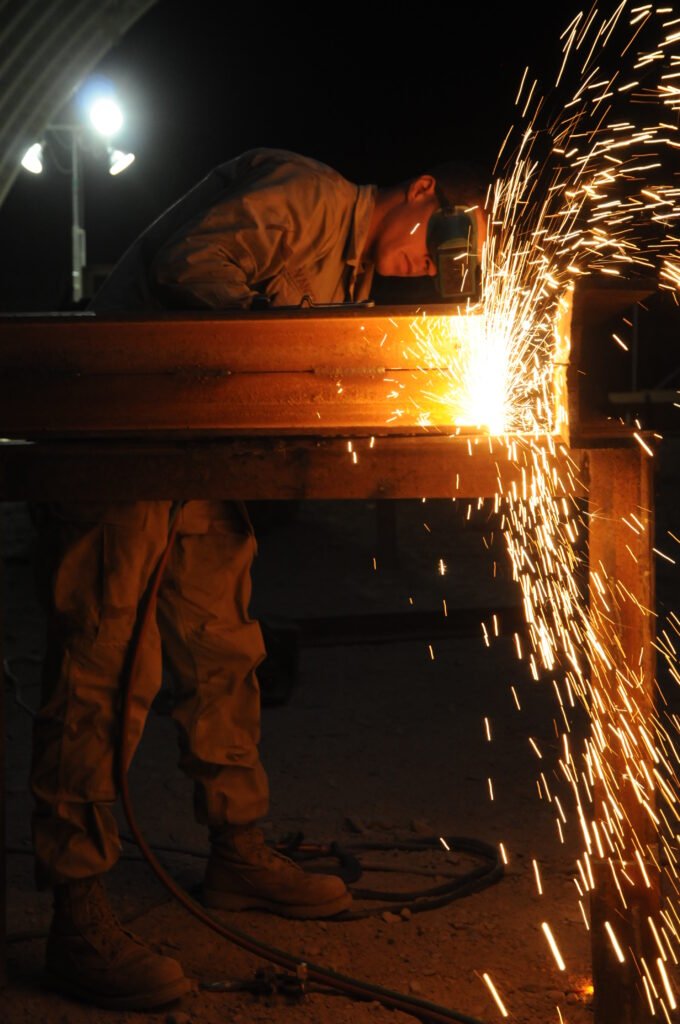
A fire watch is a temporary fire safety measure in which a specifically trained person patrols a building, area, or work site to detect fire hazards and respond promptly, typically implemented to compensate for a gap in normal automatic fire protection or to monitor activities that create elevated fire risk. Because a fire watch depends entirely on trained human attention rather than automated technology, personnel assigned to the duty carry significant responsibility during the period they are on watch.
n
Common Triggering Situations
n
Fire watches are frequently required when a building fire alarm system or automatic sprinkler system is taken out of service for testing, maintenance, or repair, since this removes the normal automatic layer of detection or suppression that occupants would otherwise rely on. During this period, code requirements typically mandate that a qualified person patrol the affected area at specified intervals, carrying communication equipment to summon the fire department immediately if a fire is discovered.
n
Hot Work Applications
n
Fire watches are also standard practice during hot work activities such as welding, cutting, and grinding, which produce sparks and heat capable of igniting nearby combustible materials, sometimes with a significant delay after the work itself has stopped. Personnel conducting a hot work fire watch are trained to clear or protect combustibles from the work area beforehand, monitor continuously during the work, and typically continue watching for a specified period, often thirty minutes or more, after work concludes to catch smoldering ignition before it can develop into an open fire.
n
Qualifications of Fire Watch Personnel
n
Personnel assigned to fire watch duty must be specifically trained to recognize the particular hazards present in the area they are monitoring, know the location and proper use of nearby fire extinguishers, and understand how to quickly summon the fire department if a fire develops beyond their ability to control with a portable extinguisher. Some jurisdictions require documented training or certification for fire watch personnel, particularly in high-hazard occupancies, reflecting the significant responsibility placed on an individual serving in this role.
n
Documentation Requirements
n
Fire watch duty is typically subject to documentation requirements, including logs recording patrol times, areas checked, and any hazards observed, which provide a record demonstrating compliance with code requirements and can prove valuable if questions arise later about conditions during the watch period. Facilities with frequent system impairments or ongoing hot work programs often develop standardized fire watch logs and checklists to ensure consistency in how the duty is performed and documented across different personnel and shifts.
n
Related Regulatory Context
n
Fire watch requirements are typically specified in fire codes and permit conditions, with authorities having jurisdiction often retaining the right to require a fire watch whenever they determine that normal fire protection has been meaningfully reduced, even in circumstances not explicitly listed in code. This discretionary authority reflects the recognition that fire risk can increase in many situations beyond the common examples of system impairment and hot work, requiring flexibility in how fire watch requirements are applied across different types of facilities and circumstances.
n
Balancing Cost and Safety
n
Because fire watch duty requires continuous human presence, often for extended periods, it represents a significant labor cost compared to automated fire protection systems, which creates practical pressure to restore impaired systems quickly rather than relying on fire watch indefinitely. Building owners and facility managers generally treat fire watch as a necessary but temporary compensating measure, prioritizing prompt repair of impaired systems both to restore normal protection and to avoid the ongoing cost and logistical burden of maintaining continuous fire watch coverage.
n
Looking Ahead
n
As fire protection systems become more complex and more buildings rely on integrated detection, suppression, and smoke control working together, the circumstances requiring a compensating fire watch during impairment are likely to remain common even as the systems themselves grow more reliable overall. Continued emphasis on clear policies, trained personnel, and thorough documentation helps ensure that fire watch duty reliably fills the protective gap it is meant to cover whenever normal systems are temporarily unavailable.
n
Fire Watch in High-Hazard Industries
n
Certain industries, such as petrochemical processing and shipbuilding, rely on fire watch duty extensively due to the frequent combination of flammable materials and routine hot work activities inherent to their operations. In these settings, fire watch personnel are often integrated into formal permit systems that require sign-off before hot work begins and continued presence verified throughout the work and the specified cool-down period afterward, reflecting the elevated consequences of a missed ignition in these high-hazard environments.
n
Communication Equipment and Response Readiness
n
Fire watch personnel are typically required to carry reliable means of summoning help, such as a radio or phone with direct access to emergency services, since the entire value of the watch depends on the ability to respond immediately if a fire is discovered. Facilities also often stage additional portable extinguishers or other immediate response equipment near the fire watch patrol route, further supporting the person on duty in addressing a small fire before it can grow beyond their ability to control it alone.
n
Closing Perspective
n
A well-run fire watch program, backed by clear training, documentation, and communication equipment, provides a dependable stopgap precisely during the periods when a building would otherwise be most vulnerable to an undetected or uncontrolled fire.
n
That dependability is exactly what makes fire watch duty, despite its simplicity, an indispensable part of comprehensive fire safety management.
n
Few measures offer this much protection relative to their modest cost and complexity.
n
It deserves the same careful attention given to any other critical fire safety function.
Key facts
- Array
Sources
- Array
Editorially reviewed by Specialty Digest Editorial TeamLast reviewed November 3, 2026Researched and drafted with AI assistanceReport an issue