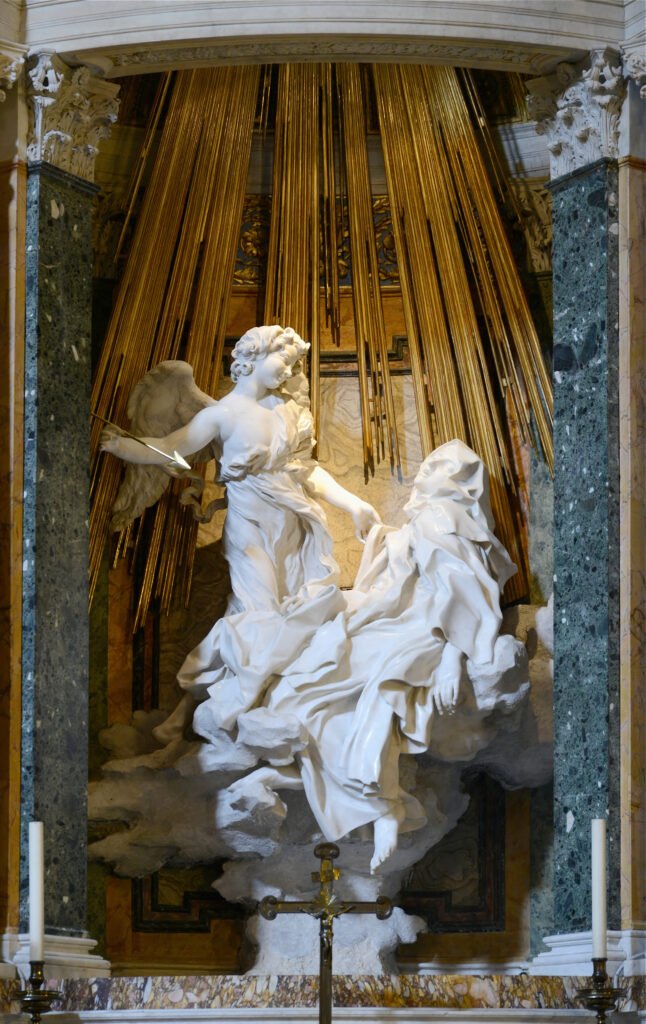
Baroque is the dramatic, highly ornamented style that dominated European art and architecture from roughly 1600 to the early eighteenth century, marked by intense movement, strong contrasts of light and shadow, and a theatrical sense of grandeur intended to overwhelm the viewer emotionally rather than simply please the eye. The style first took shape in
Baroque Read More »
A dramatic, highly ornamented European art and architecture style of roughly 1600 to the early 1700s, born in Counter-Reformation Rome.
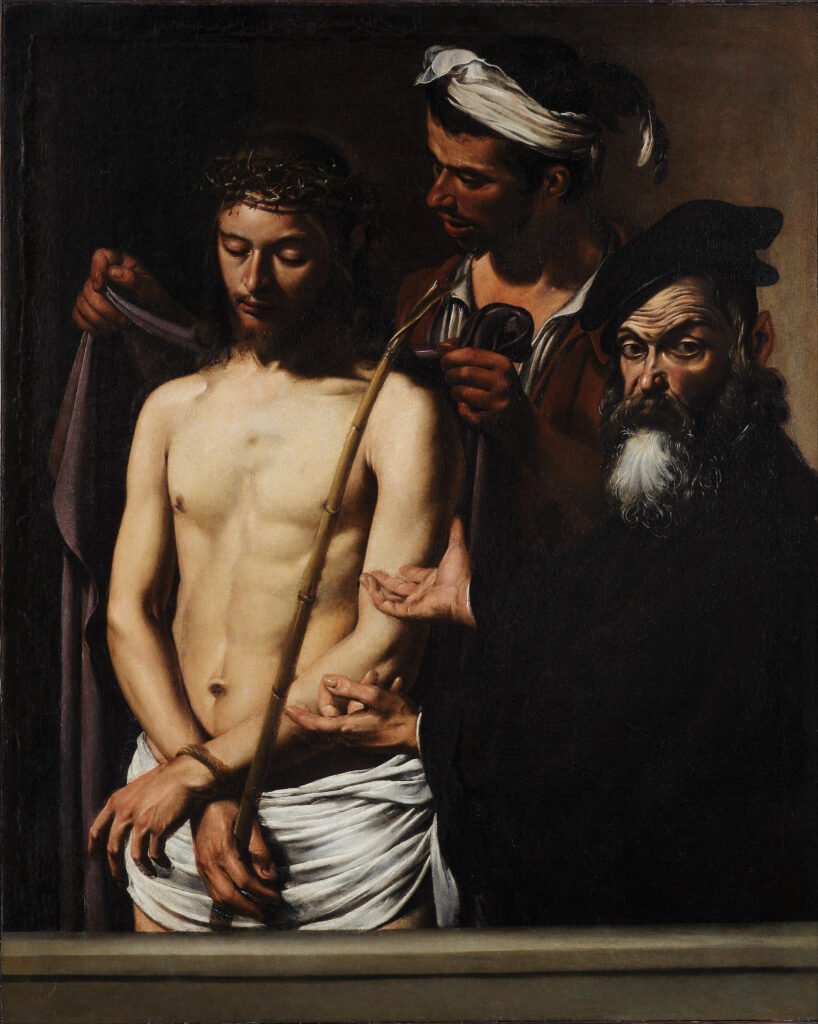
Chiaroscuro, from the Italian words for light and dark, refers to the use of strong contrast between light and shadow within a work of art, a technique artists use to create a sense of volume, drama, and three-dimensional form on a flat surface. Origins of the term The term originally described a specific type of
Chiaroscuro Read More »
The use of strong light-and-dark contrast in art to create a sense of volume and drama.
In simple terms Collage is an art technique built by assembling different materials, such as paper, fabric, photographs, or found objects, onto a surface, rather than painting or drawing an image entirely from scratch. [1] How it works An artist working in collage gathers existing materials, newspaper clippings, wallpaper, ticket stubs, photographs, and arranges and
Collage Read More »
Collage is an art technique built by assembling different materials, such as paper, fabric, photographs, or found objects, onto a surface, rather than painting or drawing an image entirely from scratch.
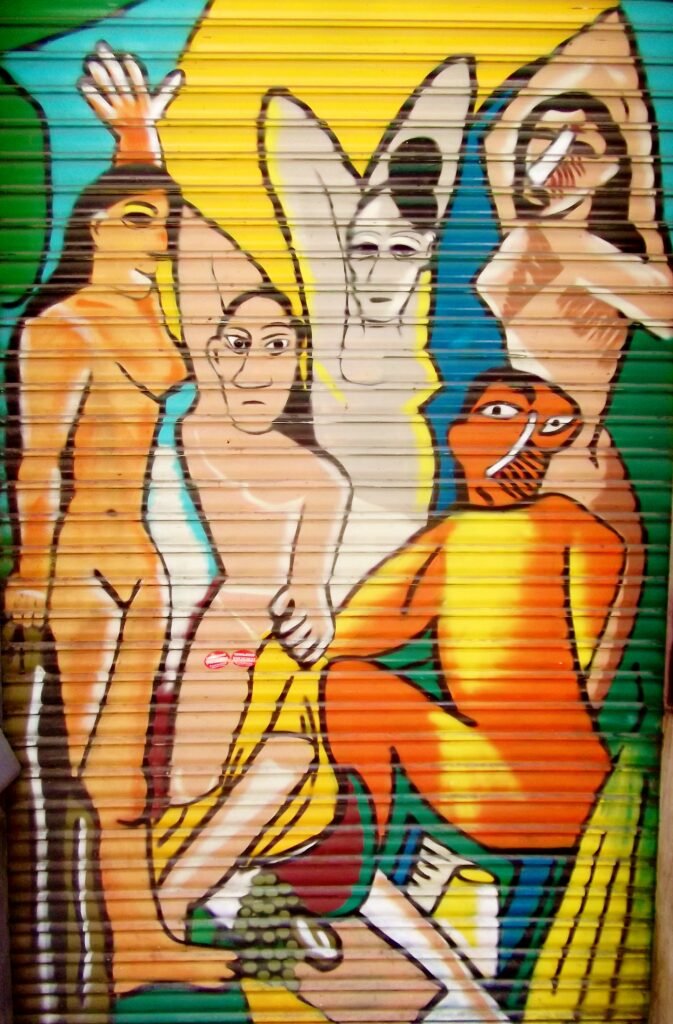
Cubism is an early twentieth-century art movement that broke objects and figures into fragmented geometric planes, often showing multiple viewpoints of the same subject simultaneously, rather than depicting a scene from a single, fixed vantage point the way centuries of Western painting tradition, built on linear perspective, generally had. Developed jointly by Pablo Picasso and
Cubism Read More »
An early 20th-century art movement, developed by Picasso and Braque, that fragments subjects into geometric planes and multiple viewpoints.
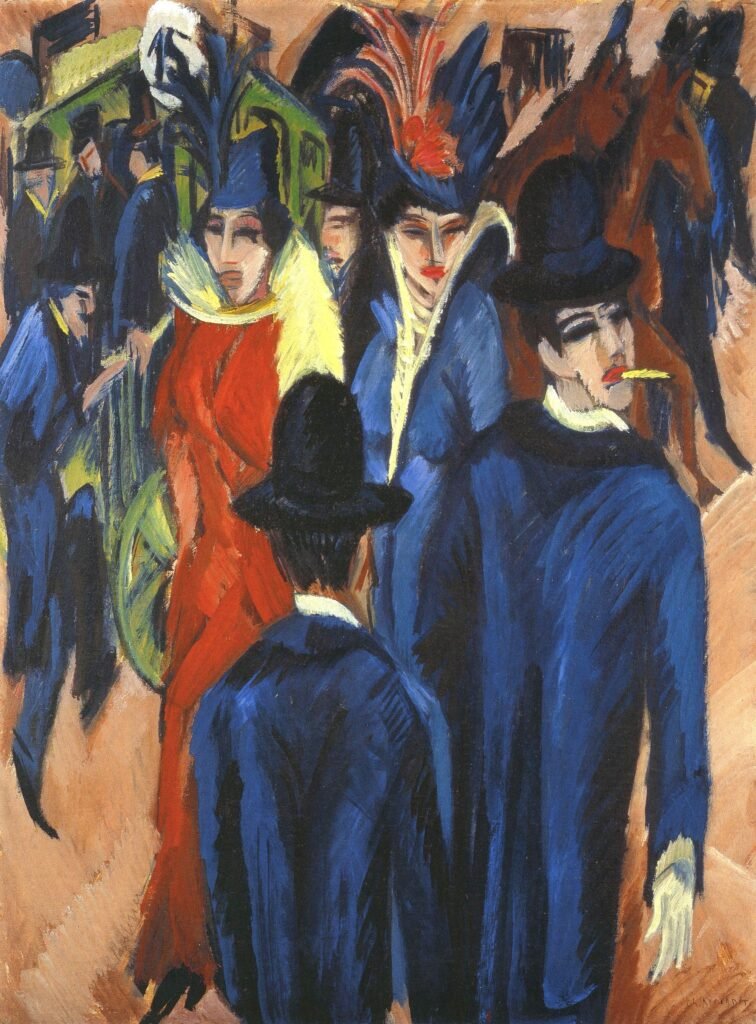
Expressionism is an early twentieth-century art movement, primarily centered in Germany, that emphasized subjective emotional experience over objective visual accuracy, often through distorted forms, simplified shapes, and intense, clashing color. Rather than aiming to depict the world as it objectively appears, Expressionist artists sought to convey how a scene or subject felt emotionally, frequently reflecting
Expressionism Read More »
An early 20th-century movement, centered in Germany, emphasizing subjective emotional experience through distorted form and intense color.
In simple terms Impressionism is a style of painting that emerged in France in the 1870s, known for capturing fleeting impressions of light and color with visible, often rapid brushstrokes rather than precise, highly detailed realism. [1] How it works Impressionist painters often worked outdoors, painting directly from the scene in front of them rather
Impressionism Read More »
Impressionism is a style of painting that emerged in France in the 1870s, known for capturing fleeting impressions of light and color with visible brushstrokes rather than precise detail.
In simple terms The Mona Lisa is a portrait painted by Leonardo da Vinci in the early 16th century, widely regarded as the single most famous painting in the world. [2] What it’s about Leonardo began the portrait around 1503, and evidence suggests he continued working on and refining it for years, possibly up until
Mona Lisa Read More »
The Mona Lisa is a portrait painted by Leonardo da Vinci in the early 16th century, widely regarded as the most famous painting in the world.
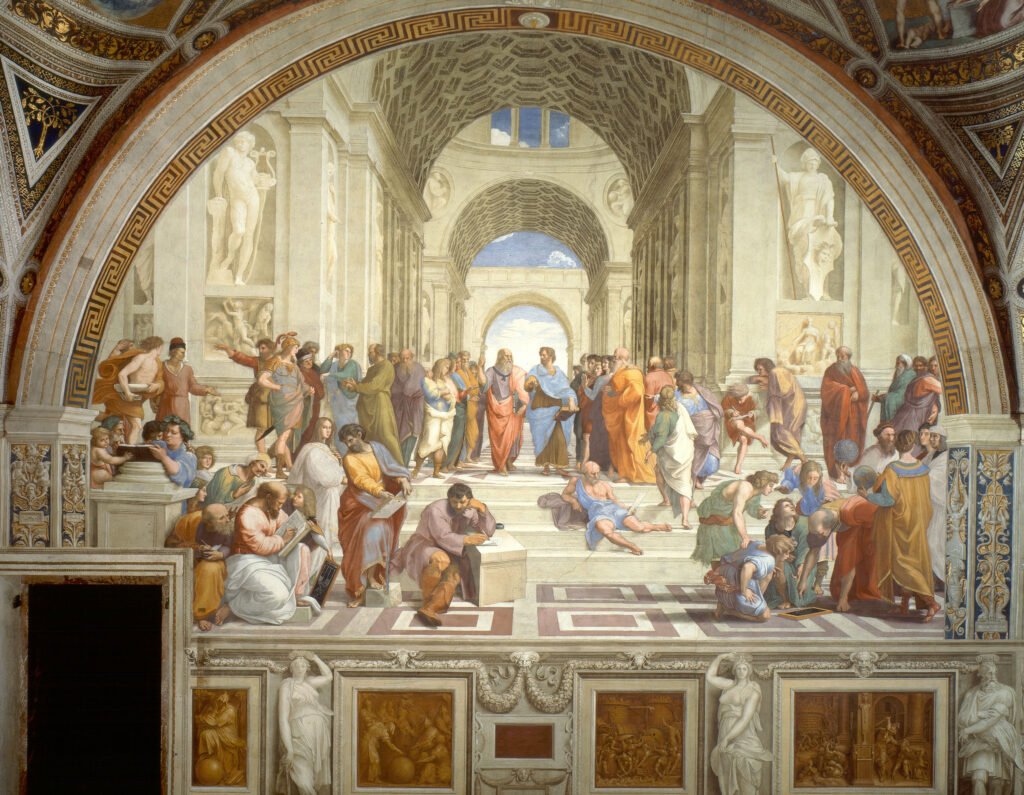
Perspective, in the visual arts, is a set of techniques for representing three-dimensional space and depth on a flat, two-dimensional surface, so that objects appear to recede into the distance the way they do to the human eye. The most influential version, linear perspective, uses converging lines and a vanishing point to create a convincing
Perspective (art) Read More »
Techniques for representing three-dimensional depth on a flat surface, systematized by Brunelleschi in Florence around 1420.
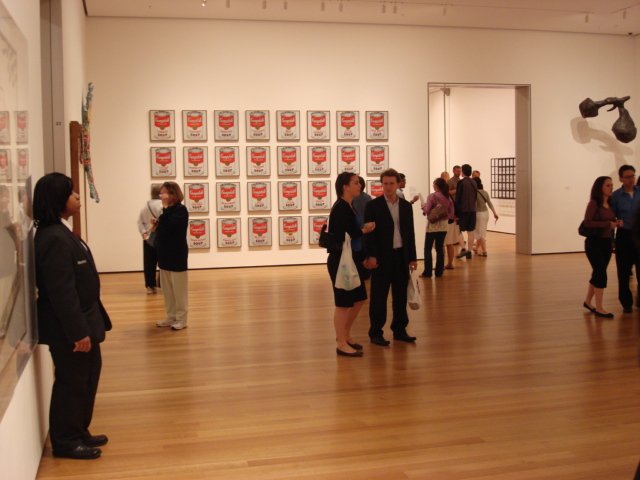
Pop art is an art movement that emerged in the mid-1950s and flourished through the 1960s, drawing its imagery directly from mass consumer culture, advertising, comic books, and celebrity, deliberately blurring the line between fine art and the commercial visual world that surrounded ordinary postwar life. British origins The movement’s first widely recognized milestone is
Pop art Read More »
A mid-1950s to 1960s art movement drawing its imagery from mass consumer culture, advertising, and celebrity.
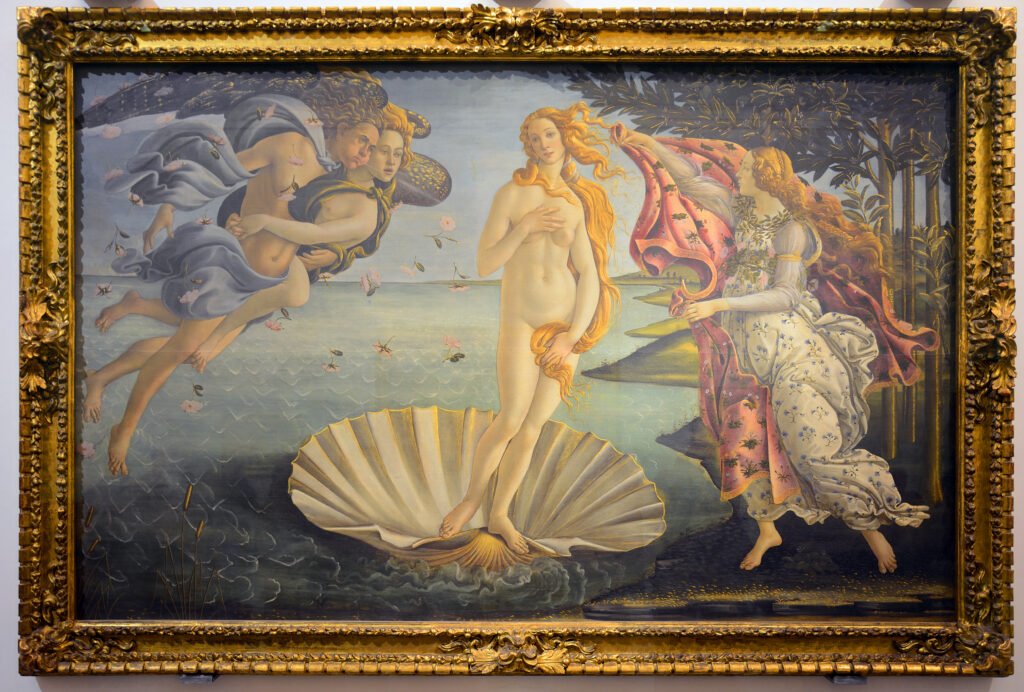
The Renaissance was a period of renewed interest in classical Greek and Roman learning, art, and culture that began in Italy in the fourteenth century and spread across Europe over the following three centuries, profoundly reshaping painting, sculpture, architecture, science, and intellectual life. The word itself means “rebirth” in French, reflecting how later historians framed
Renaissance Read More »
A rebirth of classical learning and art beginning in 14th-century Florence, producing Leonardo, Michelangelo and Raphael.