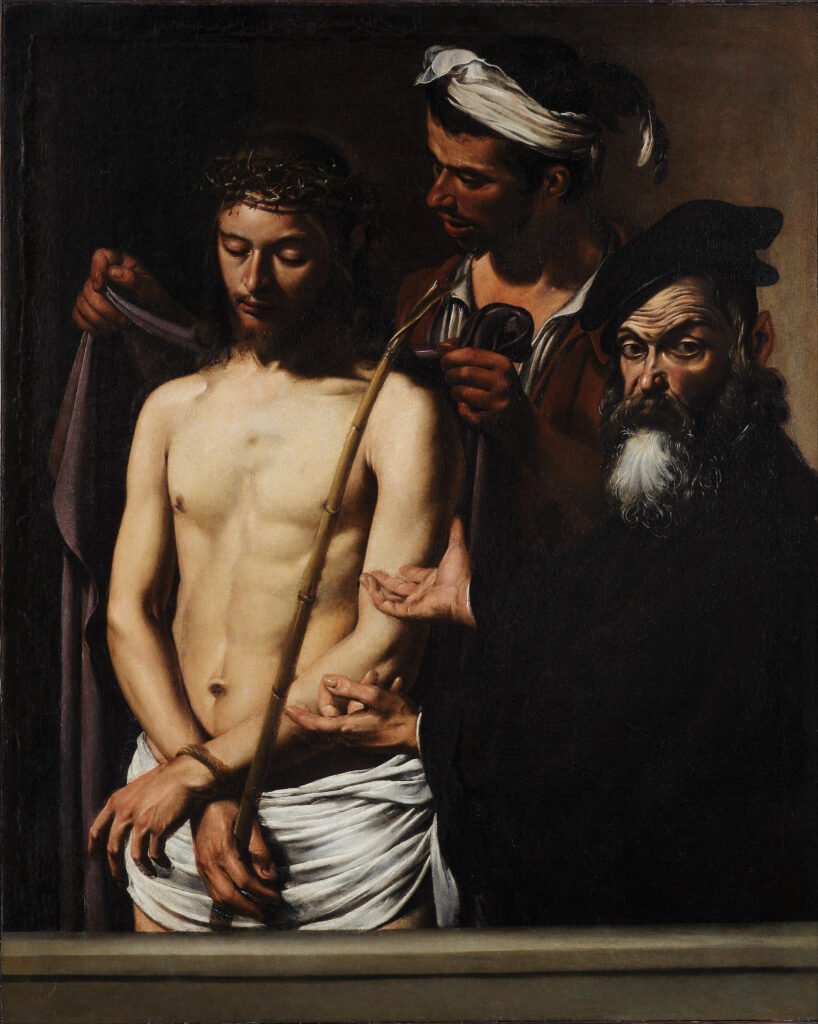
Chiaroscuro, from the Italian words for light and dark, refers to the use of strong contrast between light and shadow within a work of art, a technique artists use to create a sense of volume, drama, and three-dimensional form on a flat surface.
Origins of the term
The term originally described a specific type of Renaissance drawing made on colored paper, built up using white gouache highlights alongside ink or watercolor shadows, before its meaning broadened over time to describe any strong light-and-dark contrast within a painting or print. The underlying idea of using shadow to suggest volume traces back further still, to an ancient Greek technique called skiagraphia, or shadow-painting, traditionally credited to the fifth-century BC painter Apollodoros.
Renaissance development
Renaissance painters, including Leonardo da Vinci, developed chiaroscuro into a sophisticated tool for modeling the human form convincingly in two dimensions, using gradual, carefully controlled transitions between light and shadow to suggest rounded volume rather than flat outline.
Chiaroscuro woodcuts
Printmakers adapted chiaroscuro’s light-and-dark logic into a specialized multi-block color printing technique known as the chiaroscuro woodcut, which combined several separately carved blocks to imitate the layered tonal effect of a chiaroscuro drawing. German printmaker Lucas Cranach the Elder is generally credited with producing the first two-block versions around 1508 and 1509, with fellow German printmaker Hans Burgkmair soon following, though sixteenth-century writer Giorgio Vasari separately credited the Italian printmaker Ugo da Carpi, a disputed claim that continues to complicate the technique’s exact origin story.
Caravaggio and tenebrism
Italian painter Caravaggio pushed chiaroscuro to a deliberately extreme version known as tenebrism, plunging most of a composition into near-total darkness while illuminating his subject with a sharp, often unexplained beam of light, a technique that focused a viewer’s attention with unprecedented dramatic intensity. Caravaggio’s tenebrist approach directly influenced later painters, including Artemisia Gentileschi and Jusepe de Ribera, who adapted the technique’s dramatic focus to their own work across Italy and Spain.
Chiaroscuro in film
Twentieth-century filmmakers adapted chiaroscuro’s light-and-dark logic directly into cinematography, using extreme, high-contrast black-and-white lighting in films including The Cabinet of Dr. Caligari in 1920, Nosferatu in 1922, and Metropolis in 1927. This visual approach fed directly into the moody, shadow-heavy lighting style later associated with American film noir, and filmmakers have continued returning to chiaroscuro’s dramatic possibilities, including Stanley Kubrick’s deliberately candlelit interiors in his 1975 film Barry Lyndon.
Chiaroscuro and sfumato compared
Chiaroscuro is sometimes confused with sfumato, a related but distinct technique Leonardo da Vinci also used extensively, in which outlines and transitions between colors are softened and blurred rather than sharply contrasted; sfumato concerns how edges blend, while chiaroscuro specifically concerns the contrast between light and dark areas within a composition.
Rembrandt’s use of light
Dutch painter Rembrandt van Rijn became renowned for his own highly personal use of chiaroscuro, often illuminating a single face or hands emerging from a deeply shadowed background in portraits and biblical scenes, using light selectively to direct a viewer’s attention and suggest psychological depth rather than simply modeling physical form.
Chiaroscuro in printmaking beyond woodcuts
Beyond the specialized chiaroscuro woodcut, printmakers working in etching and engraving also drew on chiaroscuro principles, using dense cross-hatching and varied line weight to suggest the same strong light-and-dark contrast achievable with paint, extending the technique’s reach across nearly every major printmaking medium.
Teaching chiaroscuro today
Art schools continue teaching chiaroscuro as a foundational drawing and painting skill, often through still-life or figure studies lit from a single strong source, since understanding how light falls across a three-dimensional form remains essential to convincing representational art regardless of the specific style or medium a student eventually pursues.
Chiaroscuro and emotional tone
Beyond its technical role in suggesting volume, chiaroscuro carries a strong emotional and symbolic charge, since viewers tend to read darkness as mystery, danger, or solemnity and light as revelation or divine presence, meaning an artist’s specific choice of where to place light within a composition often communicates meaning well beyond simple visual description.
Later painters working in chiaroscuro’s tradition
Painters well after the Baroque era, including Spanish artist Francisco Goya in his later, darker work, continued drawing on chiaroscuro’s dramatic possibilities, demonstrating how durable the basic technique has remained across vastly different historical periods, styles, and subject matter.
Chiaroscuro and the art market
Paintings celebrated for especially skillful or dramatic use of chiaroscuro, including major works by Caravaggio and Rembrandt, remain among the most prized and closely studied objects in museum collections today, and conservators pay particularly close attention to varnish discoloration and past cleaning damage that can distort an artist’s originally intended balance of light and shadow.
Chiaroscuro in photography
Photographers, too, draw directly on chiaroscuro principles, using deliberate, often single-source lighting setups in portrait and still-life photography to achieve the same dramatic volume and emotional focus painters have pursued with the technique for centuries.
Chiaroscuro’s continued influence
Contemporary painters, illustrators, and concept artists continue drawing directly on chiaroscuro’s basic principles, confirming that a technique first named to describe Renaissance drawings remains just as useful for creating convincing form and mood five centuries later.
FAQs
What is the difference between chiaroscuro and tenebrism? Chiaroscuro broadly describes strong light-and-dark contrast used to suggest volume, while tenebrism, developed by Caravaggio, pushes that contrast to an extreme, plunging most of a composition into darkness lit by a single sharp source.
How did chiaroscuro influence filmmaking? Early twentieth-century filmmakers adapted its high-contrast light-and-shadow logic directly into black-and-white cinematography, shaping the visual style of German Expressionist cinema and, later, American film noir.
Key facts
- Originally described a type of Renaissance drawing on colored paper
- Leonardo da Vinci developed it for modeling the human form
- Caravaggio's extreme version is called tenebrism
- Influenced 20th-century film lighting, including German Expressionist cinema and film noir
Related concepts
Quick checkWhat is tenebrism?Show answer
Tenebrism is Caravaggio's extreme version of chiaroscuro, plunging most of a composition into darkness lit by a single sharp light source.
Sources
- Wikipedia, Chiaroscuro
- Britannica, Chiaroscuro
Editorially reviewed by Specialty Digest Editorial TeamLast reviewed November 1, 2026Researched and drafted with AI assistanceReport an issue