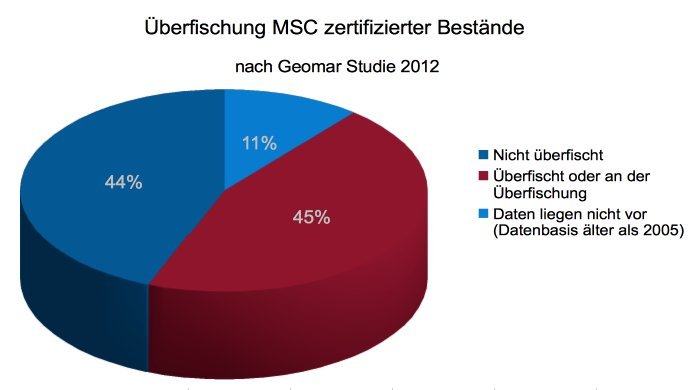
Sustainable fisheries are fishing operations and management systems designed to harvest fish and other seafood at rates that maintain healthy populations and ecosystems over the long term. The goal is to balance current economic and food needs against the biological limits of the species being caught, so that fishing can continue indefinitely without depleting the resource.
Core Principles
Sustainable fisheries management rests on keeping catch rates within a stock’s capacity to replace itself, minimizing damage to habitats and non-target species, and adapting quickly when scientific assessments show a population is declining. These principles are often formalized through reference points like maximum sustainable yield and precautionary catch limits.
Management Tools
Common tools include catch quotas set from stock assessments, size and gear restrictions that protect juvenile fish, seasonal or area closures during spawning periods, and limits on the number of fishing licenses issued. Many fisheries also use rights-based systems, such as individual transferable quotas, that give fishers a long-term stake in the health of the resource.
Certification and Market Pressure
Third-party certification programs, most notably the Marine Stewardship Council, assess fisheries against sustainability standards and allow certified seafood to carry a label that signals responsible sourcing to buyers. Retailers and restaurant chains increasingly commit to sourcing only from certified or well-managed fisheries, creating market incentives for improved practices.
Ecosystem-Based Management
Modern sustainable fisheries increasingly consider the broader marine ecosystem rather than managing each species in isolation, accounting for predator-prey relationships, habitat condition, and climate-driven shifts in species distribution. This ecosystem-based approach aims to prevent unintended consequences, such as depleting a forage fish species that larger predators depend on.
Persistent Challenges
Illegal, unreported, and unregulated fishing undermines sustainability efforts even where formal management is strong, and shared or migratory stocks require cooperation between multiple countries that do not always agree on allocation. Climate change is also shifting the distribution of many stocks, complicating assessments and management plans built around historical patterns.
Small-Scale and Community Fisheries
Sustainability principles apply differently in small-scale and artisanal fisheries, where formal quota systems are often impractical and community-based management, customary fishing rights, and locally enforced closures play a larger role in controlling effort. International guidelines increasingly recognize that securing the rights and livelihoods of small-scale fishers is itself part of building sustainable fisheries, since insecure access can push communities toward overexploitation.
Measuring Progress Over Time
The Food and Agriculture Organization periodically reports the global share of fish stocks that are fished within biologically sustainable limits, a figure that has declined gradually over recent decades even as individual regions and well-managed fisheries have shown strong improvement. This divergence highlights those that good governance, consistent enforcement, and investment in monitoring, rather than any single technique, are what ultimately separate sustainable fisheries from declining ones.
Consumer Guides and Labeling
Seafood sustainability guides published by conservation organizations rate species and fisheries using color-coded or letter-grade systems, helping shoppers and chefs choose seafood sourced from better-managed fisheries without needing to research each purchase individually. While these guides have raised public awareness considerably, critics note that ratings can vary between organizations and that supply chains are often complex enough that consumers cannot always verify where a particular piece of seafood actually originated.
Aquaculture as a Complement
Growth in sustainably managed aquaculture has helped ease pressure on some wild fisheries by supplying a growing share of global seafood demand without relying on wild stock harvest, though aquaculture introduces its own distinct sustainability considerations around feed sourcing, disease, and habitat impact. Many seafood sustainability frameworks now evaluate wild-caught and farmed seafood side by side, recognizing that a complete picture of sustainable seafood supply must account for both sources together.
Looking Ahead
Emerging approaches to sustainable fisheries increasingly combine traditional stock-based management with broader ocean health considerations, including pollution reduction, habitat restoration, and climate adaptation planning, reflecting a recognition that fish populations cannot be managed sustainably in isolation from the wider marine environment they inhabit. Continued investment in data collection, particularly for data-poor fisheries in developing regions, remains one of the most frequently cited priorities for extending sustainable management to the large share of global fish stocks that still lack formal assessment.
Role of Subsidies
Government subsidies that reduce fuel costs or support vessel construction have historically encouraged fishing capacity to grow beyond what many stocks can sustainably support, and reforming harmful subsidies is now widely regarded by economists and conservation organizations as an important complement to direct catch regulation. International trade negotiations have increasingly targeted subsidies linked to overfishing and illegal fishing specifically, reflecting growing consensus that economic incentives and biological management must align for sustainability efforts to succeed.
Measuring Consumer Impact
Studies tracking seafood purchasing behavior suggest that sustainability labeling and consumer education campaigns have shifted meaningful market share toward certified products in some wealthy-country markets, though uptake varies considerably by country and retail sector. Continued research into what actually influences seafood purchasing decisions remains an active area of study for both conservation groups and the seafood industry.
Taken together, these efforts show that sustainable fisheries depend on a combination of sound science, enforceable rules, market incentives, and genuine cooperation among governments, industry, and the communities who depend on healthy oceans.
Looking across all of these efforts together, sustainable fisheries management is best understood as an ongoing process of adjustment rather than a fixed destination that any single fishery permanently achieves once and for all.
Readers tracking a specific fishery’s progress can usually find current sustainability status through the certification bodies and government agencies responsible for that stock, since assessments and ratings are updated on a recurring cycle rather than issued once and left unchanged.
Key facts
- Keeps catch within a population's capacity to replenish itself.|Uses quotas, gear rules, and closures as management tools.|Certification programs like MSC signal responsible sourcing.|Faces challenges from illegal fishing and climate shifts.
Quick checkWhat distinguishes a sustainable fishery from an unsustainable one?Show answer
A sustainable fishery keeps harvest rates within the population's ability to replace itself, while an unsustainable one depletes the stock over time.
Sources
- Marine Stewardship Council; FAO Fisheries and Aquaculture Department
Editorially reviewed by Specialty Digest Editorial TeamLast reviewed November 3, 2026Researched and drafted with AI assistanceReport an issue