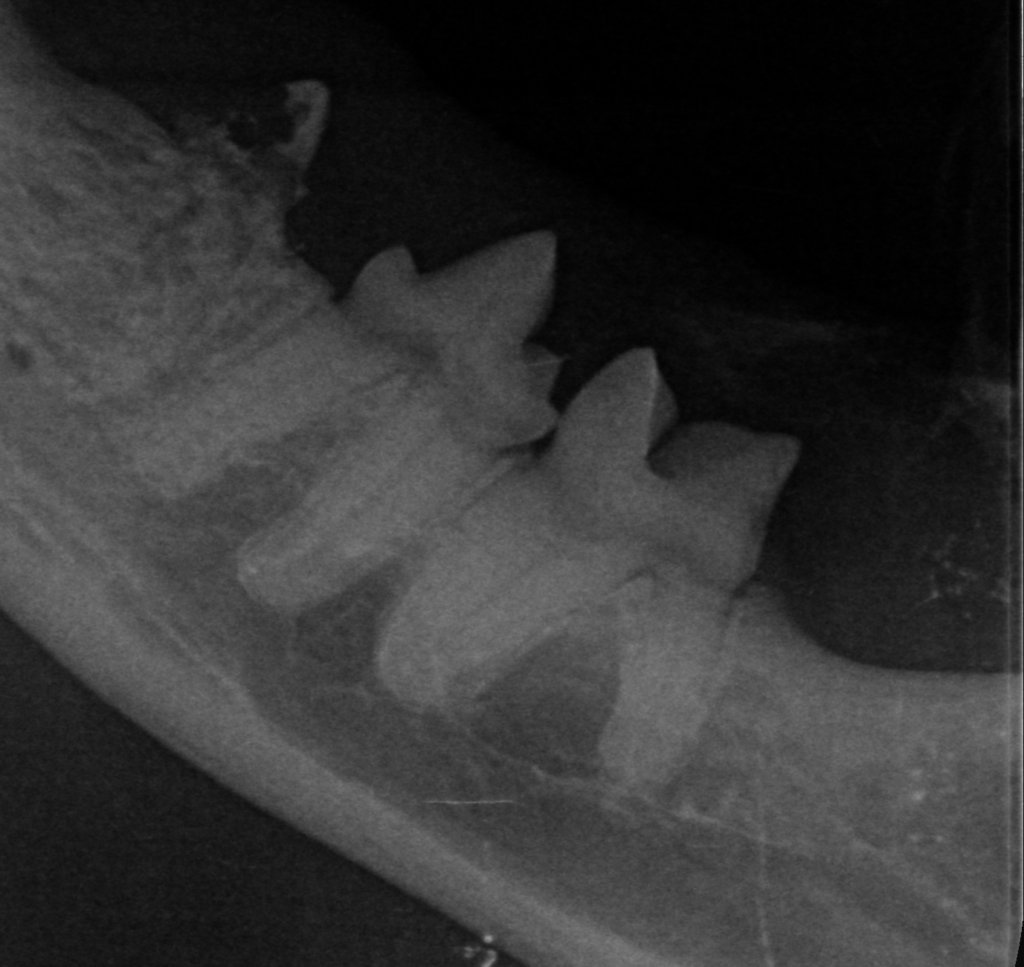
The Prevalence of Periodontal Disease
Periodontal disease, inflammation and infection of the tissues supporting the teeth, affects a very large proportion of adult dogs and cats to some degree, making it among the most common conditions veterinarians encounter in companion animal practice, yet one that often goes unnoticed by owners since animals rarely show obvious outward signs of dental pain until disease has progressed significantly. Left untreated, periodontal disease can lead to tooth loss, chronic pain, and in some cases contribute to broader systemic health problems, which has driven growing emphasis on preventive dental care, including at-home tooth brushing and regular professional cleanings, within general veterinary practice.
Anesthesia Requirements for Dental Procedures
Unlike human dental cleanings performed on a cooperative, conscious patient, veterinary dental cleanings require general anesthesia to allow thorough cleaning below the gum line, dental radiographs to assess root and bone health, and safe examination of the full mouth without risk of injury to the patient or staff from an understandably uncooperative animal. This anesthesia requirement adds cost and risk considerations absent from human dental care, factors that some owners weigh when deciding how frequently to pursue professional dental cleanings for their pets.
Species-Specific Dental Anatomy
Dental care needs vary dramatically across species: horses have teeth that continuously erupt and wear throughout much of their lives, requiring regular floating, a filing procedure that corrects uneven wear patterns, while rabbits and rodents have continuously growing teeth that can develop serious overgrowth problems if diet or genetics prevent adequate natural wear. These species-specific anatomical differences mean veterinary dentistry cannot apply a single standard approach across all patients, requiring practitioners treating varied species to understand each one’s distinct dental physiology and common pathology.
Oral Tumors and Surgical Treatment
Beyond routine periodontal disease, veterinary dentistry also addresses oral tumors, which can range from relatively benign growths to aggressive malignancies requiring extensive surgical removal, sometimes including partial jaw removal, to achieve adequate margins and prevent recurrence. Early detection of oral masses during routine dental examinations and professional cleanings has become an important secondary benefit of regular preventive dental care, since owners themselves often do not notice oral tumors until they have grown large enough to cause visible symptoms.
Anesthetic-Free Dentistry Controversy
Some non-veterinary providers offer anesthesia-free dental cleanings, cosmetically scaling visible tooth surfaces without sedation, a practice that veterinary dental organizations have strongly criticized as providing a false sense of dental health while missing the subgingival disease, below the gumline, that causes most clinically significant periodontal damage and cannot be safely assessed or treated without anesthesia. This controversy has prompted several veterinary regulatory bodies to restrict or ban non-veterinary anesthesia-free dental procedures, arguing that the cosmetic improvement offered creates misleading reassurance about an animal’s actual oral health status.
Orthodontic concerns, including malocclusion where teeth do not align properly, occur in companion animals much as in humans, though veterinary orthodontic treatment is typically pursued only when misalignment causes functional problems or pain rather than for purely cosmetic reasons.
Veterinary dental radiography has become essential standard practice, since a large proportion of clinically significant dental pathology occurs below the gumline and is entirely invisible to direct visual examination alone, meaning a cleaning performed without accompanying dental X-rays risks missing serious underlying disease.
Specialty veterinary dentists increasingly offer advanced procedures such as root canal therapy and crown restoration for working and service dogs whose teeth have been damaged, extending options beyond simple extraction for teeth with significant functional value to the animal.
Pet insurance coverage for dental procedures varies considerably between policies, with some explicitly excluding dental coverage or limiting it to accident-related dental injury rather than disease-related treatment, a distinction owners should understand before relying on insurance to offset dental care costs.
Breed-specific dental predispositions, such as the crowded dentition common in small and toy breed dogs, inform individualized preventive care recommendations and earlier intervention timing for breeds known to be at elevated risk of early dental disease.
Preventive dental diets and chew products marketed for oral health vary considerably in actual effectiveness, prompting veterinary dental organizations to publish approved product lists based on documented evidence of plaque and tartar reduction.
Oral examination under anesthesia often reveals pathology missed during a brief awake exam, reinforcing why veterinary dental organizations recommend periodic anesthetized assessment even for patients without obvious visible dental problems.
Pediatric dental considerations in young animals, including monitoring for retained baby teeth that fail to fall out naturally, require veterinarians to watch for problems that could affect proper adult tooth alignment later in development.
Jaw fracture repair following trauma requires careful attention to dental occlusion during healing, ensuring the bite alignment that results from fracture repair remains functional for normal eating.
Follow-up recheck examinations after dental procedures help confirm proper healing and catch any developing complications before they progress into more serious problems.
Client financial counseling regarding dental treatment cost options, including staged treatment plans, helps owners make informed decisions when facing significant dental procedure expenses.
Digital patient education tools showing dental disease progression have improved owner understanding of why early intervention matters for long-term oral health outcomes.
Veterinary dental specialty referral networks have grown in availability, giving general practitioners more options when a case exceeds their comfort level or equipment capability.
Home dental care compliance tracking helps veterinary teams identify which preventive recommendations owners are actually following between visits.
Veterinary dental hygienists, where credentialed, extend cleaning and preventive care capacity under the supervision of a licensed veterinarian.
Veterinary dental care remains an evolving field as new techniques continue to emerge.
Key facts
- Array
Quick checkWhy do veterinary dental cleanings typically require general anesthesia, unlike human dental cleanings?Show answer
Animals cannot be asked to hold still, open their mouths on command, or tolerate dental instruments and X-rays while conscious, so general anesthesia allows a thorough, safe cleaning and examination that would otherwise be impossible.
Sources
- Array
Editorially reviewed by Specialty Digest Editorial TeamLast reviewed November 4, 2026Researched and drafted with AI assistanceReport an issue