World War I was not caused by a single assassination — it was caused by a continent already primed for war, where that assassination supplied the trigger. Historians generally point to four underlying forces — alliances, militarism, imperialism and nationalism — that turned one regional killing into a war that pulled in most of the world.
Why the assassination alone doesn’t explain it
On June 28, 1914, Archduke Franz Ferdinand, heir to the Austro-Hungarian throne, was shot and killed alongside his wife, Sophie, in Sarajevo by Gavrilo Princip, a 19-year-old Bosnian Serb nationalist linked to a group seeking to free Bosnia from Austro-Hungarian rule. A month later, on July 28, Austria-Hungary declared war on Serbia, which it blamed for harboring the plot. On its own, that declaration should have stayed a regional dispute between two countries, the kind Europe had absorbed before without a general war. It didn’t, because of the machinery already built around it.
How the alliance system turned one dispute into a world war
By 1914, Europe’s major powers had locked themselves into an alliance system — a web of treaties in which each country promised to fight alongside its partners if one of them were attacked. The idea was deterrence: no one would dare start a war they knew would drag in half the continent. In practice, it meant the opposite. When Russia mobilized to defend Serbia, a fellow Slavic nation, Germany — allied with Austria-Hungary — declared war on Russia and then on France, Russia’s ally. Germany’s invasion of Belgium to reach France then pulled in Britain, which had guaranteed Belgian neutrality. Within about a week, a quarrel between two countries had become a war between most of Europe, because every treaty designed to prevent that exact outcome instead guaranteed it.
The role of militarism and the mobilization trap
The decades before 1914 saw an unprecedented arms race among the major powers: bigger standing armies, competing battleship fleets, and military planning built around rigid, railway-timetabled mobilization schedules. This buildup, known as militarism, meant that once a country began calling up its troops, its own generals treated stopping as more dangerous than continuing — a half-mobilized army looked defenseless, not cautious. That logic pushed several governments toward war even as some of their leaders still hoped, in the war’s final days, to find a way out.
Imperialism and nationalism supplied the motive
Underneath the treaties and the troop trains were older grievances. European powers had spent decades competing for colonies, resources and prestige, and officials on several sides believed a short, decisive war would settle old scores and cement their nation’s standing — a miscalculation, since none of them expected the war that actually followed. Nationalism, the belief that one’s own nation’s interests and identity override other loyalties, cut in multiple directions at once: France still resented its territorial losses from the 1870–71 Franco-Prussian War, while Slavic nationalism in the Balkans, championed by Serbia, directly threatened the cohesion of the multi-ethnic Austro-Hungarian Empire. These weren’t background color; they were the reason enough governments were willing to risk a general war over a regional assassination in the first place.
What this means for how the war is remembered
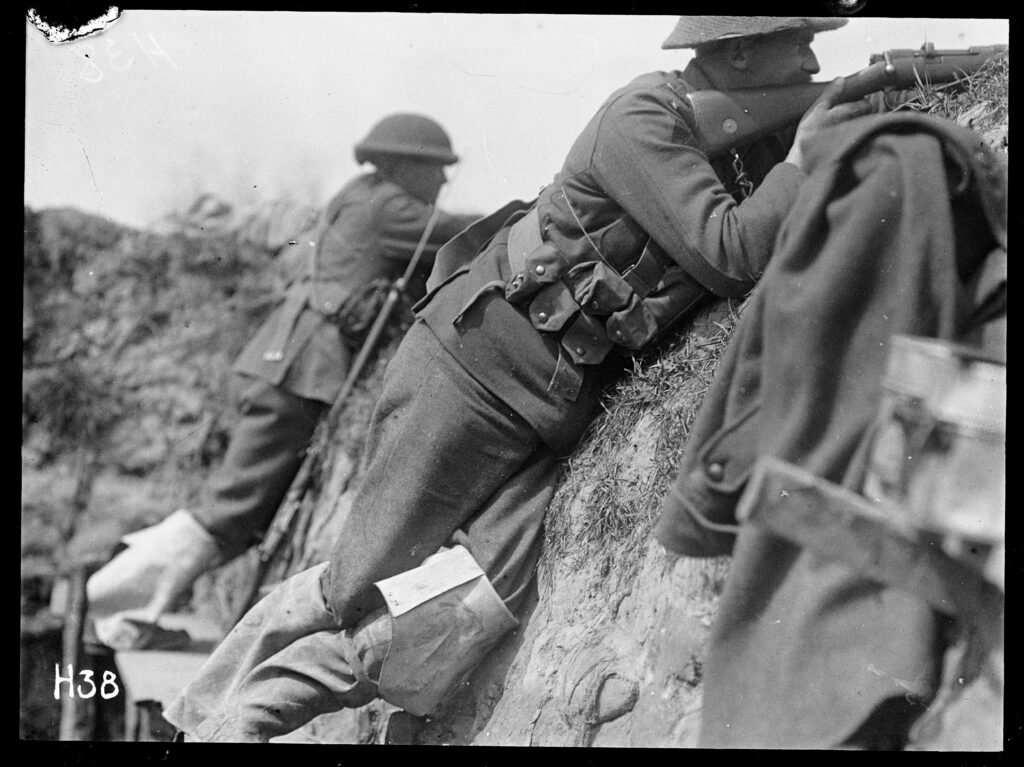
Most governments that summer expected a short war, over by Christmas. Instead, the same alliances and militarism that dragged Europe into the conflict made it brutally hard to end, locking millions of soldiers into four more years of trench warfare. The assassination explains the timing of World War I. The alliance system, the arms race, and the imperial and nationalist rivalries underneath them explain why a single killing in Sarajevo was able to become a war that reshaped the twentieth century.