Specialty Digest

DISCOVER IDEAS THAT SHAPE OUR WORLD

Section

Society

The latest Specialty Digest coverage in Society.

Society

Business
World in a Day cover, Sunday, September 20, 2026

World in a Day: Sunday, September 20, 2026

WORLD IN A DAY · SUNDAY, SEPTEMBER 20, 2026 A missile aimed at Saudi Arabia’s capital was intercepted before dawn, and Japan’s central bank pushed interest rates to a 31-year high only to watch the yen fall anyway. Security researchers, meanwhile, showed that an AI model can now help write the exploit code for a

World in a Day: Sunday, September 20, 2026 Read More »

Entrepreneurship
World in a Day cover, Wednesday, September 16, 2026

World in a Day: Wednesday, September 16, 2026

WORLD IN A DAY · WEDNESDAY, SEPTEMBER 16, 2026 Six stories worth five minutes: Sweden’s knife-edge election leaves two blocs doing coalition math, a Pentagon audit puts a dollar figure on what the Iran war has cost America’s own arsenal, and Yemen’s Houthis add a second squeeze to an oil market already strained by that

World in a Day: Wednesday, September 16, 2026 Read More »

Business
World in a Day cover, Tuesday, September 15, 2026

World in a Day: Tuesday, September 15, 2026

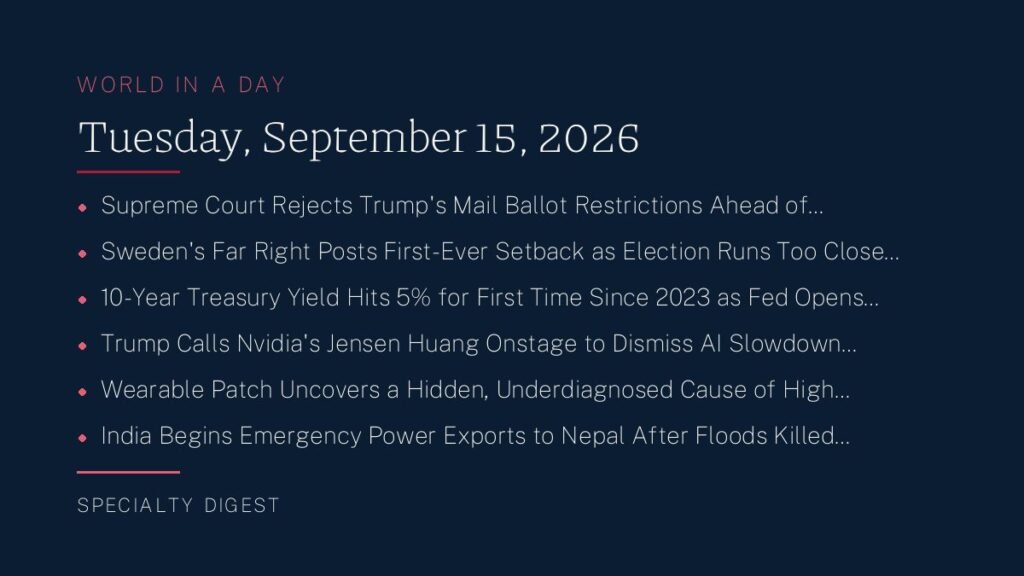
WORLD IN A DAY · TUESDAY, SEPTEMBER 15, 2026 Election rules were tested on two continents today, in a Supreme Court order protecting mail ballots and a Swedish vote too close to call, while a bond market milestone last sustained before the 2008 financial crisis reminded investors how much the ground has shifted. SOCIETY Supreme

World in a Day: Tuesday, September 15, 2026 Read More »

Society

Why Do Election Polls Get It Wrong?

Election polls get it wrong mainly because of who answers them, not because of sampling. The margin of error printed under a result covers only the randomness of drawing a sample — it says nothing about the much larger problem of systematic differences between the people who respond and the people who don’t. The 2020

Why Do Election Polls Get It Wrong? Read More »

The 2020 polls missed by the widest margin in 40 years. The investigation ruled out nearly every popular explanation, including the shy voter.

Society

Do Economic Sanctions Actually Work?

Economic sanctions work roughly a third of the time. The largest systematic study, covering 174 cases, judged sanctions at least partially successful in about 34 percent of episodes — but whether that counts as “working” depends heavily on what the sanctions were trying to achieve, because the success rate varies enormously by goal. The honest

Do Economic Sanctions Actually Work? Read More »

About a third of the time, and the averages hide the useful part: sanctions are far better at small asks than large ones, and the long ones rarely work.

Business
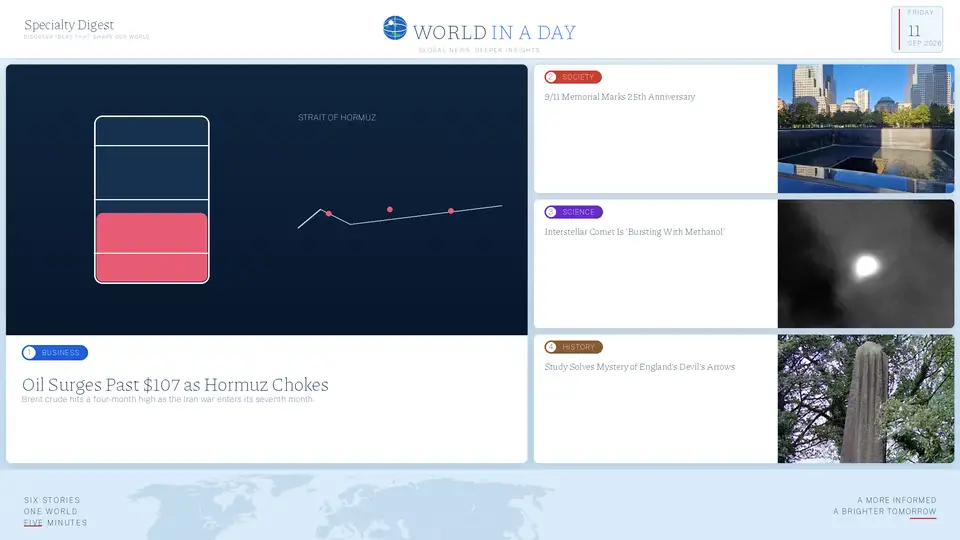
world in a day — september 11, 2026 cover

World in a Day: Friday, September 11, 2026

WORLD IN A DAY · FRIDAY, SEPTEMBER 11, 2026 Twenty-five years after the September 11 attacks, a months-long war between the US and Iran is now the thing setting fuel prices worldwide, while researchers this week found answers by looking back four thousand years and out toward another star system. BUSINESS Brent Crude Tops $107

World in a Day: Friday, September 11, 2026 Read More »

Health
Four-panel infographic titled The Quiet Risk in the Backyard, showing Salmonella transmission from backyard poultry to households.

Your Backyard Chickens Look Healthy—So Where Is the Danger Hiding?

Backyard poultry can bring fresh eggs, income, food security and a valuable connection with nature. For children, raising chickens or ducks can also teach responsibility and respect for animals. But a bird does not have to look sick to carry dangerous bacteria. Chickens, ducks and other poultry can harbour Salmonella while appearing active, healthy and

Your Backyard Chickens Look Healthy—So Where Is the Danger Hiding? Read More »

The invisible route through which apparently healthy poultry can expose families to Salmonella—and the simple habits that interrupt it

Society
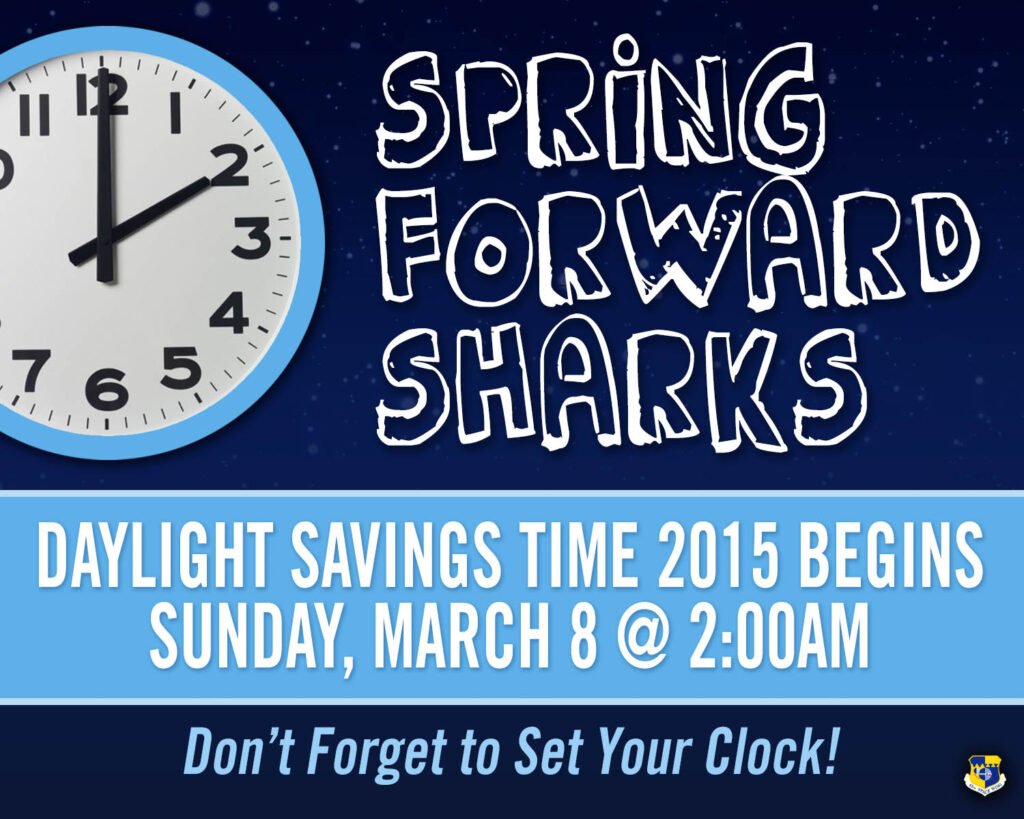
A clock being adjusted for daylight saving time, the twice-yearly practice of shifting clocks forward or back an hour

What Is Daylight Saving Time, and Why Do We Still Use It?

Daylight saving time is the practice of shifting clocks forward by one hour in spring and back by one hour in fall, moving an hour of daylight from the early morning to the evening during the warmer months. It has stuck around for more than a century largely for bureaucratic reasons rather than logical ones

What Is Daylight Saving Time, and Why Do We Still Use It? Read More »

A century-old wartime measure still governs when Americans lose and gain an hour of sleep each year. Here is where it came from, and why it hasn't gone away.

Society
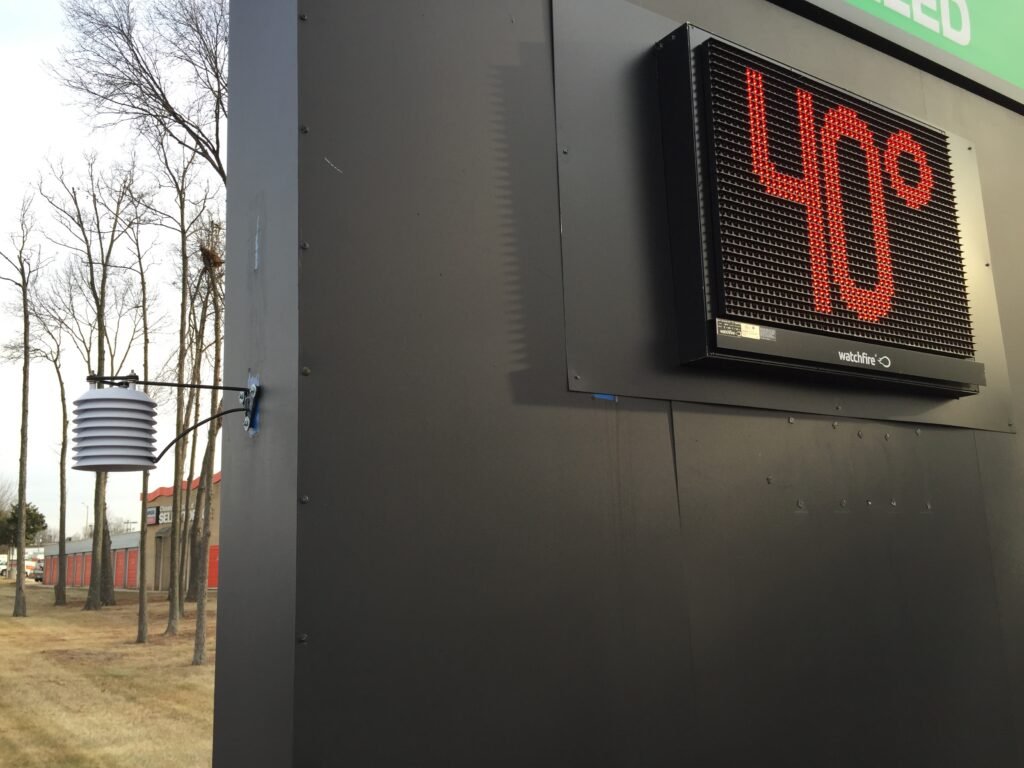
Outdoor thermometer displaying temperature in Fahrenheit, the temperature scale still used across the United States

Why Do Some Countries Use Fahrenheit Instead of Celsius?

The United States still uses Fahrenheit instead of Celsius mainly because of timing and cost, not any technical advantage: Fahrenheit was already deeply embedded in American life by the time the rest of the world standardized on the metric system, and a 1975 law meant to switch the country over made the change voluntary rather

Why Do Some Countries Use Fahrenheit Instead of Celsius? Read More »

Nearly every country switched to Celsius decades ago. Here is why the United States never finished the job, and what it would take to change that now.