Specialty Digest

DISCOVER IDEAS THAT SHAPE OUR WORLD

Section

Society

The latest Specialty Digest coverage in Society.

Society

Society
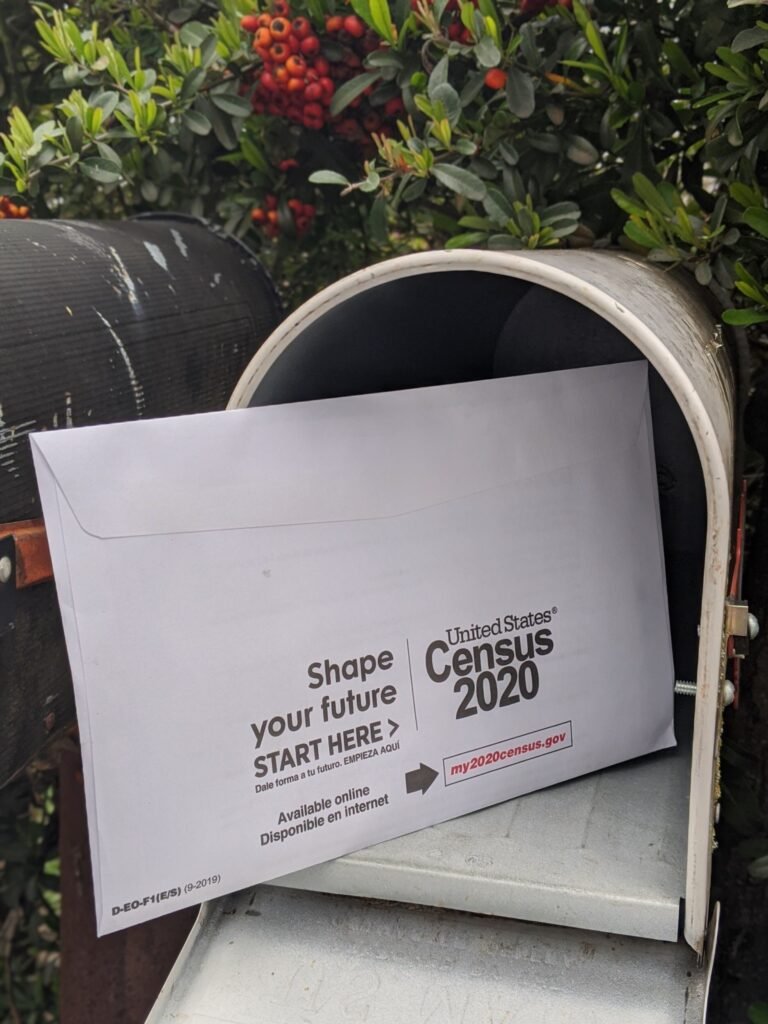
Official 2020 United States Census mail envelope sent to households as part of the decennial census count

How Does the U.S. Census Actually Work?

The U.S. census works by counting every person living in the country on a single day, at their actual address, once every ten years — a process required by the Constitution, not just a data-collection habit the government picked up along the way. The 2020 census counted roughly 331 million people; the next count arrives
How Does the U.S. Census Actually Work? Read More »

The Constitution requires a count of every U.S. resident every ten years, and here is how it actually happens, and why the results shape Congress, redistricting, and federal funding.

Society
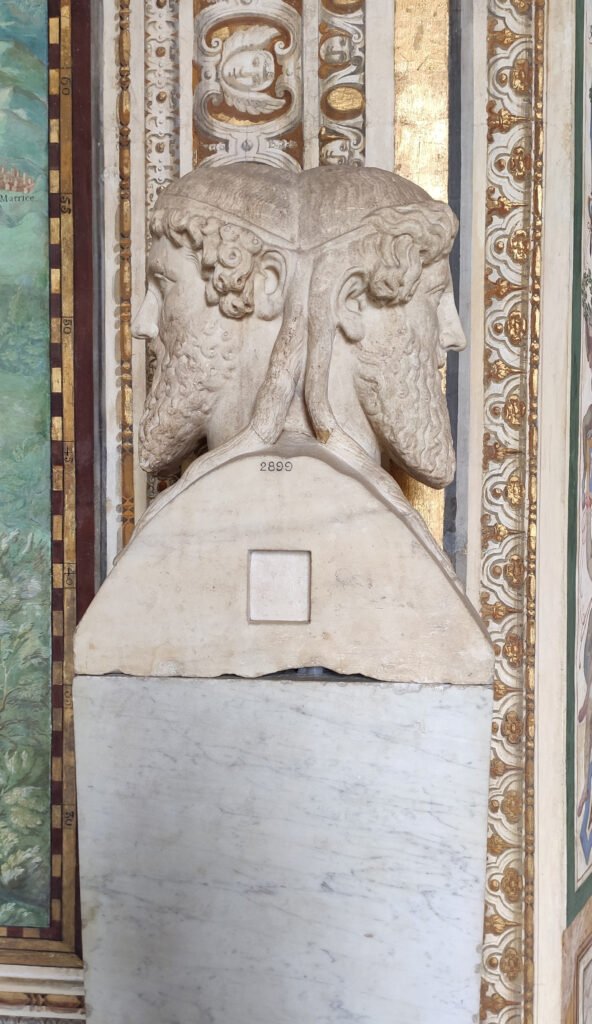
A bust of Janus, the two-faced Roman god of beginnings and doorways, for whom January is named.

Why Do We Celebrate New Year’s on January 1?

January 1 isn’t a fixed point of astronomy the way a solstice or equinox is — there’s no natural reason the year has to start there. It’s the product of a Roman political calendar decision, a religious dedication to a two-faced god, and a centuries-long tug-of-war between the Catholic Church and Europe’s Protestant and Orthodox

Why Do We Celebrate New Year’s on January 1? Read More »

January 1 is not an astronomical fact. It is a Roman consul's scheduling decision that the world eventually agreed to keep.

Society
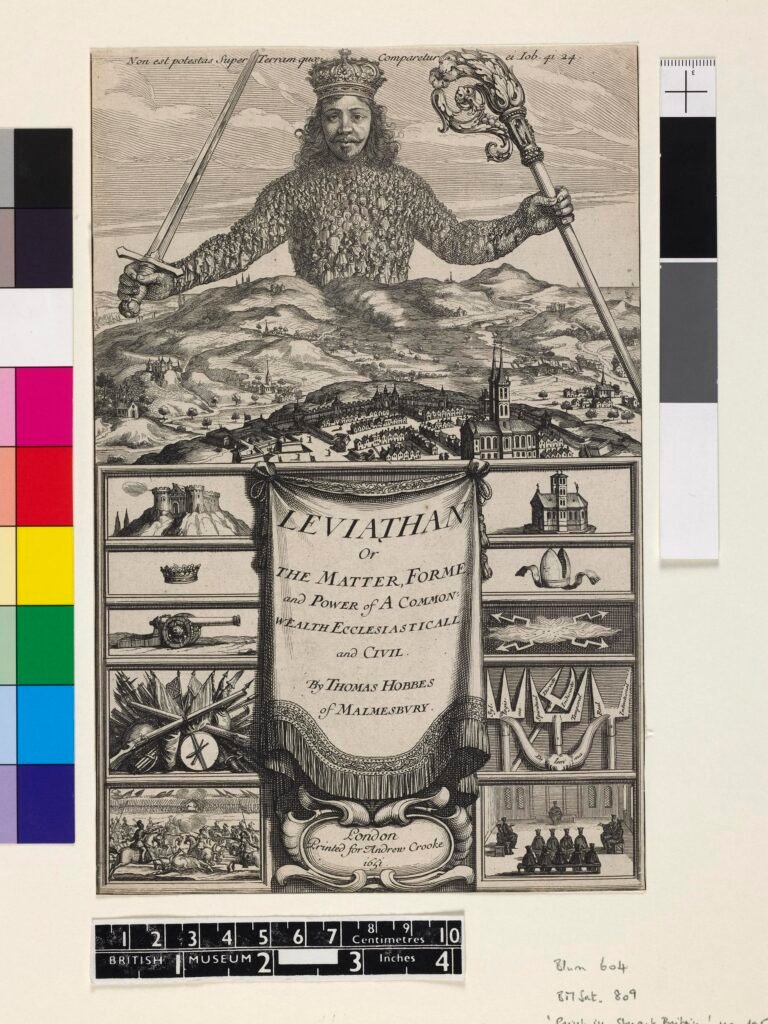
The 1651 frontispiece of Thomas Hobbes's Leviathan, a foundational text of social contract theory.

What Is the Social Contract?

The social contract is the idea that a government’s authority is legitimate only because the people it governs have, in some meaningful sense, agreed to it — trading away part of their individual freedom in exchange for the protection and order that organized society provides. Nobody ever signed an actual document; it’s a centuries-old concept

What Is the Social Contract? Read More »

Nobody signed it, but Hobbes, Locke, and Rousseau all thought it was the reason government has any authority over you at all.

Society
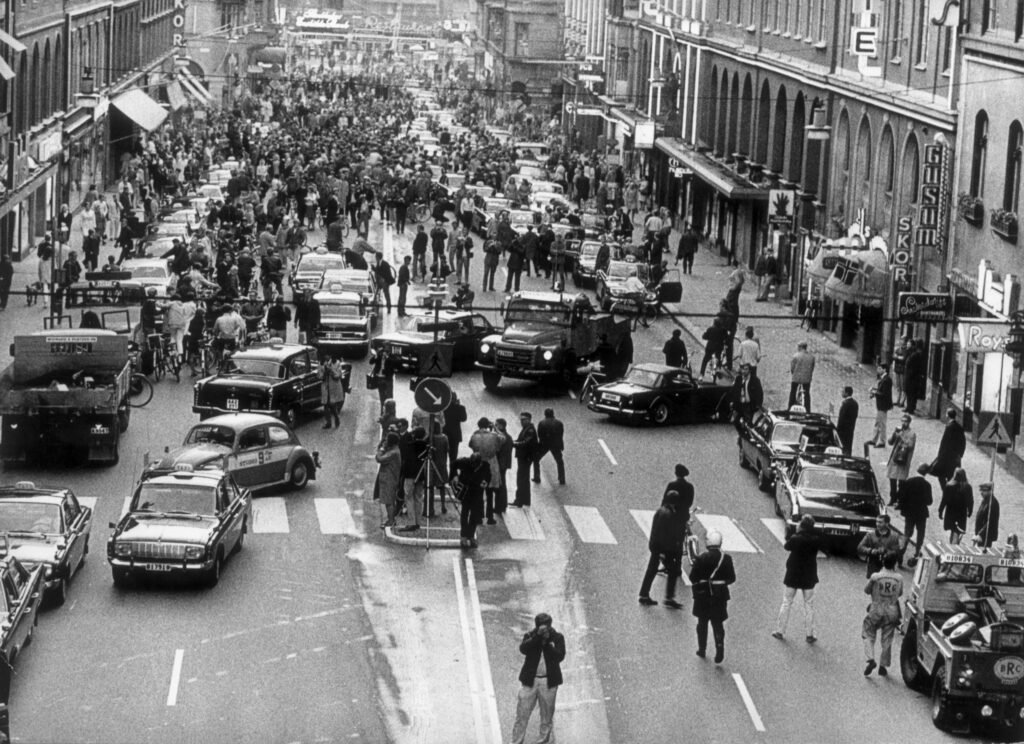
Traffic switching from left- to right-hand driving on Kungsgatan in Stockholm during Dagen H, September 3, 1967.

Why Do Countries Drive on Different Sides of the Road?

Roughly 65 percent of the world drives on the right and the other 35 percent drives on the left, and the split isn’t an accident of geography — it’s the leftover residue of swords, freight wagons, and one country that flipped its entire traffic pattern in a single morning. That history is also why car

Why Do Countries Drive on Different Sides of the Road? Read More »

From medieval swordsmen to a single chaotic Sunday in Stockholm, the world's traffic split has a surprisingly specific history.

Society
A group of coworkers of different genders in a business meeting around a laptop.

What Is the Gender Pay Gap, and Why Does It Exist?

The gender pay gap is the difference between what men and women typically earn, and in the United States it exists because of a mix of factors — different occupations and hours, the effect of having children, and a residual portion that economists cannot fully explain and often attribute in part to discrimination. In 2024,

What Is the Gender Pay Gap, and Why Does It Exist? Read More »

Women earned about 85 cents for every male dollar in 2024. Economists agree on the number and disagree, sharply, on why.

Society
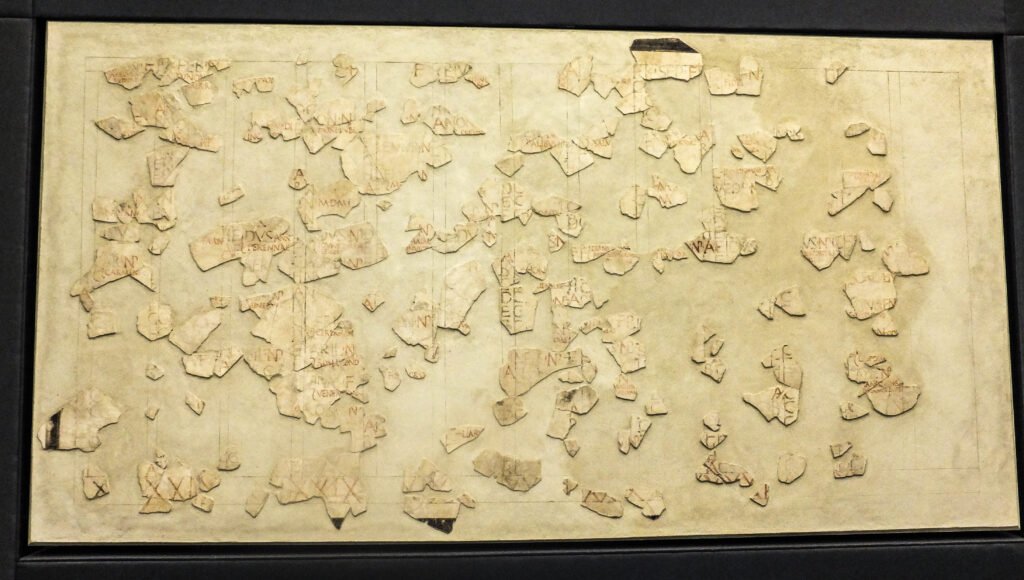
The Fasti Antiates Maiores, a surviving pre-Julian Roman calendar inscription listing the months and days.

Why Is the Year Divided Into 12 Months?

The year has 12 months for no astronomical reason at all: neither the moon’s roughly 29.5-day cycle nor the sun’s 365.25-day orbit divides evenly into 12. The number survives instead because of a messy chain of Roman political decisions, patched together over centuries and never seriously renegotiated since. Rome’s first calendar only had 10 months

Why Is the Year Divided Into 12 Months? Read More »

Twelve months is not math or astronomy, it is the leftover shape of a Roman political fight over the calendar.

Society
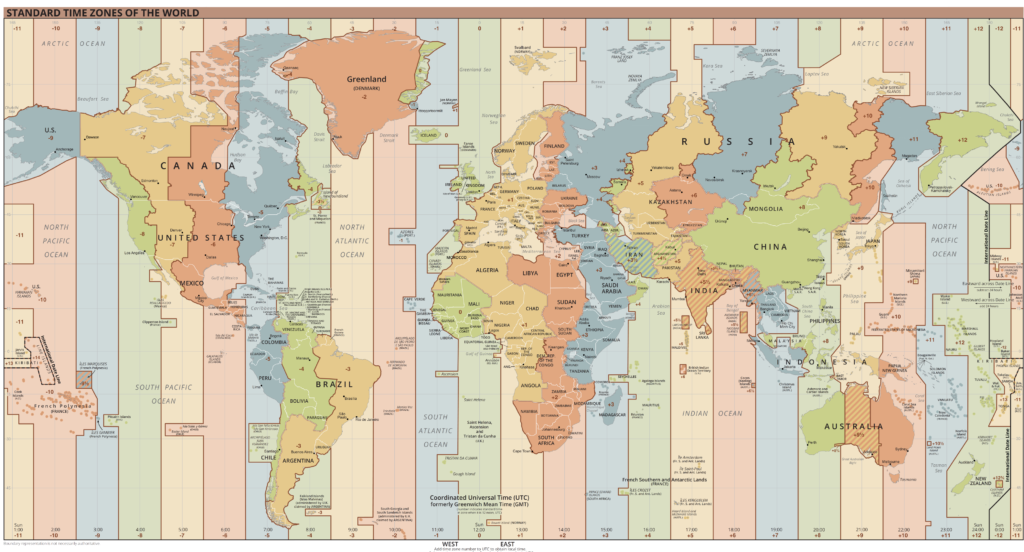
World map showing the divisions of the 24 standard time zones used around the globe.

Why Do We Have Time Zones?

Time zones exist because clocks set to the exact position of the sun made coordinated travel and communication impossible once people started moving faster than a horse. For most of history that didn’t matter; once railroads and telegraphs connected distant towns on shared schedules, it mattered enormously. Local Solar Time Worked Fine Until Trains Arrived

Why Do We Have Time Zones? Read More »

It took collapsing trains and a 300-way clock standoff to convince the world to agree on what time it is.

Society
A sunrise, representing Earth's orbit around the sun and the fraction of a day that leap years correct for.

Why Do We Have Leap Years?

Every four years the calendar adds a 29th day to February because Earth’s trip around the Sun does not take an even 365 days — it takes about 365.2422 days, and the leap year is the roughly 2,000-year-old fix that keeps the calendar from slowly drifting away from that number. A year, in the astronomical

Why Do We Have Leap Years? Read More »

Earth takes about 365.2422 days to orbit the sun, not an even 365. Leap years are a 2,000-year-old running fix for that fraction — and the math behind it is more precise than most people realize.

Society
Debris-laden floodwater and dust cloud engulf the Gyirong Port border facility during the August 26, 2026 Nepal flood disaster

Nepal Flood Disaster 2026: What Happened—and the Lessons the World Must Learn

A catastrophic Himalayan flood has killed hundreds, devastated communities and exposed dangerous weaknesses in early-warning systems, infrastructure planning and cross-border disaster cooperation. On the morning of August 26, 2026, a violent torrent of water, ice, rock and mud swept through Nepal’s Himalayan river valleys. Communities along the Bhote Koshi and Trishuli river corridors had little

Nepal Flood Disaster 2026: What Happened—and the Lessons the World Must Learn Read More »

A catastrophic Himalayan flood has killed hundreds, devastated communities and exposed dangerous weaknesses in early-warning systems, infrastructure planning and cross-border disaster cooperation.

Society
People queue outside a Western Union money transfer office, illustrating the global remittance flows migrants send home

The World’s Biggest Anti-Poverty Program Isn’t Run by Any Government

In 2024, global remittances outpaced foreign aid and foreign investment combined, making migrants, not governments, the world’s largest development financiers.

The World’s Biggest Anti-Poverty Program Isn’t Run by Any Government Read More »

In 2024, global remittances outpaced foreign aid and foreign investment combined, making migrants the world's largest development financiers.