Molecular gastronomy is the scientific study of the physical and chemical transformations that occur during cooking, applied by chefs to create dishes that play with texture, temperature, and form. The term was coined in 1988 by physicist Nicholas Kurti and chemist Herve This, who wanted a formal discipline to explain why classic techniques worked and to invent new ones from that understanding.
Core Techniques
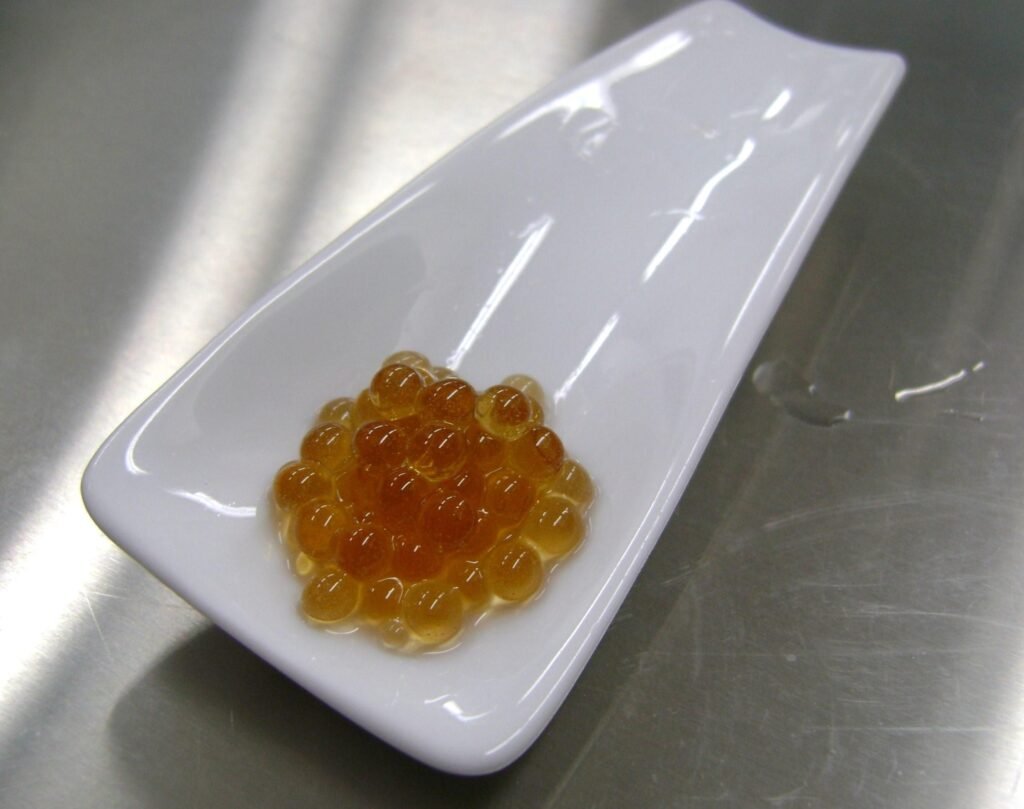
Spherification uses sodium alginate and calcium salts to form a thin gel membrane around a liquid, producing caviar-like spheres that burst with flavor. Emulsification is stabilized with unusual agents like soy lecithin to create long-lasting foams and airs. Liquid nitrogen flash-freezes ingredients in seconds, producing ultra-smooth textures in ice creams and brittle, shatterable coatings on fruit. Sous vide, precise low-temperature water-bath cooking, grew out of the same scientific curiosity about how proteins change at exact temperatures. Hydrocolloids such as agar and xanthan gum let chefs turn liquids into gels, sheets, or noodles with properties ordinary cooking cannot achieve.
Pioneers and Restaurants
Ferran Adria of El Bulli in Spain is widely credited with popularizing the style commercially, closing his restaurant’s kitchen for months each year to research new techniques. Heston Blumenthal at The Fat Duck in England paired scientific experimentation with multisensory dining, including dishes served with recorded sounds. Grant Achatz at Alinea in Chicago extended the approach to American fine dining, exploring edible tableware and aroma-based courses. These restaurants turned a laboratory curiosity into a recognized culinary movement covered widely in food media during the 2000s and 2010s.
Criticism and Legacy
Critics argue the term overstates novelty, since many techniques, like gelling with agar, have long histories in Asian cooking, and that some dishes prioritize spectacle over flavor. Herve This himself has pushed to rename the underlying science ‘molecular cooking’ to separate the science from restaurant theatrics. Even so, the movement’s techniques have filtered into mainstream kitchens; foams, gels, and sous vide equipment are now common in restaurants that would never call themselves molecular gastronomy practitioners, making its lasting legacy less about any single dish than about a permanently expanded technical vocabulary for cooks.
Equipment and Laboratory Techniques
Molecular gastronomy relies on equipment uncommon in traditional kitchens, including precision scales measuring to a tenth of a gram, immersion circulators for exact sous vide temperature control, centrifuges that separate liquids into clarified layers, and rotary evaporators that extract concentrated flavors at low temperatures to avoid degrading heat-sensitive aromatics. Vacuum chambers compress fruit and infuse flavors in minutes rather than the hours traditional marinating would require. This equipment-heavy approach is part of why molecular gastronomy is strongly associated with well-funded fine dining kitchens rather than casual restaurants, since the tools themselves represent a significant investment beyond standard kitchen equipment.
Flavor Pairing Theory
Researchers associated with the movement have also studied flavor pairing at a chemical level, proposing that ingredients sharing similar aromatic compounds tend to taste good together even when the pairing seems unusual, such as chocolate and blue cheese, which share certain volatile compounds. This food-pairing theory, popularized through databases cataloging the chemical makeup of hundreds of ingredients, has influenced chefs to experiment with combinations that classical training would never suggest, though critics note that shared chemical compounds do not guarantee a pleasant combination and that trained palates still play the deciding role.
Influence on Home Cooking
Consumer versions of molecular gastronomy tools, such as home spherification kits and small immersion circulators, have brought techniques once confined to elite kitchens into enthusiast home cooking since the 2010s. Cookbooks and online communities dedicated to the style helped demystify techniques that once required specialized training, and sous vide cooking in particular crossed fully into mainstream home use, now considered simply a cooking method rather than an avant-garde novelty. This gradual mainstreaming illustrates a common pattern in culinary history, where techniques developed for fine dining experimentation eventually diffuse into everyday cooking once equipment becomes affordable and recipes become accessible.
Debates Over Authenticity and Science
Some chefs within the movement have pushed back against the public perception that molecular gastronomy means only showy effects like smoke and foam, arguing instead that its deepest value lies in rigorous testing of why traditional techniques work, which can improve ordinary cooking just as much as novel dishes. This scientific rigor has influenced food writing broadly, with reference works increasingly explaining recipes in terms of protein structure, emulsion stability, and heat transfer rather than tradition alone. The movement’s long-term influence may ultimately be measured less by any single spherified dish than by this shift toward evidence-based explanation across professional cooking education generally.
Equipment Costs and Industry Scale
The specialized equipment molecular gastronomy requires, rotary evaporators, centrifuges, and precision scales among them, has created a secondary industry supplying restaurants and increasingly home enthusiasts, with some manufacturers marketing kits specifically branded for spherification or foam-making. This commercialization has lowered the barrier to entry considerably since the technique’s early years, when much of the necessary equipment had to be adapted from laboratory suppliers rather than purchased as a dedicated culinary product, making the style more accessible to mid-tier restaurants than it was in its first decade.
A Note on Technique Versus Spectacle
Even skeptics of the showier side of molecular gastronomy generally agree that its underlying scientific curiosity has made professional cooking more precise, since understanding why an emulsion breaks or why a protein coagulates at a specific temperature gives cooks diagnostic tools that intuition and tradition alone cannot provide as reliably.
This diagnostic mindset has become part of standard culinary curricula even outside restaurants that practice the style directly, since explaining a classic technique in scientific terms often makes it easier for students to remember and apply correctly.
More in Culinary Arts
Key facts
- Coined in 1988 by Nicholas Kurti and Herve This.nSpherification, foams, and liquid nitrogen are signature techniques.nFerran Adria's El Bulli popularized the style commercially.nMany techniques have older roots in traditional Asian cooking.
Quick checkWho coined the term molecular gastronomy?Show answer
Physicist Nicholas Kurti and chemist Herve This coined the term in 1988 to formalize the scientific study of cooking.
Sources
- Herve This research publications, The Fat Duck Cookbook
Editorially reviewed by Specialty Digest Editorial TeamLast reviewed November 3, 2026Researched and drafted with AI assistanceReport an issue