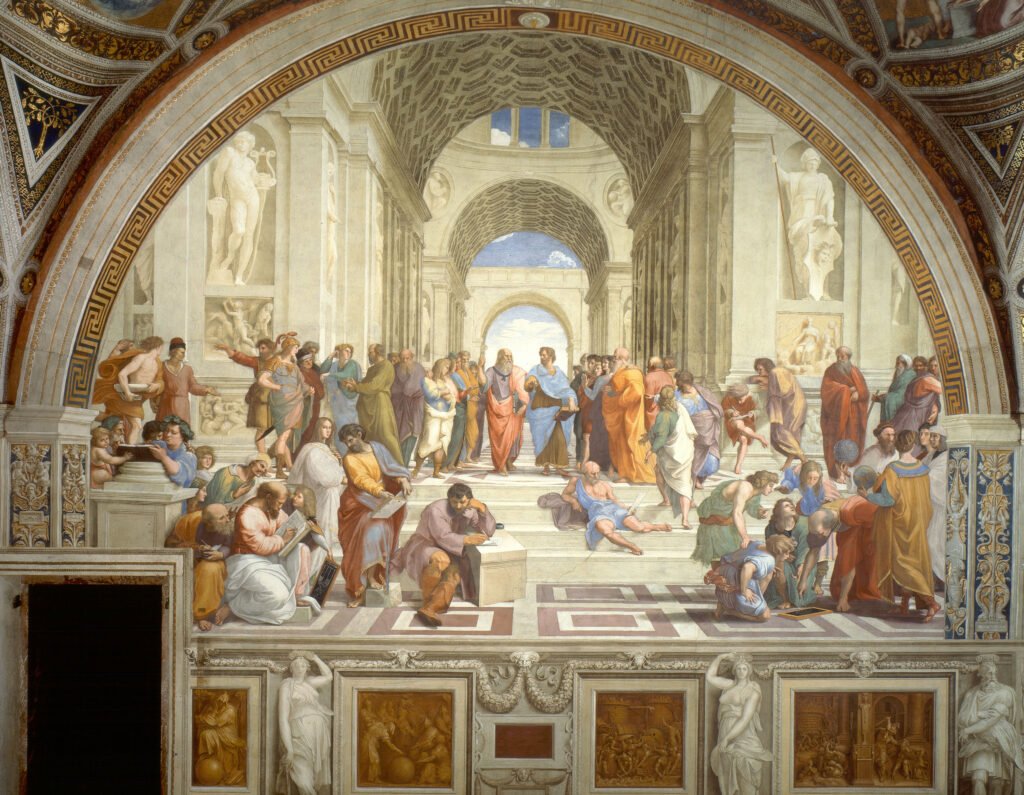
Overview The Axial Age refers to a remarkable period, roughly between 800 and 200 BCE, during which several major philosophical and religious traditions emerged largely independently across widely separated regions of Eurasia. Philosopher Karl Jaspers coined the term in the twentieth century to highlight the striking parallel timing of these developments despite minimal direct contact
Axial Age Read More »
The Axial Age is a term describing a period roughly between 800 and 200 BCE when several major philosophical and religious traditions emerged independently across Eurasia.
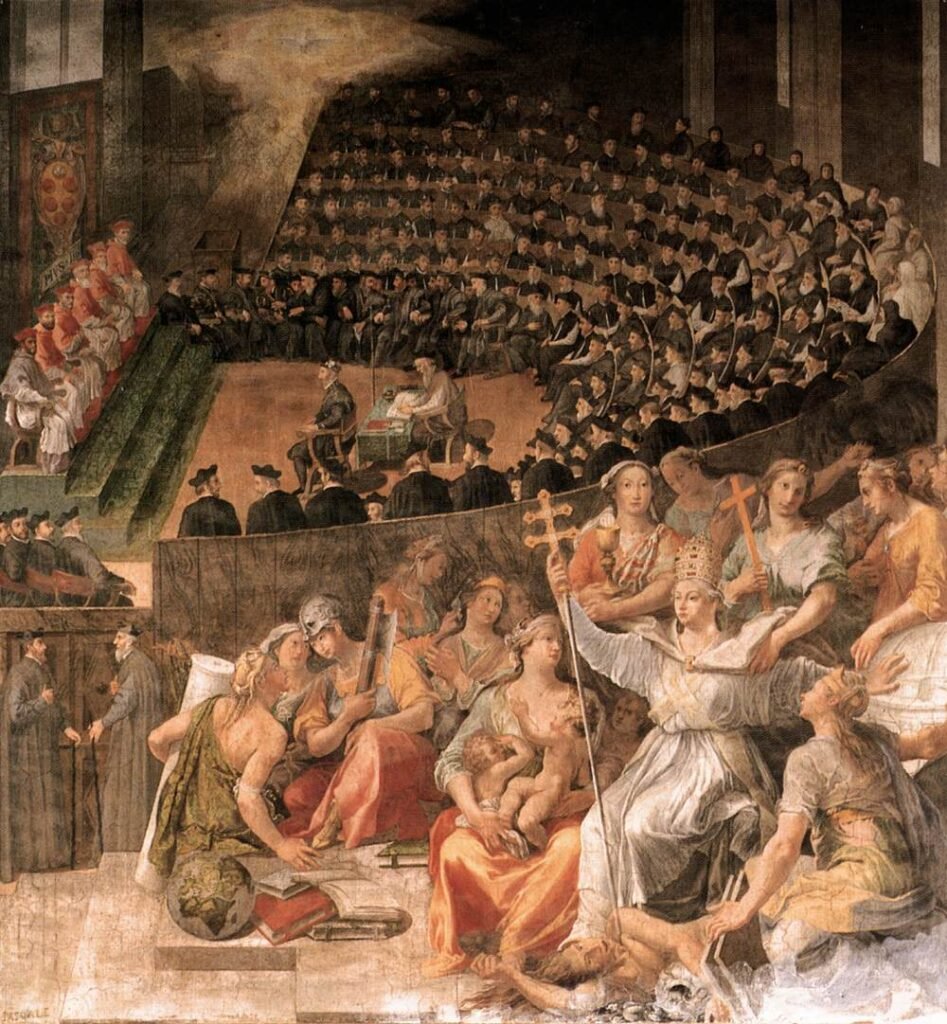
Overview The Counter-Reformation refers to the Catholic Church broad response to the Protestant Reformation, encompassing doctrinal clarification, institutional reform, renewed spiritual and missionary energy, and substantial cultural patronage, unfolding significantly across the sixteenth and seventeenth centuries following the initial Protestant challenge. The Council of Trent The Council of Trent, convened across several sessions between 1545
Counter-Reformation Read More »
The Counter-Reformation was the Catholic Church response to the Protestant Reformation, involving doctrinal clarification, institutional reform, and renewed missionary and cultural activity.
Overview The Crusades were a series of religiously motivated military campaigns, primarily occurring between the eleventh and thirteenth centuries, through which Western European Christian forces sought to recover and defend territory in the Holy Land that had come under Muslim political control in preceding centuries. The First Crusade Pope Urban II call to arms in
Crusades Read More »
The Crusades were a series of religiously motivated military campaigns, primarily between the eleventh and thirteenth centuries, aimed at recovering and defending Christian-held territory in the Holy Land.
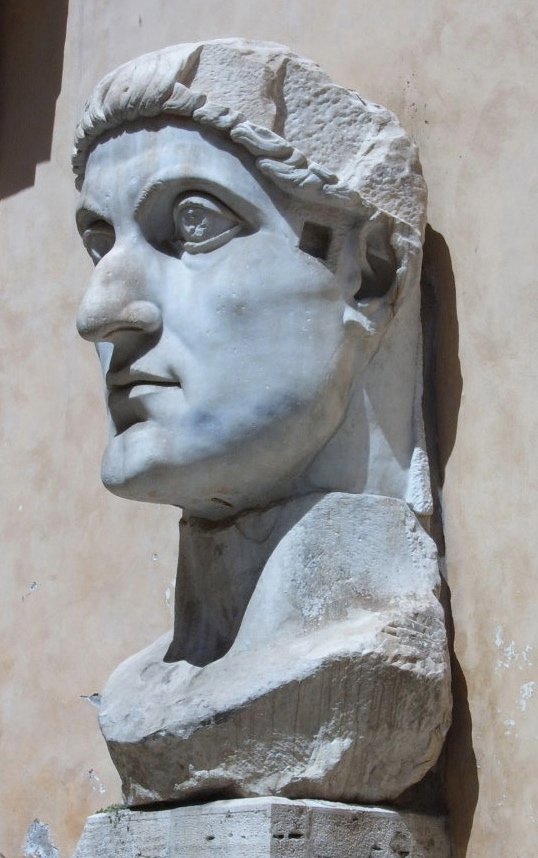
Overview The Edict of Milan was a landmark proclamation issued jointly by Roman emperors Constantine and Licinius in 313 CE, establishing religious toleration for Christianity and other religions throughout the Roman Empire and marking a decisive turning point in the status of the Christian faith within Roman society and governance. Historical Context The edict followed
Edict of Milan Read More »
The Edict of Milan was a 313 CE proclamation by Roman emperors Constantine and Licinius establishing religious toleration for Christianity throughout the Roman Empire.
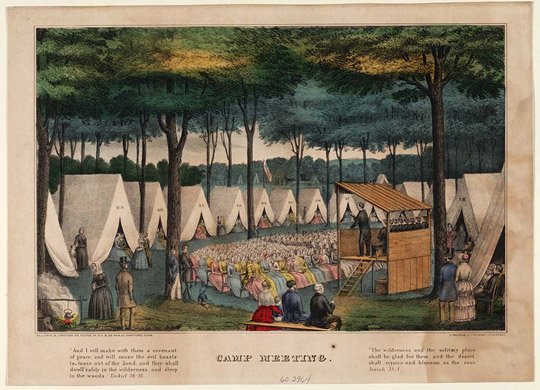
Overview The Great Awakening refers to a series of intense Protestant religious revivals that swept through the American colonies and parts of Britain beginning in the 1730s, dramatically reshaping religious life and emphasizing personal, emotionally engaged conversion experience over inherited or merely formal religious affiliation. Key Figures Itinerant preachers such as George Whitefield traveled extensively,
Great Awakening Read More »
The Great Awakening refers to a series of Protestant religious revivals that swept through the American colonies and Britain during the eighteenth and nineteenth centuries.
Overview The Great Schism, also called the East-West Schism, refers to the formal division between the Eastern Orthodox and Roman Catholic churches, conventionally dated to 1054, which split Christianity into its two major historical branches and whose effects persist within global Christianity to the present day. Underlying Causes Long-developing theological, liturgical, and political differences preceded
Great Schism Read More »
The Great Schism refers to the 1054 split between the Eastern Orthodox and Roman Catholic churches, dividing Christianity into two major branches.
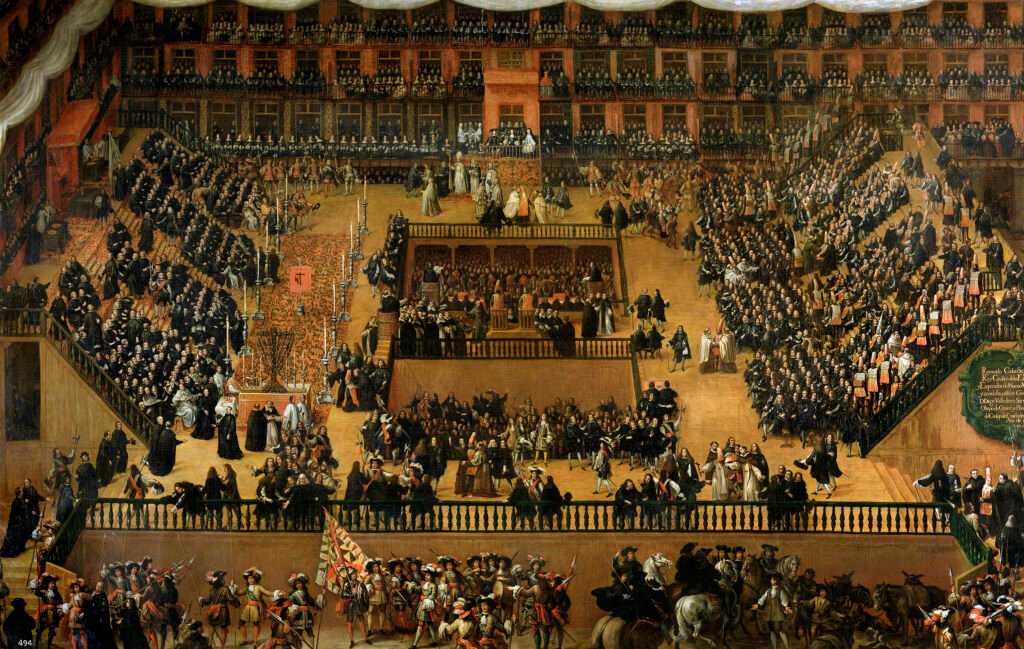
Overview The Inquisition refers to several distinct institutions established by the Catholic Church across different periods and regions to investigate and address perceived heresy, employing formal interrogation and trial procedures that varied considerably in severity and scope depending on the specific historical and political context involved. Medieval Origins The medieval Inquisition emerged in the thirteenth
Inquisition Read More »
The Inquisition refers to several institutions established by the Catholic Church to investigate and address perceived heresy, most notably in medieval and early modern Europe.
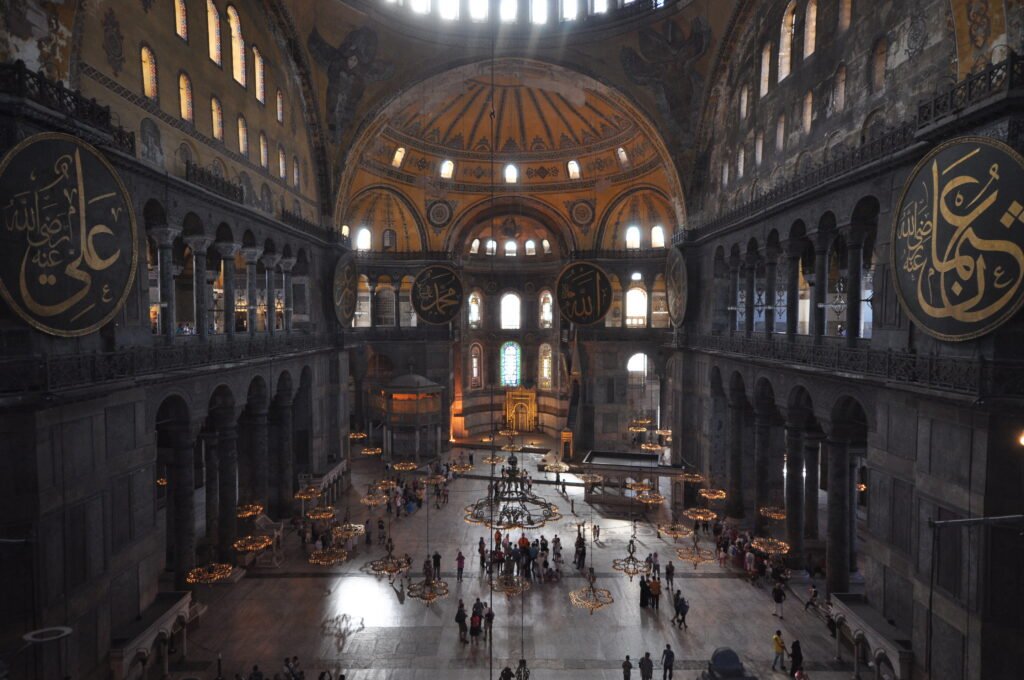
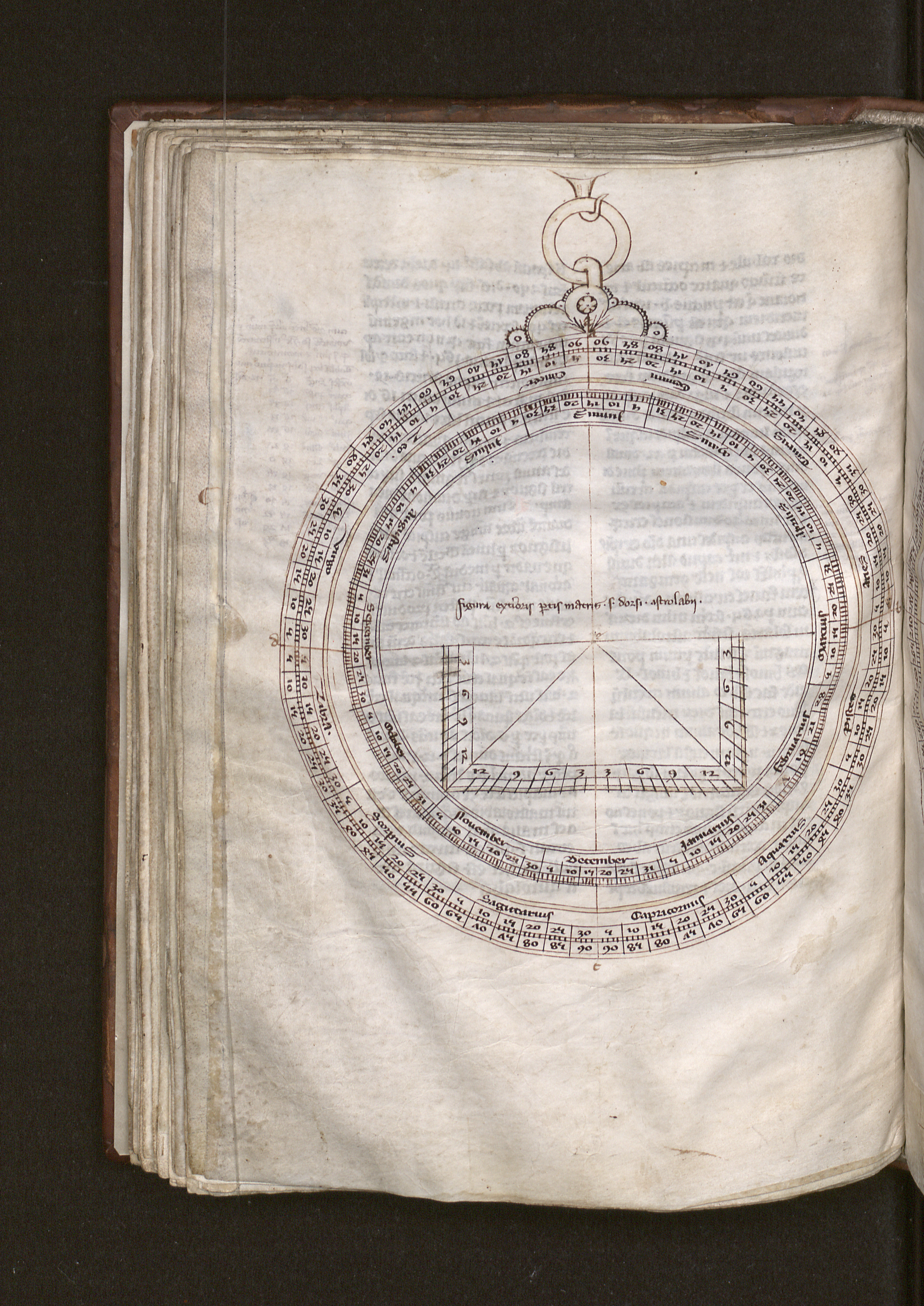
Overview The Islamic Golden Age refers to a remarkable period of scientific, cultural, and economic flourishing across the Muslim world, generally dated from roughly the eighth through the thirteenth centuries, during which scholars working within Islamic civilization made substantial contributions across mathematics, medicine, astronomy, philosophy, and the arts. Centers of Learning Baghdad, capital of the
Islamic Golden Age Read More »
The Islamic Golden Age refers to a period of significant scientific, cultural, and economic flourishing across the Muslim world, roughly from the eighth through the thirteenth centuries.
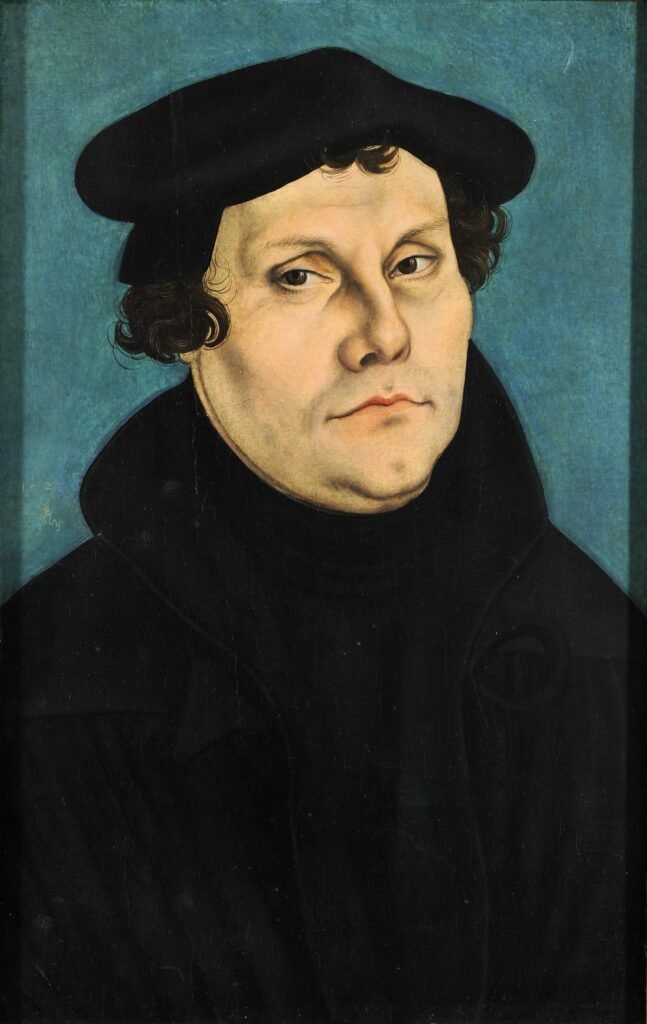
Overview The Protestant Reformation was a transformative sixteenth century religious movement that challenged the authority and certain doctrines of the Roman Catholic Church, ultimately producing lasting institutional divisions within Western Christianity that persist to the present day. It is conventionally dated from the actions of Martin Luther in 1517. Luther Challenge Martin Luther, an Augustinian
Protestant Reformation Read More »
The Protestant Reformation was a sixteenth century religious movement that challenged the authority of the Roman Catholic Church and produced lasting divisions within Western Christianity.
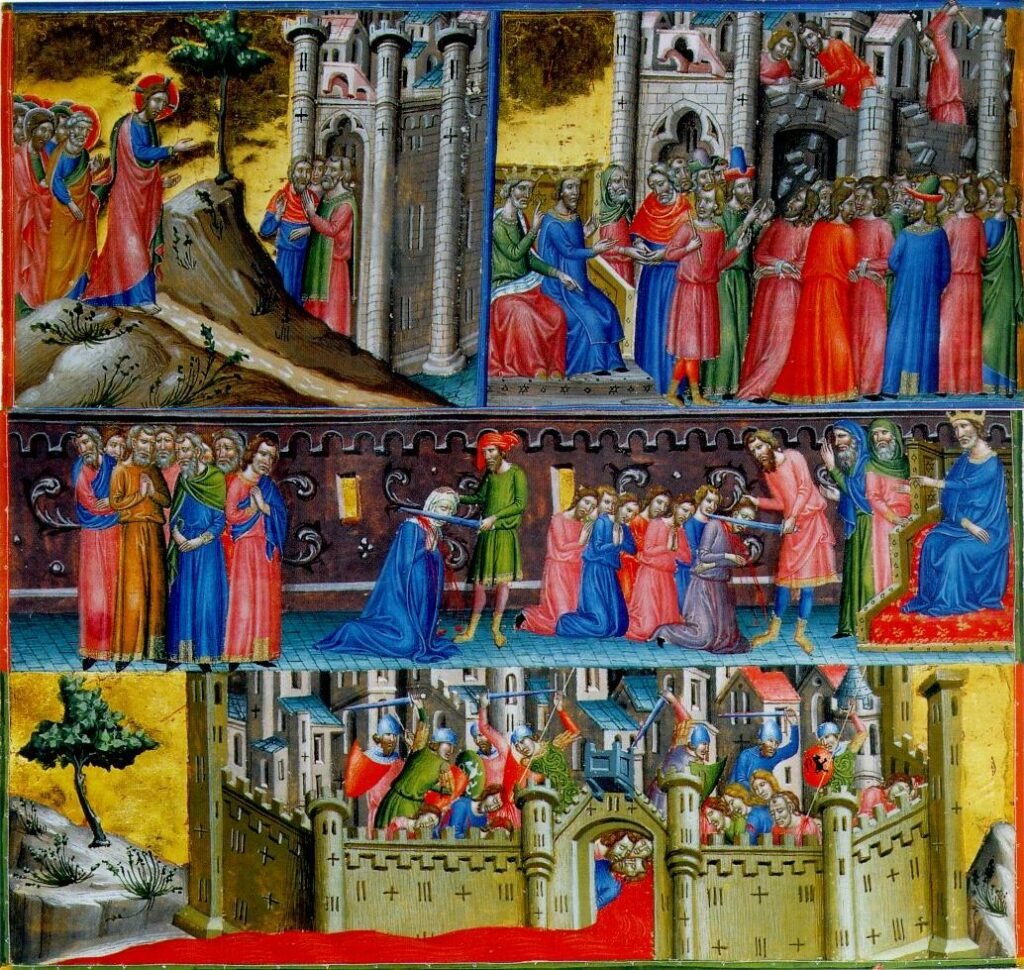
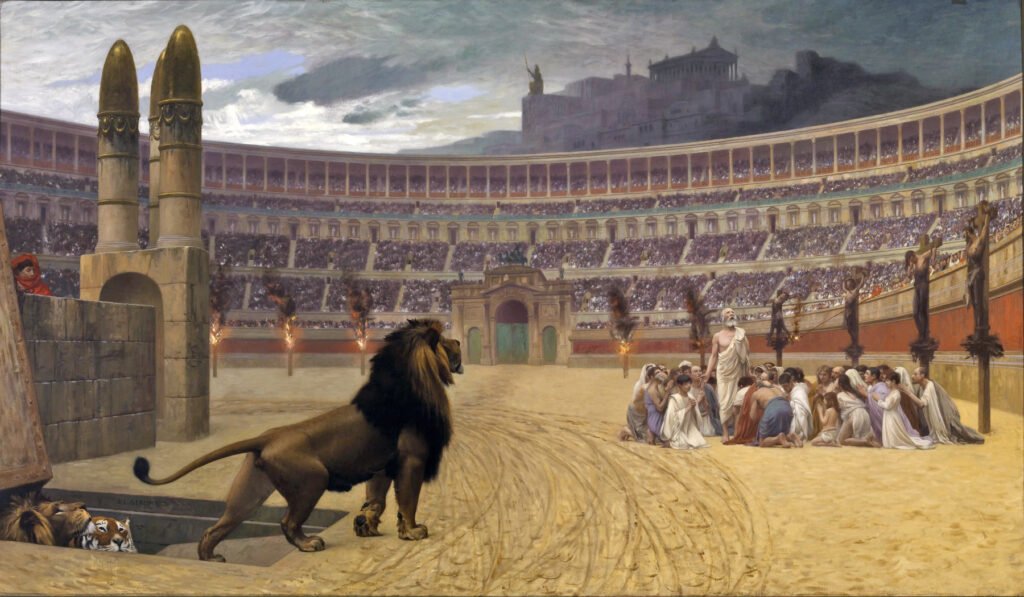
Overview Religious persecution refers to the systematic mistreatment of individuals or communities specifically because of their religious beliefs or practices, carried out variously by state authorities, dominant religious institutions, or broader social majorities, and documented across virtually every period of recorded human history and every major world region. Historical Examples History offers numerous documented examples
Religious Persecution Read More »
Religious persecution refers to the systematic mistreatment of individuals or groups on the basis of their religious beliefs or practices, carried out by governments, dominant religious institutions, or social majorities.