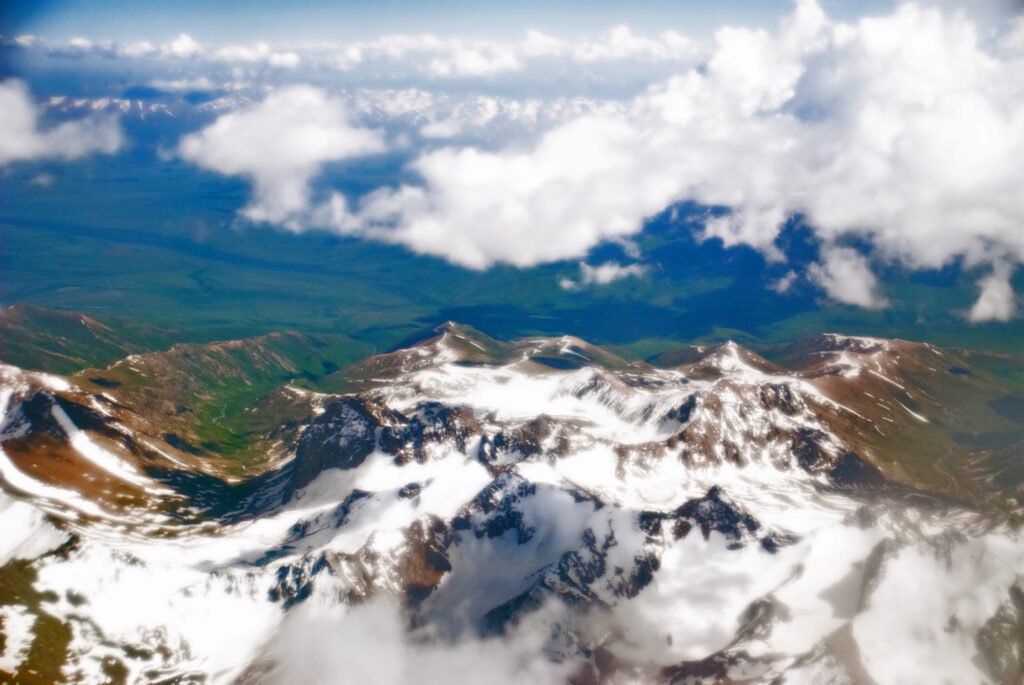
Tajikistan is a mountainous, landlocked country in Central Asia, bordered by Afghanistan, China, Kyrgyzstan, and Uzbekistan. It is the only Central Asian republic where a Persian language, Tajik, is the majority tongue, and its territory includes much of the Pamir range, among the highest mountain systems on Earth.
Where Is Tajikistan Located?
Tajikistan sits in the heart of Central Asia, landlocked and bordered by Afghanistan to the south, China to the east, Kyrgyzstan to the north, and Uzbekistan to the west and northwest. Its capital and largest city, Dushanbe, lies in the west of the country. The mountainous eastern half, dominated by the Pamirs, is sparsely populated, while most Tajiks live in the river valleys and lowlands of the west.
Geography
More than 90 percent of Tajikistan’s territory is mountainous, making it one of the most mountainous countries in the world. The east is dominated by the Pamir range, often called the Roof of the World, home to Ismoil Somoni Peak (formerly Communism Peak), the country’s highest point at 7,495 meters. The Fann Mountains and Trans-Alay range add further high terrain in the north and center. Rivers fed by glacial and snow melt, including the Vakhsh and Panj, which forms much of the border with Afghanistan, support hydroelectric power generation and irrigated agriculture in the valleys, and the country’s enormous hydropower potential is central to projects such as the Rogun Hydropower Plant.
A Brief History of Tajikistan
Persian Heritage and Early States
The Tajik people trace much of their cultural identity to the Samanid Empire, a Persian dynasty centered on Bukhara and Samarkand in the ninth and tenth centuries, which Tajiks regard as a formative period for their language and culture. The region’s cities sat along branches of the Silk Road, and control passed over the centuries between Persian, Turkic, and Mongol-descended rulers, including the Timurid dynasty.
Russian and Soviet Rule
The Russian Empire extended control over the territory in the late nineteenth century, and after the Russian Revolution, the area became part of Soviet Central Asia. The Tajik Autonomous Soviet Socialist Republic was established in 1924 and upgraded to a full union republic, the Tajik Soviet Socialist Republic, in 1929, with Dushanbe (then Stalinabad) as its capital.
Independence and Civil War
Tajikistan declared independence in 1991 as the Soviet Union dissolved. Independence was quickly followed by a civil war from 1992 to 1997 between the post-Soviet government and an opposition coalition that included Islamist and regional factions, a conflict that caused tens of thousands of deaths and significant displacement before a United Nations-brokered peace accord ended the fighting in 1997.
Government and Economy
Tajikistan is a presidential republic. Economically, the World Bank classifies it as a lower-middle-income country with a population of about 10.8 million as of 2025. Growth has averaged above 7 percent annually over the past decade, reaching 8.4 percent in 2025, driven largely by remittances, which amounted to roughly 46 percent of GDP that year, among the highest shares of any economy in the world. Poverty, measured at the international line of $4.20 a day, fell from 55 percent in 2010 to about 14.8 percent in 2025, though the World Bank notes the economy remains vulnerable to external shocks because of its dependence on remittances, limited diversification, and high risk of debt distress. The government has set a long-term goal of more than doubling or tripling domestic incomes between 2016 and 2030, with hydropower, agriculture, and mineral resources identified as key growth sectors.
Culture and People
Tajiks form the large majority of the population and speak Tajik, a variety of Persian written in the Cyrillic script, reflecting both the country’s historic ties to the wider Persian-speaking world and its Soviet-era linguistic policy. Uzbek and other minorities also live within Tajikistan’s borders. The population is predominantly Muslim, mostly Sunni, with a significant Ismaili Shia community concentrated in the Pamir region of Gorno-Badakhshan. Persian literary traditions, including poetry associated with the wider Persian-speaking world, hold a central place in Tajik cultural identity, alongside distinct regional traditions in music, textiles, and cuisine shaped by the country’s mountain geography.
What Is Tajikistan Known For?
Tajikistan is best known internationally for the Pamir Mountains, a dramatic high-altitude region of glaciers, high-altitude lakes, and some of the tallest peaks outside the Himalaya and Karakoram, crossed by the Pamir Highway, one of the world’s highest international roads. The country is also known for its ambitious hydropower projects, including the Rogun Dam, intended to be among the tallest dams in the world, and for its Persian-speaking identity, which sets it apart linguistically from its Turkic-speaking Central Asian neighbors.
Why Tajikistan Matters
Tajikistan occupies a strategically significant position bordering Afghanistan and China at the edge of the former Soviet sphere, and its mountainous terrain and hydropower resources give it outsized importance for regional water and energy security in Central Asia. Its Persian linguistic and cultural heritage, rooted in the Samanid era, provides a distinct identity within a region otherwise dominated by Turkic languages and culture, and its postwar recovery since the 1992 to 1997 civil war offers a case study in peacebuilding in a fragile, remittance-dependent economy.
Key Takeaways
- Tajikistan is a landlocked Central Asian country bordered by Afghanistan, China, Kyrgyzstan, and Uzbekistan, with a 2025 population of about 10.8 million.
- More than 90 percent of its territory is mountainous, including the Pamir range and Ismoil Somoni Peak, its highest point at 7,495 meters.
- Tajik, a form of Persian, is the majority language, distinguishing Tajikistan from its Turkic-speaking Central Asian neighbors.
- A civil war from 1992 to 1997 followed independence from the Soviet Union in 1991, ending with a UN-brokered peace accord.
- Remittances made up about 46 percent of GDP in 2025, among the highest shares of any economy worldwide.
- The Pamir Highway and the Rogun Hydropower Plant project are among the country’s most significant infrastructure landmarks.
Sources
- World Bank, “Tajikistan Overview” (2026) [1]: worldbank.org/en/country/tajikistan/overview
- World Bank, “World Bank Group Reaffirms Partnership with Tajikistan to Unlock Private Sector-Led Growth” (June 2026) [2]: worldbank.org
- World Bank, Rogun Hydropower Plant Project [3]: worldbank.org
- World Bank Data360, Tajikistan Economy Data [4]: data360.worldbank.org
Key facts
- Population: approximately 10.8 million (2025)1
- More than 90% of the territory is mountainous, including the Pamir range1
- Highest point: Ismoil Somoni Peak, 7,495 meters
- Civil war from 1992 to 1997 followed independence from the Soviet Union in 1991
- Remittances equaled about 46% of GDP in 2025, among the highest shares worldwide1
Quick checkWhat share of Tajikistan's GDP came from remittances in 2025?Show answer
About 46 percent, among the highest shares of any economy in the world.
Sources
- World Bank. Tajikistan Overview. 2026 (accessed Date accessed: 2026-10-04)
- World Bank. World Bank Group Reaffirms Partnership with Tajikistan. 2026-06-02 (accessed Date accessed: 2026-10-04)
- World Bank. Rogun Hydropower Plant Project. Undated (accessed Date accessed: 2026-10-04)
- World Bank Data360. Tajikistan Economy Data. 2026 (accessed Date accessed: 2026-10-04)
Editorially reviewed by Specialty Digest Editorial TeamLast reviewed October 4, 2026Researched and drafted with AI assistanceReport an issue