Permaculture is a design approach for creating sustainable, self-sufficient human settlements and food systems by observing and mimicking patterns found in natural ecosystems, rather than imposing the simplified, input-intensive structure of conventional agriculture onto the land. The word blends “permanent” and “agriculture” (or, in some framings, “permanent culture”), reflecting its goal of designing systems that
Permaculture Read More »
A design approach for sustainable settlements and food systems that mimics natural ecosystem patterns, founded by Mollison and Holmgren in the 1970s.
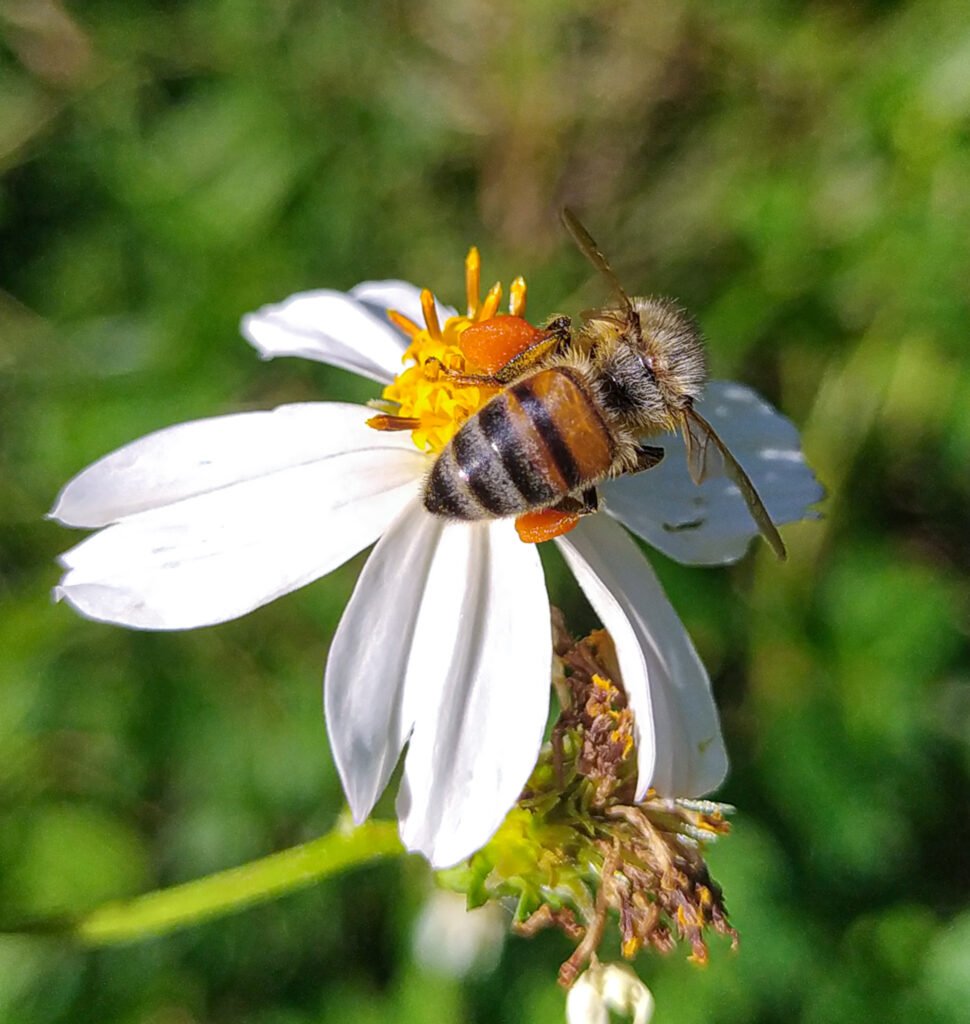
Pollination is the transfer of pollen from a flower’s male structures to its female structures, enabling fertilization and the production of seeds and fruit. Some plants self-pollinate or rely on wind to carry pollen, but a large share of the world’s flowering plants, including many of the crops people eat, depend instead on animals, chiefly
Pollination Read More »
The transfer of pollen between flowers, often by animals, enabling fertilization and underpinning about 75% of food crop types.
A protected area is a clearly defined geographic space that is formally recognized, dedicated, and actively managed, through legal or other effective means, with the long-term goal of conserving nature along with the ecosystem services and cultural values that depend on it. The category covers everything from strictly off-limits wilderness to landscapes where people and
Protected area Read More »
A protected area is a legally recognized and actively managed geographic space dedicated mainly to the long-term conservation of nature.
Renewable energy is energy generated from sources that replenish naturally on a human timescale, chiefly sunlight, wind, flowing water, geothermal heat, and biomass, rather than from finite underground deposits of coal, oil, or natural gas. Because these sources are continuously renewed rather than depleted by use, renewable energy is central to efforts to reduce the
Renewable energy Read More »
Renewable energy comes from naturally replenishing sources such as sunlight, wind, and flowing water, rather than finite fossil fuel deposits.
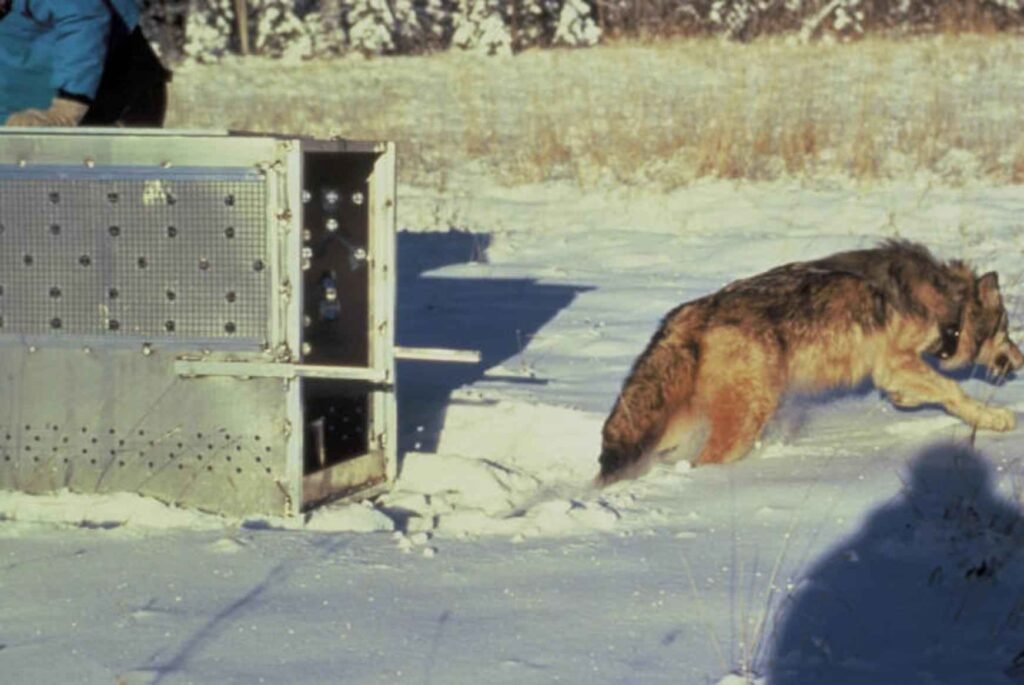
Rewilding is an approach to large-scale nature restoration that aims to let natural processes, rather than ongoing human management, shape a landscape or seascape over time. It can range from simply stepping back and letting vegetation regenerate on its own to actively reintroducing species that once performed key ecological roles in an area, with the
Rewilding Read More »
Rewilding is a conservation approach that restores landscapes by letting natural processes, and sometimes reintroduced species, take the lead over active human management.
Sustainability is the capacity to maintain a process, activity, or system over the long term without depleting the resources or degrading the conditions it depends on. In environmental and development contexts, the term most often refers to meeting human needs in ways that do not undermine the natural systems, resources, and social conditions future generations
Sustainability Read More »
Sustainability is the capacity to maintain a process or system over the long term without depleting the resources or conditions it depends on.
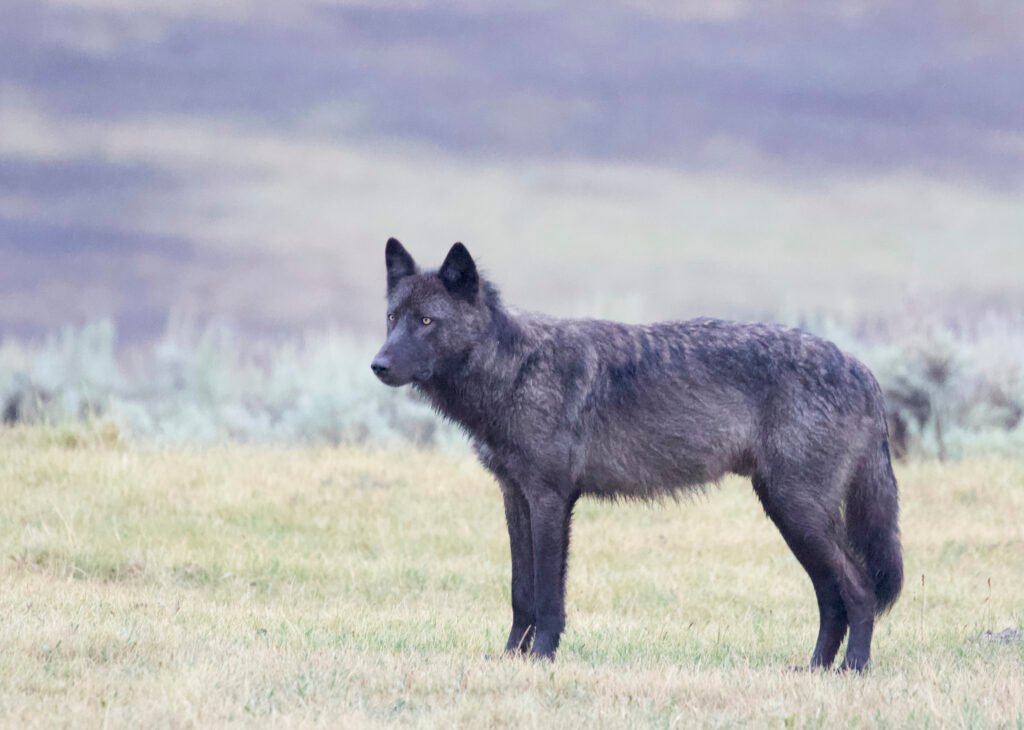
A trophic cascade is a chain of indirect effects that moves through multiple feeding levels of an ecosystem after a change at one trophic level, most often the removal or restoration of a top predator, ripples down through the species that predator eats, then down again to the species those prey eat in turn. The
Trophic cascade Read More »
A trophic cascade is a chain of indirect effects moving through multiple feeding levels of an ecosystem after a change at one level, often a top predator.
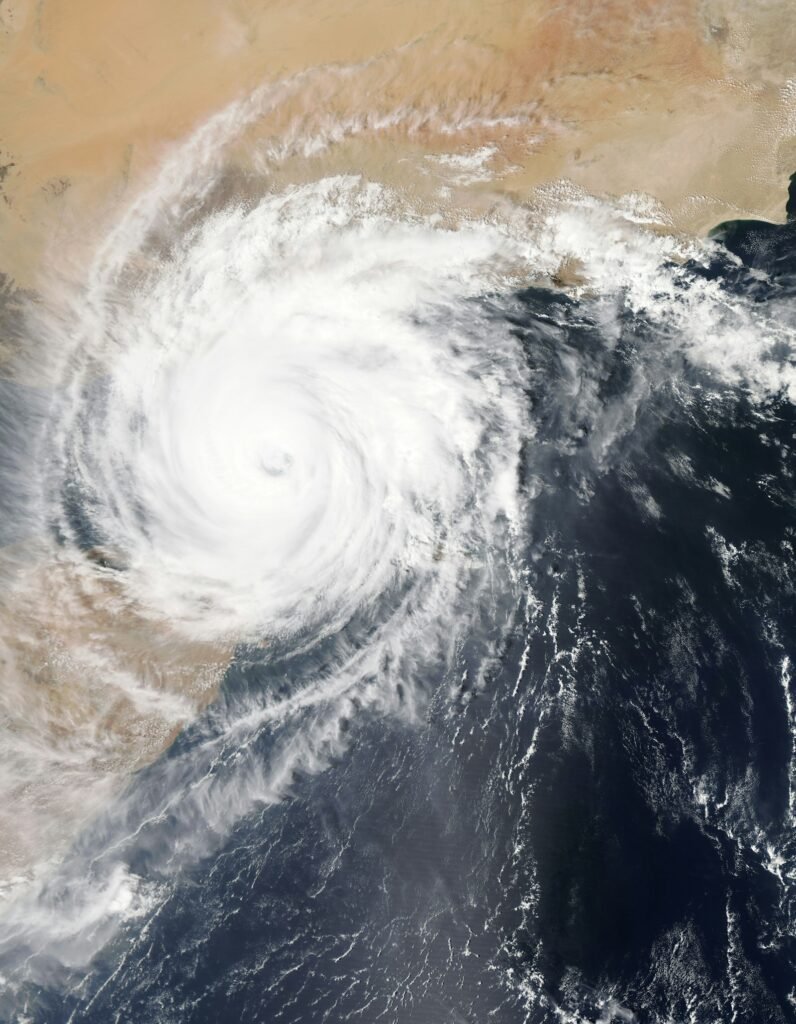
In simple terms A typhoon is a powerful rotating storm that forms over warm tropical ocean water. It is the same kind of storm as a hurricane. The name depends only on where the storm happens. In the northwest Pacific it is a typhoon. In the North Atlantic and the central and eastern North Pacific
Typhoon Read More »
A typhoon is a tropical cyclone in the northwest Pacific whose sustained winds reach about 119 kilometers per hour or more.
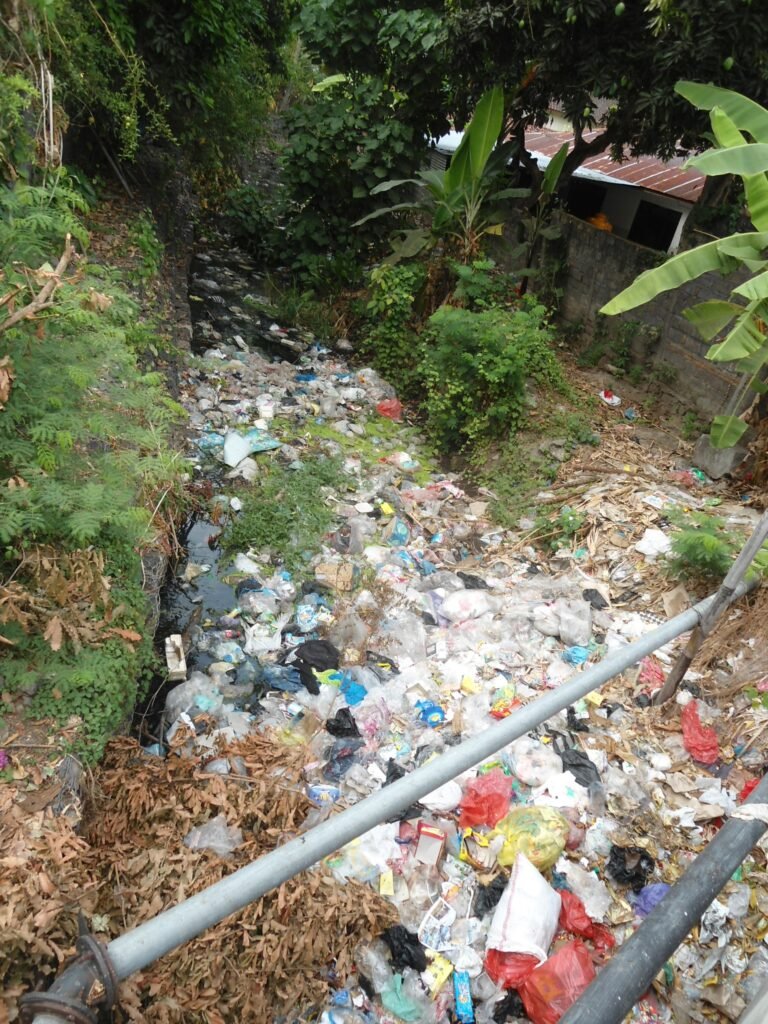
Water pollution is the contamination of groundwater, lakes, rivers, estuaries, or oceans by substances, or by energy such as heat, to a degree that interferes with the water’s beneficial uses or disrupts the natural functioning of the ecosystems that depend on it. It is one of the oldest recognized forms of environmental damage, since contaminated
Water pollution Read More »
Water pollution is the contamination of water by substances or heat to a degree that harms its beneficial uses or the ecosystems that depend on it.
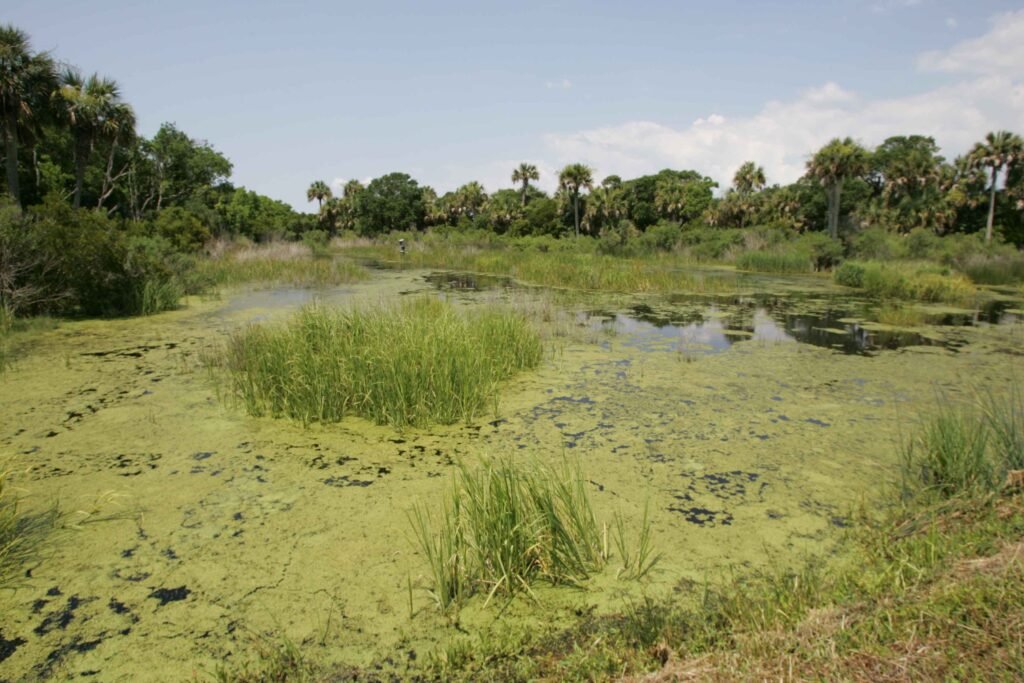
A wetland is land where water covers the soil, or saturates it close to the surface, for all or part of the year, creating conditions distinct enough from both dry land and open water to support their own characteristic plants, soils, and animal life. Marshes, swamps, bogs, fens, and many floodplains and river deltas all
Wetland Read More »
A wetland is land covered or saturated by water for all or part of the year, supporting ecosystems distinct from both dry land and open water.