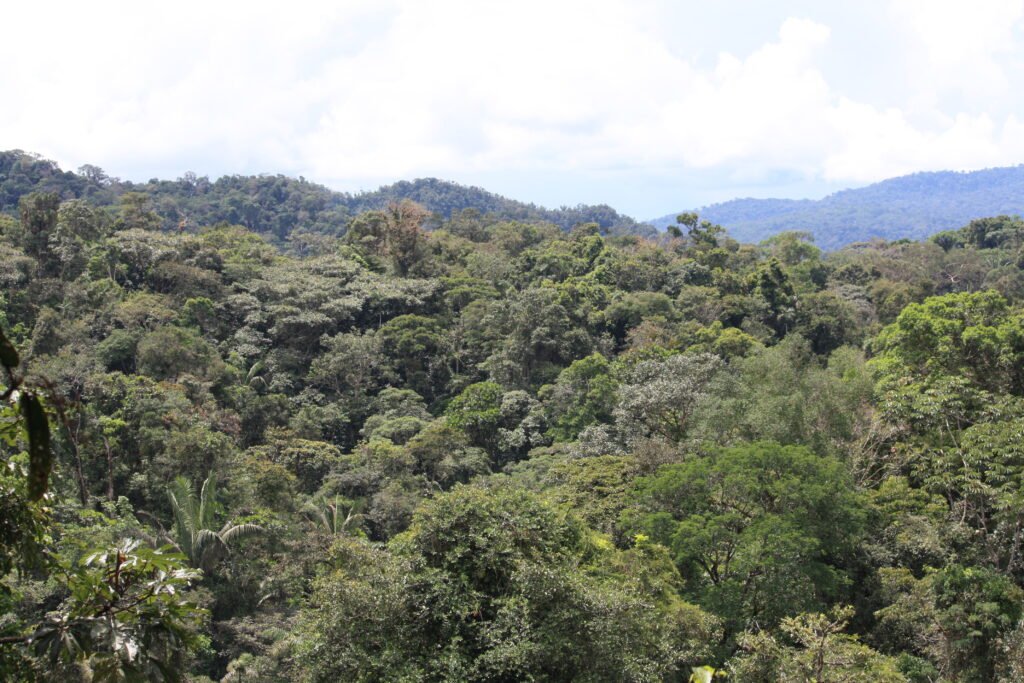
Biodiversity is the full variety of life on Earth, encompassing the diversity within a species, the diversity between different species, and the diversity of entire ecosystems. The UN Convention on Biological Diversity defines it this way to capture that biodiversity is not just a count of how many species exist, but a layered measure covering
Biodiversity Read More »
Biodiversity is the full variety of life on Earth across genes, species, and ecosystems, and a key natural defense against climate change.
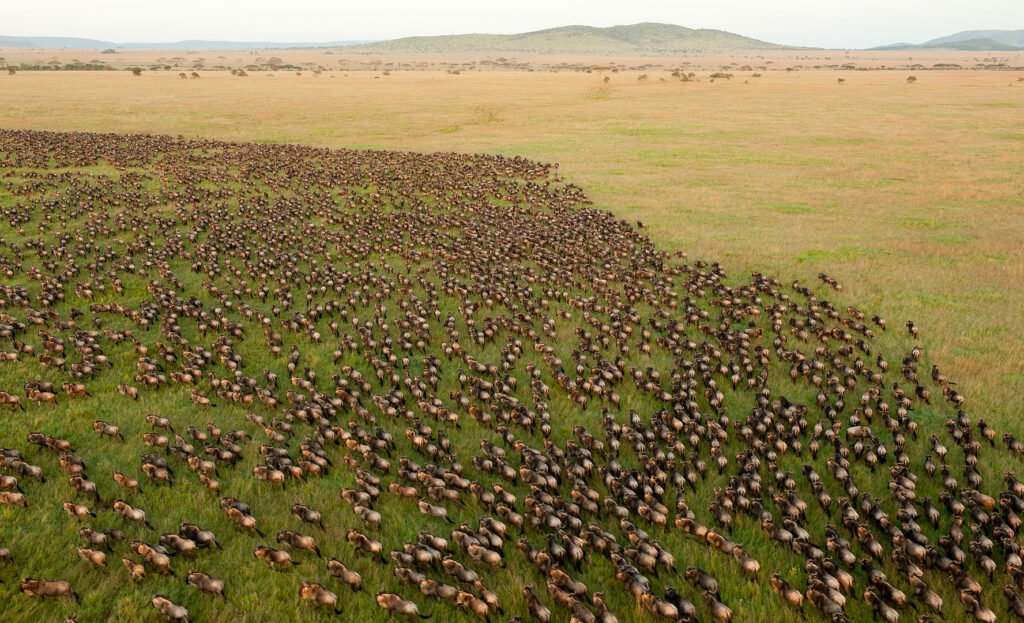
Carrying capacity is the maximum population size of a species that a given environment can sustain indefinitely, given the food, water, habitat, and other resources actually available to it. The concept applies across scales, from a single pond’s fish population to an entire planet’s human population, and it sits at the center of how ecologists
Carrying capacity Read More »
Carrying capacity is the maximum population size an environment can sustain indefinitely, given its available resources.
An ecosystem is a community of living organisms interacting with one another and with the nonliving parts of their surroundings, functioning together as a single, loosely bounded system. The idea links two things ecologists had long studied separately, living communities and physical environments, into one unit defined by the flows of energy and matter that
Ecosystem Read More »
An ecosystem is a community of interacting organisms together with the nonliving parts of their environment, functioning as a single system.
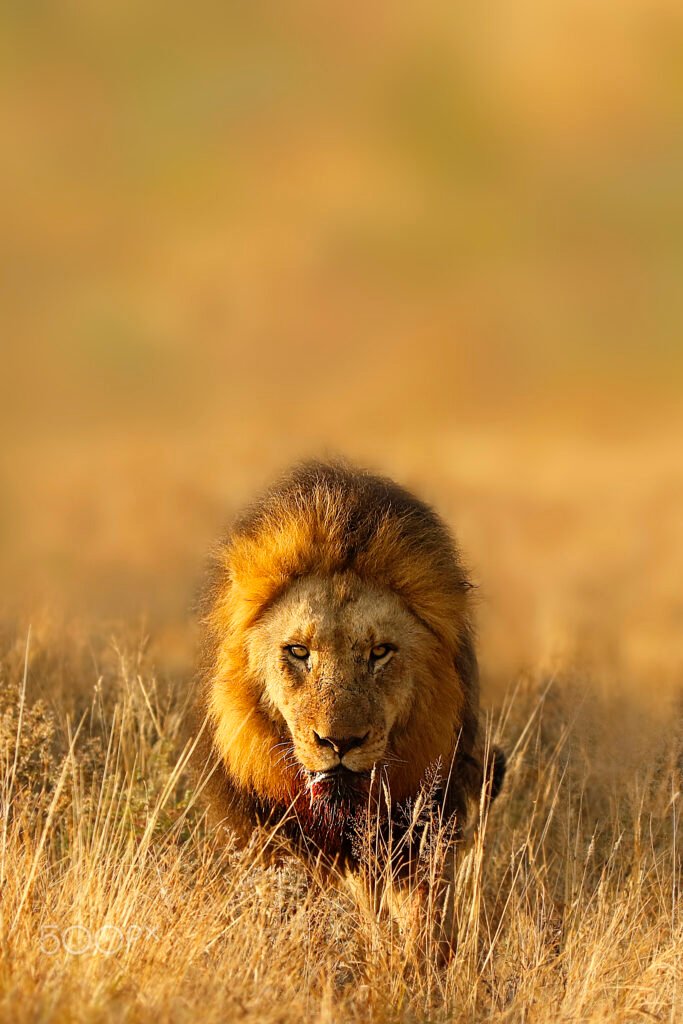
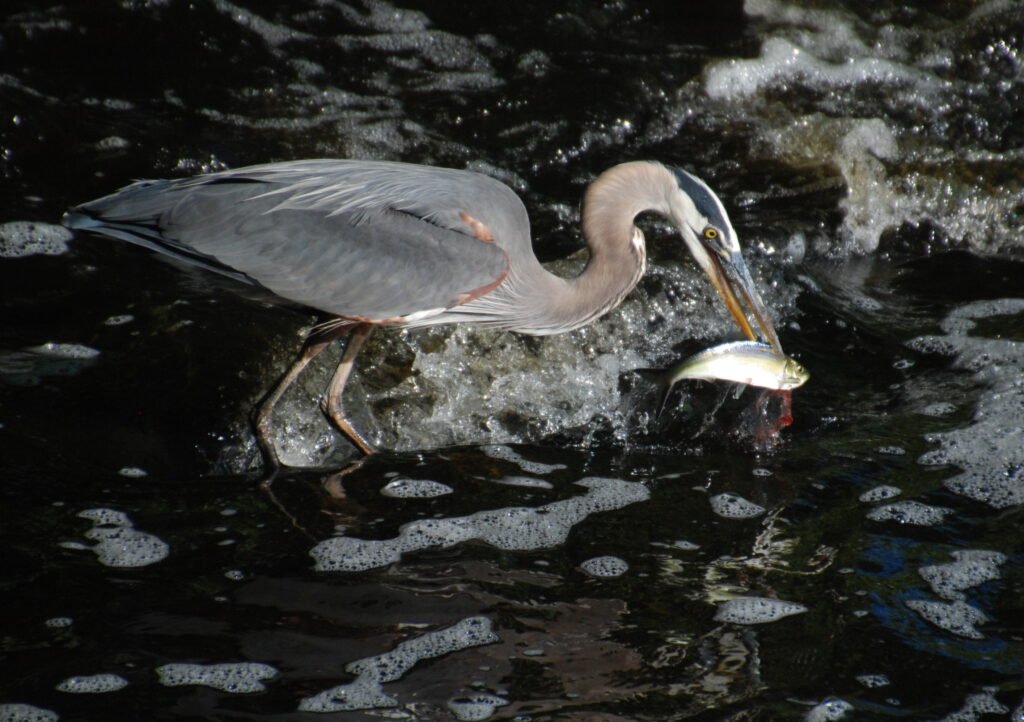
A food chain is the sequence by which energy and matter, in the form of food, pass from one organism to the next. Each organism in the sequence depends on the one before it, starting with a producer that captures energy directly from its environment and ending with the top predator or decomposer that closes
Food chain Read More »
A food chain is the linear sequence of organisms through which energy and matter pass as one feeds on another, from producer to top consumer.
A food web is a map of who eats whom in an ecosystem, showing how energy and nutrients pass from one organism to the next. Unlike a food chain, which traces a single path from a producer to a top predator, a food web links together every food chain in a community, capturing the overlapping,
Food web Read More »
A food web is a network of interconnected feeding relationships showing how energy and nutrients move among producers, consumers, and decomposers in an ecosystem.
A habitat is the place where an organism or a community of organisms lives, encompassing both the surrounding living conditions and the nonliving features, such as climate, terrain, and water, that make that place suitable for the species found there. The term covers everything from a single tree hollow used by a nesting bird to
Habitat Read More »
A habitat is the place where an organism or community lives, including both the living conditions and the nonliving features that make it suitable.
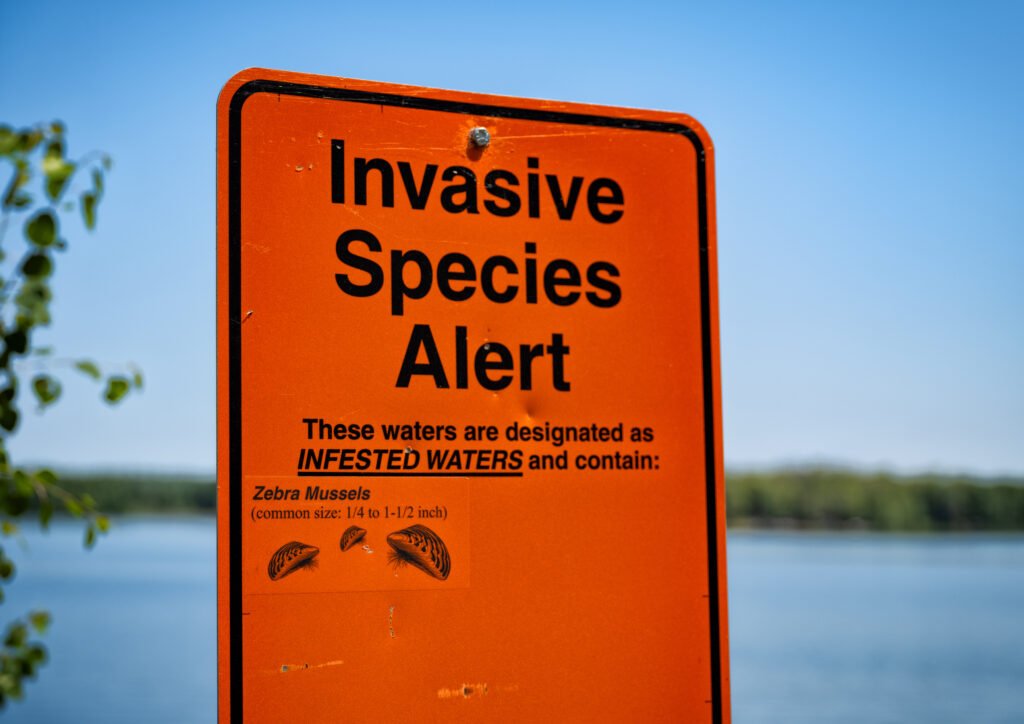
In simple terms An invasive species is an organism living outside its native range that causes ecological or economic harm in its new environment. [2] The harm is the part that matters. Without it, the species is simply non-native. That distinction is not a technicality. Many non-native species are welcome: tomatoes and chili peppers came
Invasive species Read More »
An invasive species is a plant, animal or microbe that is not native to an area and causes harm there.
In simple terms The monarch butterfly is a migratory butterfly native to North America, famous for an extraordinary multigenerational migration that can span thousands of miles between its summer breeding grounds and its winter shelter. [1] How it works Each year, monarch butterflies in eastern North America travel up to around 3,000 miles to reach
Monarch butterfly Read More »
The monarch butterfly is a migratory butterfly native to North America, famous for a multigenerational migration that can span thousands of miles.
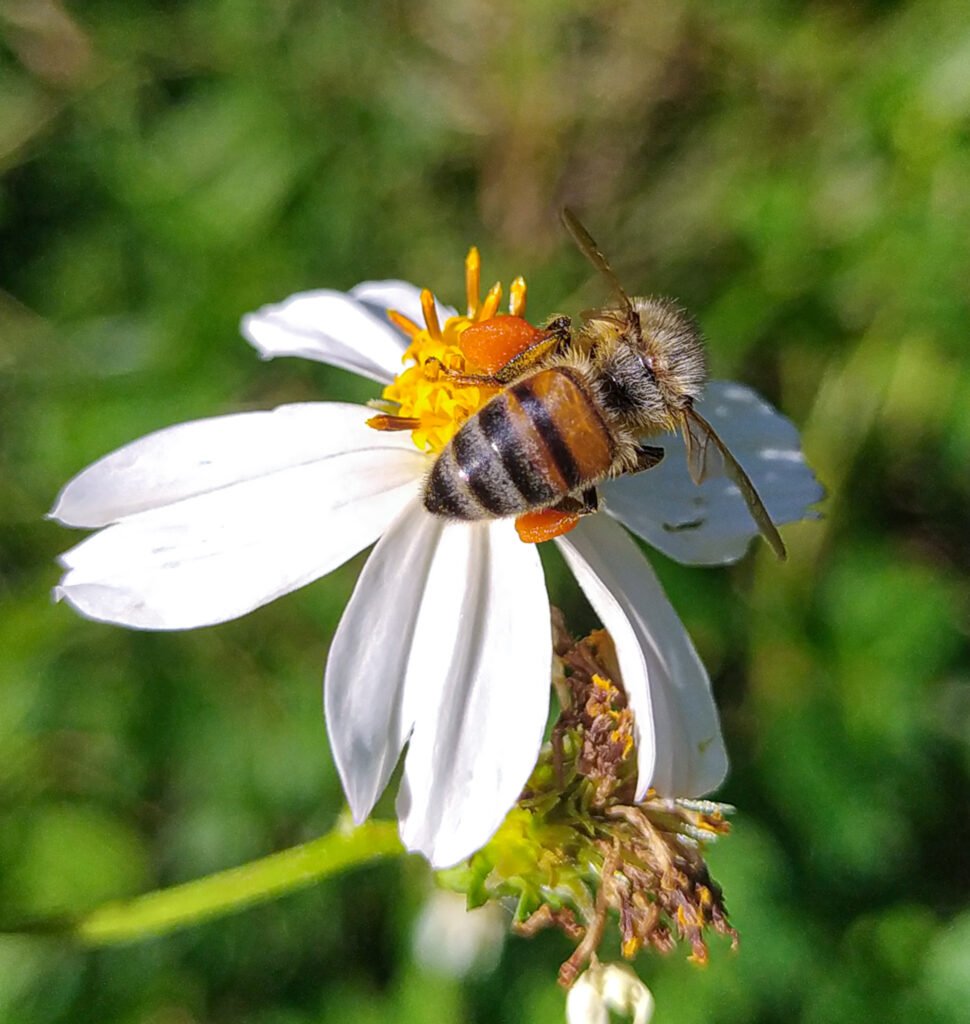
Pollination is the transfer of pollen from a flower’s male structures to its female structures, enabling fertilization and the production of seeds and fruit. Some plants self-pollinate or rely on wind to carry pollen, but a large share of the world’s flowering plants, including many of the crops people eat, depend instead on animals, chiefly
Pollination Read More »
The transfer of pollen between flowers, often by animals, enabling fertilization and underpinning about 75% of food crop types.
A trophic cascade is a chain of indirect effects that moves through multiple feeding levels of an ecosystem after a change at one trophic level, most often the removal or restoration of a top predator, ripples down through the species that predator eats, then down again to the species those prey eat in turn. The
Trophic cascade Read More »
A trophic cascade is a chain of indirect effects moving through multiple feeding levels of an ecosystem after a change at one level, often a top predator.