Specialty Digest

DISCOVER IDEAS THAT SHAPE OUR WORLD

Section

Business

The latest Specialty Digest coverage in Business.

Business

Business
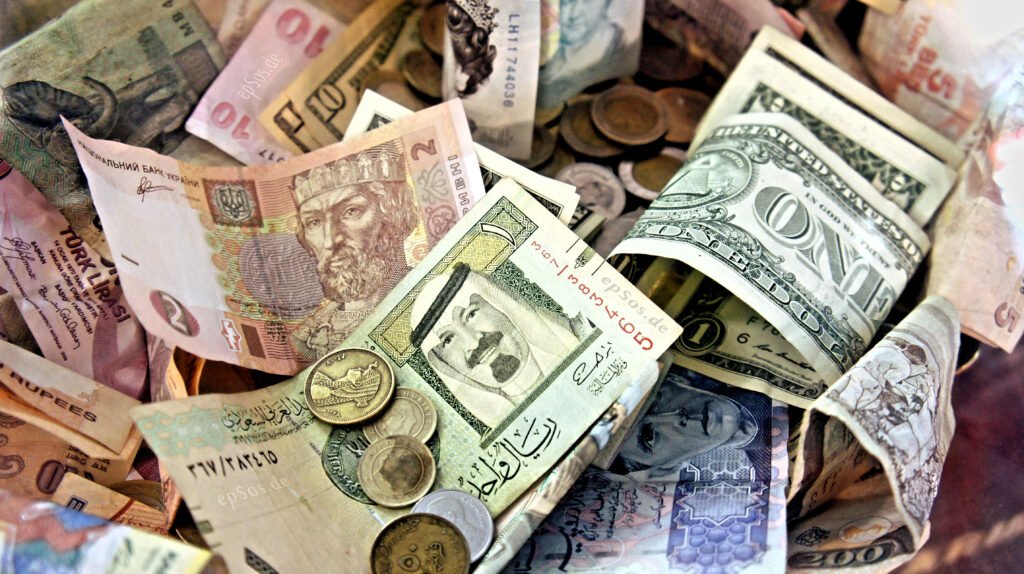
Stacks of assorted world currency banknotes representing foreign currency exchange rates

What Makes Currency Exchange Rates Fluctuate?

Currency exchange rates fluctuate because a currency’s value, like the price of anything else, is set by supply and demand — and that supply and demand shifts constantly in response to interest rates, inflation, trade flows, political events, and plain market speculation. Open a currency-conversion app on two different days and the number staring back

What Makes Currency Exchange Rates Fluctuate? Read More »

Interest rates, inflation, trade, politics, and plain speculation all push and pull on a currency -- here is how they interact.

Business
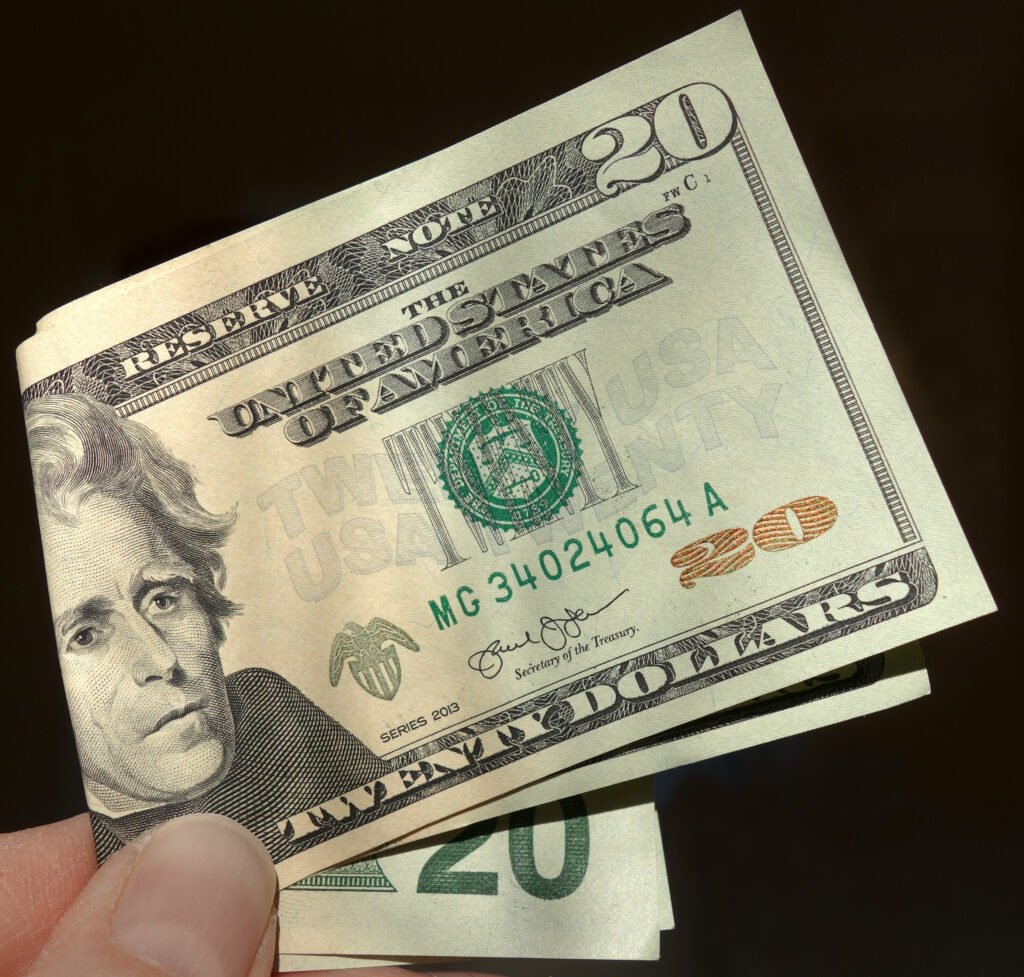
Folded twenty dollar US banknotes symbolizing the economic output measured by GDP

What Is GDP, and Why Does It Matter?

Gross domestic product, or GDP, is the total dollar value of all final goods and services produced within a country’s borders in a given period, usually a quarter or a year — and it matters because that single number shapes decisions at the Federal Reserve, in Congress, and in corporate boardrooms every time it’s released.

What Is GDP, and Why Does It Matter? Read More »

A quarterly number moves markets and interest rates alike -- here is what GDP actually measures, and what it leaves out.

Business
A person paying with a credit card, the kind of everyday borrowing and repayment behavior that credit scoring models track to calculate a credit score.

How Does Your Credit Score Actually Work?

Your credit score is a three-digit number, typically between 300 and 850, calculated from your credit history to predict how likely you are to repay money you borrow. It works by running the data in your credit report through a scoring formula that weighs five factors unequally, and it matters because lenders, landlords, and sometimes

How Does Your Credit Score Actually Work? Read More »

Payment history, credit utilization, and three other factors combine into the three-digit number that shapes what you pay to borrow money.

Business
Shoppers browse a produce market stall, an everyday illustration of supply and demand setting prices as buyers and sellers interact.

What Is Supply and Demand?

Supply and demand describes the constant back-and-forth between how much of something people want and how much of it is available, and how that tug-of-war settles on a price. It’s not about scarcity alone or popularity alone — it’s what happens when both forces meet in the same market. The Law of Demand: Price and

What Is Supply and Demand? Read More »

From gas prices to concert tickets, the tug-of-war between buyers and sellers is the invisible force that sets nearly every price you pay.

Business
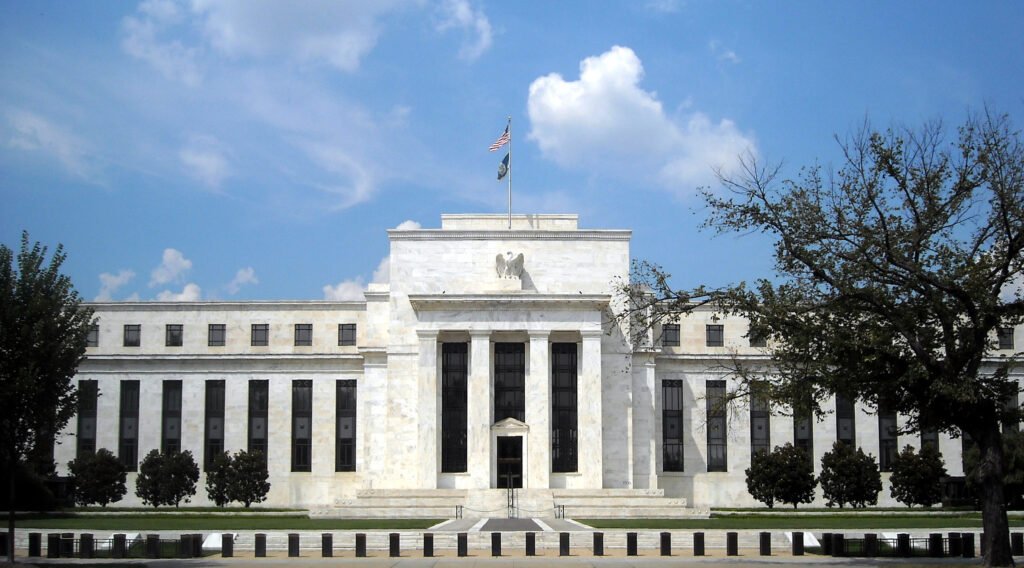
The Federal Reserve Bank of New York, whose trading desk carries out the interest rate decisions the Federal Reserve uses to influence borrowing, spending, and investment across the economy.

How Do Interest Rates Affect the Economy?

Interest rates affect the economy by changing how expensive it is to borrow money and how much reward there is for saving it — and the Federal Reserve controls that starting point with a single number that ripples outward into mortgages, credit cards, and savings accounts within months. How one number moves the whole system

How Do Interest Rates Affect the Economy? Read More »

One number set in Washington ripples out into mortgages, credit cards, and savings accounts nationwide, here is the mechanism that connects them.

Business
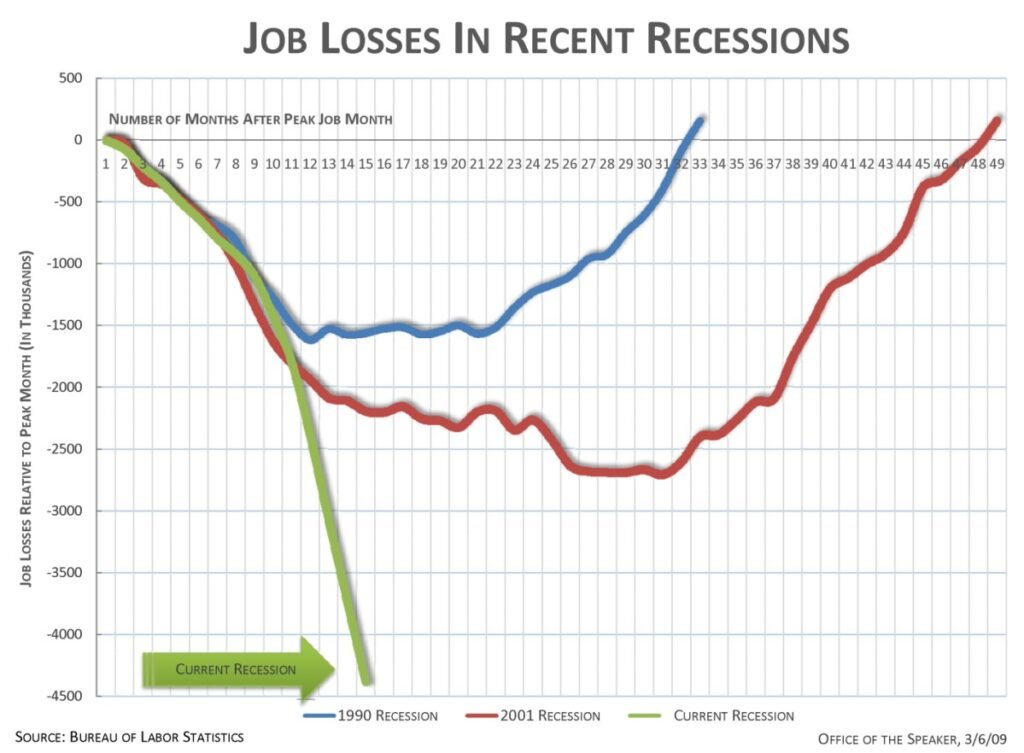
A chart illustrating the scale of U.S. job losses during a recession, when rising unemployment is one of the clearest signs of economic contraction.

What Actually Causes a Recession?

A recession happens when a shock to the economy — a credit crunch, an energy-price spike, trouble in a major trading partner, or the Federal Reserve tightening too hard — knocks a growing economy off course, and the resulting pullback spreads widely enough, deeply enough, and long enough for economists to call it official. There

What Actually Causes a Recession? Read More »

Recessions do not just happen; they follow a shock, a chain reaction, and a precise definition that economists use to call one official.

Business
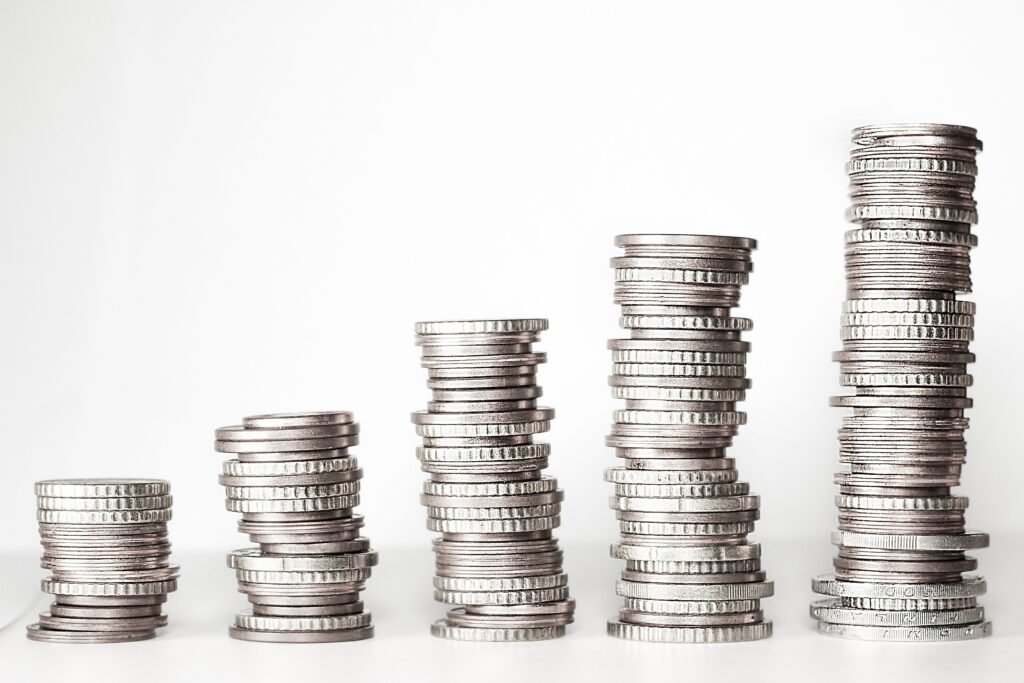
Ascending stacks of coins, illustrating how compound interest causes savings to grow at an accelerating rate over time.

What Is Compound Interest?

Compound interest is interest calculated on both the original amount of money (the principal) and on all the interest that money has already earned, so each new round of interest is calculated on a growing base rather than a fixed one. Albert Einstein is often credited with calling it the eighth wonder of the world;

What Is Compound Interest? Read More »

It is interest on your interest, and it is the single biggest reason why starting to save early matters more than almost anything else.

Business
Traders on the floor of the New York Stock Exchange, where buy and sell orders for listed companies are matched into public share prices.

How Does the Stock Market Actually Work?

The stock market works by matching buyers and sellers who are competing to set a price for small ownership slices of public companies — everything else is infrastructure built over more than a century to make that competition fast, fair and transparent. Trillions of dollars change hands this way every trading day, even though the

How Does the Stock Market Actually Work? Read More »

Behind the flashing tickers, the stock market runs on a simple idea: buyers and sellers competing to set a price.

Business
The Marriner S. Eccles Federal Reserve Board building in Washington, D.C., headquarters of the central bank that sets U.S. monetary policy to manage inflation.

What Is Inflation, and Why Does It Happen?

Inflation is the rate at which prices for goods and services rise across an economy over time, which quietly erodes how much a given amount of money can actually buy. It’s why a grocery bill or a tank of gas can cost noticeably more than it did a year ago even though nothing about the

What Is Inflation, and Why Does It Happen? Read More »

From grocery bills to gas prices, here's the economic engine behind rising costs and how the Fed tries to keep it in check.

Business
A person working through a household budget with a calculator, pen and notebook.

How Do You Build a Personal Budget That Actually Works?

The budgeting method most likely to survive contact with real life is the 50/30/20 rule: split your after-tax income into 50% needs, 30% wants and 20% savings and debt payoff. It will not fit every income or every city perfectly, but it turns “I don’t know where my money goes” into a plan you can

How Do You Build a Personal Budget That Actually Works? Read More »

The 50/30/20 rule turns "where does my money go" into an actual plan: needs, wants and savings, in that order. Here is how to set it up and make it stick.